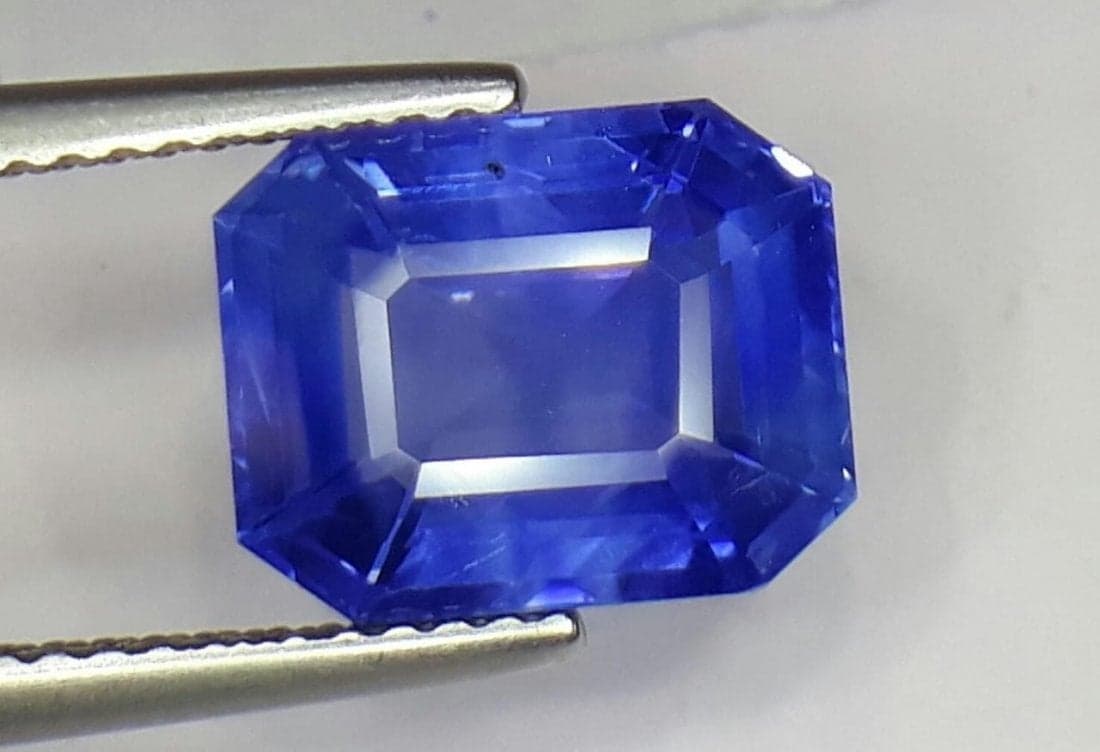
Ruby and sapphire origins greatly affect the values of these prized gems. Learn where these stones occur and how inclusions can help identify their sources.
6 Minute Read
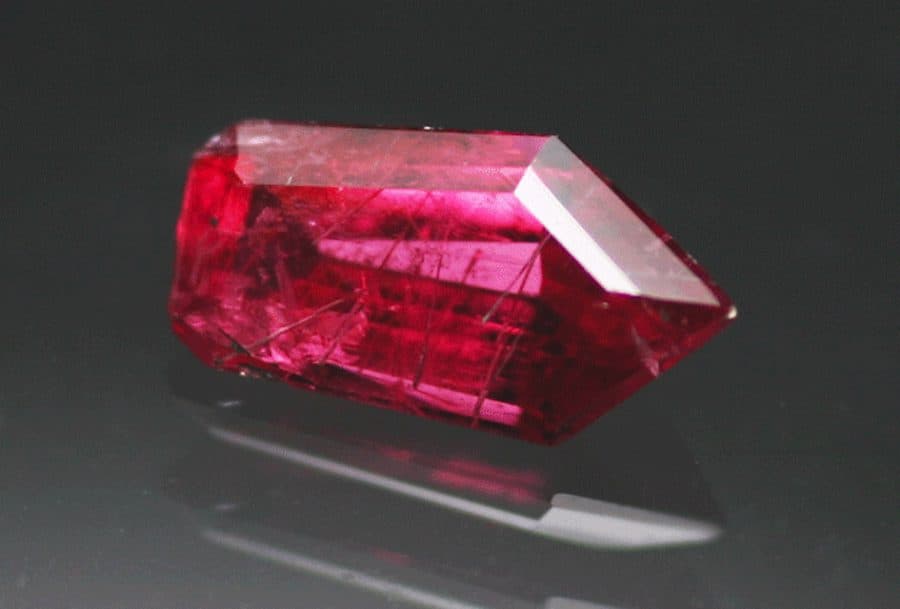
Determining ruby and sapphire origins can be difficult, but the inclusions in these gems can help identify where they were mined.
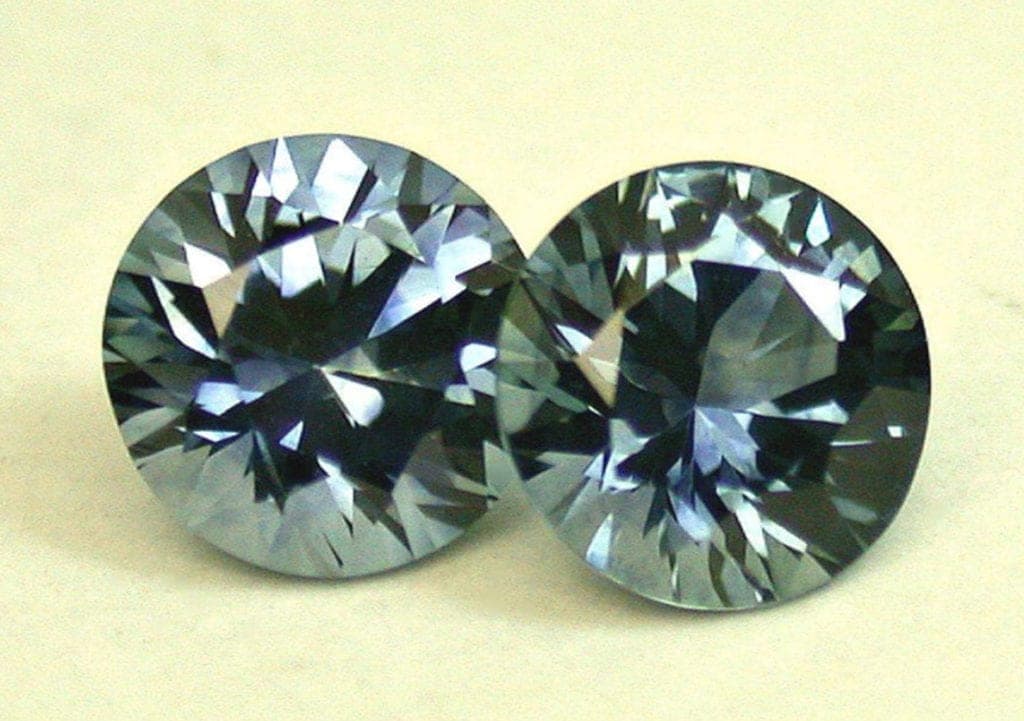
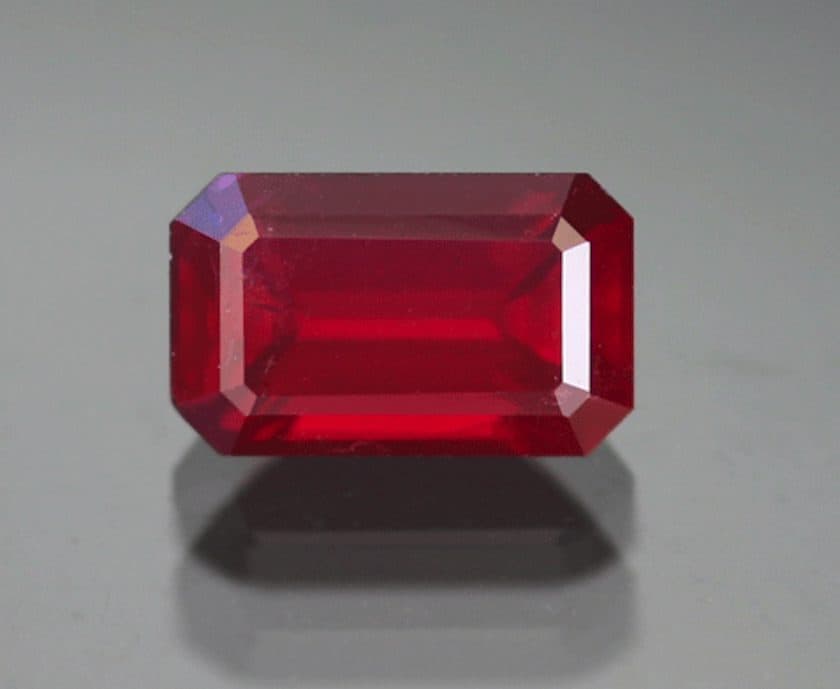
Both ruby and sapphire are corundum, just with different colors. Gem-quality red corundum is considered ruby, while all other colors of gem-quality corundum, including colorless, are sapphire.
The mineral corundum forms in metamorphosed crystalline limestones and dolomites, as well as other metamorphic rock types such as gneiss and schist. It also occurs in igneous rocks, such as granite and nepheline syenite. Miners often find gem corundums in placer deposits.
You can learn more about the formation and chemistry of rubies and sapphires here.
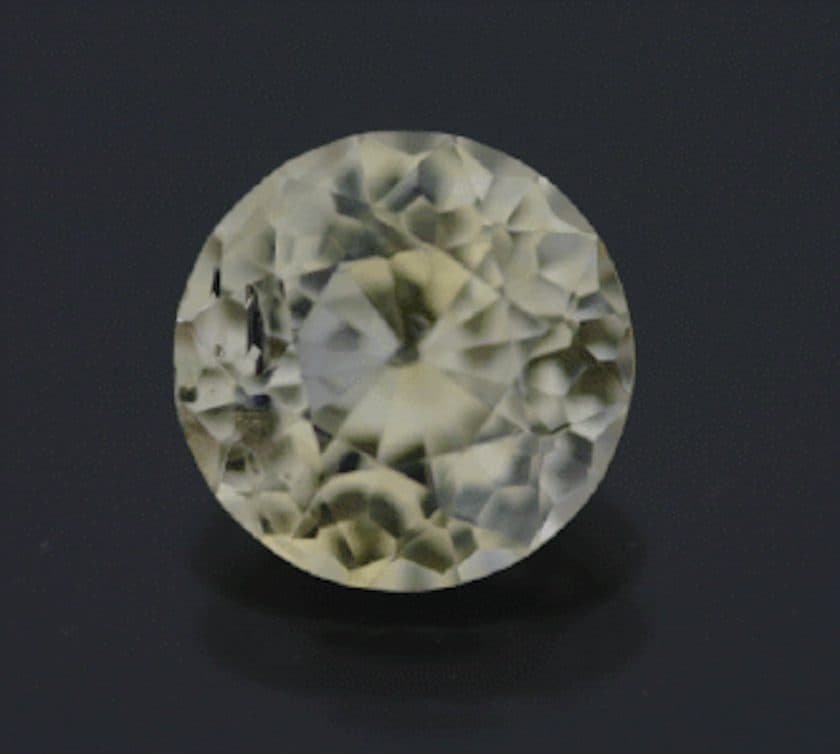
Ruby historically comes from the Mogok stone tract. The history of the mines here is long, complex, and turbulent. Gems occur in a gravel layer called byon at a depth of 20 to 100 feet. Miners recover them by washing and screening with broad screens, then handpicking promising pebbles. Corundum originates in metamorphic marbles that have largely weathered away. This is the source of the world's finest rubies.
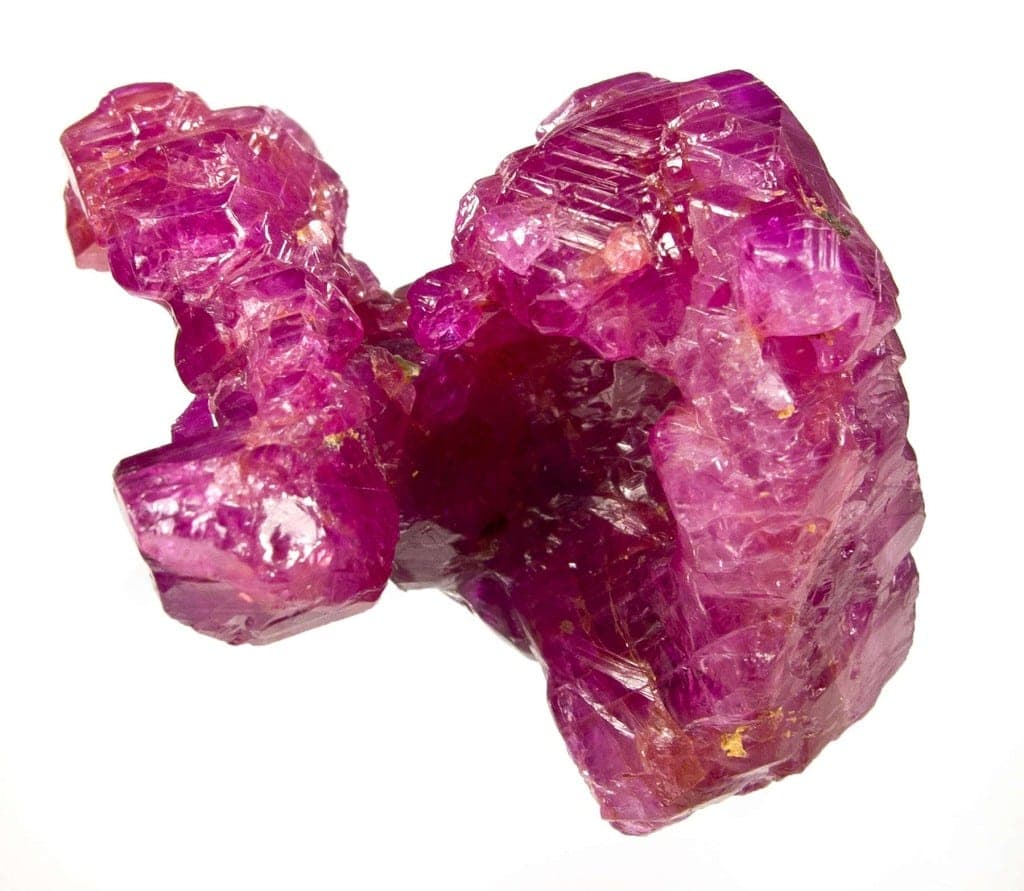
Fine sapphires occur in northern India in the NW Himalayas at an elevation of nearly 15,000 feet, in a deposit snowed under most of the year. Gems occur in a pegmatite and in the valley below, in surface debris. These sources are now exhausted.
Extremely scarce, Kashmir sapphires have a cloudiness due to inclusions and an extremely good blue color, making them greatly desired.
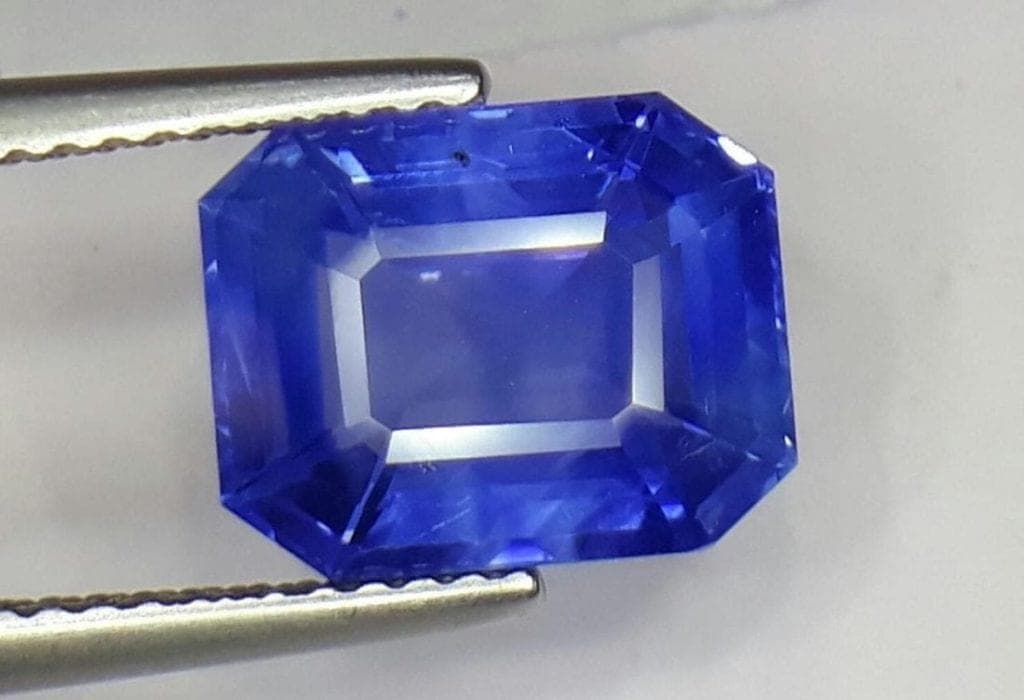
Ruby and spinel of fine quality occur in the Hunza Valley on the Pakistan Side of the Kashmir Valley. The color is comparable to Burma ruby but the material is heavily flawed.
The areas of major importance here are Chantabun and Battambang. The corundum deposits have only been worked in a major way in modern times. Miners find gems in a sandy layer within 6 to 20 feet of the surface and recover them by washing.
Thai rubies rose to importance on the market because of the scarcity of Burmese gems.
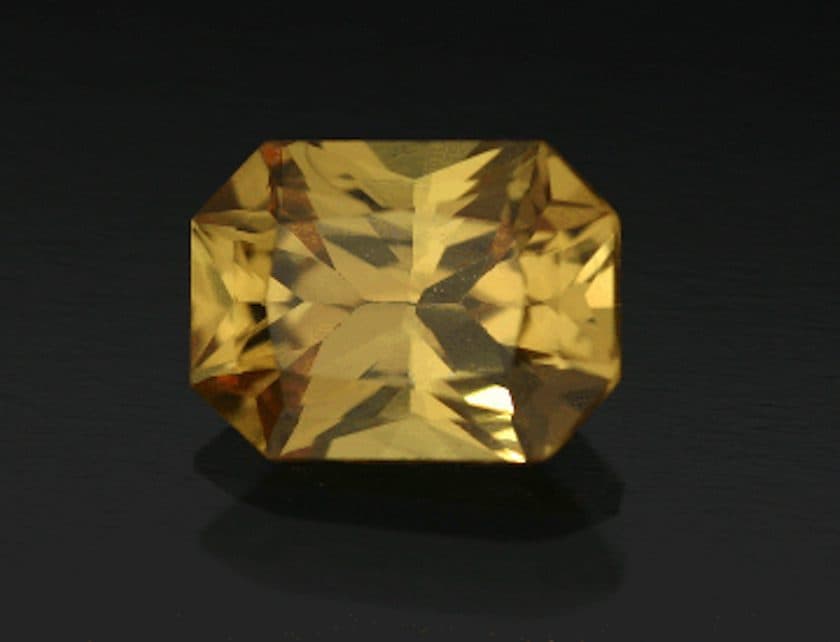
Pailin produces some of the world's finest sapphires, but the country isn't a significant ruby source.
Sri Lanka is a source of many colors of sapphire, as well as ruby and star gems. Gems occur here in a gravel layer known as illam at a depth of up to 50 feet. Miners wash and screen the material and recover gems by hand.
Sri Lankan ruby isn't as good as Burmese material, and the sapphires are often pale in color but can be very large.
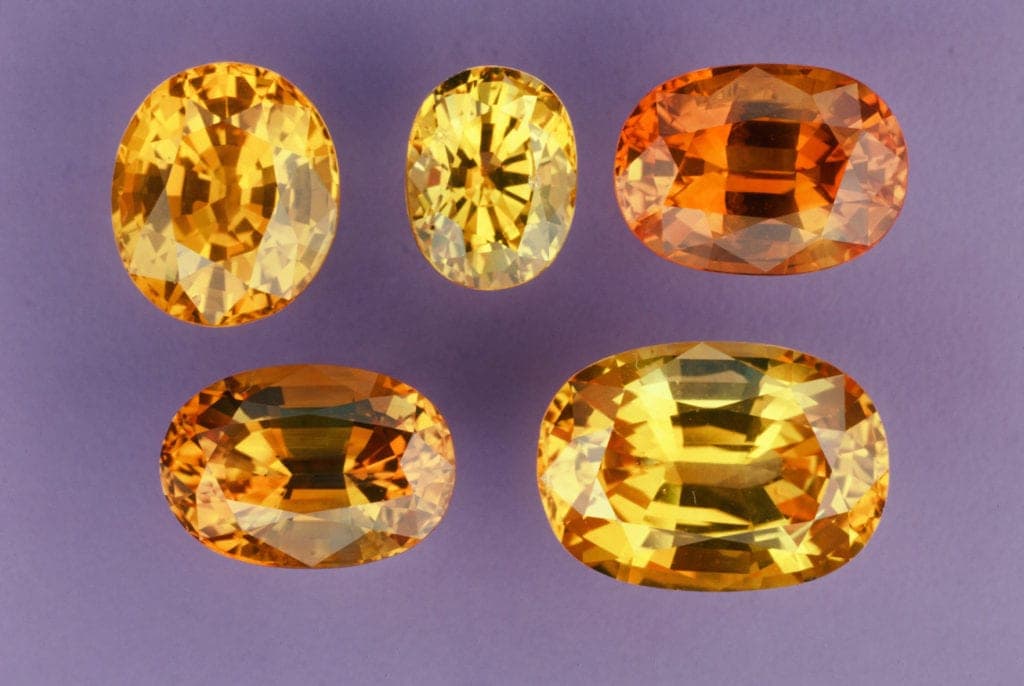
Ruby of fine color has come from Jegdalek, near Kabul. This is an ancient source of many of the fine stones of ancient times.
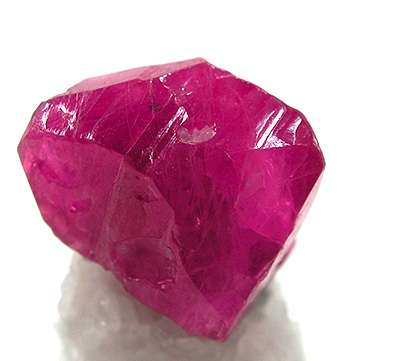
Mysore usually produces poor-quality rubies but a significant amount of star ruby. However, occasionally, this area produces stones of excellent quality.
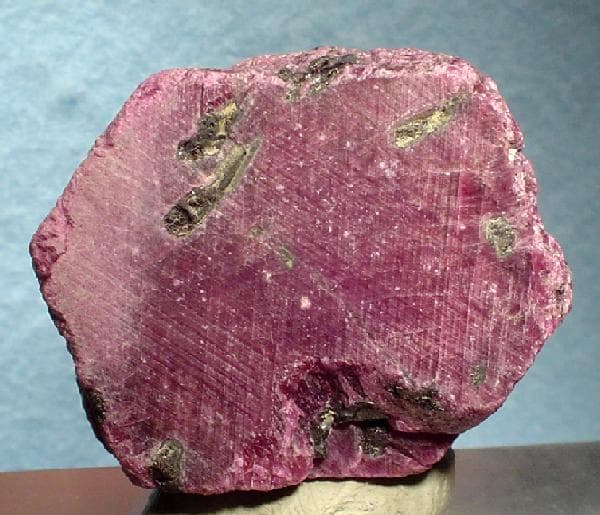
Amphibole-zoisite rock on Mt. Gongen, Hodono Valley, Ehime Prefecture has yielded transparent crystals to 5 cm.
Vietnam produces rubies as well as sapphires in a variety of colors.
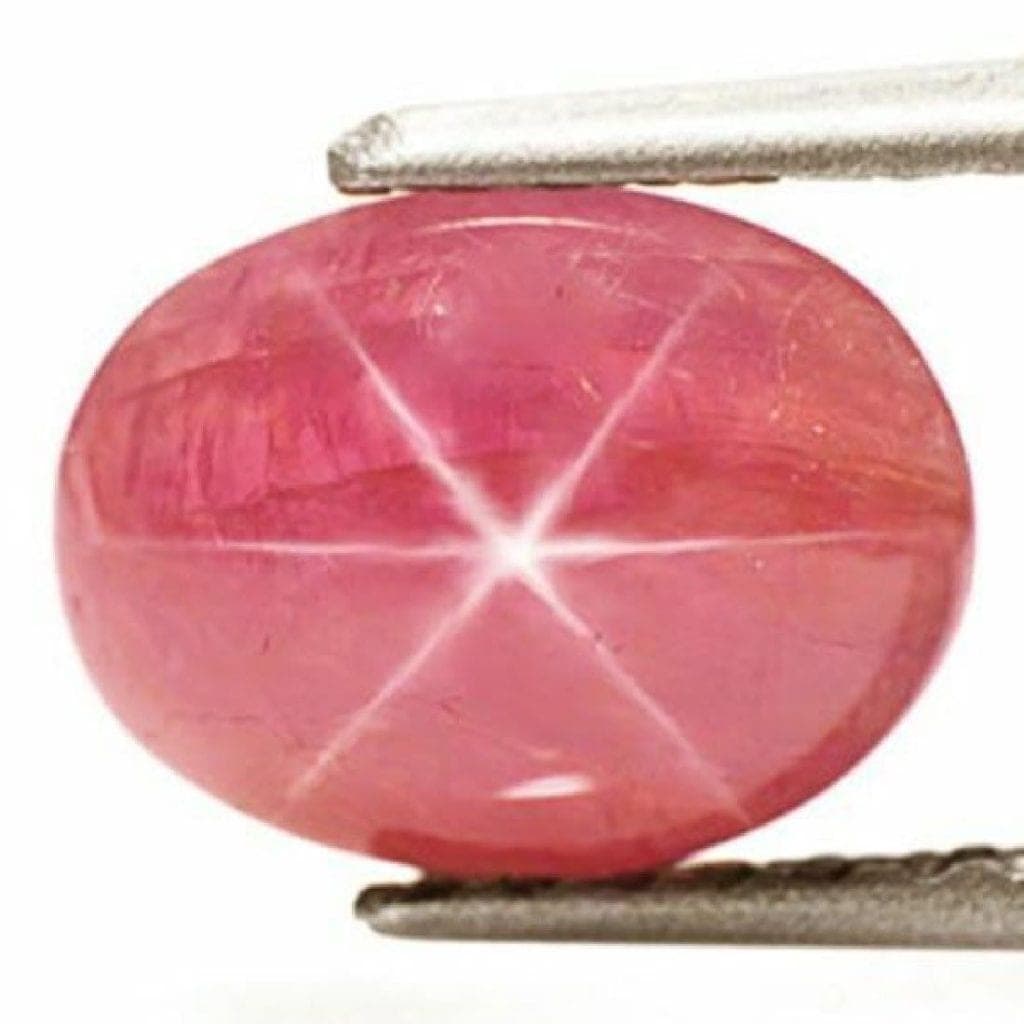
Nepal produces some gemmy ruby crystals, typically with heavy color zoning.
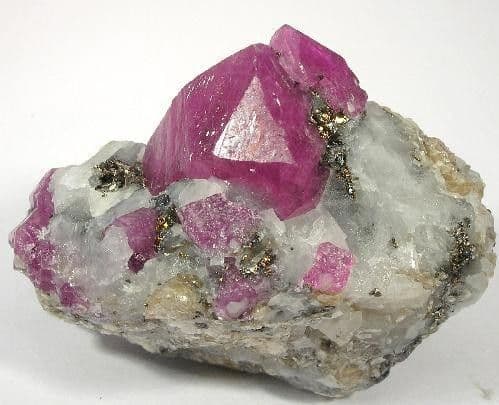
Anakie, Queensland produces some ruby as well as sapphire in blue, green, and yellow shades, all in alluvial deposits. Some fine green gems are known, as well as an occasional excellent blue gem.
Other occurrences include New South Wales, especially the Inverell district (often referred to as the New English fields). Victoria also produces green sapphire.
Ruby has been found in the Harts Range, Northern Territory.
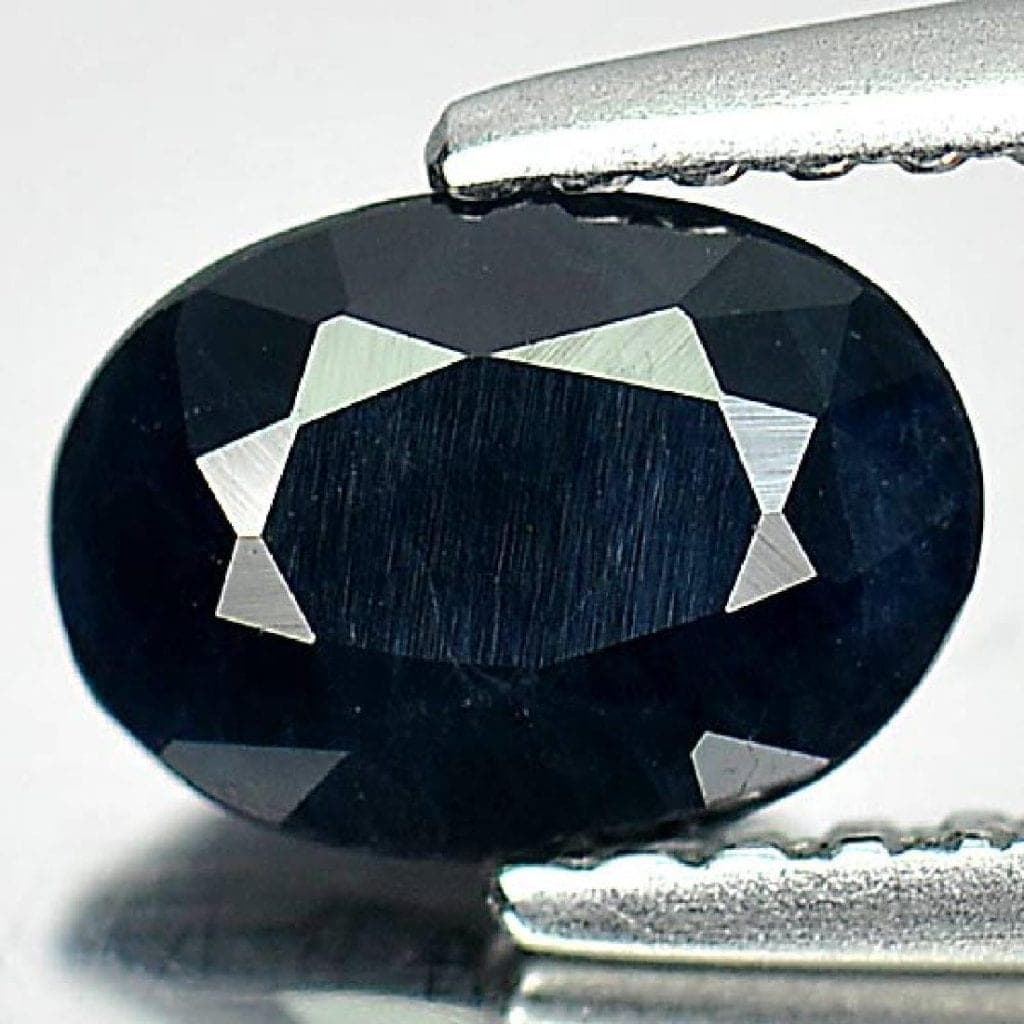
Yogo Gulch is a well-known locality for fine blue sapphire of very good color that occurs in igneous dikes. The crystals are very flattened and waterfall-like, so it's difficult to cut large, full-cut gems from them. Crystals occur in many different colors and are usually quite small, but the blue stones are extremely fine. Often zoned, this material may have a curious metallic-like luster.
The gravels of the Missouri River, Rock Creek, Dry Cottonwood Creek, and the Gem Mountain Sapphire Mine in Philipsburg also produce sapphires.
Ruby is uncommon here.
At Cowee Creek, in Macon County, small rubies and sapphires are found in stream gravels and soil. The quality is usually poor, but an occasional fine, small ruby is found.
The Cherokee Mine at Franklin yields rubies and sapphires.
The Matto Grosso area has produced sapphires.
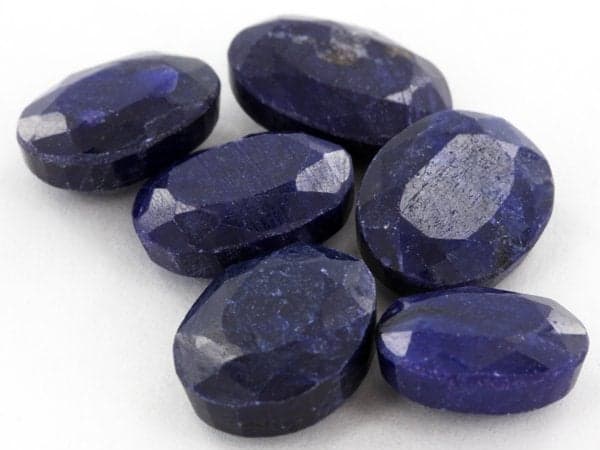
Miners have found blue and violet sapphires, many showing a distinct color change, near Mercaderes, Cauca, Colombia, probably originating in alkalic basalts. Crystals are prismatic and rounded, up to 3 cm in size. Typical colors include blue (somewhat pale), green-brown, and violetish, but some yellow, pink, and red crystals also occur. Some star material also exists. The stones are rich in iron and poor in titanium. Metallic rutile crystal inclusions are typical.
Gem-quality corundum is occasionally found in the Czech Republic, Finland, Greenland, Norway, and Russia.
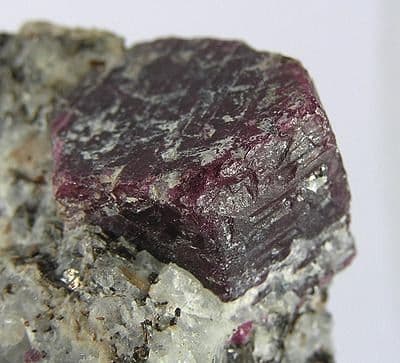
In Scotland, facetable blue sapphire crystals, up to about 45 mm in diameter, occur at Loch Roag, Isle of Lewis, in the Outer Hebrides. Their colors are variable and sector zoning has been observed, with a paragenesis similar to that of Pailin, Cambodia. Cut stones usually weigh a maximum of 2-3 carats.
Large ruby of fine color and quality is found in green, massive chromiferous zoisite ("ruby-in-zoisite"). The crystals are usually opaque, and the rock as a whole is cut as a decorative material, but occasionally some small areas of this ruby are transparent enough to facet.
Many colors of sapphire are found in the vicinity of Morogoro, Tanga Province, along with some ruby. The Umba River Valley is also a source of fine sapphires in a wide range of colors.
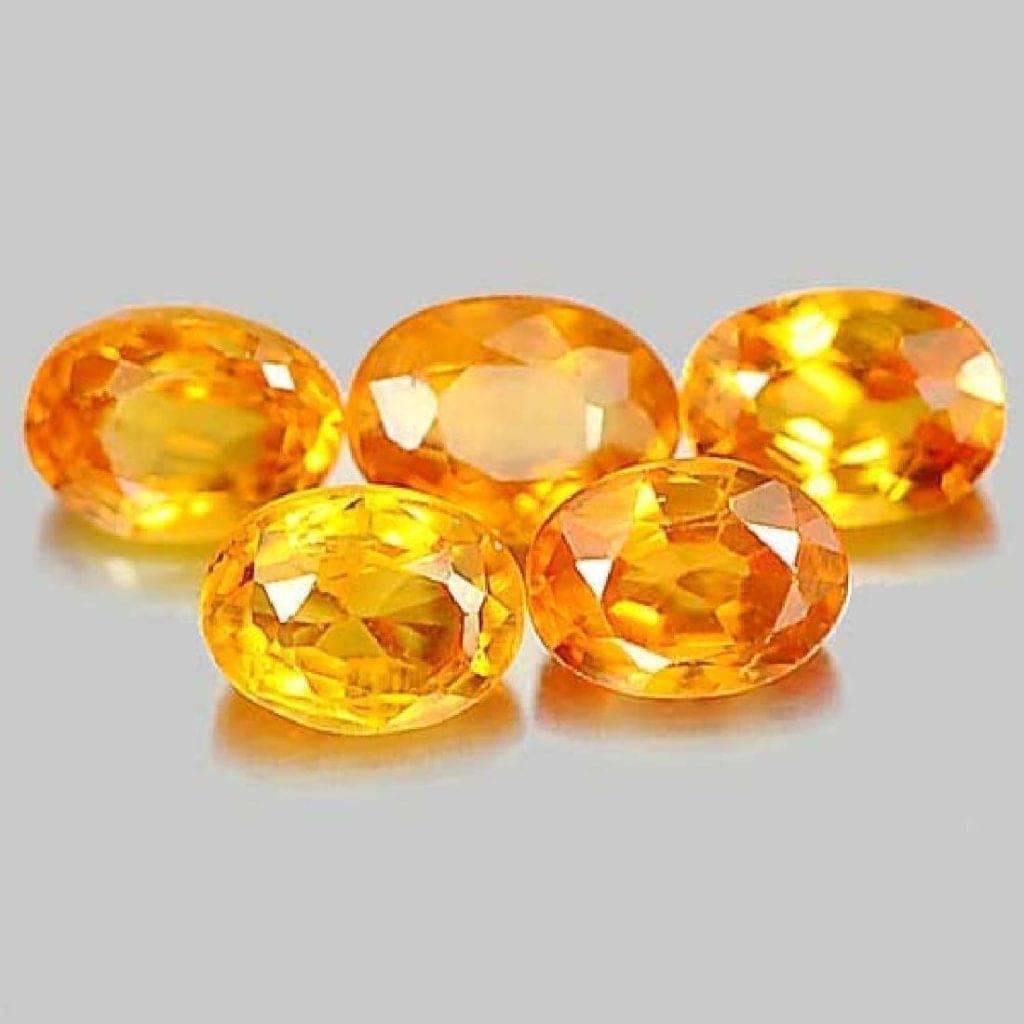
Sapphires of various colors are found here, often zoned with a creamy-white core and blue outer zone, or vice versa. The well-formed crystals usually measure up to 3 inches in diameter. At the Baruta Mine in Northeast Zimbabwe, a deep blue crystal of 3,100 carats was found.
Zimbabwe is also a source of black star sapphire. However, sapphires from here remain relatively unknown on the market.
Excellent ruby is known from a small ruby mine. The ruby has a pinkish but fine color and usually occurs in small sizes. Sapphires have also been found.
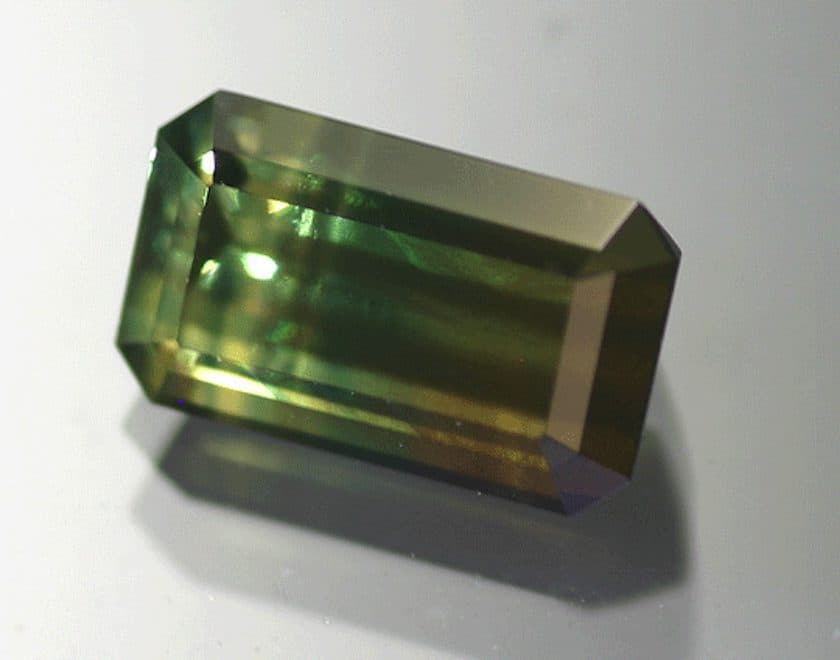
Montepuez produces rubies and sapphires.
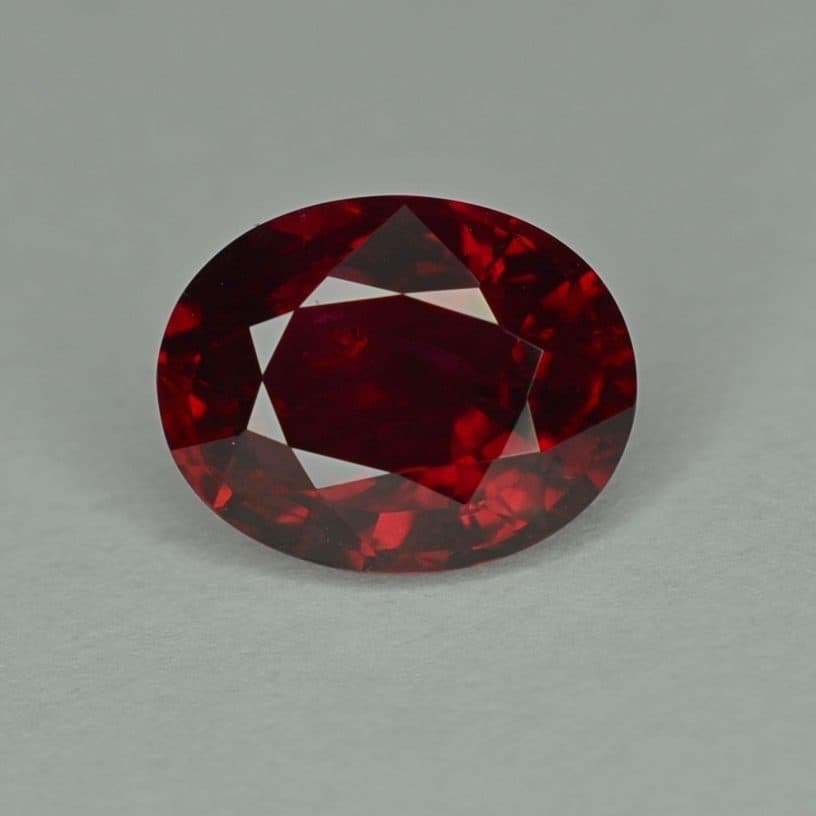
Madagascar produces rubies as well as blue and pink sapphires.
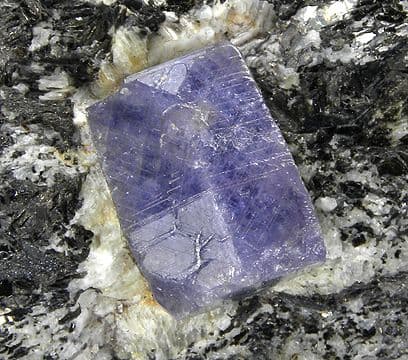
Sapphires were found at Chimwadzulu Hill around 1958.
Opaque ruby suitable for cabochons occurs at Namaqualand.
In general, Burmese, Thai, and Australian blue sapphires contain crystals of plagioclase feldspars, orthoclase, niobite, columbite, calcite, monazite, zircon, apatite, fergusonite, and thorite.
For information on inclusions typically found in corundum, consult our article on identifying inclusions found in specific gems.
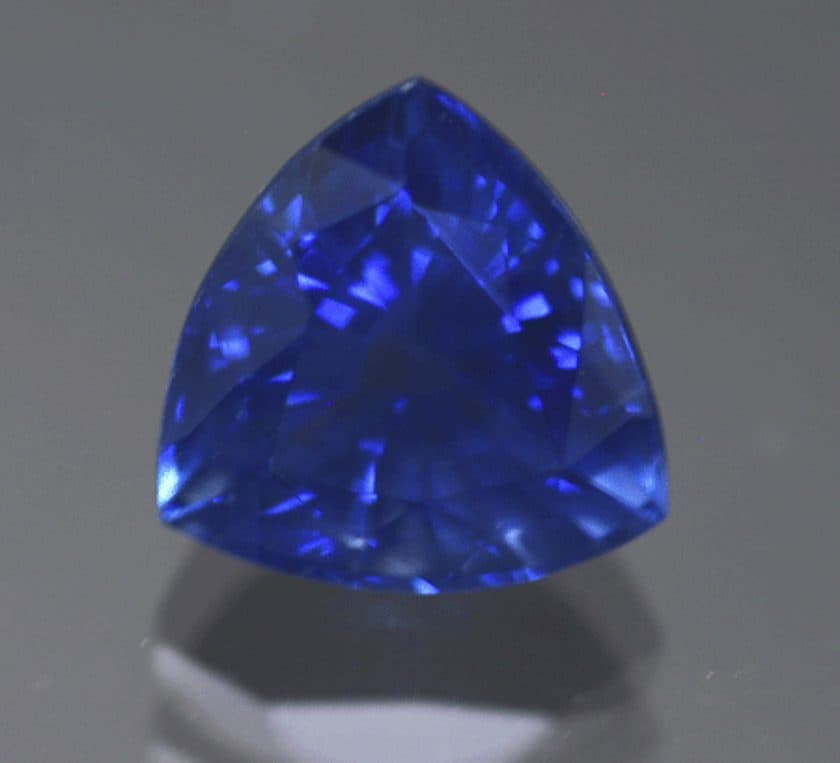


When you join the IGS community, you get trusted diamond & gemstone information when you need it.

Determining ruby and sapphire origins can be difficult, but the inclusions in these gems can help identify where they were mined.
Both ruby and sapphire are corundum, just with different colors. Gem-quality red corundum is considered ruby, while all other colors of gem-quality corundum, including colorless, are sapphire.
The mineral corundum forms in metamorphosed crystalline limestones and dolomites, as well as other metamorphic rock types such as gneiss and schist. It also occurs in igneous rocks, such as granite and nepheline syenite. Miners often find gem corundums in placer deposits.
Ruby historically comes from the Mogok stone tract. The history of the mines here is long, complex, and turbulent. Gems occur in a gravel layer called byon at a depth of 20 to 100 feet. Miners recover them by washing and screening with broad screens, then handpicking promising pebbles. Corundum originates in metamorphic marbles that have largely weathered away. This is the source of the world's finest rubies.
Fine sapphires occur in northern India in the NW Himalayas at an elevation of nearly 15,000 feet, in a deposit snowed under most of the year. Gems occur in a pegmatite and in the valley below, in surface debris. These sources are now exhausted.
Extremely scarce, Kashmir sapphires have a cloudiness due to inclusions and an extremely good blue color, making them greatly desired.
Ruby and spinel of fine quality occur in the Hunza Valley on the Pakistan Side of the Kashmir Valley. The color is comparable to Burma ruby but the material is heavily flawed.
The areas of major importance here are Chantabun and Battambang. The corundum deposits have only been worked in a major way in modern times. Miners find gems in a sandy layer within 6 to 20 feet of the surface and recover them by washing.
Thai rubies rose to importance on the market because of the scarcity of Burmese gems.
Pailin produces some of the world's finest sapphires, but the country isn't a significant ruby source.
Sri Lanka is a source of many colors of sapphire, as well as ruby and star gems. Gems occur here in a gravel layer known as illam at a depth of up to 50 feet. Miners wash and screen the material and recover gems by hand.
Sri Lankan ruby isn't as good as Burmese material, and the sapphires are often pale in color but can be very large.
Ruby of fine color has come from Jegdalek, near Kabul. This is an ancient source of many of the fine stones of ancient times.
Mysore usually produces poor-quality rubies but a significant amount of star ruby. However, occasionally, this area produces stones of excellent quality.
Amphibole-zoisite rock on Mt. Gongen, Hodono Valley, Ehime Prefecture has yielded transparent crystals to 5 cm.
Vietnam produces rubies as well as sapphires in a variety of colors.
Nepal produces some gemmy ruby crystals, typically with heavy color zoning.
Anakie, Queensland produces some ruby as well as sapphire in blue, green, and yellow shades, all in alluvial deposits. Some fine green gems are known, as well as an occasional excellent blue gem.
Other occurrences include New South Wales, especially the Inverell district (often referred to as the New English fields). Victoria also produces green sapphire.
Ruby has been found in the Harts Range, Northern Territory.
Yogo Gulch is a well-known locality for fine blue sapphire of very good color that occurs in igneous dikes. The crystals are very flattened and waterfall-like, so it's difficult to cut large, full-cut gems from them. Crystals occur in many different colors and are usually quite small, but the blue stones are extremely fine. Often zoned, this material may have a curious metallic-like luster.
The gravels of the Missouri River, Rock Creek, Dry Cottonwood Creek, and the Gem Mountain Sapphire Mine in Philipsburg also produce sapphires.
Ruby is uncommon here.
At Cowee Creek, in Macon County, small rubies and sapphires are found in stream gravels and soil. The quality is usually poor, but an occasional fine, small ruby is found.
The Cherokee Mine at Franklin yields rubies and sapphires.
The Matto Grosso area has produced sapphires.
Miners have found blue and violet sapphires, many showing a distinct color change, near Mercaderes, Cauca, Colombia, probably originating in alkalic basalts. Crystals are prismatic and rounded, up to 3 cm in size. Typical colors include blue (somewhat pale), green-brown, and violetish, but some yellow, pink, and red crystals also occur. Some star material also exists. The stones are rich in iron and poor in titanium. Metallic rutile crystal inclusions are typical.
Gem-quality corundum is occasionally found in the Czech Republic, Finland, Greenland, Norway, and Russia.
In Scotland, facetable blue sapphire crystals, up to about 45 mm in diameter, occur at Loch Roag, Isle of Lewis, in the Outer Hebrides. Their colors are variable and sector zoning has been observed, with a paragenesis similar to that of Pailin, Cambodia. Cut stones usually weigh a maximum of 2-3 carats.
Large ruby of fine color and quality is found in green, massive chromiferous zoisite ("ruby-in-zoisite"). The crystals are usually opaque, and the rock as a whole is cut as a decorative material, but occasionally some small areas of this ruby are transparent enough to facet.
Many colors of sapphire are found in the vicinity of Morogoro, Tanga Province, along with some ruby. The Umba River Valley is also a source of fine sapphires in a wide range of colors.
Sapphires of various colors are found here, often zoned with a creamy-white core and blue outer zone, or vice versa. The well-formed crystals usually measure up to 3 inches in diameter. At the Baruta Mine in Northeast Zimbabwe, a deep blue crystal of 3,100 carats was found.
Zimbabwe is also a source of black star sapphire. However, sapphires from here remain relatively unknown on the market.
Excellent ruby is known from a small ruby mine. The ruby has a pinkish but fine color and usually occurs in small sizes. Sapphires have also been found.
Montepuez produces rubies and sapphires.
Madagascar produces rubies as well as blue and pink sapphires.
Sapphires were found at Chimwadzulu Hill around 1958.
Opaque ruby suitable for cabochons occurs at Namaqualand.
In general, Burmese, Thai, and Australian blue sapphires contain crystals of plagioclase feldspars, orthoclase, niobite, columbite, calcite, monazite, zircon, apatite, fergusonite, and thorite.
For information on inclusions typically found in corundum, consult our article on identifying inclusions found in specific gems.