Destructive Mineral Tests: Streak Testing
Mineral streak testing is fun if you have rough material to spare. It’s not recommended for finished gems, as there’s a good…
Mineral streak testing is fun if you have rough material to spare. It’s not recommended for finished gems, as there’s a good…
In this article, we will discuss phyllosilicates and tectosilicates. These silicate subclasses include minerals crucial for technology and…
Halides, carbonates, and sulfites are considered sedimentary minerals. In this article, you will learn about evaporites and how these three…
In crystallography, mineral habits refer to the way crystals form within a specific mineral. In A Guide to Gem Classification, I mentioned that,…
Many factors can contribute to a mineral’s color. However, some minerals can have many different colored varieties, while others only occur…
Most gems form naturally as minerals within the Earth. Most form as crystals, solids whose atoms are arranged in highly ordered repeating patterns…
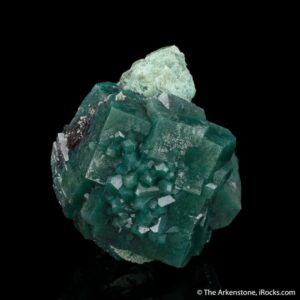
The silicate subgroups of phyllosilicates and tectosilicates include minerals used in industry and jewelry. Learn how to identify them.
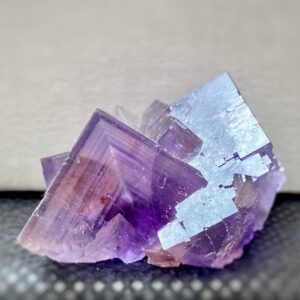
Halides, carbonates, and sulfites are sedimentary minerals with many uses, from salt to manufacturing. Learn how to identify these minerals.…
Some well-known jewelry stones owe their colors to the effects of radiation. Occasionally, gemstones receive radiation treatment in laboratory…
 IGS Become Member