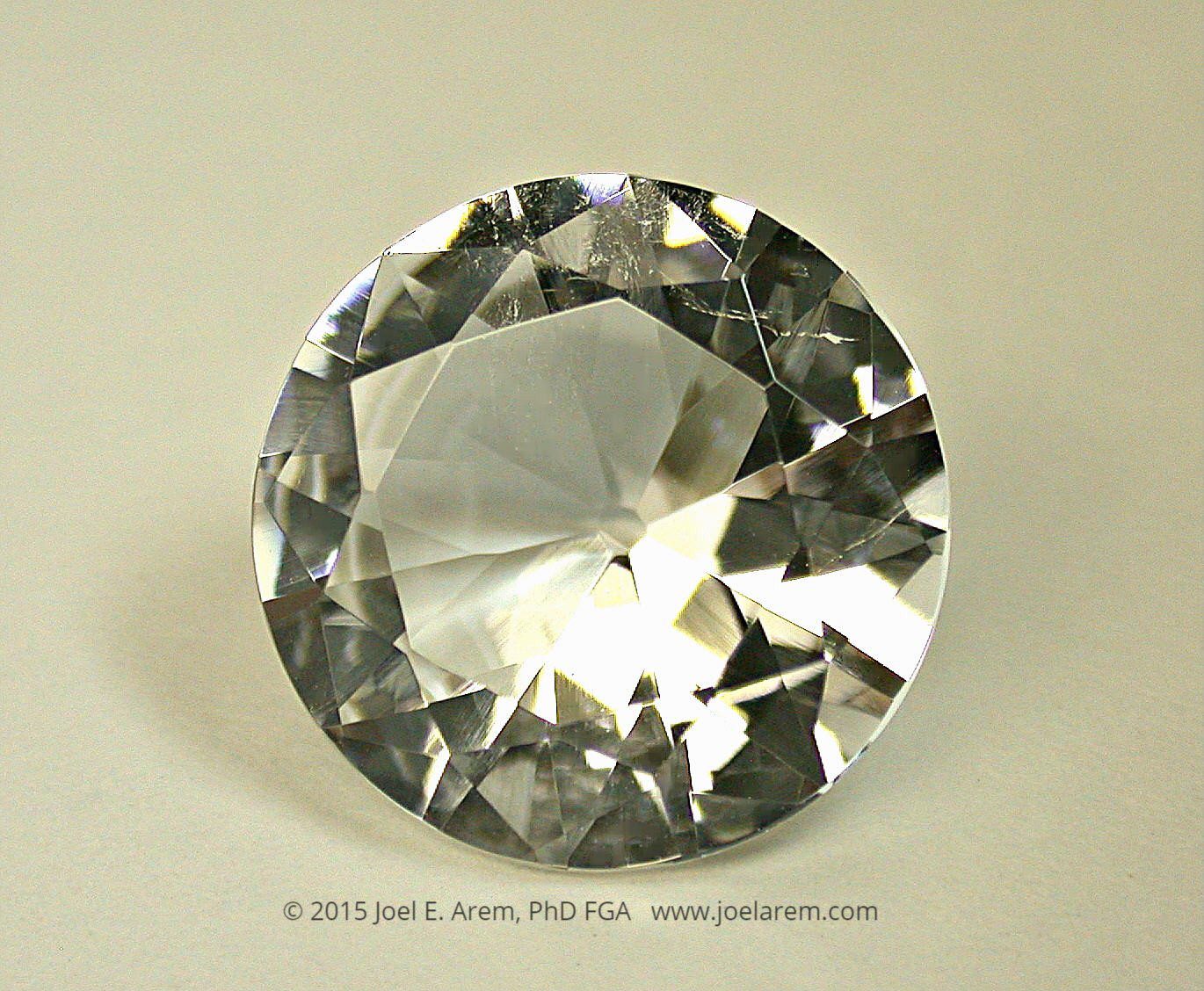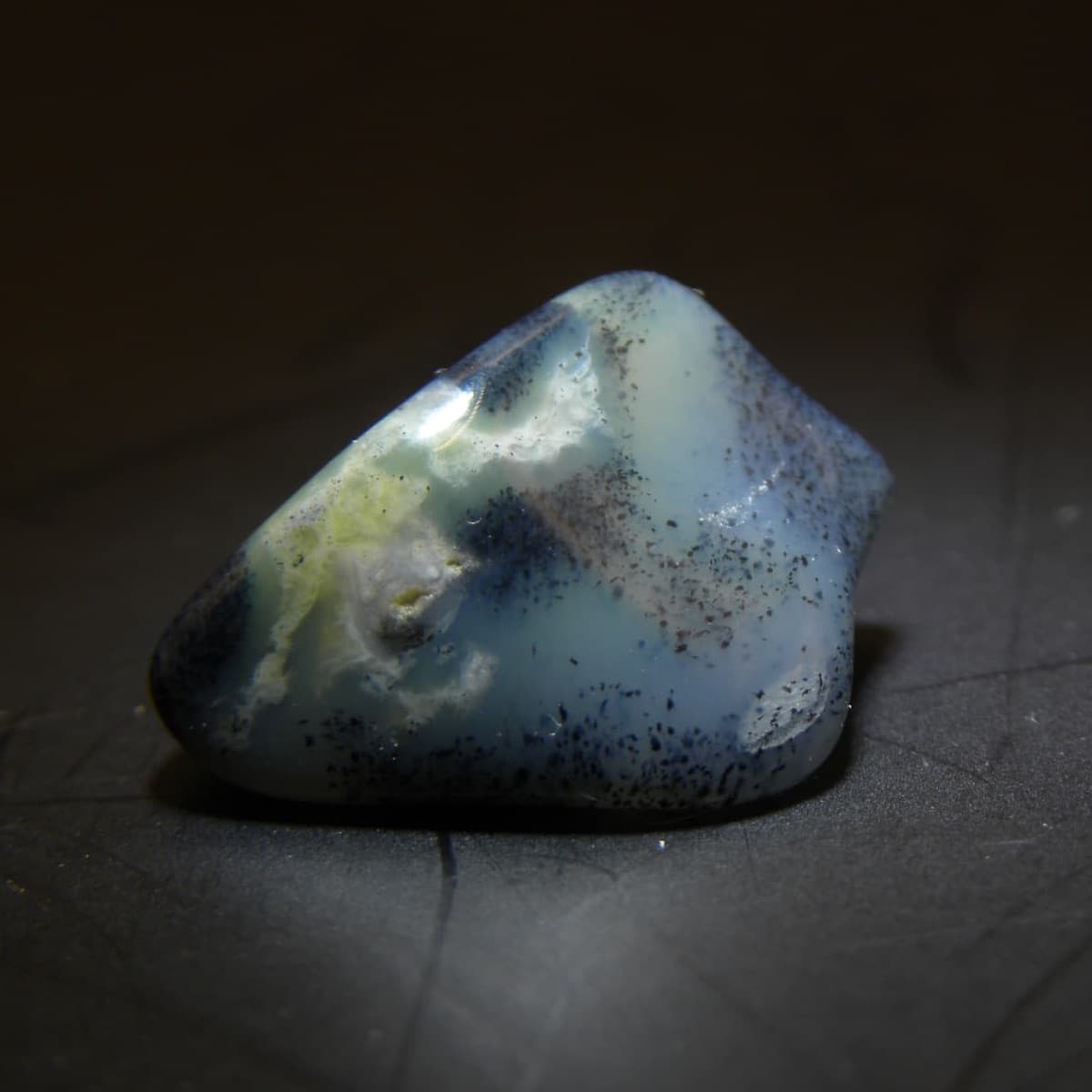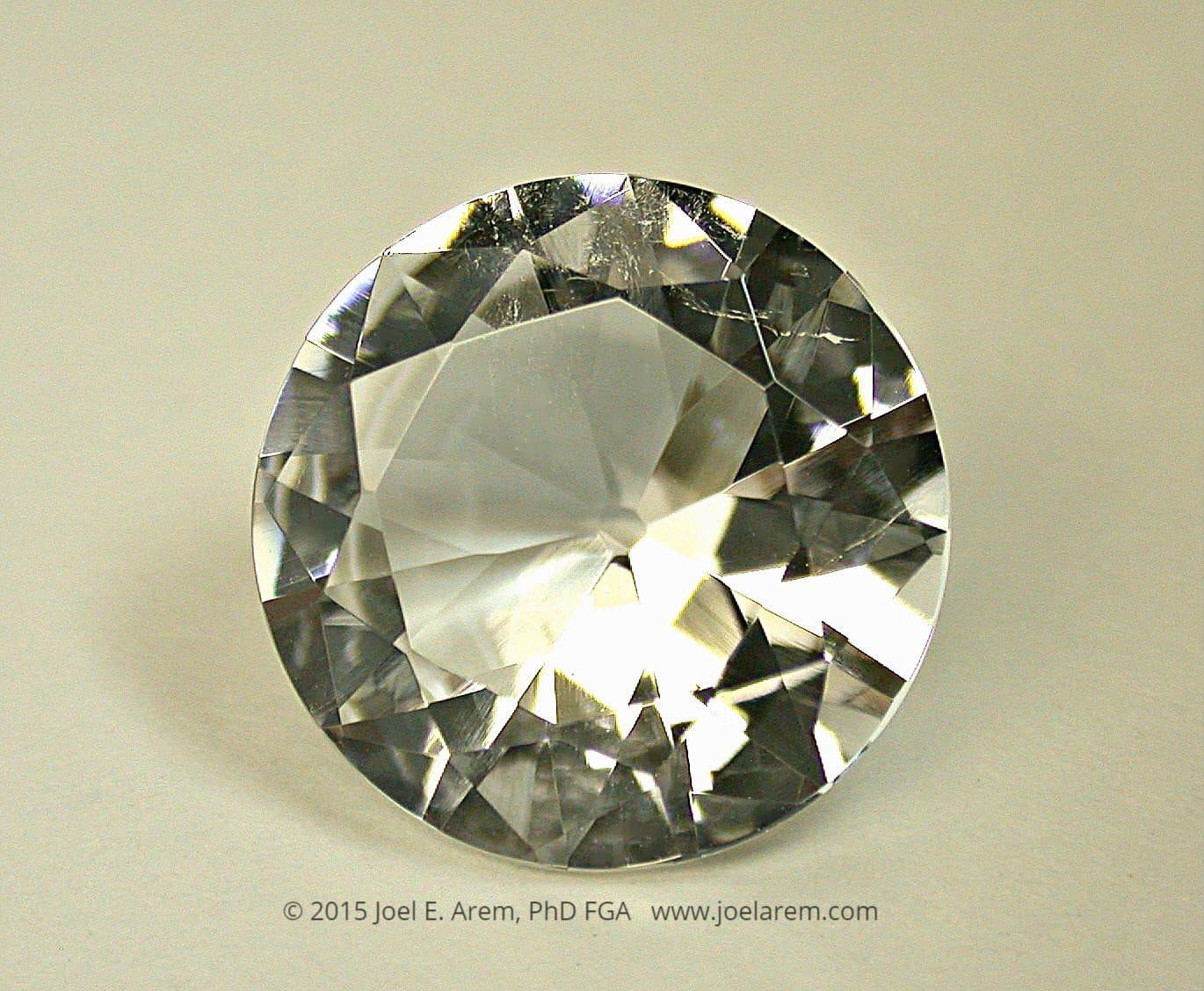
Although not suitable for jewelry, apophyllite is a popular collector's piece. Perhaps the whitest of all gems, some cut specimens are so devoid of color they can appear almost silvery.
2 Minute Read
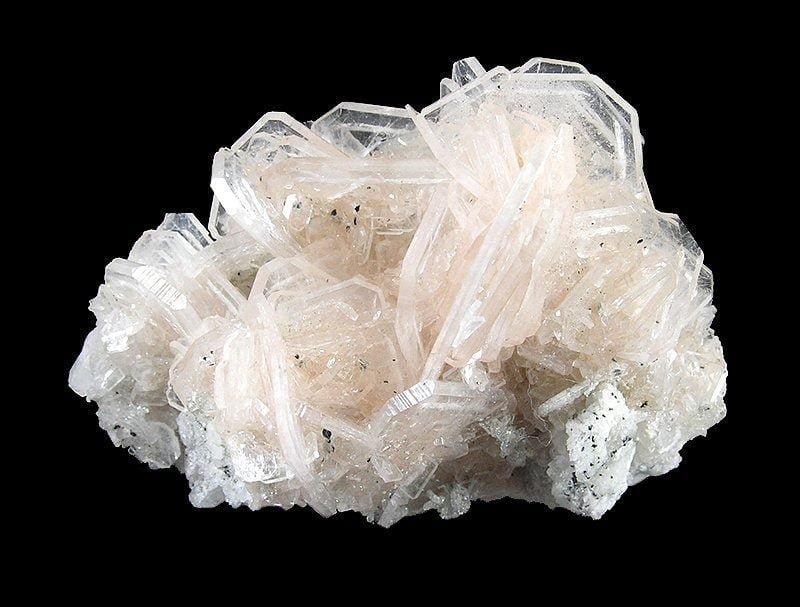
The gemstones known as apophyllites belong to a solid solution series of minerals that includes fluorapophyllite-(K), fluorapophyllite-(Na), and hydroxyapophyllite-(K). Fluorapophyllite-(K) is the most commonly found type. The rarest, fluorapophyllite-(Na), crystallizes in the orthorhombic system, while the others form in the tetragonal system.
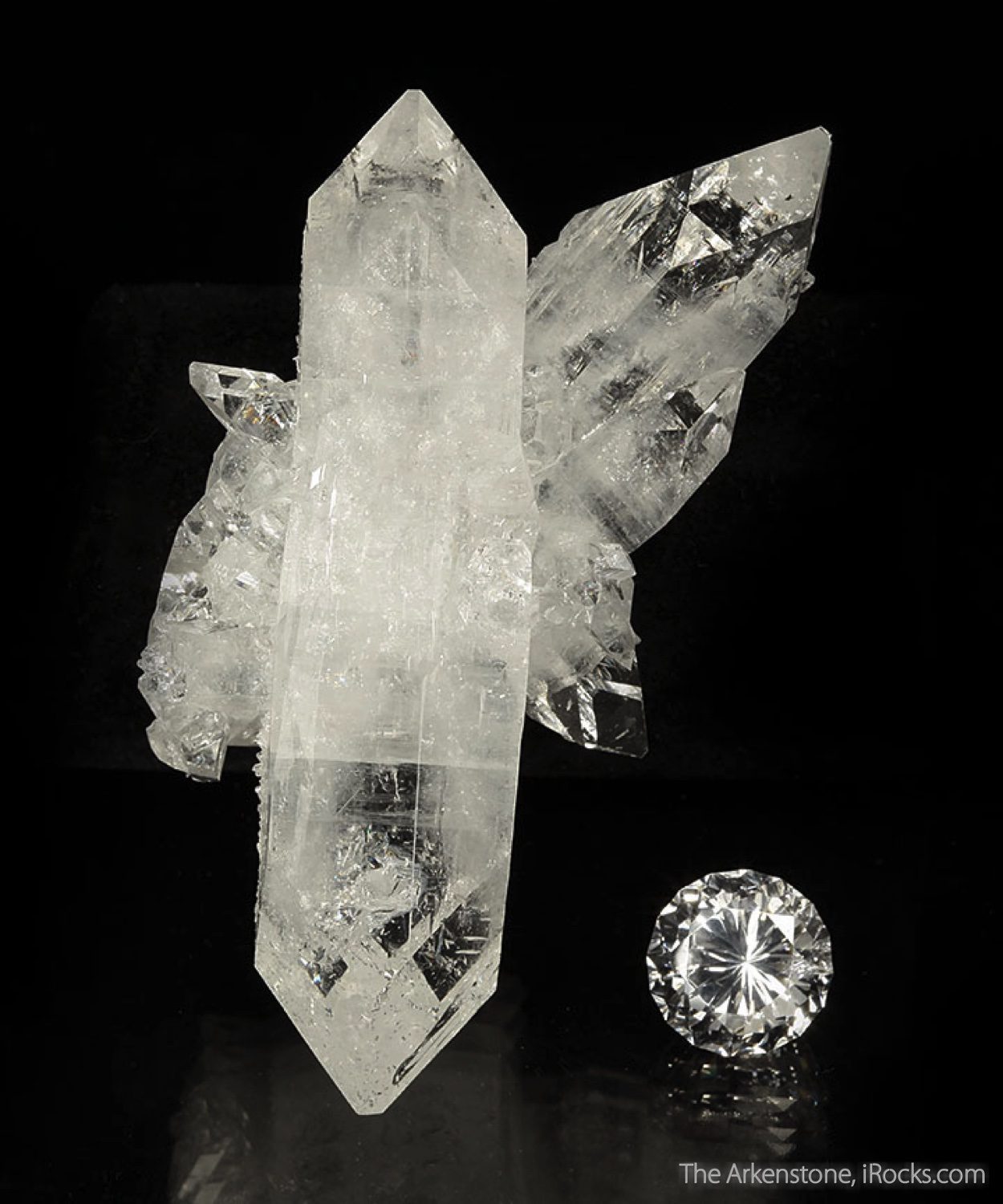
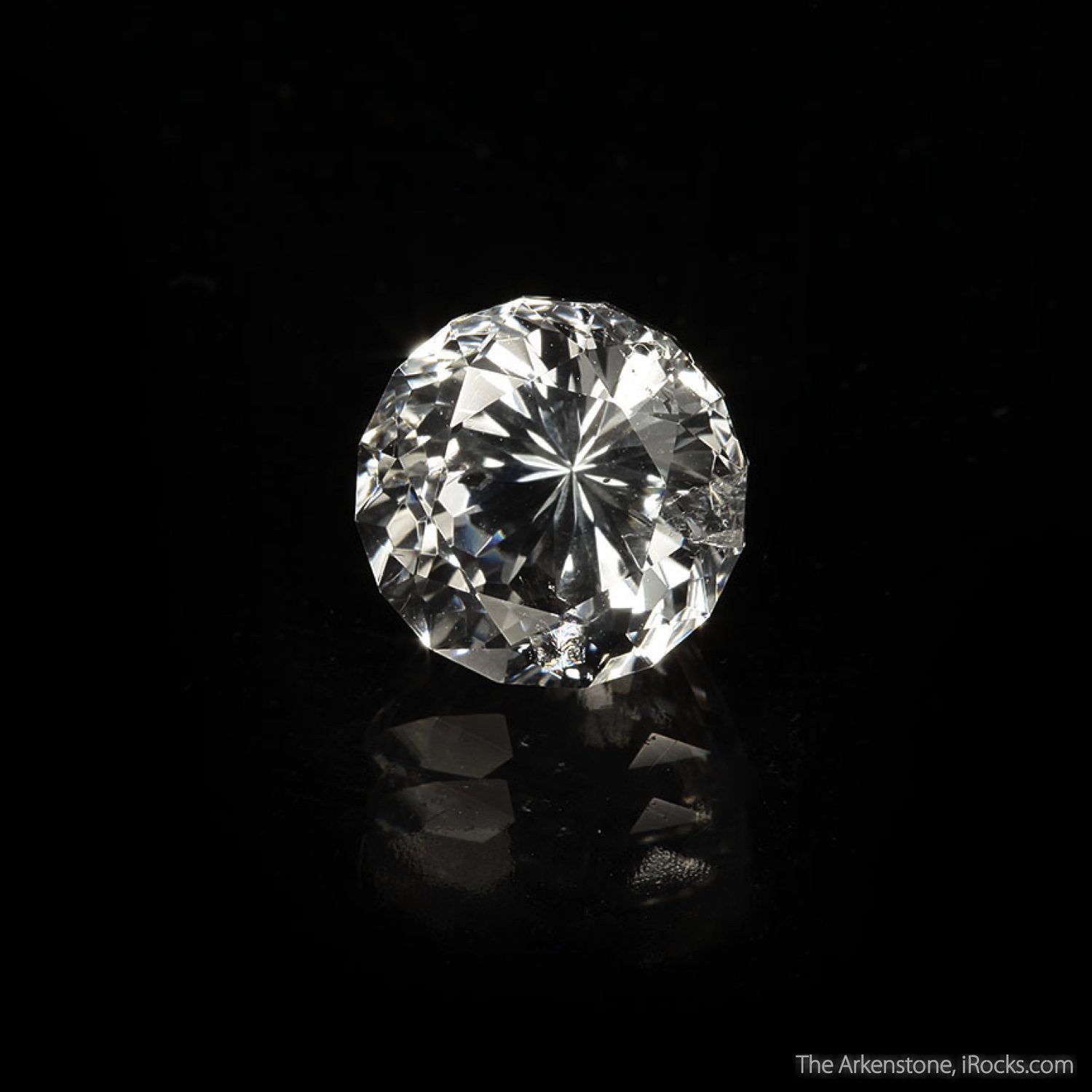
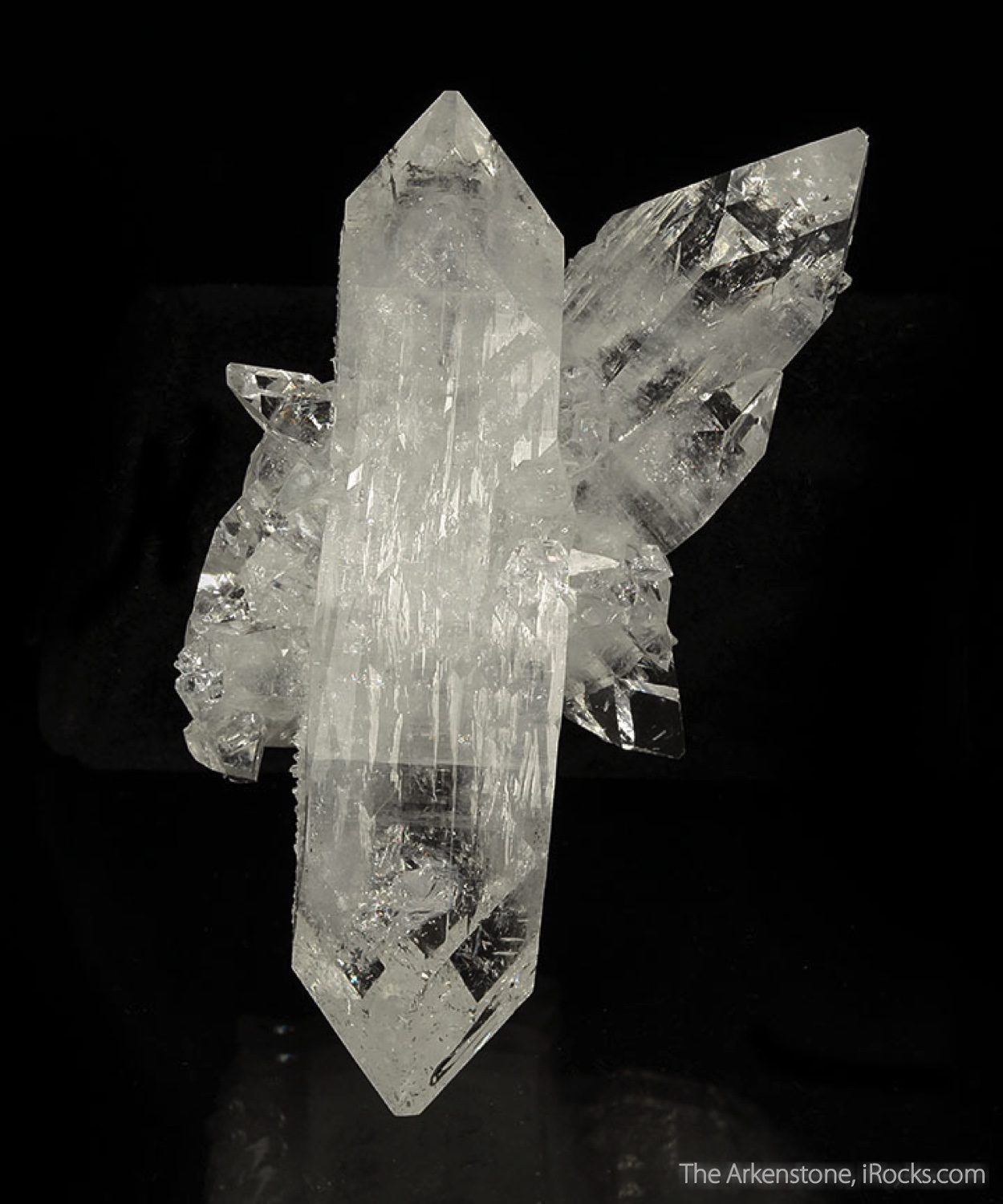
Fluorapophyllite rough and cut set. Crystal specimen: 7.0 x 4.2 x 2.3 cm; Portuguese-cut gem, 8.58 cts. Jalgaon, Maharashtra, India. © Rob Lavinsky, www.iRocks.com. Used with permission.
You're more likely to find apophyllites in mineral collections than jewelry collections. This material is difficult to cut into gemstones. Extremely perfect and easy cleavage make it very fragile and dictate that gem cutters choose an orientation with the table of a faceted stone not perpendicular to the crystal's long axis.
Apophyllite also has great heat sensitivity. The heat from a jeweler's torch may cause these gems to exfoliate. In other words, true to its etymology, apophyllite may lose flakes or "leaves" of material if heated. Setting a faceted stone would be difficult. With a hardness of just 4.5 to 5, any apophyllite jewelry stones would need protective settings. Reserve these gems for occasional wear.
Faceted apophyllites would probably appeal most to a collector of unusual gems or aficionados of the art of gem cutting.
Apophyllite's optic sign may vary. It may be uniaxial positive or negative.
Material from Poona, India shows the following properties:
There are no known synthetic apophyllites.
Apophyllites may receive diamond-like carbon (DLC) and synthetic diamond film coatings. These treatments may improve the gems' wearability and resistance to scratching.
Radiation can turn colorless material green, but heating may reverse this process.
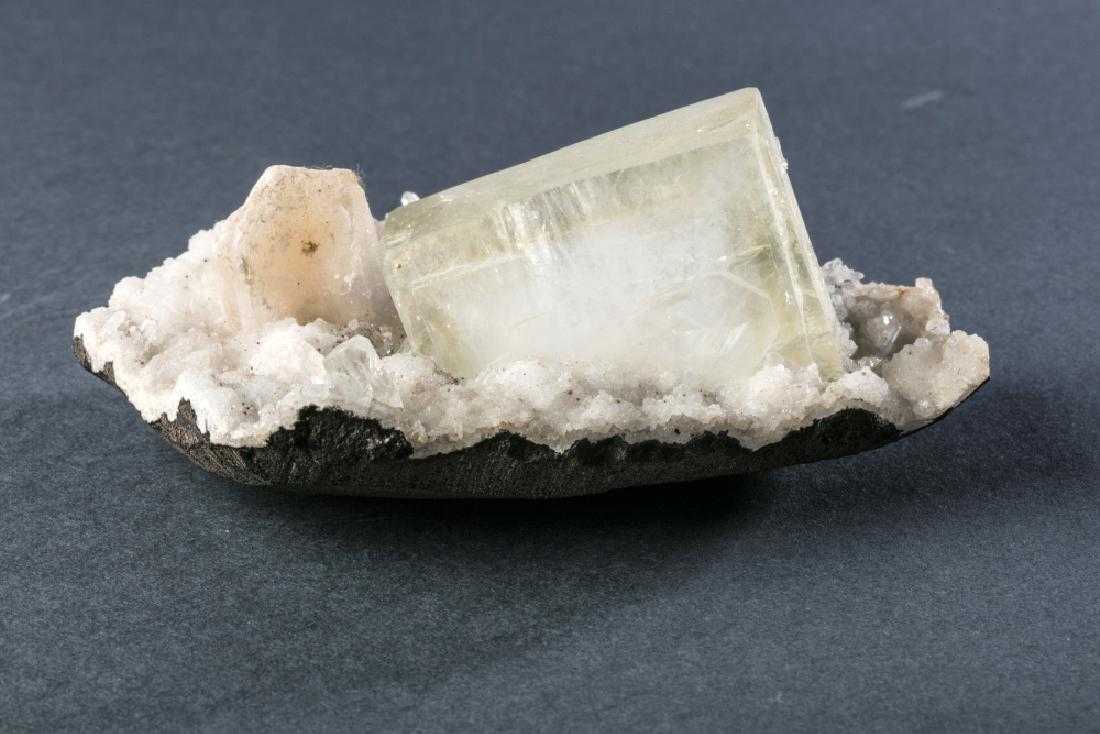
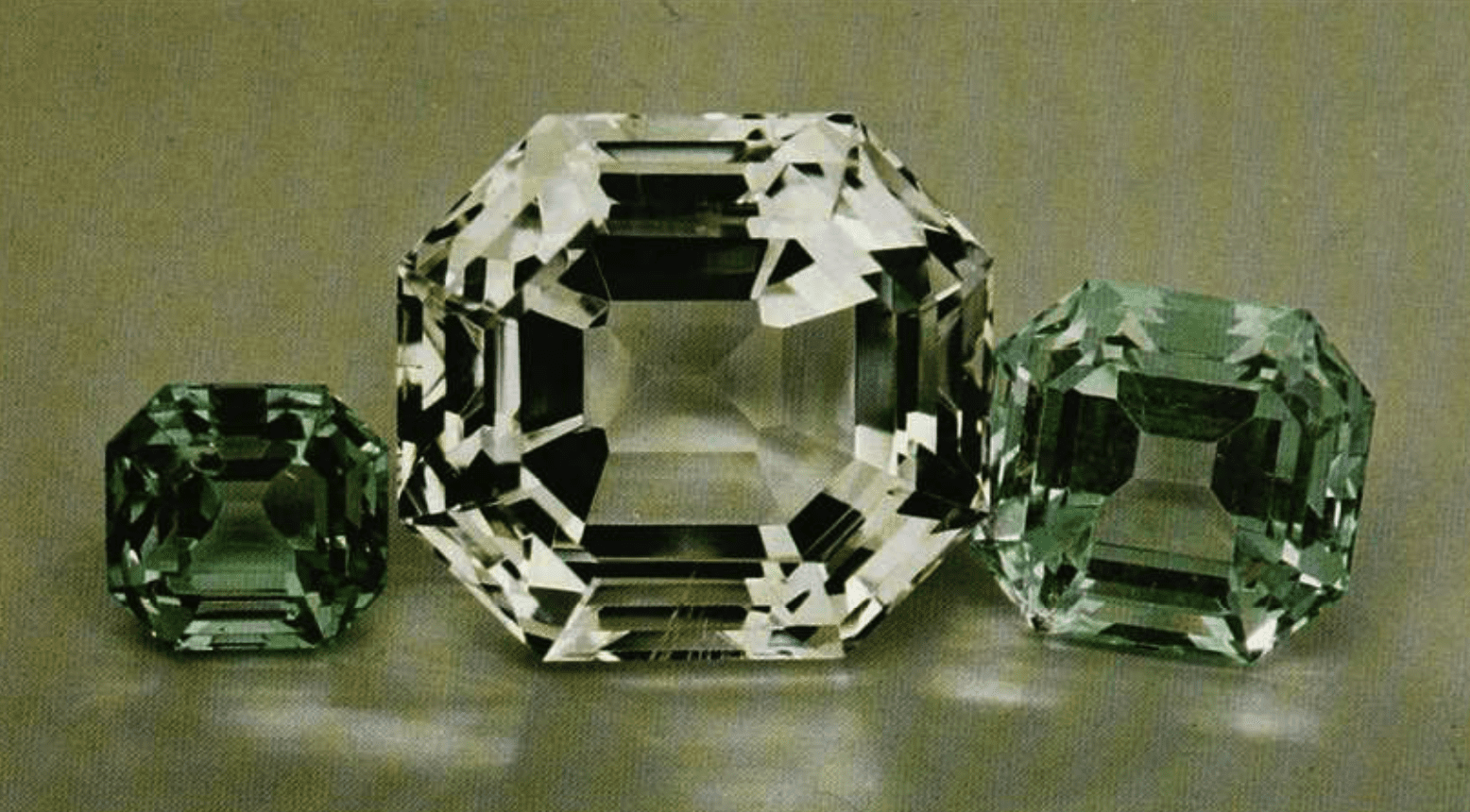
Mumbai (Bombay), Maharashtra, India produces colorless as well as intense, apple-green colored crystals, due to the presence of iron. These iron-rich apophyllites occur in magnificent crystal groups. However, facetable material is usually rare and smaller than the colorless variety. Many other sites in Maharashtra produce apophyllites.
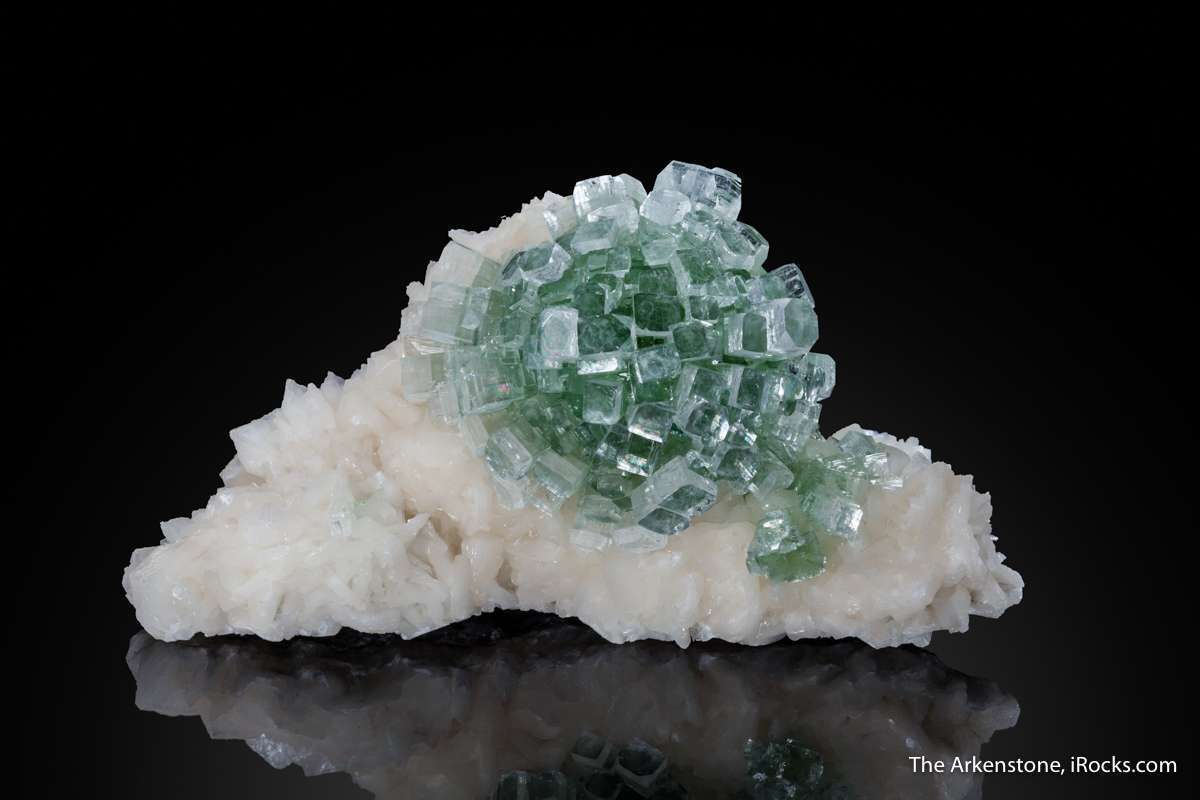
Other notable sources include the following locations:
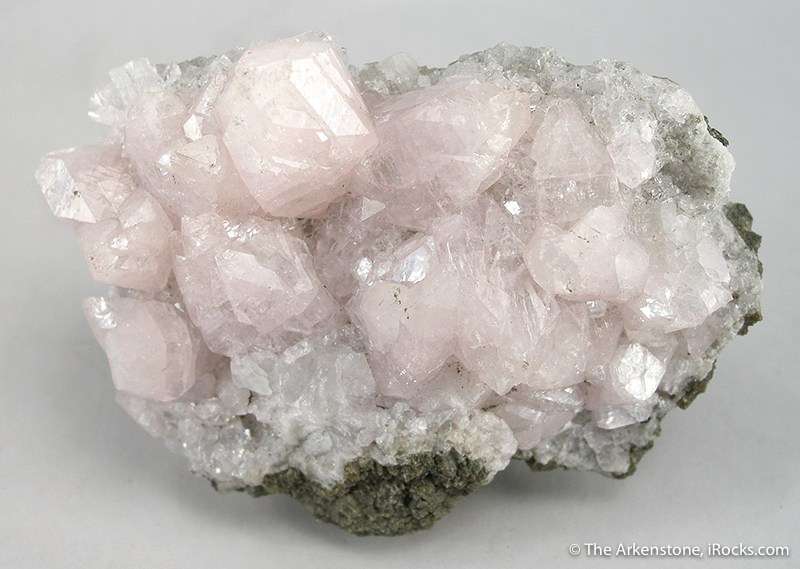
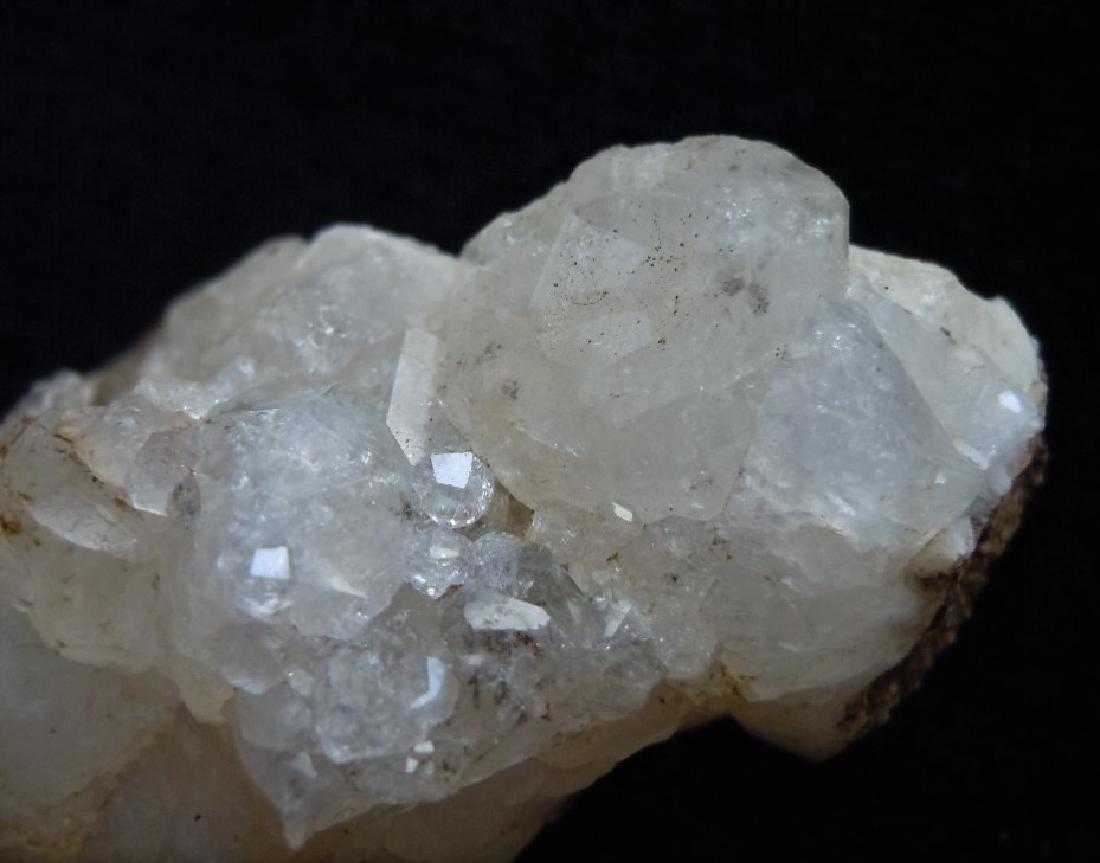
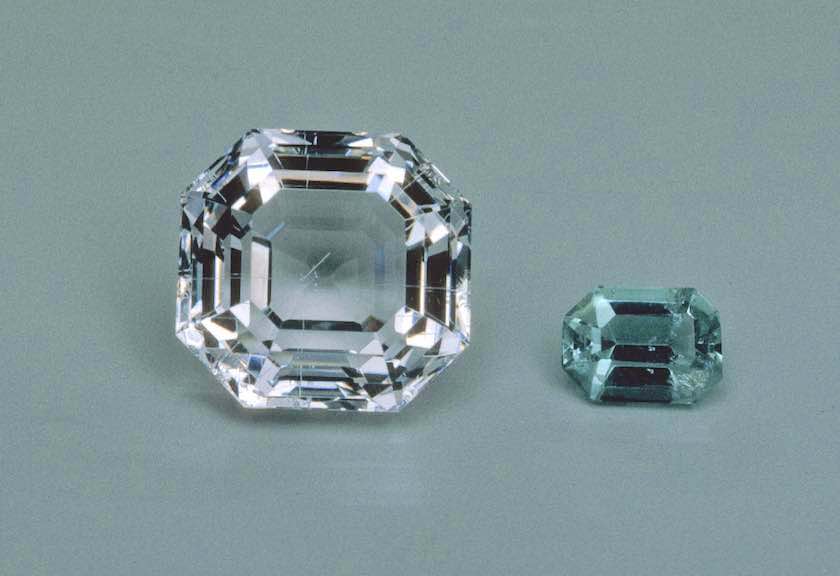
Gem cutters seldom facet apophyllites. Furthermore, facetable rough greater than ten carats in size is very rare. Stones faceted as curiosities are usually colorless. However, custom gem cutters have faceted the green Indian material.
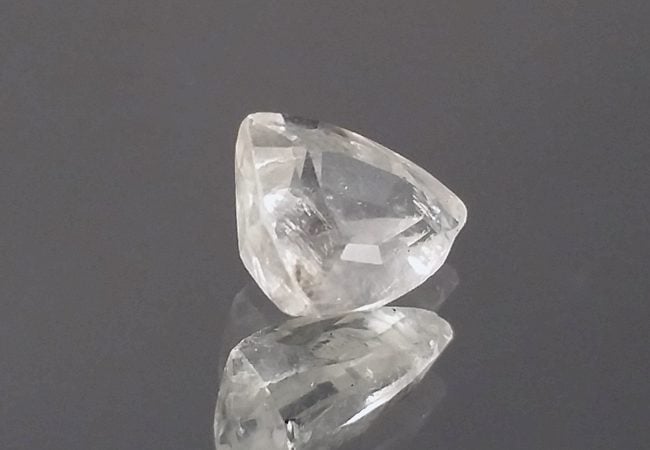
Use a soft brush, mild detergent, and warm water to clean apophyllites. Consult our gemstone jewelry care guide for more recommendations.

When you join the IGS community, you get trusted diamond & gemstone information when you need it.
The gemstones known as apophyllites belong to a solid solution series of minerals that includes fluorapophyllite-(K), fluorapophyllite-(Na), and hydroxyapophyllite-(K). Fluorapophyllite-(K) is the most commonly found type. The rarest, fluorapophyllite-(Na), crystallizes in the orthorhombic system, while the others form in the tetragonal system.
Fluorapophyllite rough and cut set. Crystal specimen: 7.0 x 4.2 x 2.3 cm; Portuguese-cut gem, 8.58 cts. Jalgaon, Maharashtra, India. © Rob Lavinsky, www.iRocks.com. Used with permission.
You're more likely to find apophyllites in mineral collections than jewelry collections. This material is difficult to cut into gemstones. Extremely perfect and easy cleavage make it very fragile and dictate that gem cutters choose an orientation with the table of a faceted stone not perpendicular to the crystal's long axis.
Apophyllite also has great heat sensitivity. The heat from a jeweler's torch may cause these gems to exfoliate. In other words, true to its etymology, apophyllite may lose flakes or "leaves" of material if heated. Setting a faceted stone would be difficult. With a hardness of just 4.5 to 5, any apophyllite jewelry stones would need protective settings. Reserve these gems for occasional wear.
Faceted apophyllites would probably appeal most to a collector of unusual gems or aficionados of the art of gem cutting.
Apophyllite's optic sign may vary. It may be uniaxial positive or negative.
Material from Poona, India shows the following properties:
There are no known synthetic apophyllites.
Apophyllites may receive diamond-like carbon (DLC) and synthetic diamond film coatings. These treatments may improve the gems' wearability and resistance to scratching.
Mumbai (Bombay), Maharashtra, India produces colorless as well as intense, apple-green colored crystals, due to the presence of iron. These iron-rich apophyllites occur in magnificent crystal groups. However, facetable material is usually rare and smaller than the colorless variety. Many other sites in Maharashtra produce apophyllites.
Other notable sources include the following locations:
Gem cutters seldom facet apophyllites. Furthermore, facetable rough greater than ten carats in size is very rare. Stones faceted as curiosities are usually colorless. However, custom gem cutters have faceted the green Indian material.
Use a soft brush, mild detergent, and warm water to clean apophyllites. Consult our gemstone jewelry care guide for more recommendations.


Although not suitable for jewelry, apophyllite is a popular collector’s piece. Perhaps the whitest of all gems, some cut specimens are so devoid of color they can appear almost silvery. This stone is not rare, but facetable material is quite scarce.