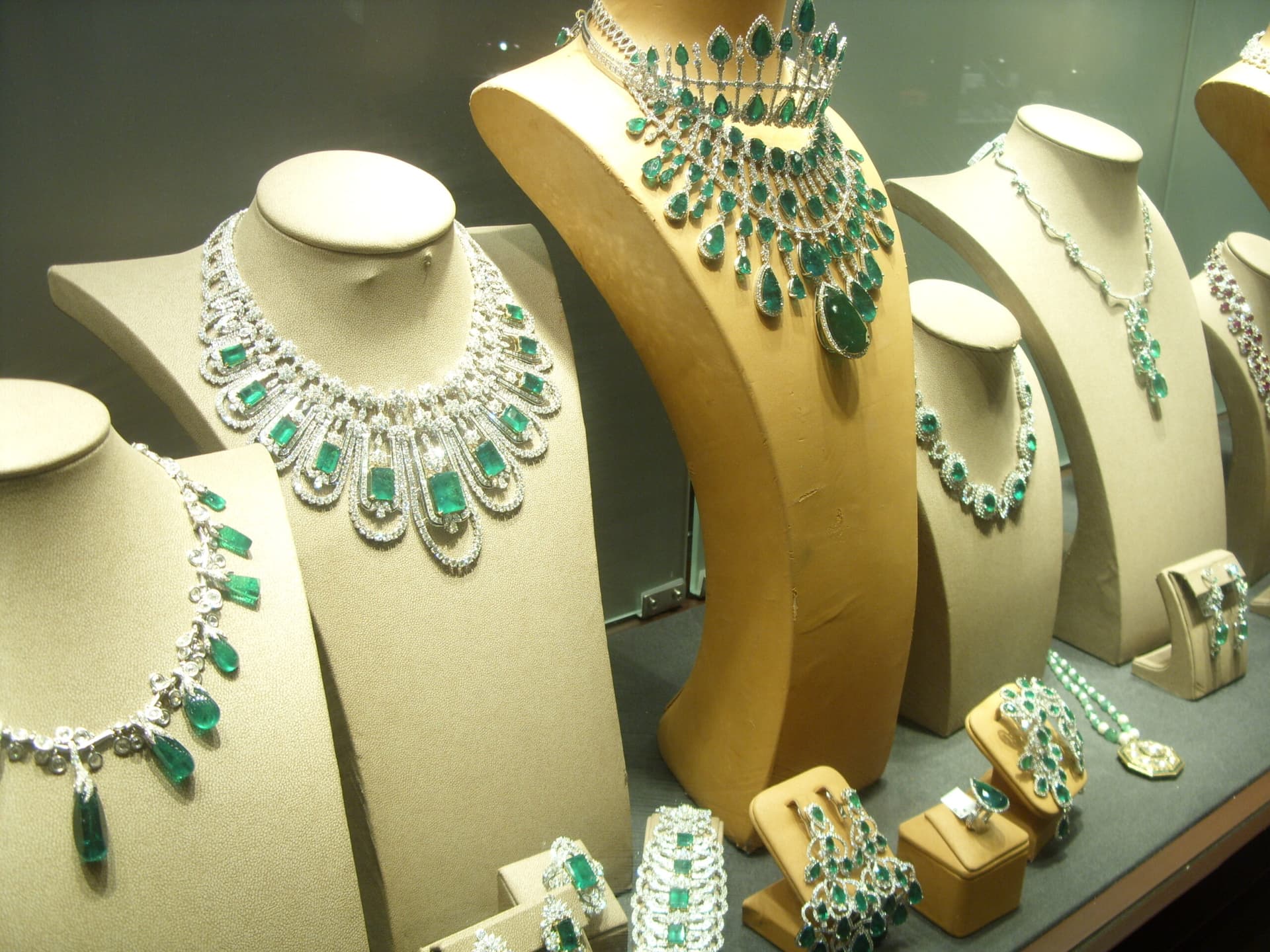
Gemologists can separate natural emeralds from emerald simulants and synthetics. Learn about the most common tools and techniques for this.
29 Minute Read
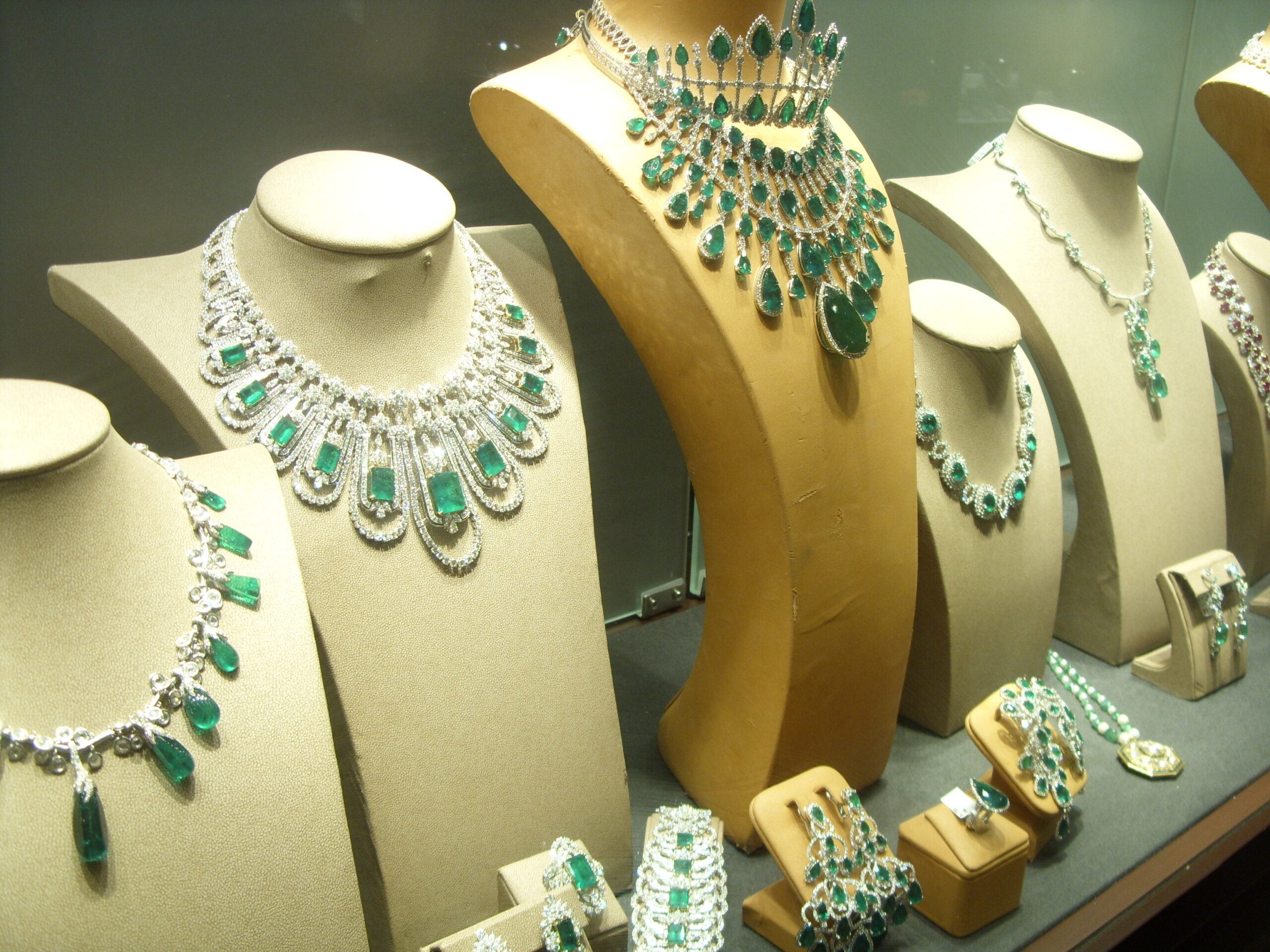
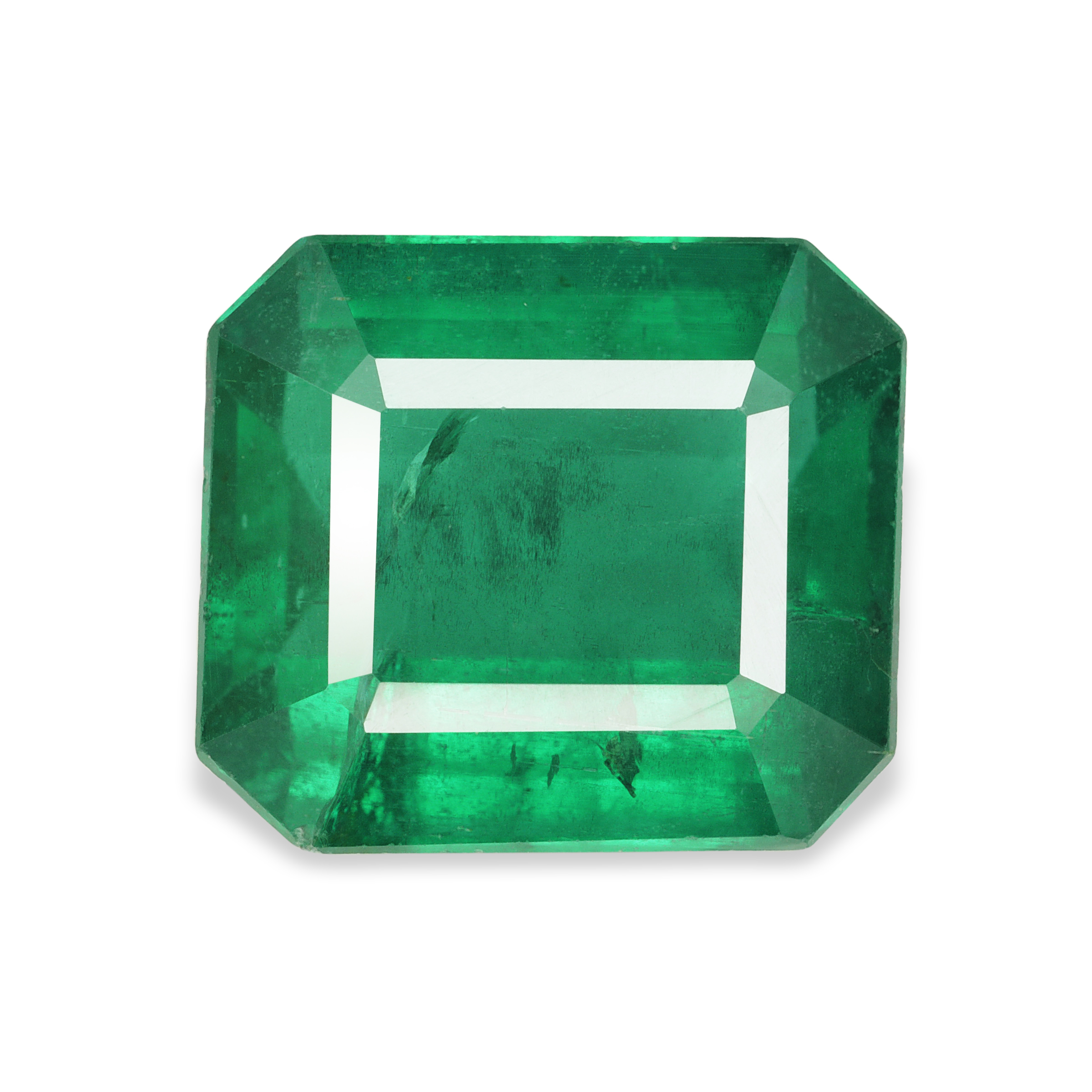
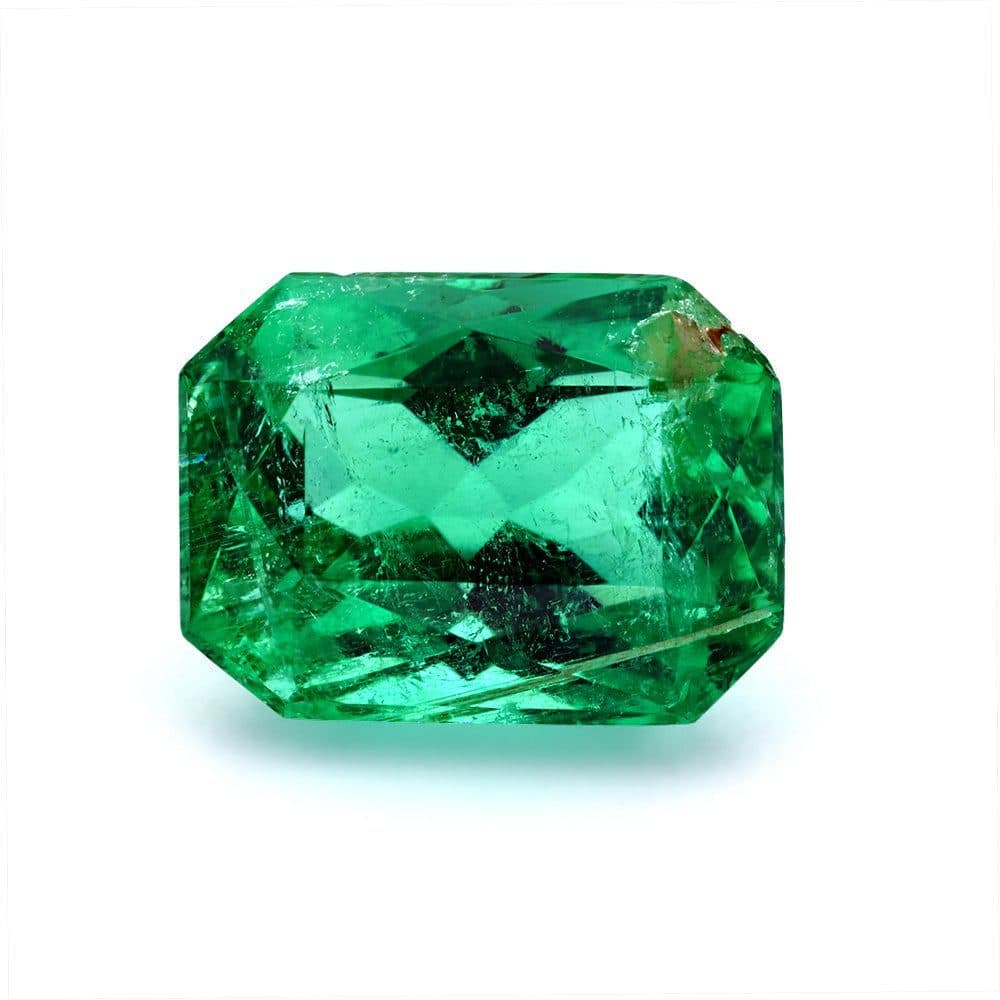
Gemologically speaking, if vanadium is the only or predominant coloring element, the stone should be referred to as “green beryl.” However, there was a long-running disagreement over this, stemming from the discovery of green beryls colored by vanadium in Brazil. (Hanni, 1992; Ward, 2001) Following years of lobbying and discussion, these stones finally received official recognition in 1963, when the GIA issued reports identifying them as “natural emerald.” (Ward, 2001) Purists may still dispute this identification,
…


When you join the IGS community, you get trusted diamond & gemstone information when you need it.
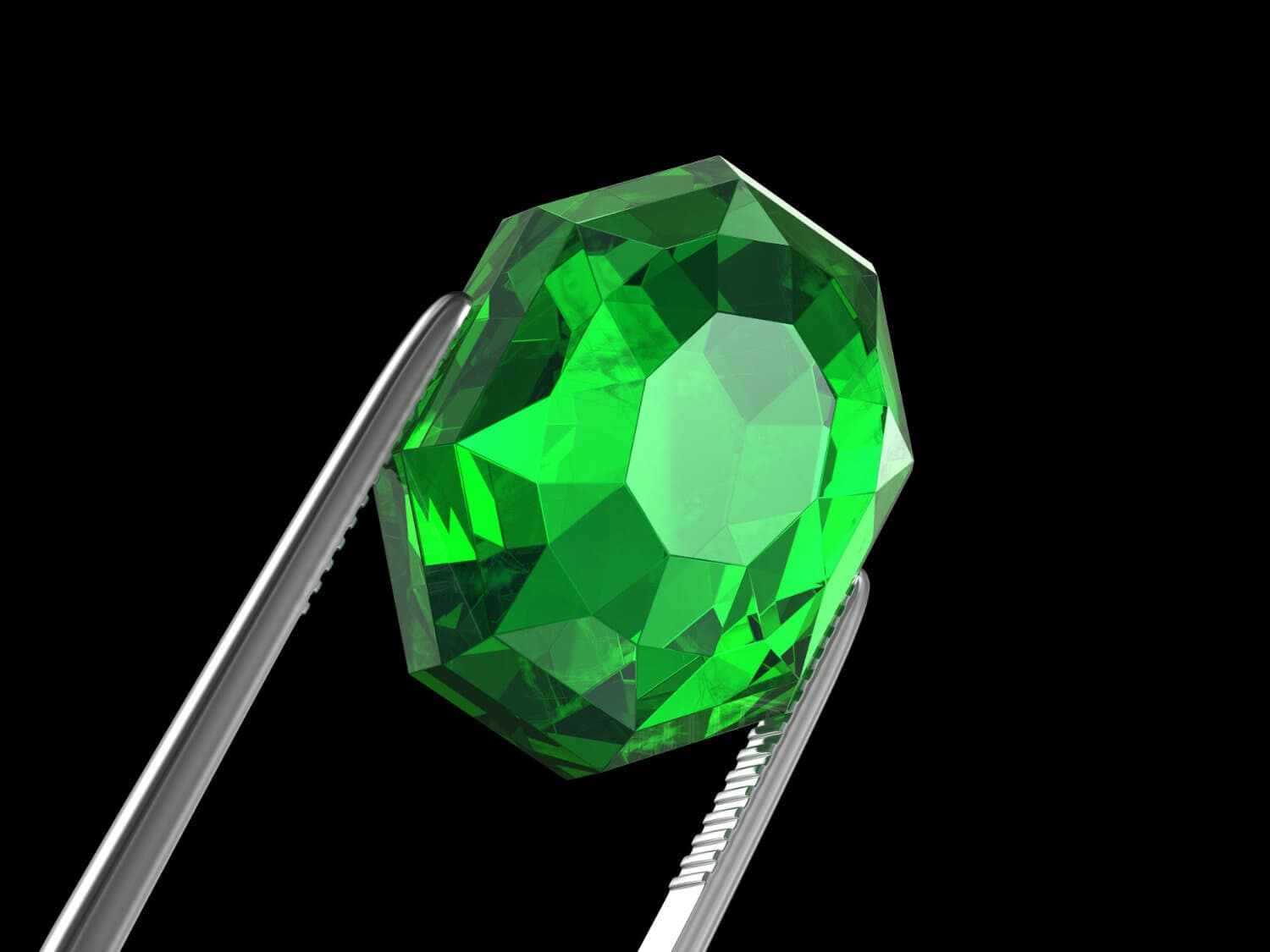
Gemologically speaking, if vanadium is the only or predominant coloring element, the stone should be referred to as “green beryl.” However, there was a long-running disagreement over this, stemming from the discovery of green beryls colored by vanadium in Brazil. (Hanni, 1992; Ward, 2001) Following years of lobbying and discussion, these stones finally received official recognition in 1963, when the GIA issued reports identifying them as “natural emerald.” (Ward, 2001) Purists may still dispute this identification,

Gemologists can separate natural emeralds from emerald simulants and synthetics. Learn about the most common tools and techniques for this.

“I have never known or heard of an organization that offers so much for its members, and at such a low cost.”
— Ernest Roisch, Rainbow Rocks LTD
That's less than $0.01 per article. Get instant access to 1,700+ premium articles, courses, and gem pricing data.