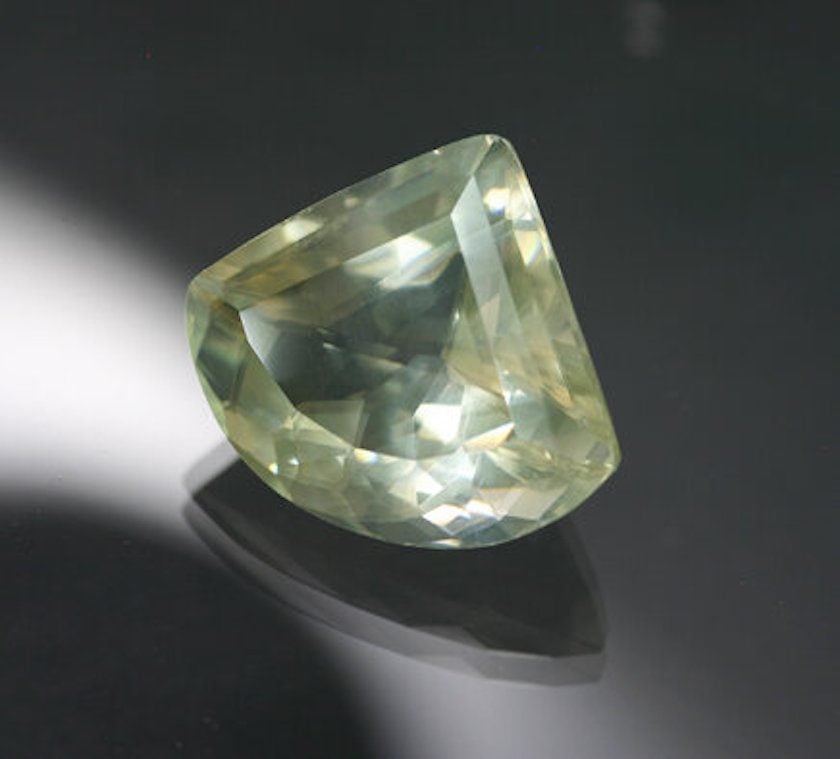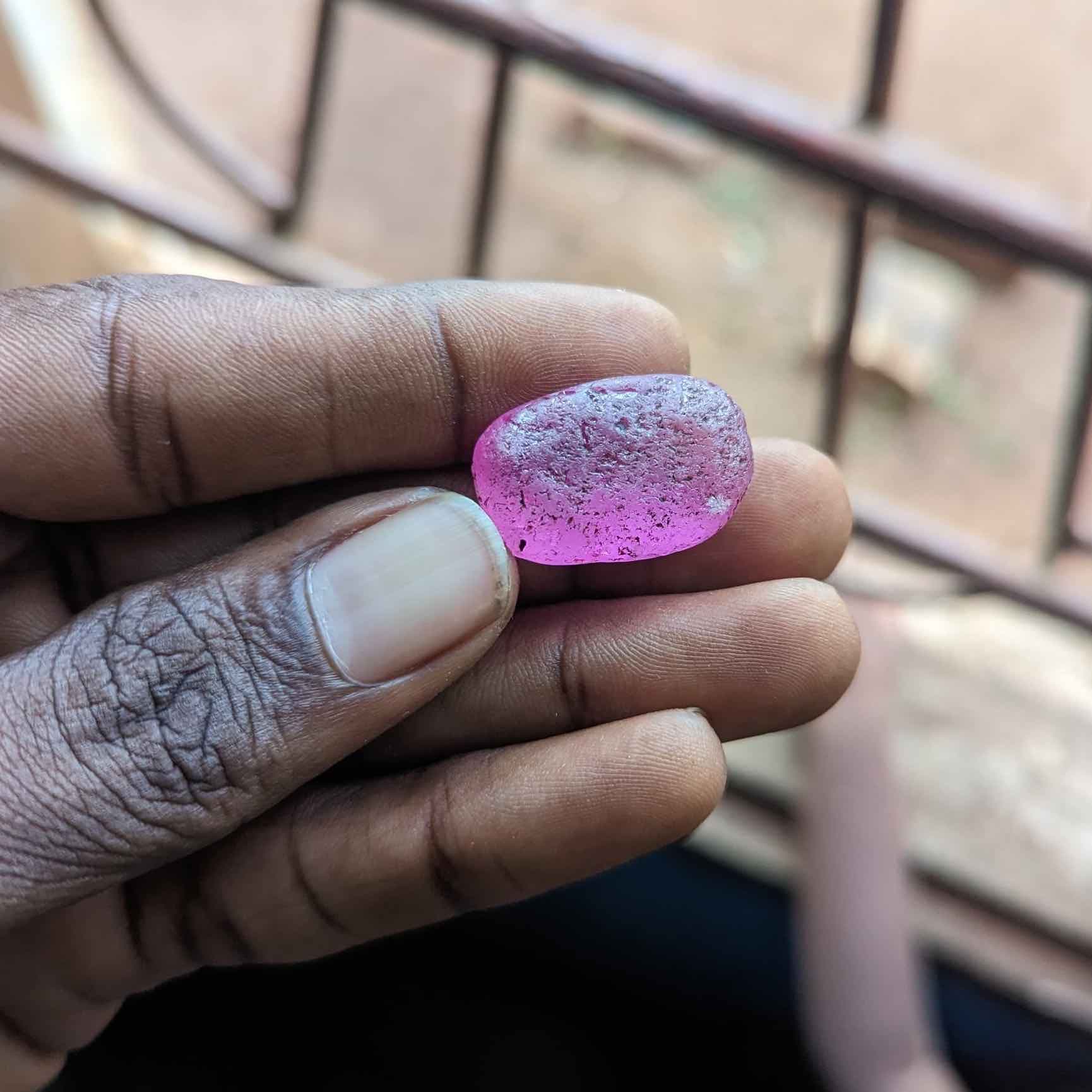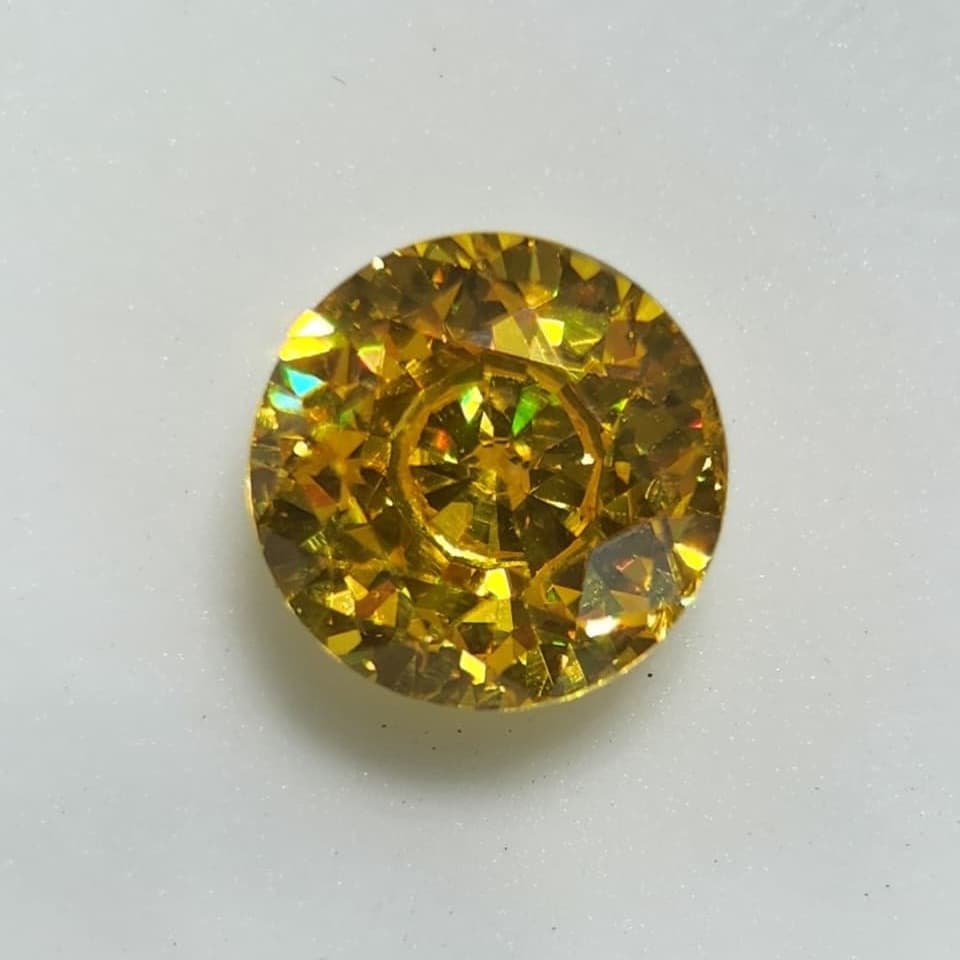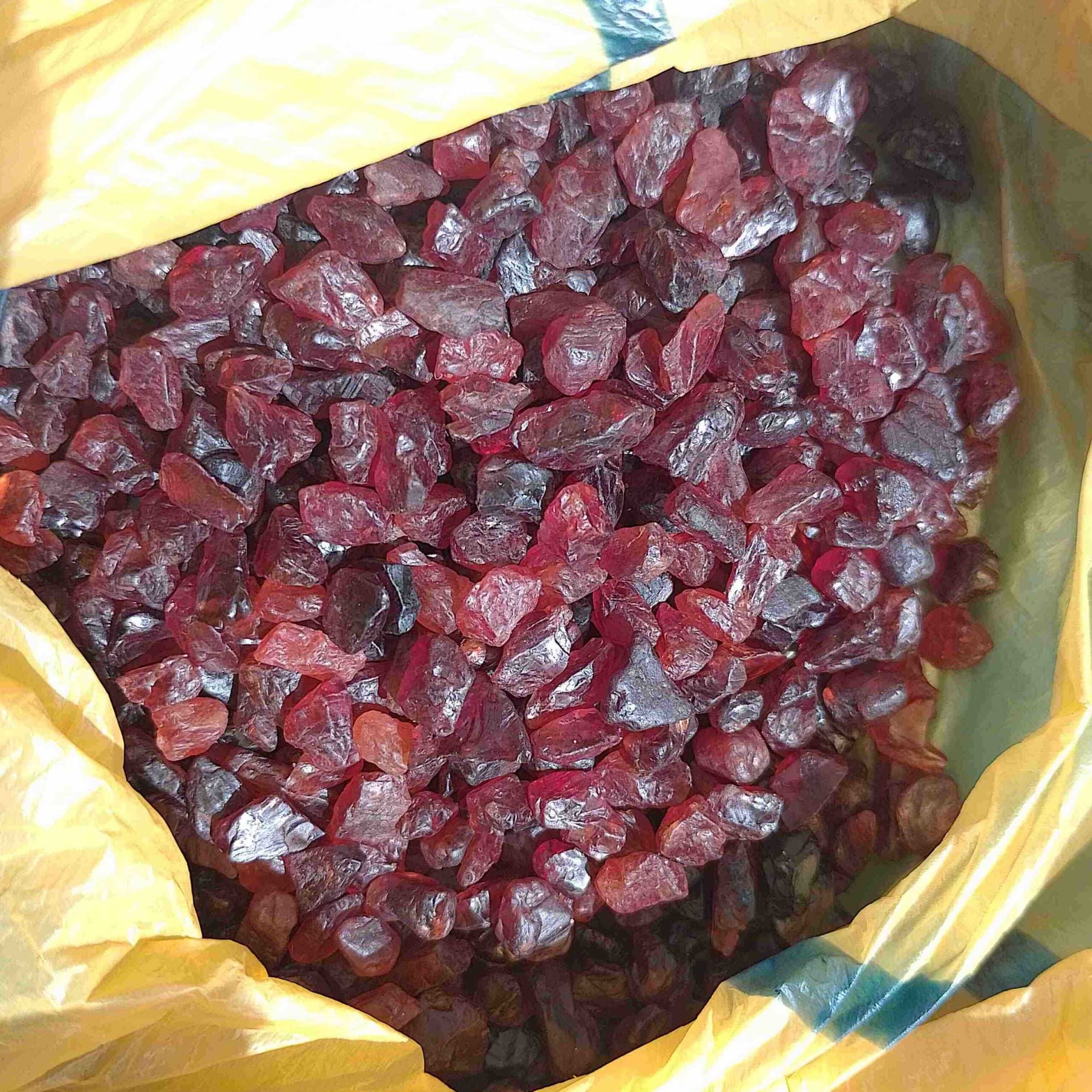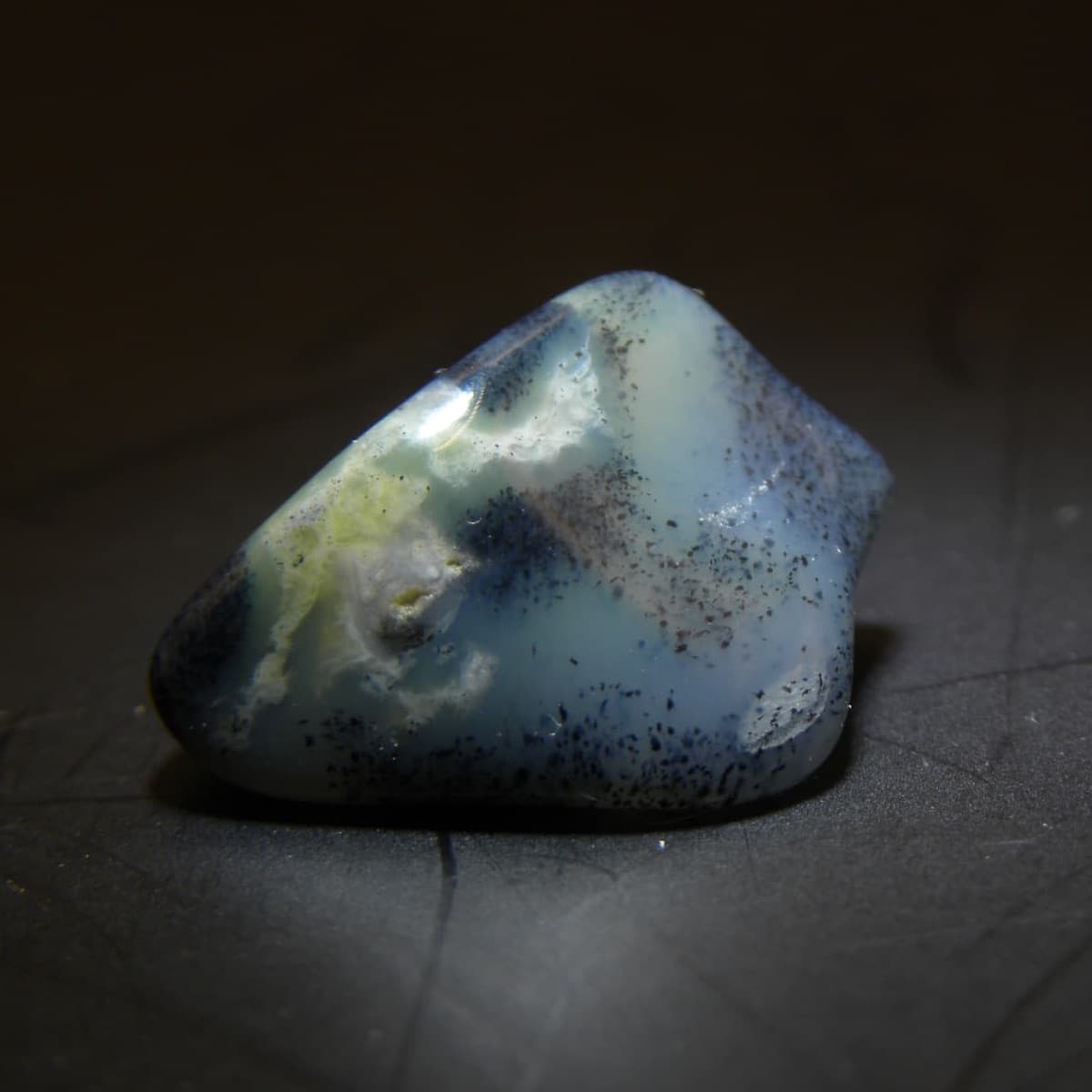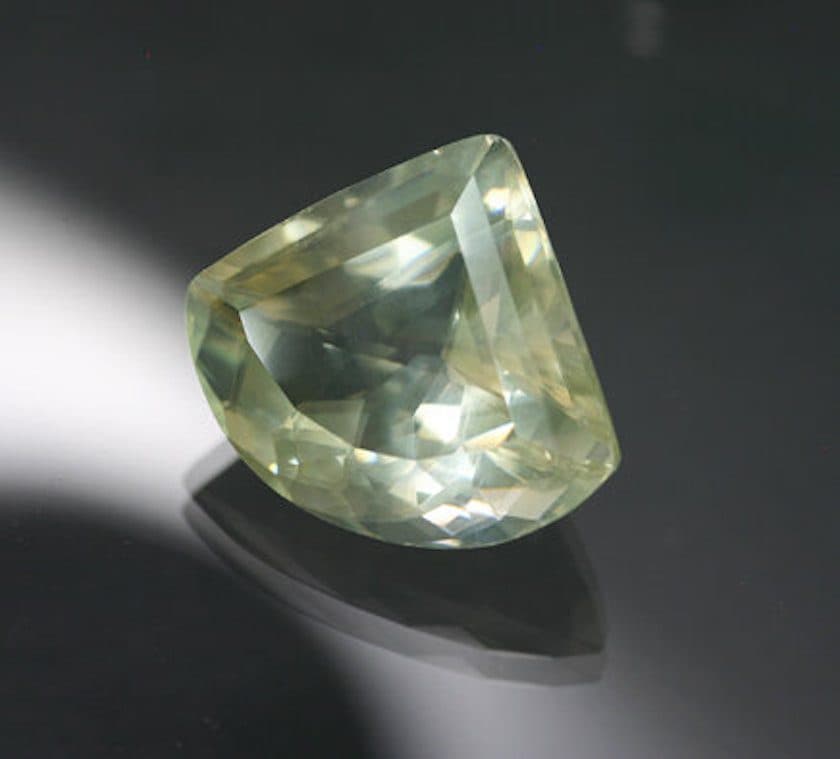
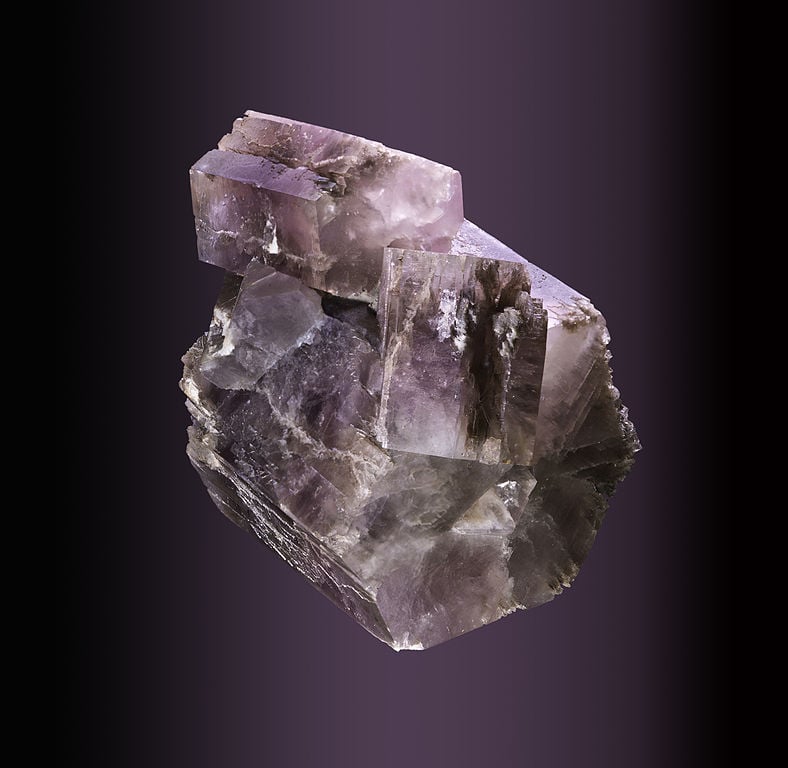
Aragonite is more commonly found as a constituent of pearl and shell nacre than as a crystal suitable for gem cutting. Too soft for most jewelry use, a faceted aragonite would be a true collector's item.
1 Minute Read
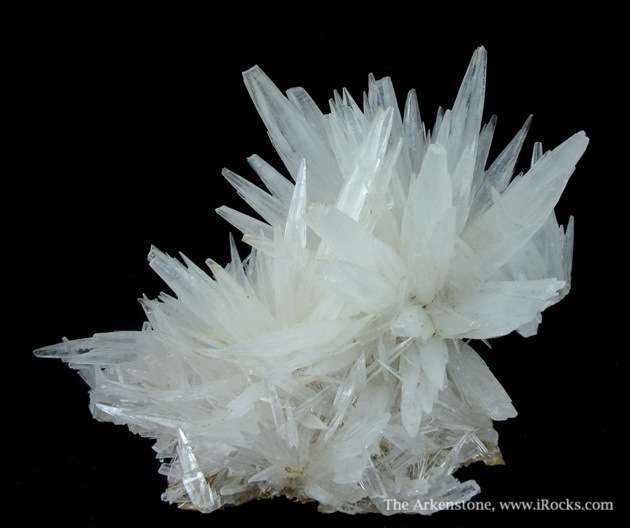
Aragonite and calcite are dimorphous or polymorphs. They share the same chemistry but have different crystal habits. While calcite is the most abundant and widespread carbonate mineral on Earth, aragonite is less so. Facetable aragonites are almost always very small, as opposed to calcites, which occur in huge, transparent masses or crystals. (Like calcites, aragonites have a high birefringence and will also show facet doubling).
Be aware that some people describe ammolite as aragonite. However, this mineral only constitutes a part (albeit major) of this fossilized shell gem material.
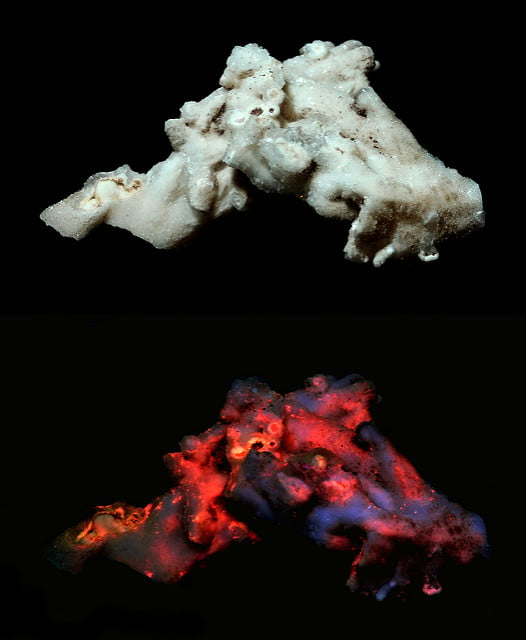
Heating to 400° C will convert aragonite into calcite. This occurs naturally over millions of years, but no commercial incentive exists to do this in a lab.
Notable gem sources include:
Faceted gems are usually only a few carats and colorless, but the potential exists for much larger stones. The largest known cut specimen hails from Bilin, Czech Republic: a straw-yellow emerald-cut gem that weighs 110 carats.
Straw-yellow crystals from Horschenz, Germany have yielded stones up to 10 carats.
The Devonian Group in Calgary, Alberta, Canada holds a 7.85-ct stone from Germany.
Aragonite's hardness is too low for this stone to be worn safely in jewelry. Avoid mechanical cleaning such as steam or ultrasonic processes. Instead, use a soft brush, mild detergent, and warm water for cleaning. Store your aragonites separately from other stones to avoid contact scratches. Consult our gemstone jewelry cleaning guide for more recommendations.
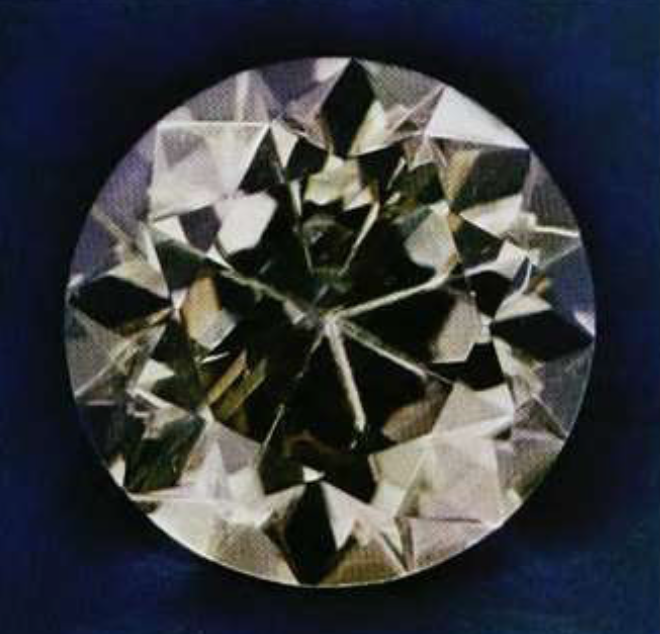
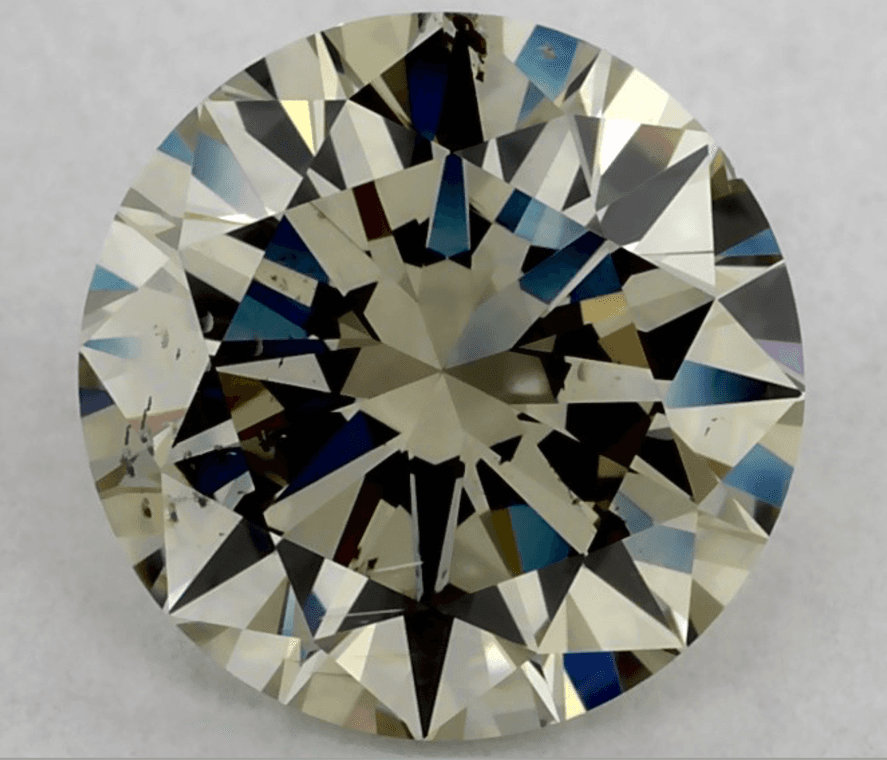

When you join the IGS community, you get trusted diamond & gemstone information when you need it.
Aragonite and calcite are dimorphous or polymorphs. They share the same chemistry but have different crystal habits. While calcite is the most abundant and widespread carbonate mineral on Earth, aragonite is less so. Facetable aragonites are almost always very small, as opposed to calcites, which occur in huge, transparent masses or crystals. (Like calcites, aragonites have a high birefringence and will also show facet doubling).
Be aware that some people describe ammolite as aragonite. However, this mineral only constitutes a part (albeit major) of this fossilized shell gem material.
Heating to 400° C will convert aragonite into calcite. This occurs naturally over millions of years, but no commercial incentive exists to do this in a lab.
Notable gem sources include:
Faceted gems are usually only a few carats and colorless, but the potential exists for much larger stones. The largest known cut specimen hails from Bilin, Czech Republic: a straw-yellow emerald-cut gem that weighs 110 carats.
Straw-yellow crystals from Horschenz, Germany have yielded stones up to 10 carats.
The Devonian Group in Calgary, Alberta, Canada holds a 7.85-ct stone from Germany.
Aragonite's hardness is too low for this stone to be worn safely in jewelry. Avoid mechanical cleaning such as steam or ultrasonic processes. Instead, use a soft brush, mild detergent, and warm water for cleaning. Store your aragonites separately from other stones to avoid contact scratches. Consult our gemstone jewelry cleaning guide for more recommendations.


Aragonite is more commonly found as a constituent of pearl and shell nacre than as a crystal suitable for gem cutting. Too soft for most jewelry use, a faceted aragonite would be a true collector’s item.