7 Minute Read
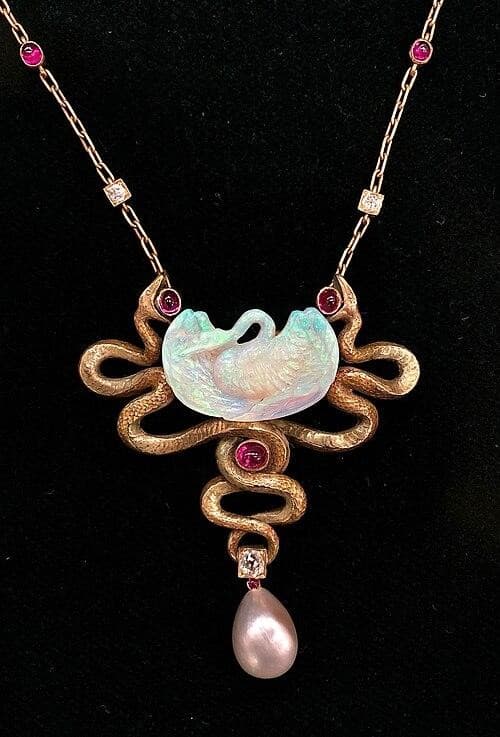
Opal is a gem with an infinite number of faces. Every aspect of their appearance has a multitude of potential manifestations. The bodycolor, transparency, and play-of-color of every high-quality stone is unique, while commercial-quality opal has less variation. With so many value characteristics at play, the worth of each and every gem must be tailored to the stone in question. According to the GIA, the process of evaluating an opal entails looking at five separate traits: type, play-of-color, transparency, clarity, and cut.

Unlike many other gemstones whose color can be expressed with just a word or two, the color of opals requires additional explanation. If, for example, someone describes an opal as being red, you don't automatically know if they referring to the bodycolor of the stone or the phenomenal play-of-color expression. Thus, bodycolor and play-of-color are separated into their own categories and described independently from each other.
Background color, also described as bodycolor, refers to the dominant hue(s) of the base stone aside from any phenomenal effect. Professionals sort opals into six categories based on background color. It is important to note that opals are found in only a few places, and deposits only have one or two types present.


Play-of-color is the phenomenal effect exhibited by opals. It describes the flashes of pure spectral color that appear and disappear as the stone moves, and the brighter the better. The play-of-color in individual stones may be a single hue or a dynamic rainbow of many different colors. Typically, flashes of red, yellow, and orange fetch the highest prices while gems that show violet, blue, and green colors are more affordable.
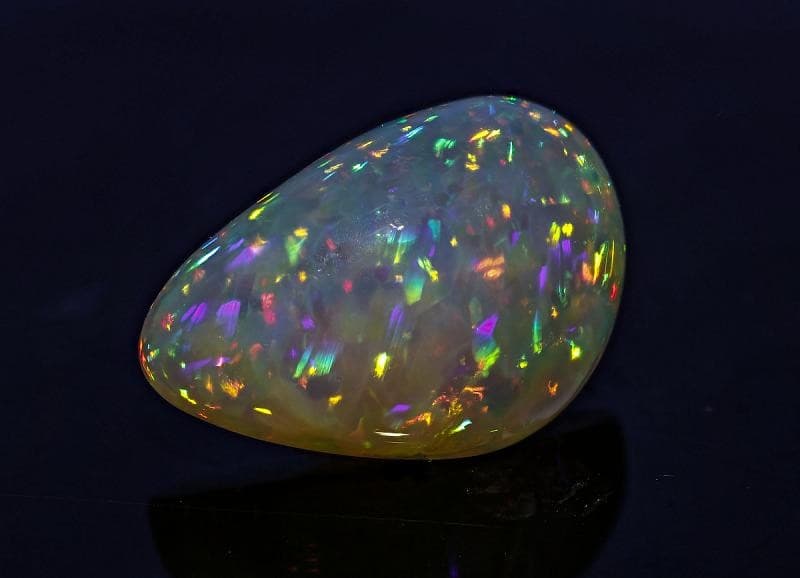
There are two variables associated with play-of-color that contribute to value: the ratio of play-of-color to background color and the quality of the effect. The general rule is that the more play-of-color that shows the full spectrum of hues, the higher the value of the opal. The best opals will show play-of-color with multiple hues when viewed from any direction.
The pattern of play-of-color expression also impacts value, and buyers prize gems whose phenomenal effects are well balanced across the stone. There are four general categories of play-of-color patterns: pinfire, flash, harlequin, and peacock. The pinfire pattern looks like many tiny spots of color grouped closely together. Alternatively, the flash pattern is characterized by large areas of play-of-color that light up as one unit. The rarest pattern is the harlequin arrangement. It has large patches of color, often of a roughly rectangular shape with well-defined borders, that fit against each other like puzzle pieces. The peacock pattern describes play-of-color that exhibits only blue and green hues.

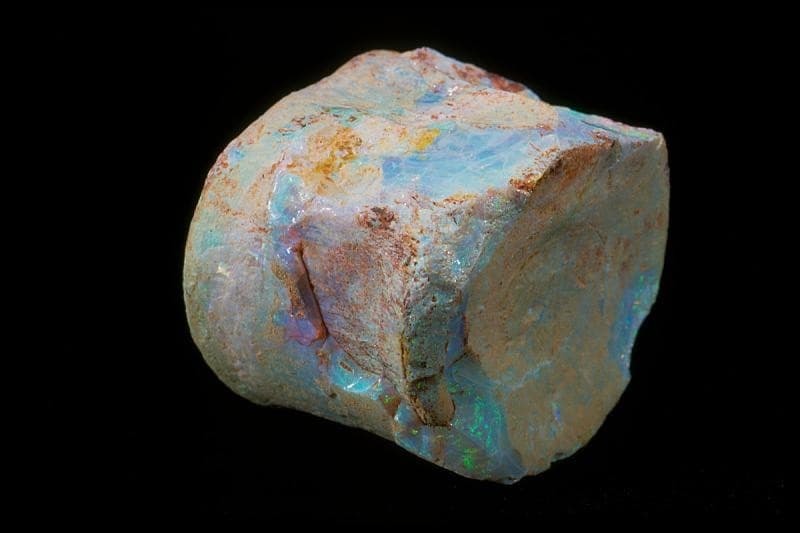
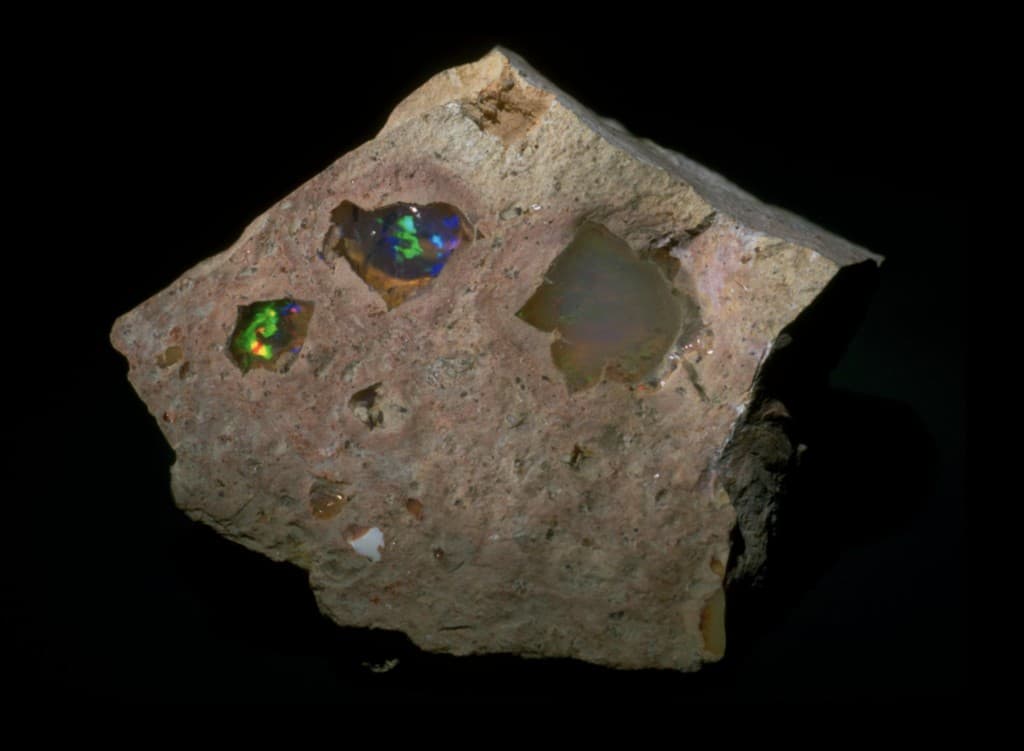
Play-of-color is most noticeable in high-quality black opal due to the contrast of the dark bodycolor and the bright spectral flashes. White opal and crystal opal can also show exceptional displays of play-of-color. The contrast of dancing play-of-color against solid matrixing makes boulder opal a particularly dynamic gem. Since cutters are not bound to isolate pure opal (which might be isolated in very small pockets), they cut to maximize the visual effect. The value of water opals is lower than other types because they show minimal, or even a complete lack, of play-of-color.
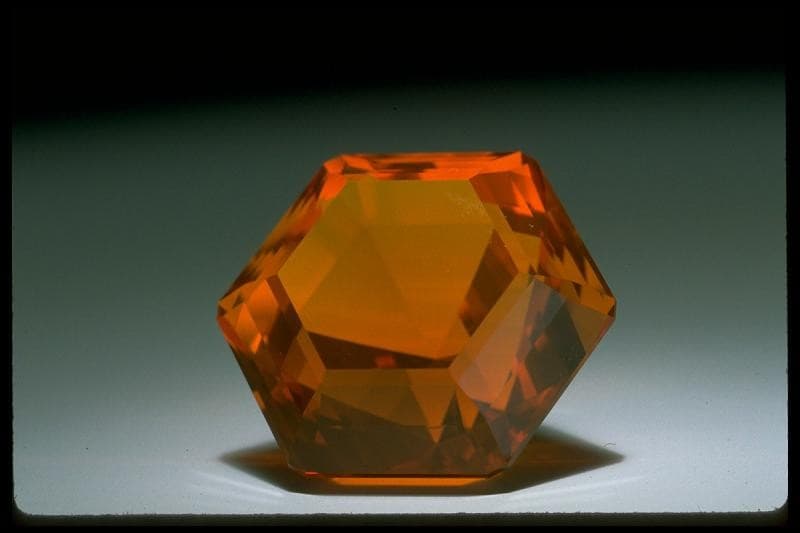
Fire opals valued for the quality of their bodycolor are the exception to the rule. The presence of play-of-color can be a bonus, but is not required for gems to be considered fine-quality.
The clarity range for opals spans from entirely transparent to fully opaque. In the end, the most valuable clarity for any type is what enhances the appearance of play-of-color expression best. What looks most beautiful contrasted against one color may not be as attractive against a different background.
Opaque clarity for black opals highlights the stark play-of-color effect. Similarly, opaque or semi-translucent clarity looks best when it comes to white opal. The best crystal opal is transparent with play-of-color sparkling from inside the gem, while water opals are markedly more cloudy. Only boulder opals should have any opaque host rock visible. Fire opals can be transparent to translucent, but a combination of bright bodycolor with high transparency is valued the highest.
Opals are made of tiny silica beads that are loosely packed together. This unique structure is quite porous and can trap large amounts of water - some gems are up to 20% liquid. Unfortunately, the water can also evaporate out of the gem, leading to the formation of a network of internal cracks. This clarity feature is called "crazing", and it is something that you want to avoid. In addition to being unattractive, their presence means that the structural integrity stone is compromised.
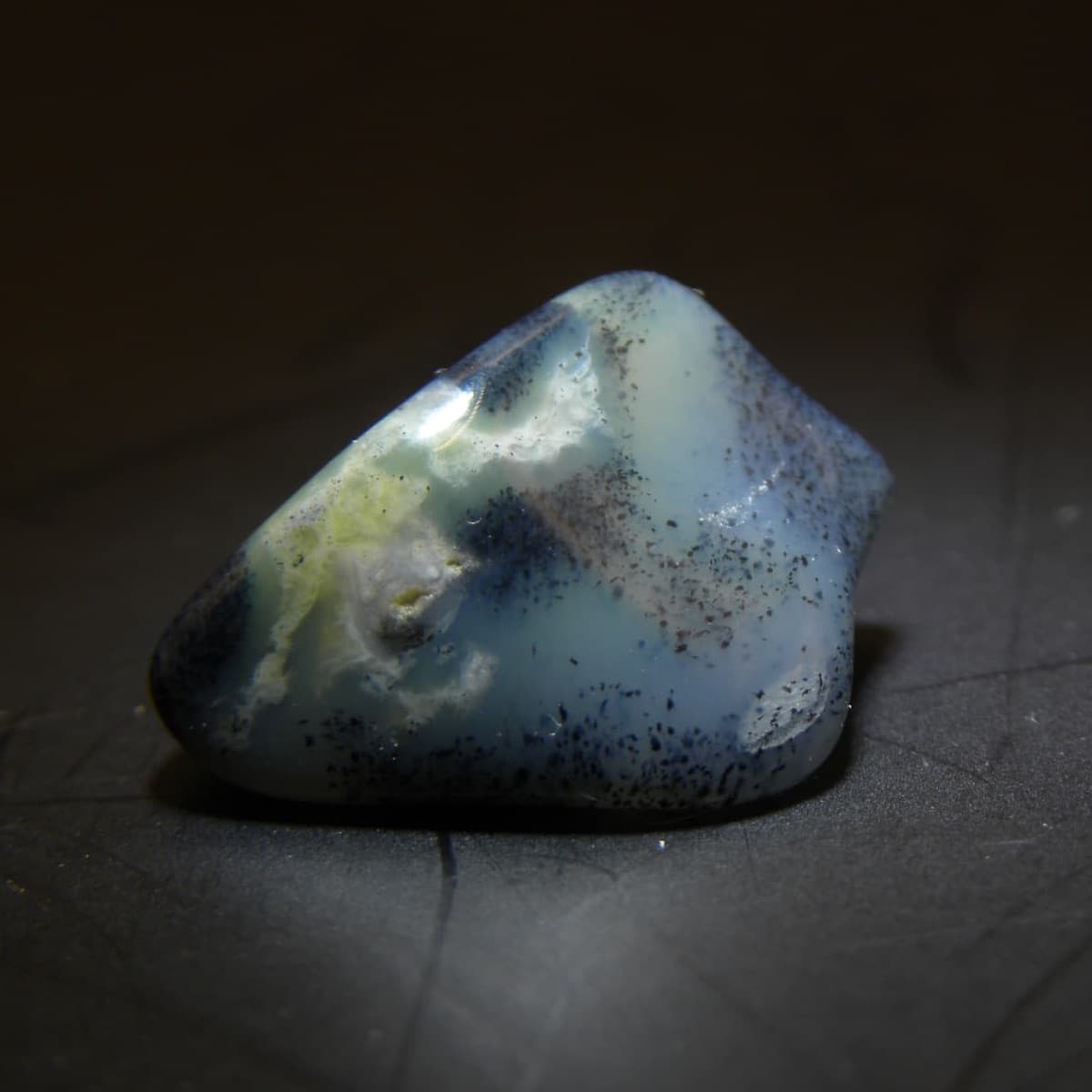
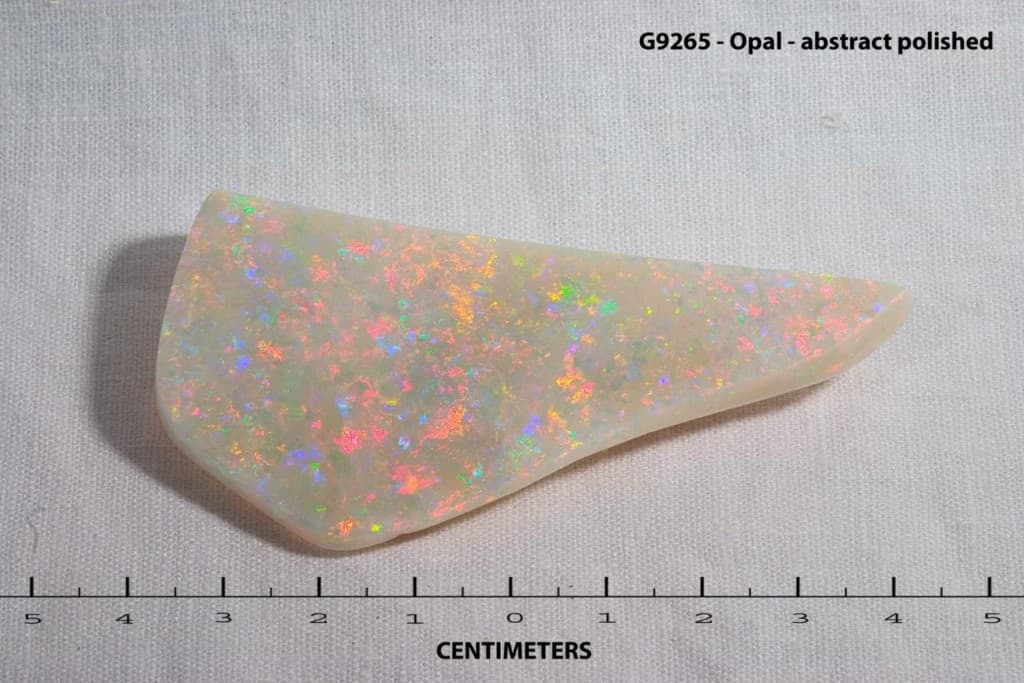
Opals grow in small and irregularly shaped gaps and fissures in the ground. This forces cutters to be creative with the gem and polish it to maximize both size and appearance. As a result, most high-value opals are not cut to calibrated proportions. To heighten the uniqueness of fine specimens, cutters will simply polish the stone and leave it in an abstract freeform shape. Alternatively, low-quality opal that doesn't have high-grade qualities to highlight are more likely to be cut into cabochons with standard measurements.
This variation means that there is no standard guide that directly connects cut and value. Instead, cuts that maximize the value characteristics discussed above achieve the highest prices. Size also contributes to the ultimate worth of a gem, with larger examples being much more expensive than tiny wedges.


When you join the IGS community, you get trusted diamond & gemstone information when you need it.
Opal is a gem with an infinite number of faces. Every aspect of their appearance has a multitude of potential manifestations. The bodycolor, transparency, and play-of-color of every high-quality stone is unique, while commercial-quality opal has less variation. With so many value characteristics at play, the worth of each and every gem must be tailored to the stone in question. According to the GIA, the process of evaluating an opal entails looking at five separate traits: type, play-of-color, transparency, clarity, and cut.
Unlike many other gemstones whose color can be expressed with just a word or two, the color of opals requires additional explanation. If, for example, someone describes an opal as being red, you don't automatically know if they referring to the bodycolor of the stone or the phenomenal play-of-color expression. Thus, bodycolor and play-of-color are separated into their own categories and described independently from each other.
Background color, also described as bodycolor, refers to the dominant hue(s) of the base stone aside from any phenomenal effect. Professionals sort opals into six categories based on background color. It is important to note that opals are found in only a few places, and deposits only have one or two types present.
Play-of-color is the phenomenal effect exhibited by opals. It describes the flashes of pure spectral color that appear and disappear as the stone moves, and the brighter the better. The play-of-color in individual stones may be a single hue or a dynamic rainbow of many different colors. Typically, flashes of red, yellow, and orange fetch the highest prices while gems that show violet, blue, and green colors are more affordable.
There are two variables associated with play-of-color that contribute to value: the ratio of play-of-color to background color and the quality of the effect. The general rule is that the more play-of-color that shows the full spectrum of hues, the higher the value of the opal. The best opals will show play-of-color with multiple hues when viewed from any direction.
The pattern of play-of-color expression also impacts value, and buyers prize gems whose phenomenal effects are well balanced across the stone. There are four general categories of play-of-color patterns: pinfire, flash, harlequin, and peacock. The pinfire pattern looks like many tiny spots of color grouped closely together. Alternatively, the flash pattern is characterized by large areas of play-of-color that light up as one unit. The rarest pattern is the harlequin arrangement. It has large patches of color, often of a roughly rectangular shape with well-defined borders, that fit against each other like puzzle pieces. The peacock pattern describes play-of-color that exhibits only blue and green hues.
Play-of-color is most noticeable in high-quality black opal due to the contrast of the dark bodycolor and the bright spectral flashes. White opal and crystal opal can also show exceptional displays of play-of-color. The contrast of dancing play-of-color against solid matrixing makes boulder opal a particularly dynamic gem. Since cutters are not bound to isolate pure opal (which might be isolated in very small pockets), they cut to maximize the visual effect. The value of water opals is lower than other types because they show minimal, or even a complete lack, of play-of-color.
Fire opals valued for the quality of their bodycolor are the exception to the rule. The presence of play-of-color can be a bonus, but is not required for gems to be considered fine-quality.
The clarity range for opals spans from entirely transparent to fully opaque. In the end, the most valuable clarity for any type is what enhances the appearance of play-of-color expression best. What looks most beautiful contrasted against one color may not be as attractive against a different background.
Opaque clarity for black opals highlights the stark play-of-color effect. Similarly, opaque or semi-translucent clarity looks best when it comes to white opal. The best crystal opal is transparent with play-of-color sparkling from inside the gem, while water opals are markedly more cloudy. Only boulder opals should have any opaque host rock visible. Fire opals can be transparent to translucent, but a combination of bright bodycolor with high transparency is valued the highest.
Opals are made of tiny silica beads that are loosely packed together. This unique structure is quite porous and can trap large amounts of water - some gems are up to 20% liquid. Unfortunately, the water can also evaporate out of the gem, leading to the formation of a network of internal cracks. This clarity feature is called "crazing", and it is something that you want to avoid. In addition to being unattractive, their presence means that the structural integrity stone is compromised.
Opals grow in small and irregularly shaped gaps and fissures in the ground. This forces cutters to be creative with the gem and polish it to maximize both size and appearance. As a result, most high-value opals are not cut to calibrated proportions. To heighten the uniqueness of fine specimens, cutters will simply polish the stone and leave it in an abstract freeform shape. Alternatively, low-quality opal that doesn't have high-grade qualities to highlight are more likely to be cut into cabochons with standard measurements.
This variation means that there is no standard guide that directly connects cut and value. Instead, cuts that maximize the value characteristics discussed above achieve the highest prices. Size also contributes to the ultimate worth of a gem, with larger examples being much more expensive than tiny wedges.