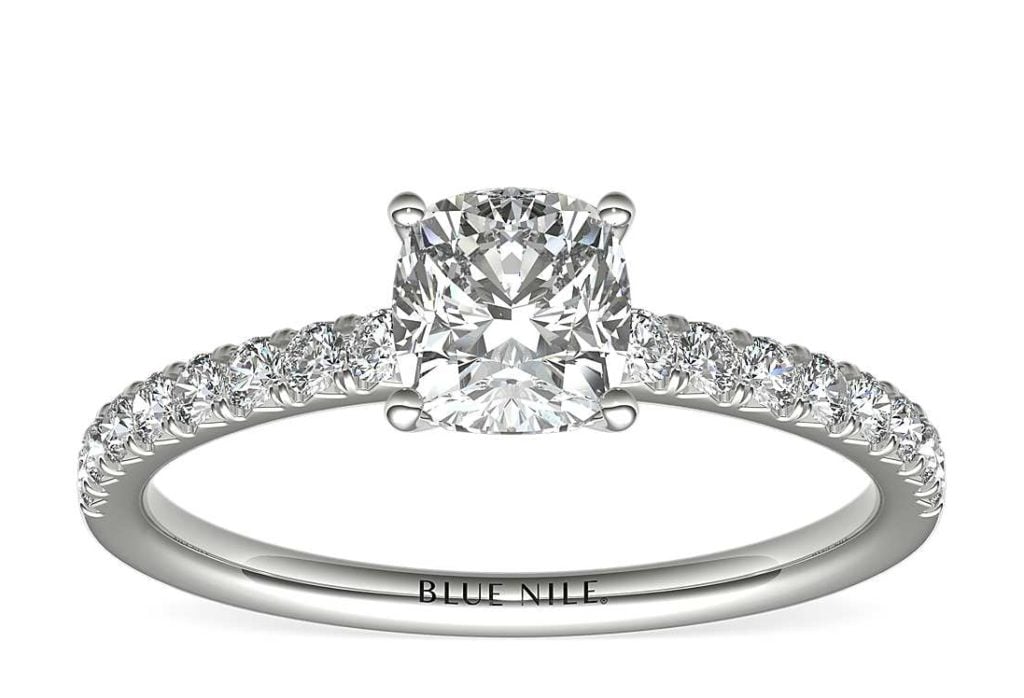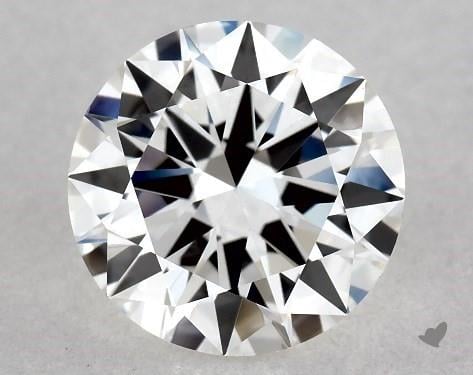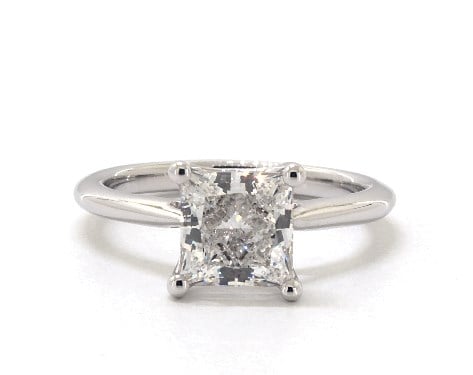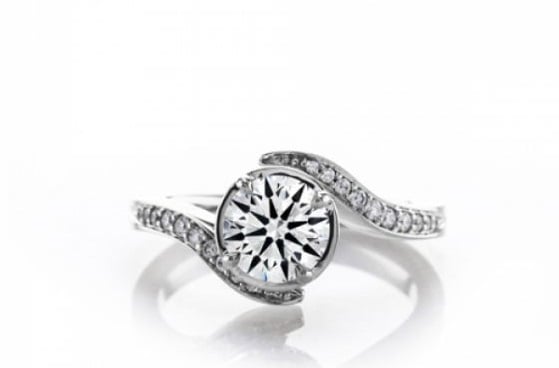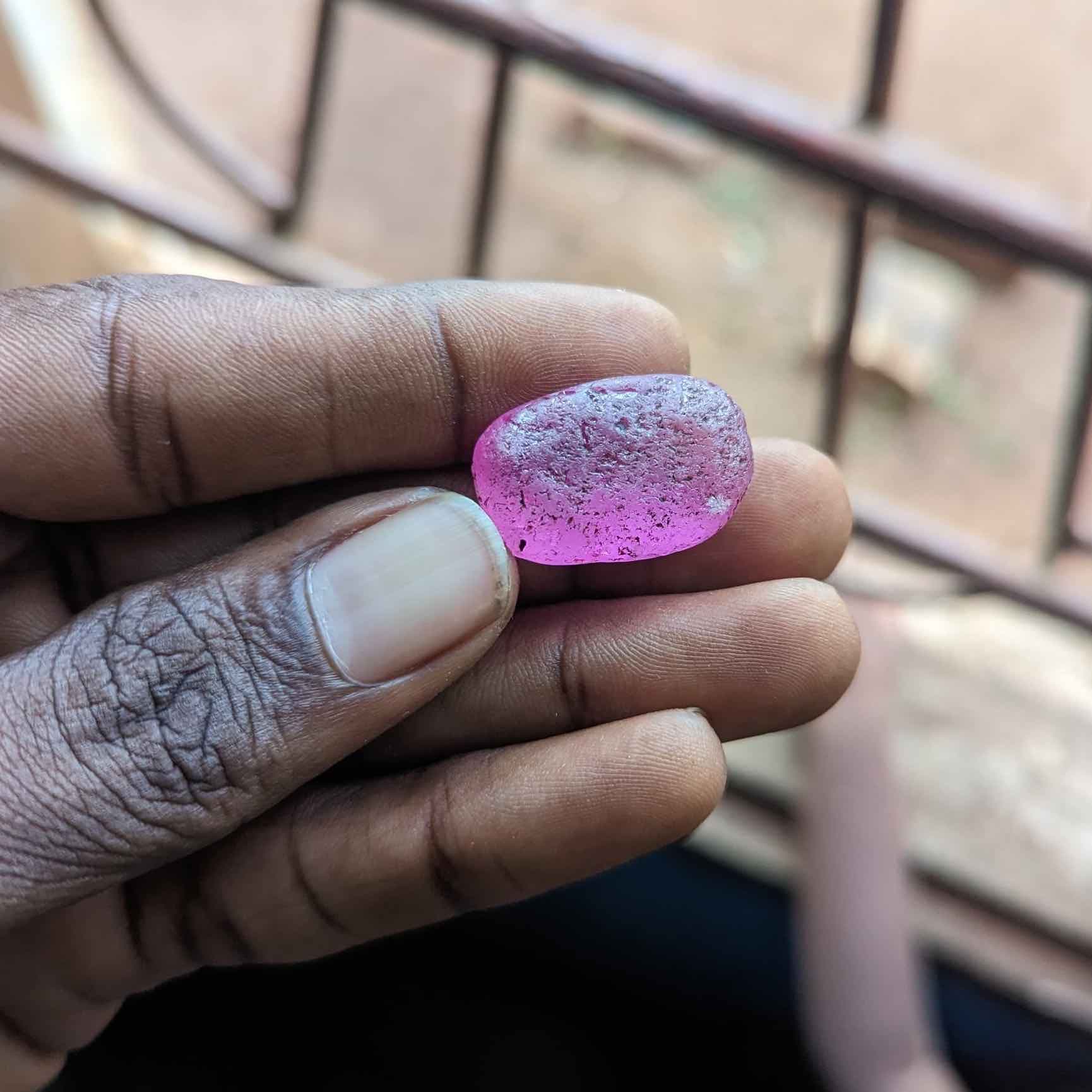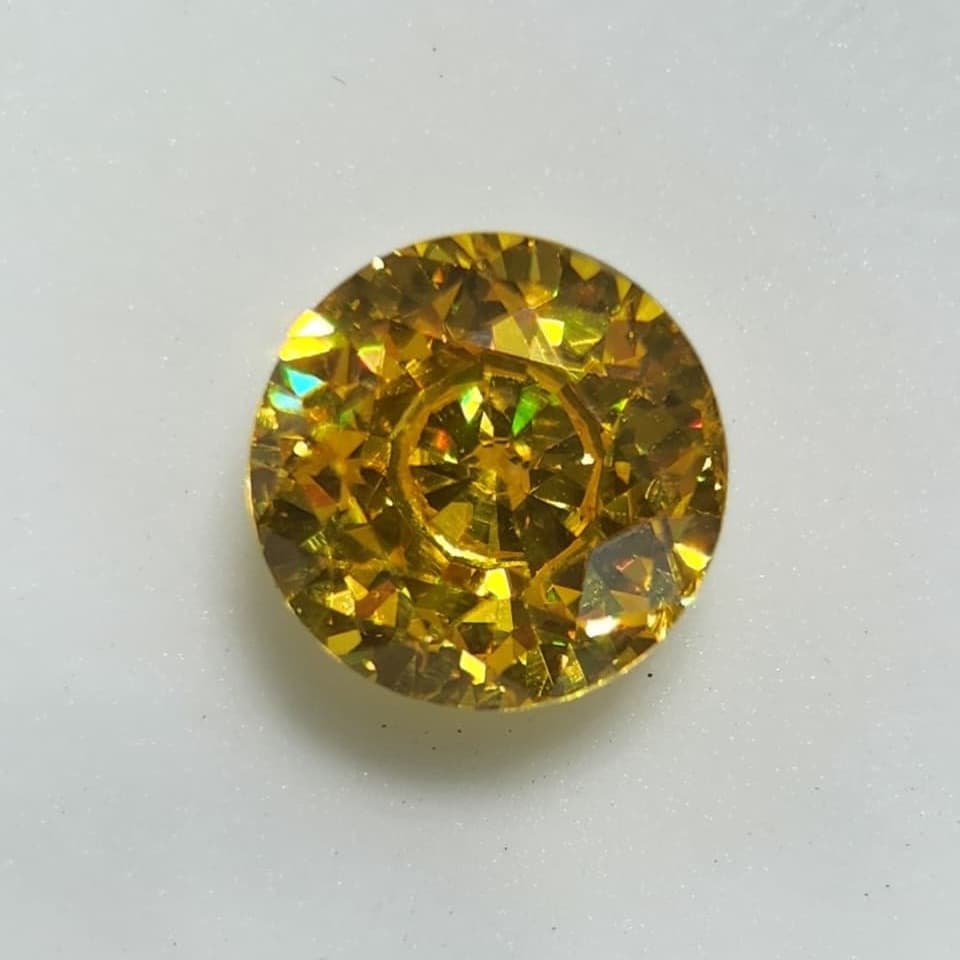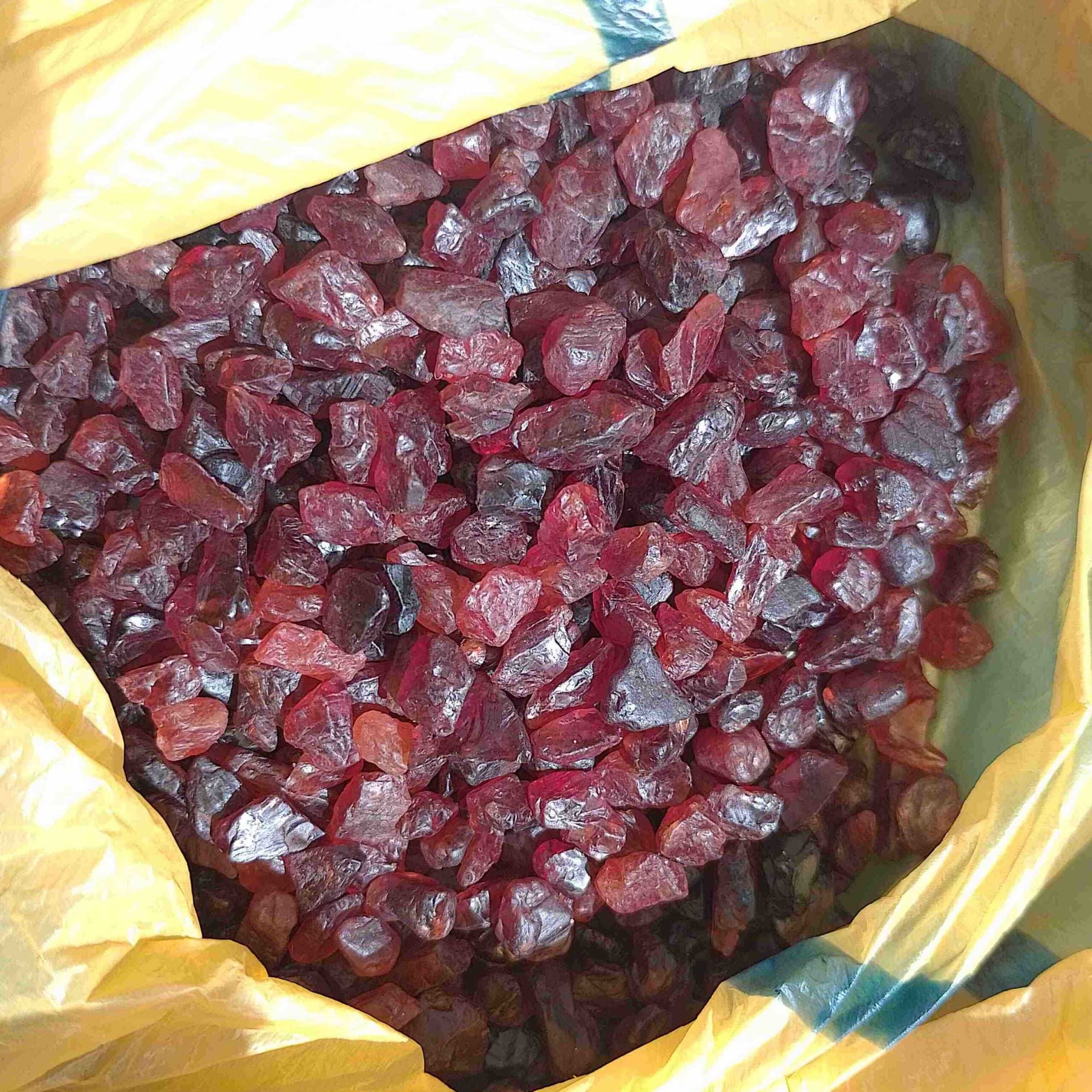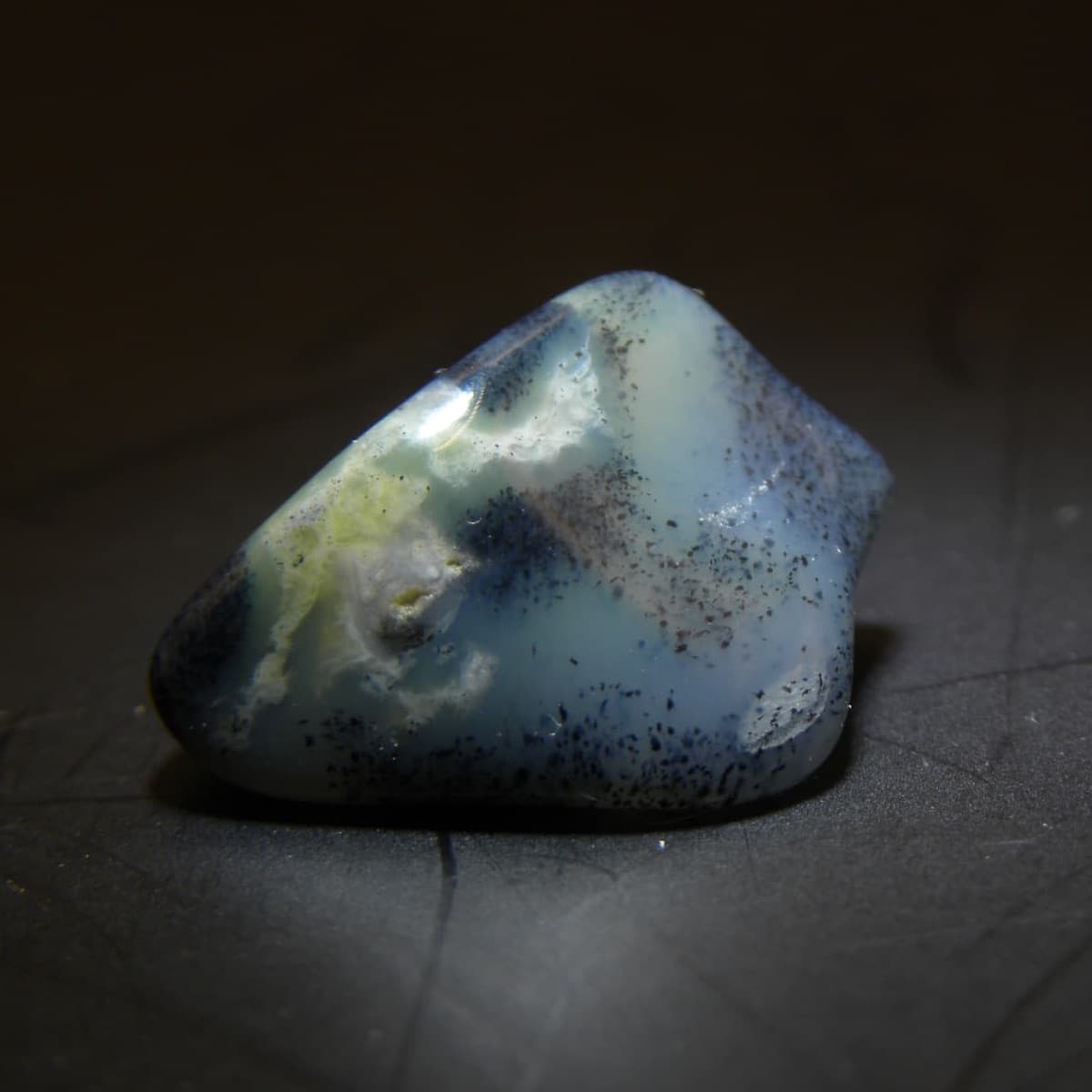
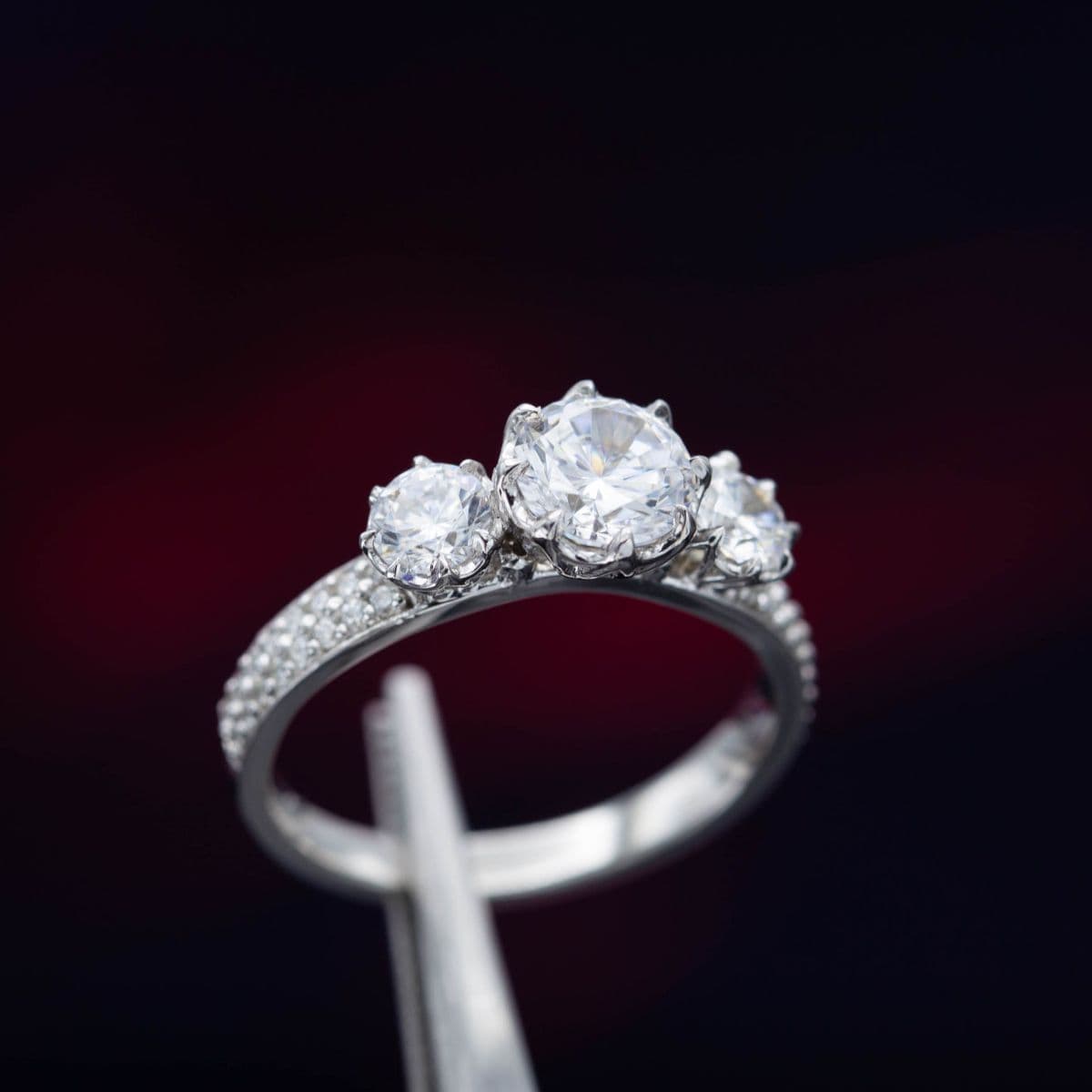
Looking for an affordable alternative to diamonds? Cubic zirconia (CZ) stones offer a budget-friendly option that mimics the appearance of diamonds while being conflict-free. This comprehensive comparison breaks down the differences in look, durability, and price to help you decide if CZ stones are right for you.
8 Minute Read
If you're exploring lab-made stones for your engagement ring, you'll discover numerous options available. Lab-grown diamonds, moissanite, synthetic white sapphires, and cubic zirconia represent the most sought-after man-made alternatives. Cubic zirconia stands out as an excellent option if you're shopping with budget constraints while seeking a conflict-free stone.
Before diving into the details, here's what you'll discover in this article:
Cubic zirconia falls into the category of diamond simulants — stones that visually resemble natural diamonds but consist of entirely different materials. While natural and lab-grown diamonds are carbon-based, cubic zirconia stones are composed of zirconium dioxide (ZrO2). The "cubic" descriptor refers to the stone's cubic crystalline structure, which diamonds also share, making CZ stones excellent diamond lookalikes.
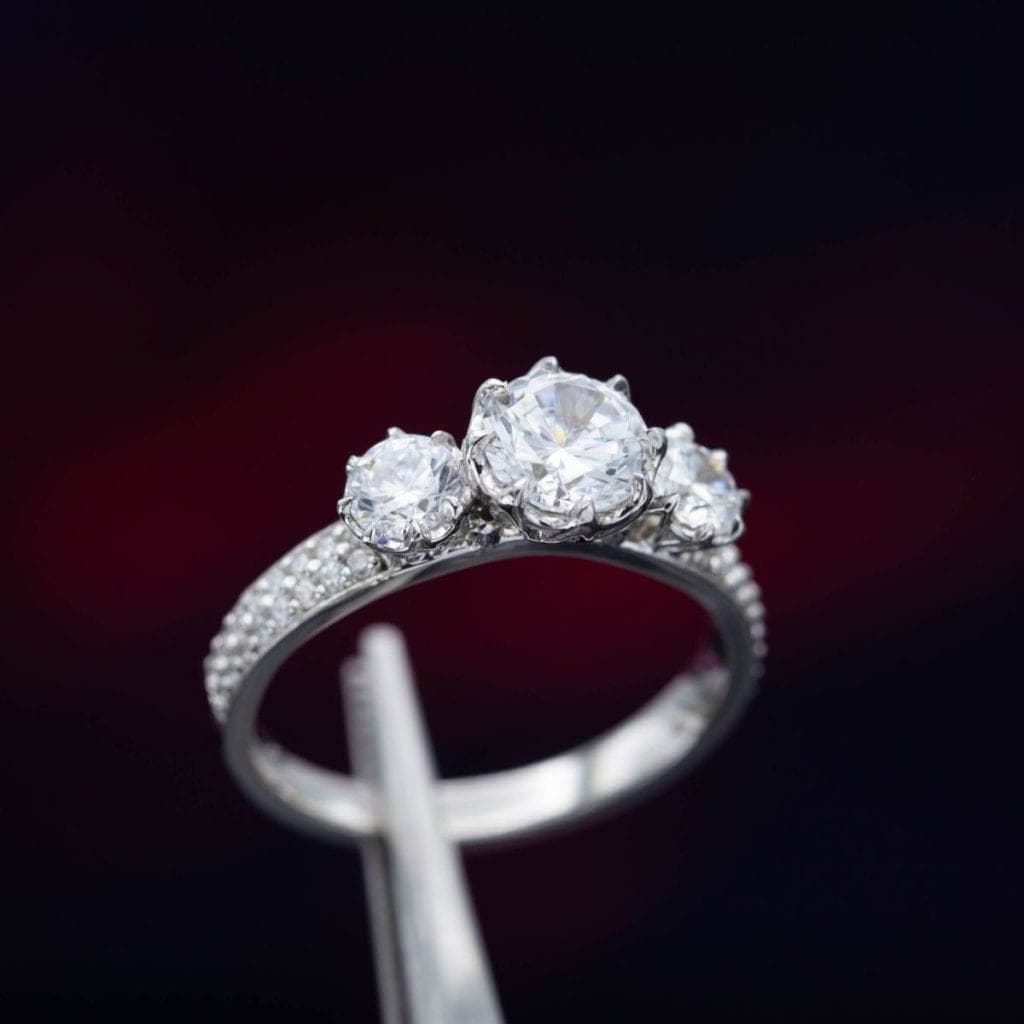
This material initially served scientific purposes, specifically in laser experiments involving synthetic materials. Russian scientists perfected the technique for growing individual cubic zirconia crystals during the 1970s. These clear crystals quickly found their way into mass-produced jewelry. Today, CZ stones are popular diamond alternatives in various jewelry pieces, including:
How do cubic zirconia stones measure up against natural diamonds? Let's examine their key characteristics side by side.
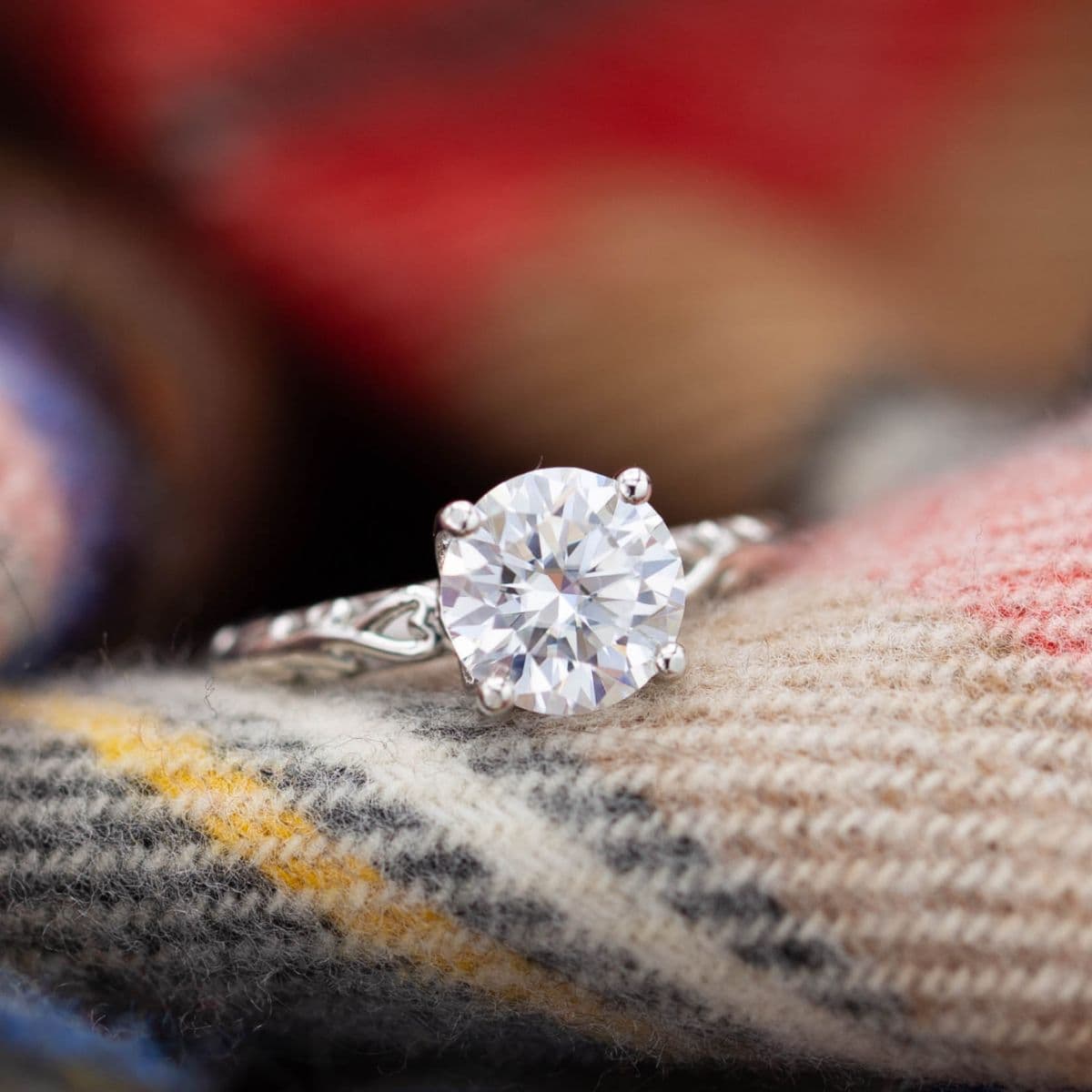
Like diamonds, cubic zirconia is naturally colorless. Interestingly, most natural diamonds actually have a slight yellow or brown tint. CZ stones are completely clear, comparable to a D color rating in diamonds. Under natural light:
Both effects are aesthetically pleasing, and preference depends on personal taste. However, if you're specifically seeking the characteristic diamond scintillation, you won't find it perfectly replicated in a cubic zirconia stone.
CZ stones can also undergo color treatments with various elements, producing a wide spectrum of hues. Some cubic zirconia stones even feature multiple colors, offering a truly distinctive appearance. These affordable stones provide unique alternatives to fancy colored diamonds or colored gemstones like emerald, ruby, and sapphire.
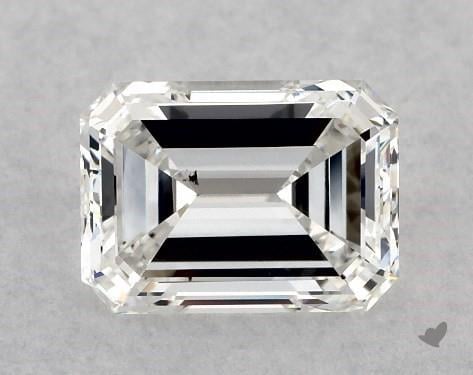
Natural diamonds (and even lab-grown diamonds) contain flaws — tiny imperfections within the stone called inclusions. Cubic zirconia has no natural internal flaws but may exhibit telltale signs of its own lab-grown origins, such as tiny gas bubbles containing unmelted zirconium dioxide powder from the manufacturing process. CZ stones undergo cutting and polishing after their creation. They can be fashioned into numerous popular diamond shapes, including:
When shopping for engagement rings, the significantly lower price of cubic zirconia can be extremely tempting. CZ rings cost substantially less than diamond rings while appearing nearly identical at first glance. However, this beauty proves temporary — cubic zirconia typically maintains its appearance for only about two years before deteriorating. Natural diamonds and other genuine gemstones command higher prices but will last a lifetime.
Diamonds are renowned for their exceptional hardness, ranking 10 on the Mohs hardness scale. This makes them extraordinarily durable and resistant to scratching from daily wear. Cubic zirconia scores 8.5 on the hardness scale. While this might seem like a minor difference, it significantly impacts longevity:
After a few years of regular wear, even the most brilliant cubic zirconia develops a cloudy, scratched appearance. This isn't problematic if you're open to replacing or re-polishing your ring periodically, but it's an important consideration when comparing cubic zirconia vs diamonds.
Cubic zirconia is extremely inexpensive because it's synthetic and mass-produced. Price comparisons reveal dramatic differences:
| Stone Type | 2 Carat Cost | 3 Carat Cost |
| Cubic Zirconia | $30 | $50 |
| Natural Diamond | $15,000 | $42,260 |
| Lab Grown Diamond | $2620 | $5390 |
Cubic zirconia engagement rings vary in price primarily based on the setting metal. Rings in the $20-$40 range typically feature brass, silver, or copper plated with gold or platinum. This plating wears away quickly, making these options less desirable. Many websites offer cubic zirconia rings exceeding $100, featuring bands made from finer metals like 14K gold or platinum. However, since CZ stones scratch and fade easily, losing their luster after approximately two years, investing in an expensive band for a stone you'll likely replace or re-polish frequently isn't economical.
Sterling silver or stainless steel complement cubic zirconia well. These rings typically range from $50-$90. With these metals:
Another consideration is cubic zirconia grading. Some retailers assign ratings like A, 1A, AAA, AAAAA, or 5A to their CZ stones. According to retailers, grade AAAAA cubic zirconia stones are the highest quality and grade A are the lowest.
However, these grades lack standardization across retailers and have no quality assurance policies. Since cubic zirconia is man-made and mass-produced, quality remains largely consistent between stones. The CZ grading system essentially functions as a marketing tactic without scientific basis. Don't pay premium prices for supposedly "high-quality" cubic zirconia stones.
Everyone has unique preferences regarding engagement rings. Cubic zirconia represents the best option if you're working with extremely limited finances. For optimal results, look for stainless steel or sterling silver cubic zirconia engagement rings. These provide:
A cubic zirconia engagement ring also works well if you anticipate your preferences changing over time. Diamonds are permanent investments, and selecting a stone and setting you'll appreciate for decades can be overwhelming. Cubic zirconia rings are very affordable, allowing you to choose one and wear it temporarily to determine if the style suits you.
CZ stones have also gained popularity as travel rings as they are perfect "Stunt Doubles" for diamonds. If you own a diamond engagement ring and prefer to leave it safely at home while:
Consider a cubic zirconia ring for these occasions. Most people won't notice the difference, and you won't worry about your authentic ring becoming damaged, lost, or stolen.
Cubic zirconia stands as a popular diamond alternative for several compelling reasons:
The primary drawback involves durability — with daily wear, cubic zirconia loses its shine and sparkle within a few years. If you select a CZ stone for your engagement ring, ensure you pair it with a quality band made of sterling silver or stainless steel. Most importantly, choose something you genuinely love!
With regular daily wear, cubic zirconia typically maintains its appearance for about two years before developing a cloudy, scratched surface. Unlike diamonds which last indefinitely, CZ stones require periodic replacement or frequent re-polishing.
To the untrained eye, it's difficult to distinguish between cubic zirconia and diamond at first glance. However, CZ stones display more fire (colored light dispersion) while diamonds show more scintillation.
Sterling silver and stainless steel are ideal metals for cubic zirconia rings. They offer good durability at a reasonable price point without the issues of plating wear found in cheaper options.
While some retailers use grading systems (A through AAAAA/5A), these grades lack standardization across the industry. Since cubic zirconia is man-made and mass-produced, quality remains fairly consistent regardless of claimed grade.
Cubic zirconia costs significantly less because it's synthetic and mass-produced from zirconium dioxide rather than carbon. Additionally, it lacks the rarity, durability, and market controls associated with diamonds.
Yes, cubic zirconia makes an excellent temporary engagement ring if you're on a tight budget or uncertain about your long-term style preferences. They're also perfect as travel rings when you want to leave your diamond safely at home.


When you join the IGS community, you get trusted diamond & gemstone information when you need it.
If you're exploring lab-made stones for your engagement ring, you'll discover numerous options available. Lab-grown diamonds, moissanite, synthetic white sapphires, and cubic zirconia represent the most sought-after man-made alternatives. Cubic zirconia stands out as an excellent option if you're shopping with budget constraints while seeking a conflict-free stone.
Before diving into the details, here's what you'll discover in this article:
Cubic zirconia falls into the category of diamond simulants — stones that visually resemble natural diamonds but consist of entirely different materials. While natural and lab-grown diamonds are carbon-based, cubic zirconia stones are composed of zirconium dioxide (ZrO2). The "cubic" descriptor refers to the stone's cubic crystalline structure, which diamonds also share, making CZ stones excellent diamond lookalikes.
This material initially served scientific purposes, specifically in laser experiments involving synthetic materials. Russian scientists perfected the technique for growing individual cubic zirconia crystals during the 1970s. These clear crystals quickly found their way into mass-produced jewelry. Today, CZ stones are popular diamond alternatives in various jewelry pieces, including:
How do cubic zirconia stones measure up against natural diamonds? Let's examine their key characteristics side by side.
Like diamonds, cubic zirconia is naturally colorless. Interestingly, most natural diamonds actually have a slight yellow or brown tint. CZ stones are completely clear, comparable to a D color rating in diamonds. Under natural light:
Both effects are aesthetically pleasing, and preference depends on personal taste. However, if you're specifically seeking the characteristic diamond scintillation, you won't find it perfectly replicated in a cubic zirconia stone.
CZ stones can also undergo color treatments with various elements, producing a wide spectrum of hues. Some cubic zirconia stones even feature multiple colors, offering a truly distinctive appearance. These affordable stones provide unique alternatives to fancy colored diamonds or colored gemstones like emerald, ruby, and sapphire.
Natural diamonds (and even lab-grown diamonds) contain flaws — tiny imperfections within the stone called inclusions. Cubic zirconia has no natural internal flaws but may exhibit telltale signs of its own lab-grown origins, such as tiny gas bubbles containing unmelted zirconium dioxide powder from the manufacturing process. CZ stones undergo cutting and polishing after their creation. They can be fashioned into numerous popular diamond shapes, including:
When shopping for engagement rings, the significantly lower price of cubic zirconia can be extremely tempting. CZ rings cost substantially less than diamond rings while appearing nearly identical at first glance. However, this beauty proves temporary — cubic zirconia typically maintains its appearance for only about two years before deteriorating. Natural diamonds and other genuine gemstones command higher prices but will last a lifetime.
Diamonds are renowned for their exceptional hardness, ranking 10 on the Mohs hardness scale. This makes them extraordinarily durable and resistant to scratching from daily wear. Cubic zirconia scores 8.5 on the hardness scale. While this might seem like a minor difference, it significantly impacts longevity:
After a few years of regular wear, even the most brilliant cubic zirconia develops a cloudy, scratched appearance. This isn't problematic if you're open to replacing or re-polishing your ring periodically, but it's an important consideration when comparing cubic zirconia vs diamonds.
Cubic zirconia is extremely inexpensive because it's synthetic and mass-produced. Price comparisons reveal dramatic differences:
| Stone Type | 2 Carat Cost | 3 Carat Cost |
| Cubic Zirconia | $30 | $50 |
| Natural Diamond | $15,000 | $42,260 |
| Lab Grown Diamond | $2620 | $5390 |
Cubic zirconia engagement rings vary in price primarily based on the setting metal. Rings in the $20-$40 range typically feature brass, silver, or copper plated with gold or platinum. This plating wears away quickly, making these options less desirable. Many websites offer cubic zirconia rings exceeding $100, featuring bands made from finer metals like 14K gold or platinum. However, since CZ stones scratch and fade easily, losing their luster after approximately two years, investing in an expensive band for a stone you'll likely replace or re-polish frequently isn't economical.
Sterling silver or stainless steel complement cubic zirconia well. These rings typically range from $50-$90. With these metals:
Another consideration is cubic zirconia grading. Some retailers assign ratings like A, 1A, AAA, AAAAA, or 5A to their CZ stones. According to retailers, grade AAAAA cubic zirconia stones are the highest quality and grade A are the lowest.
However, these grades lack standardization across retailers and have no quality assurance policies. Since cubic zirconia is man-made and mass-produced, quality remains largely consistent between stones. The CZ grading system essentially functions as a marketing tactic without scientific basis. Don't pay premium prices for supposedly "high-quality" cubic zirconia stones.
Everyone has unique preferences regarding engagement rings. Cubic zirconia represents the best option if you're working with extremely limited finances. For optimal results, look for stainless steel or sterling silver cubic zirconia engagement rings. These provide:
A cubic zirconia engagement ring also works well if you anticipate your preferences changing over time. Diamonds are permanent investments, and selecting a stone and setting you'll appreciate for decades can be overwhelming. Cubic zirconia rings are very affordable, allowing you to choose one and wear it temporarily to determine if the style suits you.
CZ stones have also gained popularity as travel rings as they are perfect "Stunt Doubles" for diamonds. If you own a diamond engagement ring and prefer to leave it safely at home while:
Consider a cubic zirconia ring for these occasions. Most people won't notice the difference, and you won't worry about your authentic ring becoming damaged, lost, or stolen.
Cubic zirconia stands as a popular diamond alternative for several compelling reasons:
The primary drawback involves durability — with daily wear, cubic zirconia loses its shine and sparkle within a few years. If you select a CZ stone for your engagement ring, ensure you pair it with a quality band made of sterling silver or stainless steel. Most importantly, choose something you genuinely love!
With regular daily wear, cubic zirconia typically maintains its appearance for about two years before developing a cloudy, scratched surface. Unlike diamonds which last indefinitely, CZ stones require periodic replacement or frequent re-polishing.
To the untrained eye, it's difficult to distinguish between cubic zirconia and diamond at first glance. However, CZ stones display more fire (colored light dispersion) while diamonds show more scintillation.
Sterling silver and stainless steel are ideal metals for cubic zirconia rings. They offer good durability at a reasonable price point without the issues of plating wear found in cheaper options.
While some retailers use grading systems (A through AAAAA/5A), these grades lack standardization across the industry. Since cubic zirconia is man-made and mass-produced, quality remains fairly consistent regardless of claimed grade.
Cubic zirconia costs significantly less because it's synthetic and mass-produced from zirconium dioxide rather than carbon. Additionally, it lacks the rarity, durability, and market controls associated with diamonds.
Yes, cubic zirconia makes an excellent temporary engagement ring if you're on a tight budget or uncertain about your long-term style preferences. They're also perfect as travel rings when you want to leave your diamond safely at home.

Click On The Coupons Below to Save Money on Your Jewelry!
*See website for exclusions and restrictions.