Explore gemstone hardness, wearability, and durability. Learn how hardness, cleavage, and settings affect jewelry use. Essential for smart gemstone choices.
10 Minute Read
When choosing gemstones for jewelry, it's crucial to understand more than just how beautiful a stone looks. Gemstone hardness and wearability determine how well a gem withstands daily wear and tear.
Gemstone hardness plays a vital role in how well a gem endures regular use, but it's only one part of the wearability equation. Other factors like cleavage, tenacity, and jewelry settings also significantly influence durability.
In this article, you'll learn:
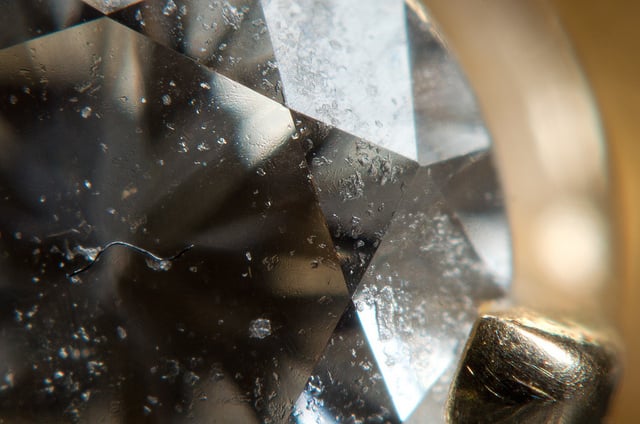
You might be surprised to learn that household dust can damage your jewelry. The particles floating in the air or settling on furniture contain quartz, a mineral with a Mohs scale hardness of 7 to 7.5.
Here's what makes this important:
Everyday exposure to dust highlights the importance of choosing harder gemstones to maintain polish and minimize wear.
The diamond is famously known as the hardest material in the gem world, rated 10 on the Mohs scale. However, hardness does not equal indestructibility.
Here's what you need to know:
This illustrates why even the hardest gemstones can be vulnerable to damage depending on their structure and setting.
There's an old saying among gemologists:

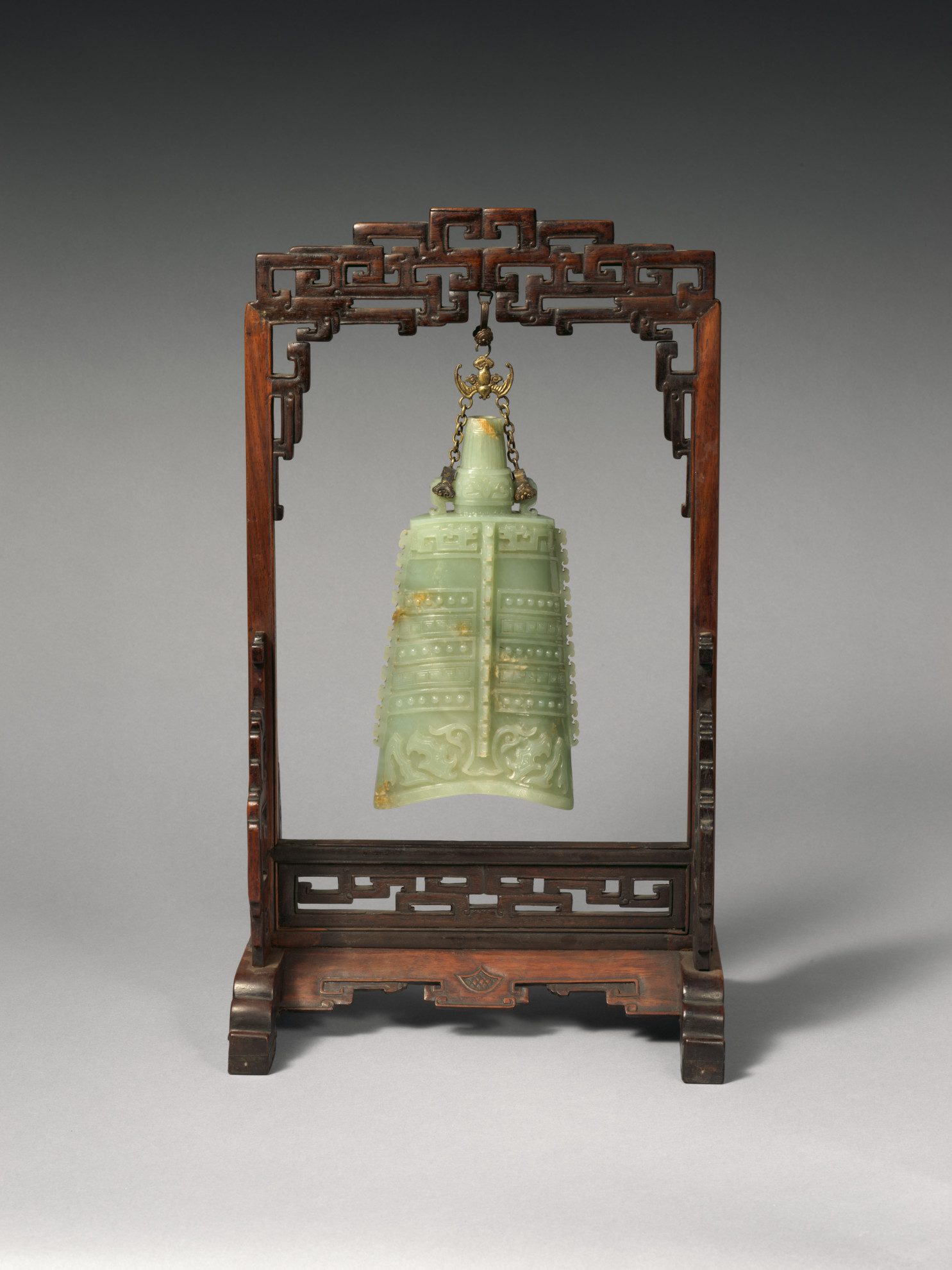
If you hit a diamond with a hammer, it'll shatter into a dozen pieces. Hit a piece of quartz with a hammer, it'll split in two. Hit a piece of jade with a hammer, it'll ring like a bell!
How is that possible if diamond is the hardest gem?
Hardness in gemology refers specifically to resistance to scratching, not to how easily a material breaks or chips. The term differs from its everyday meaning.
Here's how gemstone hardness works:
Understanding this helps jewelers and buyers assess how long a gemstone can retain its shine.
In 1812, Friedrich Mohs created a ten-point reference scale for mineral hardness. Known as the Mohs scale, it ranks materials based on their ability to scratch others.
Here's how the Mohs scale helps:
The Mohs scale starts approximately linear, but the curve climbs sharply at the high end. For example:
Only diamonds can scratch other diamonds.
| Mohs Hardness | Mineral | Examples & Notes | Jewelry Use Example |
| 10 | Diamond | Only a diamond can scratch other diamonds. | Engagement rings |
| 9 | Corundum (rubies and sapphires) | Cannot be scratched by topaz; scratches everything below. | High-durability jewelry |
| 8 | Topaz | Scratched by corundum; scratches quartz. | Durable rings and pendants |
| 7 | Quartz | Scratches window glass. Common in dust. | Widely used in jewelry |
| 6 | Feldspar | A steel file will scratch it. | Used in occasional-wear gems like moonstone |
| 5 | Apatite | Scratched by most common materials. | Less commonly used |
| 4 | Fluorite | A knife will scratch it. | Primarily for collectors |
| 3 | Calcite | A copper coin will scratch it. | Rare in wearable jewelry |
| 2 | Gypsum | Very soft; scratches easily. | Display use only |
| 1 | Talc | A fingernail will scratch it. | Not used in jewelry |
Gemstone hardness can vary slightly depending on the material's aggregation and chemical composition. Sometimes, what appears to be a scratch may just be residue from a softer material.
Here are key points:
This means wearability judgments shouldn't rely on hardness alone, especially when ranges are narrow.
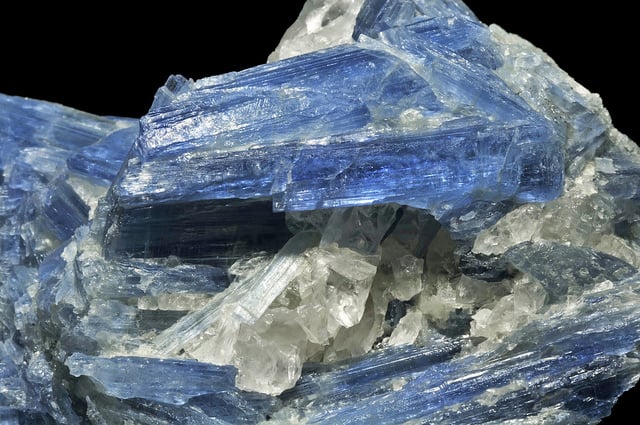
Tenacity refers to a gemstone's resistance to breaking or chipping when struck. Unlike hardness, tenacity determines how a stone responds to physical impact.
For gemstones, tenacity measurements are usually given as descriptive terms:
Going back to the old saying, a diamond is both hard, defined scientifically, and brittle. The steel of a hammer (hardness 5 or 6) won't scratch a diamond, but it can shatter a diamond.
As it so happens, most gemstones would be considered "brittle." There are a few exceptions. Cryptocrystalline quartz, such as chalcedony, has "tough" tenacity. Jade, both jadeite and nephrite, has "very tough" tenacity. On the other end of the scale, zircon has a "very brittle" tenacity.
Wearability is a broader term that encompasses hardness, tenacity, and resistance to environmental factors.
Here's how everyday actions affect gemstone wear:
Understanding wearability helps buyers make smart decisions for long-term use.
Gemstone hardness plays a big role in how long a gem maintains its shine. However, it must be considered in relation to environmental exposure and usage.
Wearability reflects more than just how a gemstone looks—it determines how it performs.
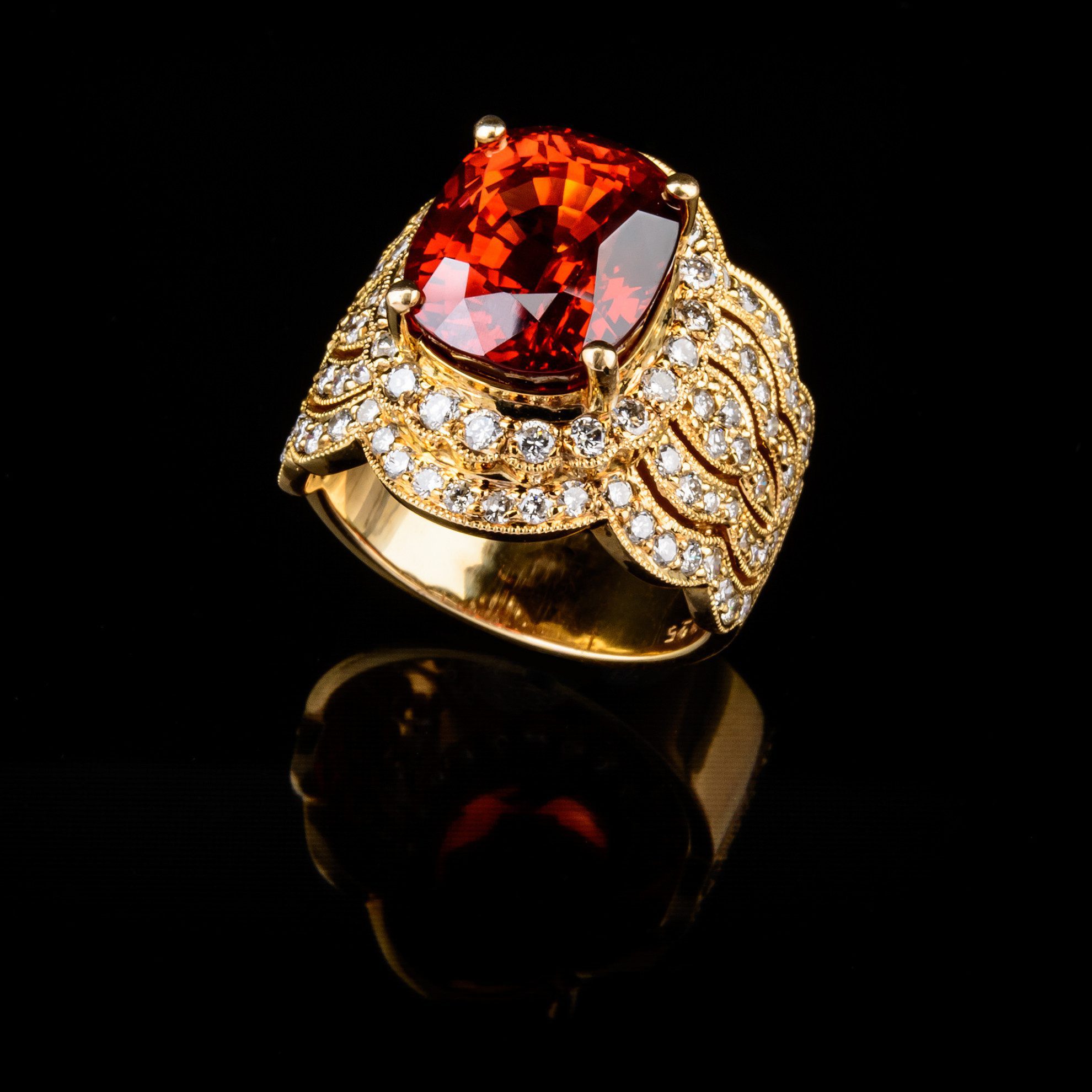
Wearability is often rated on a scale based on the stone's ability to endure regular use. This includes resistance to scratches, impacts, and chemical exposure.
Here are the grades and their meanings:
Key takeaways:
Factors like gemstone cleavage also play a big role in grading.
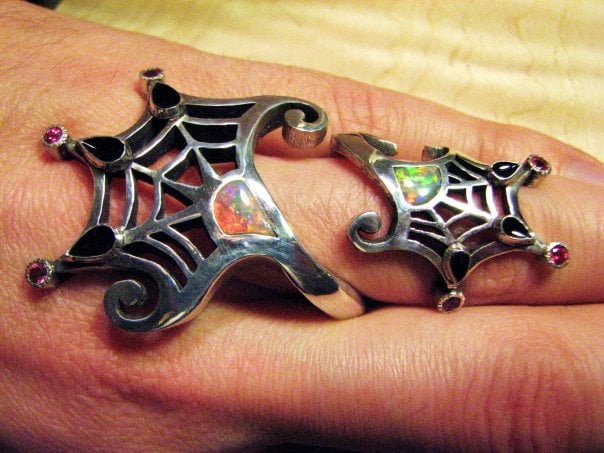
Cleavage defines how a gemstone breaks when struck. It relates to how strongly the molecules of a gemstone bind to each other, much like grain in wood.
Gemstone cleavage can be categorized as:
Here's what to consider:
Even diamond, with perfect cleavage, can chip or split.
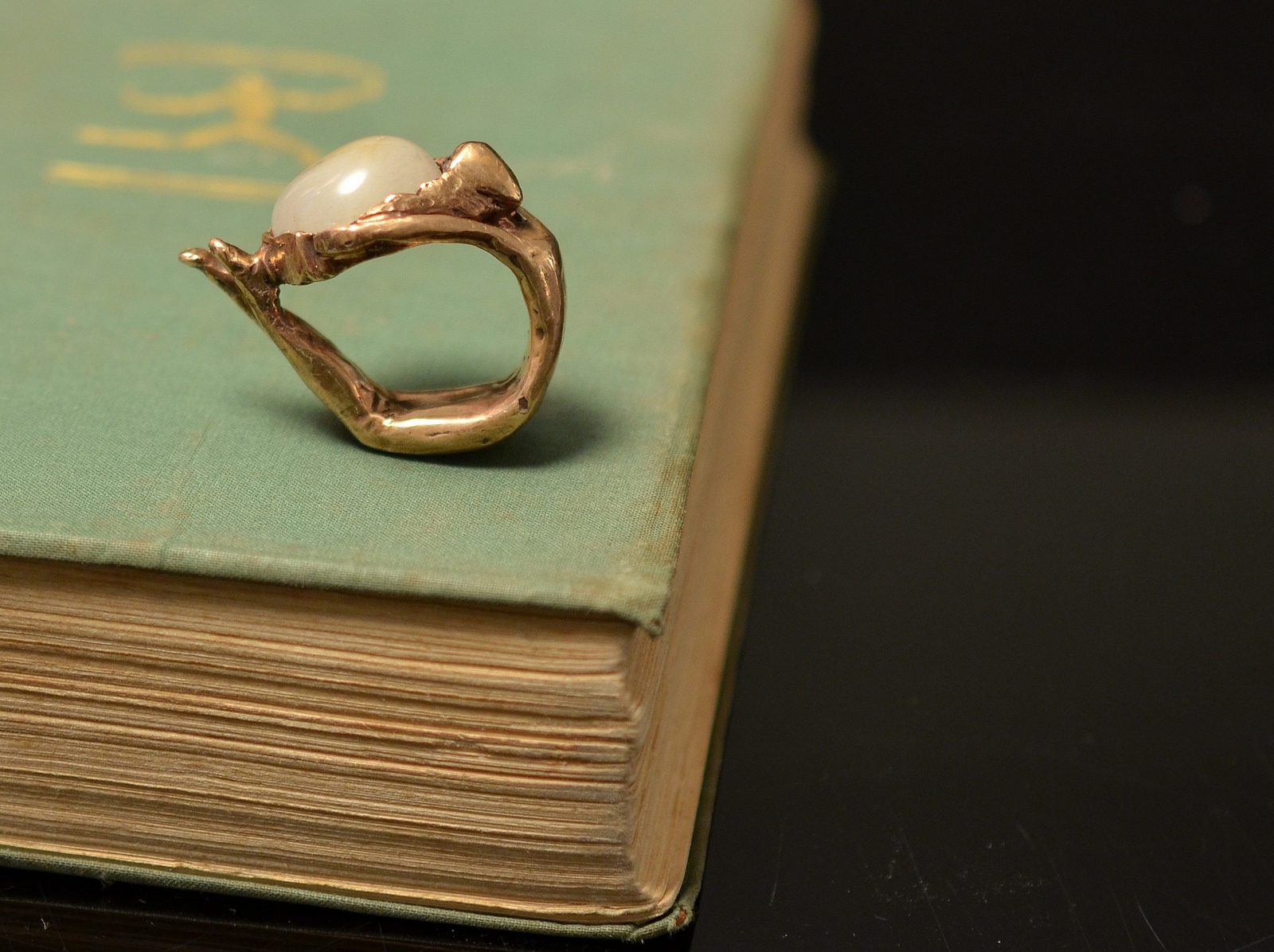
Jewelry settings play a major role in preserving gemstone integrity, especially in rings which undergo the most daily stress.
Best practices for vulnerable stones:
Tips for longevity:
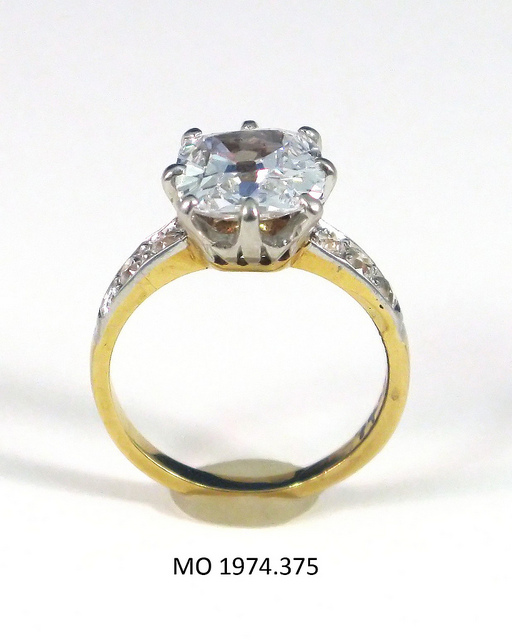
While hardness is an essential factor, gemstone wearability is determined by several properties working together.
Here's what else plays a role:
Choosing the right gemstone requires a balanced look at all these attributes to ensure beauty and longevity in everyday use.
Hardness refers specifically to a gemstone's resistance to scratching, as measured on the Mohs scale. Wearability, however, is a broader term that considers several additional factors such as tenacity (resistance to impact), cleavage (likelihood of splitting), environmental sensitivities, and jewelry settings. A gem might be very hard but still unsuitable for everyday wear if it's brittle or prone to chipping.
Yes, but with caution. Pearls and opals are both below 7 on the Mohs scale, meaning they can be scratched by everyday dust and other materials. Their wearability grade is often "Poor," which means their jewelry use should be very carefully considered. When used in rings, it's recommended to:
While diamond scores a perfect 10 on the Mohs scale for hardness, it also has perfect cleavage and is considered brittle. That means it can split or shatter upon a sharp blow, especially if hit along a cleavage plane. This demonstrates that hardness doesn't always equal durability.
Dust particles alone can scratch gemstones that are softer than quartz (Mohs 7), since quartz is a major component of dust. Other examples include:
This is why understanding hardness is critical when choosing stones for frequently worn jewelry.
Cleavage planes are structural features within a gemstone where atomic bonds are weaker, making it easier for the stone to split. The likelihood of breakage depends on how strongly the molecules of a gemstone bind to each other, and how easily the mineral will separate along the planes. Stones with perfect cleavage—like diamonds—are more likely to chip or break when struck.
Yes. Some gemstones have poor or no cleavage, meaning they resist splitting better and can be more durable overall. For example:
For gems with low hardness or high cleavage, opt for settings that minimize exposure and maximize protection:
The jewelry setting directly affects how long the stone will maintain its appearance and structural integrity.
You can refer to the Gem Listings on this site, which provide both Mohs hardness ratings and practical wearability grades for a wide range of gemstones. This helps buyers make informed decisions based on how they plan to wear their jewelry.

When you join the IGS community, you get trusted diamond & gemstone information when you need it.
When choosing gemstones for jewelry, it's crucial to understand more than just how beautiful a stone looks. Gemstone hardness and wearability determine how well a gem withstands daily wear and tear.
Gemstone hardness plays a vital role in how well a gem endures regular use, but it's only one part of the wearability equation. Other factors like cleavage, tenacity, and jewelry settings also significantly influence durability.
In this article, you'll learn:
You might be surprised to learn that household dust can damage your jewelry. The particles floating in the air or settling on furniture contain quartz, a mineral with a Mohs scale hardness of 7 to 7.5.
Here's what makes this important:
Everyday exposure to dust highlights the importance of choosing harder gemstones to maintain polish and minimize wear.
The diamond is famously known as the hardest material in the gem world, rated 10 on the Mohs scale. However, hardness does not equal indestructibility.
Here's what you need to know:
This illustrates why even the hardest gemstones can be vulnerable to damage depending on their structure and setting.
There's an old saying among gemologists:
If you hit a diamond with a hammer, it'll shatter into a dozen pieces. Hit a piece of quartz with a hammer, it'll split in two. Hit a piece of jade with a hammer, it'll ring like a bell!
How is that possible if diamond is the hardest gem?
Hardness in gemology refers specifically to resistance to scratching, not to how easily a material breaks or chips. The term differs from its everyday meaning.
Here's how gemstone hardness works:
Understanding this helps jewelers and buyers assess how long a gemstone can retain its shine.
In 1812, Friedrich Mohs created a ten-point reference scale for mineral hardness. Known as the Mohs scale, it ranks materials based on their ability to scratch others.
Here's how the Mohs scale helps:
The Mohs scale starts approximately linear, but the curve climbs sharply at the high end. For example:
Only diamonds can scratch other diamonds.
| Mohs Hardness | Mineral | Examples & Notes | Jewelry Use Example |
| 10 | Diamond | Only a diamond can scratch other diamonds. | Engagement rings |
| 9 | Corundum (rubies and sapphires) | Cannot be scratched by topaz; scratches everything below. | High-durability jewelry |
| 8 | Topaz | Scratched by corundum; scratches quartz. | Durable rings and pendants |
| 7 | Quartz | Scratches window glass. Common in dust. | Widely used in jewelry |
| 6 | Feldspar | A steel file will scratch it. | Used in occasional-wear gems like moonstone |
| 5 | Apatite | Scratched by most common materials. | Less commonly used |
| 4 | Fluorite |
Gemstone hardness can vary slightly depending on the material's aggregation and chemical composition. Sometimes, what appears to be a scratch may just be residue from a softer material.
Here are key points:
This means wearability judgments shouldn't rely on hardness alone, especially when ranges are narrow.
Tenacity refers to a gemstone's resistance to breaking or chipping when struck. Unlike hardness, tenacity determines how a stone responds to physical impact.
For gemstones, tenacity measurements are usually given as descriptive terms:
Going back to the old saying, a diamond is both hard, defined scientifically, and brittle. The steel of a hammer (hardness 5 or 6) won't scratch a diamond, but it can shatter a diamond.
As it so happens, most gemstones would be considered "brittle." There are a few exceptions. Cryptocrystalline quartz, such as chalcedony, has "tough" tenacity. Jade, both jadeite and nephrite, has "very tough" tenacity. On the other end of the scale, zircon has a "very brittle" tenacity.
Wearability is a broader term that encompasses hardness, tenacity, and resistance to environmental factors.
Here's how everyday actions affect gemstone wear:
Understanding wearability helps buyers make smart decisions for long-term use.
Gemstone hardness plays a big role in how long a gem maintains its shine. However, it must be considered in relation to environmental exposure and usage.
Wearability reflects more than just how a gemstone looks—it determines how it performs.
Wearability is often rated on a scale based on the stone's ability to endure regular use. This includes resistance to scratches, impacts, and chemical exposure.
Here are the grades and their meanings:
Key takeaways:
Factors like gemstone cleavage also play a big role in grading.
Cleavage defines how a gemstone breaks when struck. It relates to how strongly the molecules of a gemstone bind to each other, much like grain in wood.
Gemstone cleavage can be categorized as:
Here's what to consider:
Even diamond, with perfect cleavage, can chip or split.
Jewelry settings play a major role in preserving gemstone integrity, especially in rings which undergo the most daily stress.
Best practices for vulnerable stones:
Tips for longevity:
While hardness is an essential factor, gemstone wearability is determined by several properties working together.
Here's what else plays a role:
Choosing the right gemstone requires a balanced look at all these attributes to ensure beauty and longevity in everyday use.
Hardness refers specifically to a gemstone's resistance to scratching, as measured on the Mohs scale. Wearability, however, is a broader term that considers several additional factors such as tenacity (resistance to impact), cleavage (likelihood of splitting), environmental sensitivities, and jewelry settings. A gem might be very hard but still unsuitable for everyday wear if it's brittle or prone to chipping.
Yes, but with caution. Pearls and opals are both below 7 on the Mohs scale, meaning they can be scratched by everyday dust and other materials. Their wearability grade is often "Poor," which means their jewelry use should be very carefully considered. When used in rings, it's recommended to:
While diamond scores a perfect 10 on the Mohs scale for hardness, it also has perfect cleavage and is considered brittle. That means it can split or shatter upon a sharp blow, especially if hit along a cleavage plane. This demonstrates that hardness doesn't always equal durability.
Dust particles alone can scratch gemstones that are softer than quartz (Mohs 7), since quartz is a major component of dust. Other examples include:
This is why understanding hardness is critical when choosing stones for frequently worn jewelry.
Cleavage planes are structural features within a gemstone where atomic bonds are weaker, making it easier for the stone to split. The likelihood of breakage depends on how strongly the molecules of a gemstone bind to each other, and how easily the mineral will separate along the planes. Stones with perfect cleavage—like diamonds—are more likely to chip or break when struck.
Yes. Some gemstones have poor or no cleavage, meaning they resist splitting better and can be more durable overall. For example:
For gems with low hardness or high cleavage, opt for settings that minimize exposure and maximize protection:
The jewelry setting directly affects how long the stone will maintain its appearance and structural integrity.
You can refer to the Gem Listings on this site, which provide both Mohs hardness ratings and practical wearability grades for a wide range of gemstones. This helps buyers make informed decisions based on how they plan to wear their jewelry.

| A knife will scratch it. |
| Primarily for collectors |
| 3 | Calcite | A copper coin will scratch it. | Rare in wearable jewelry |
| 2 | Gypsum | Very soft; scratches easily. | Display use only |
| 1 | Talc | A fingernail will scratch it. | Not used in jewelry |