Based on interviews with gem trade experts, this series of FAQs addresses many topics, such as gem value, investing, insurance, and collecting.
10 Minute Read
All those described in the following system are considered to be reputable wholesalers. This system doesn't include hobbyists, internet vendors to the public, or the "Home Sales" community.
Sellers of rough and first generation cut materials (gems) to the tiers that follow.
Buyers for cartels and corporate entities (Bulgari, Graff, Tiffany, etc). Large (7 figure +) buys generally consume a great portion of Tier 1's holdings. These buyers buy all available material, often selling what isn't needed or wanted to return capital (at loss/cost/small profit). They save the best material for sale at premium (+) profit.
Buyers for collectors. Sales to other dealers constitute the bulk of Tier 3's business. These buyers also sell to "Guild Level" retail stores. This tier buys the best quality and, generally, the rarest gem materials. While these gems may be too esoteric for Tier 1, they prove quite viable in the collector/dealer network. Often, museums prefer Tier 3 as suppliers for fine collections and exhibitions.
Although these dealers will have some fine goods to support their credibility in the "Gem Trade Industry," they focus on "commercial gems." These stones are more likely to be price point stones for manufacturers and small retailers. This tier will often have heated and/or otherwise enhanced gems to keep the "look" but still be able to sell at lower costs. Also, these dealers will supply lots (large numbers of unmatched stones) for manufacturing purposes. These dealers will have offices, most likely, and a web presence. They do shows and, generally, have on-the-road sales staff.
Primarily singular entities, these gem dealers focus on road sales and accessing special stones for retailers who need a particular piece for a client's request. This tier will often have quite nice inventories, although generally limited to smaller stones not in the commercial domain. They'll have industry connections to Tier 3 sellers for special needs. Their personal service and hands-on experience are valuable to the gem trade. They create trust between retailers and Tier 3 sellers. Thus, this tier acts as a bridge for those less connected or unable to do the research to find a particular stone.
These retail buyers purchase through dealers, shows, and estate sellers (both commercial and private). They sell exclusively to the retail consumer.
While reviewing the tier system, several things became obvious.
A gem's value ceiling will be dictated by comparable gems of equal color, clarity, size, cut, and availability.
A gem has price ceilings in three domains:
I've based these frequently asked questions (FAQ) about the gem trade on interviews with the following people, none quoted directly. Each party is seasoned with 30 to over 100 years experience (the Kazanjian Family) in the business. These people all operate in the top three tiers, dealing primarily in the broker to broker trade. Some, like Michael Kazanjian and Kim Hurlbut-Sarosi, have direct-to-the-public sales as well.
The answer, based on the above interviews, is no. The gem trade has to take care of many hands. (Read, commissions). Furthermore, the market is volatile for all but a few of the finest gems.
Yes. Historically, a number of gems have proven to hold value. The best publicly accessible resources for this information include auction results for Sotheby's, Christie's, Bonhams, and others of quality.
Some popular examples are:
Many other gems, beyond the so-called "precious" stones, match or even exceed the preceding gems in desirability. These include alexandrite, cat's eye chrysoberyl, red spinel, Brazilian paraíba tourmaline, African ruby (old mine source), and others.
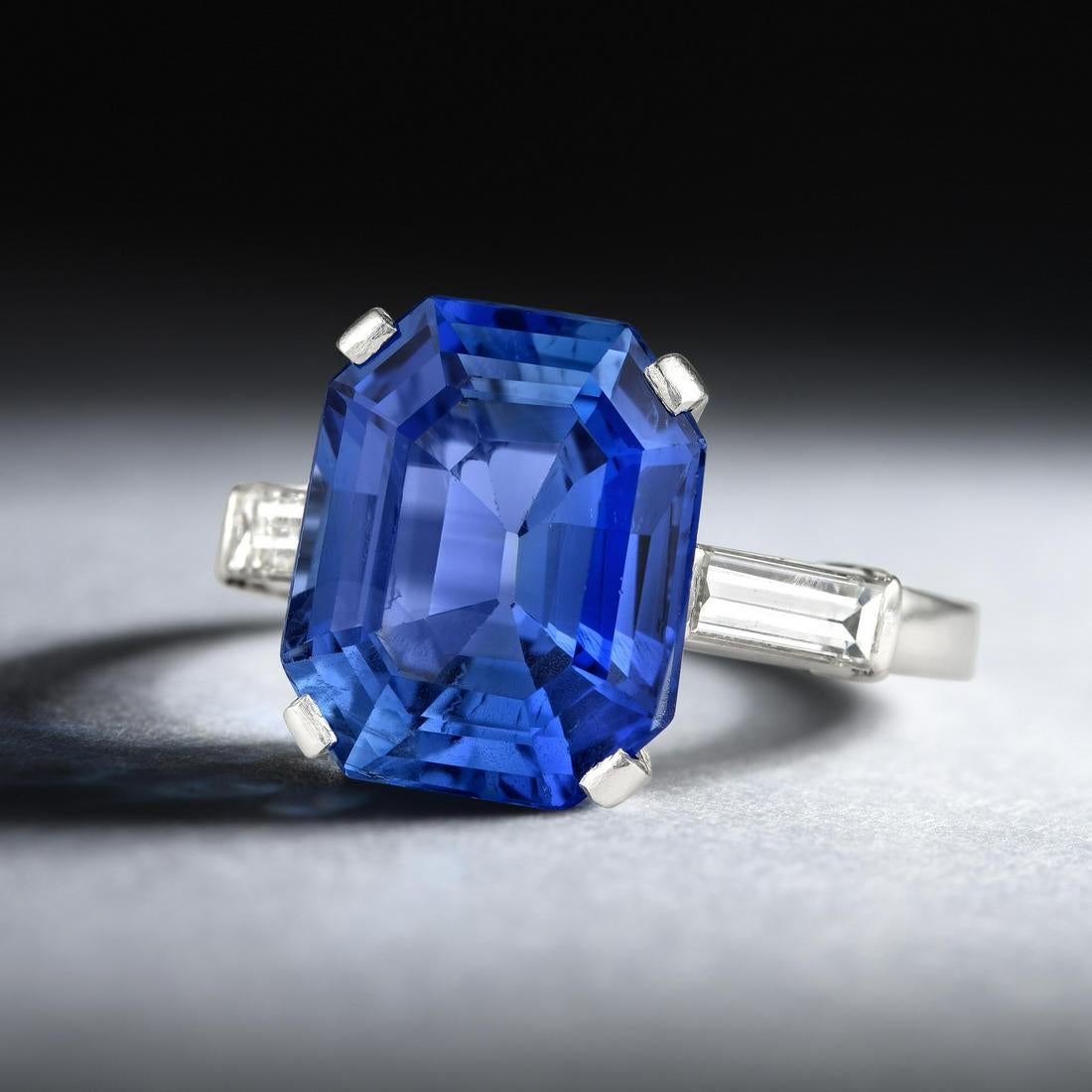
For collectable gems, rarity and size are two primary factors. In addition, color purity and clarity will affect the gem's value. Also, consider a gem's provenance. A ruby from the Czar with documentation will bring more than a stone with equal characteristics but no identifiable history.
With (very) rare exceptions, the gem trade requires a report from either the Gemological Institute of America (GIA), Gübelin Laboratories, or the American Gem Society (AGS). (Under some circumstances, possibly all three). Original sales receipts, photographs of the gem object being worn, and appraisals with verifiable documentation can support provenance. Other vetting methods may also apply.
All those I interviewed recommended a ten-year period. This span allows for changes in currency and general market fluctuations to overcome the initial costs of purchase (brokerage fees, resale brokerage fees, cost of gemological reports, etc).
No. This is why research is so critical before putting money into gems. Again, rarity and size affect gem value. As the world population grows, income and knowledge grow as well. More people are consuming gems of all kinds. However, increased demand diminishes supplies. Some stones simply aren't mined anymore.
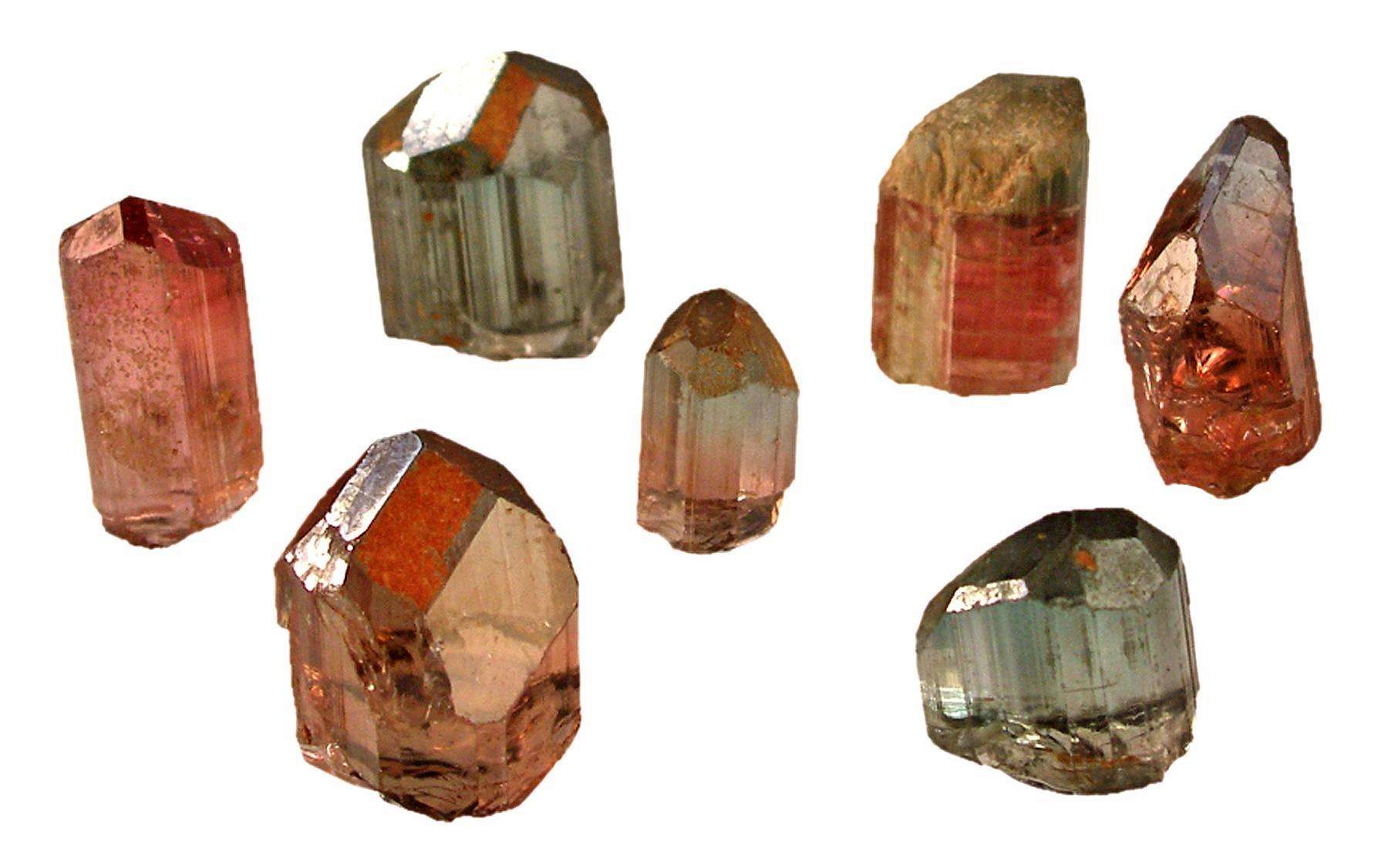
For example, alexandrite of size from Russia is virtually unavailable. The mines were played out a century ago. The same holds true for Maine (USA) tourmaline and, soon, for Brazilian paraíba tourmaline. Some stones occur so rarely they become collectable even before cutting, such as large, natural aquamarine crystals and natural ruby in matrix, to name a few.
You have a number of viable options. Sell it at auction, sell it back to a dealer, or consign it to a dealer/broker for resale. All of these methods are commonly used in the gem trade today. In addition, online sales opportunities can work quite well for an individual seller. Also, take the advice of the seller from whom you purchased the stone. Often, sellers with integrity repurchase stones of this nature simply because they'll only offer what they're inclined to keep for themselves.
Yes, if you're willing to be patient and buy the right types of gems. Understand that this isn't for the poorly capitalized. (See the investment question). As your enthusiasm and knowledge grows, look to the future. However, don't focus solely on resale. Look into collecting and possibly lending or donating to a museum or simply building a legacy for your future generations.
The simple answer to both questions is yes.
Probably not. There are exceptions. However, you'll have to consider a number of different factors.
Let's say you have a loose stone and have commissioned a mounting for it. Generally, the labor cost for creating a jewelry piece commensurate to the stone's value will be quite high. Typically, such mountings will be platinum. Based on auction results, the consensus indicates that very simple, 30s styling (read vintage, not necessarily Art Deco) with very high-level workmanship will not diminish the value. However, it probably won't enhance the value, either. To put it simply, the presentation might entice the resale market, but the gemstone remains the purchase focus.
Surprisingly, even commissioning a piece from a major house like Van Cleef or Tiffany won't add much, if anything, to the value. Of course, this assumes a ten-year perspective. The labor and associated markup costs prove difficult to overcome until you're 30+ years out. Naturally, there are exceptions. For example, a commissioned piece that assembles a suite, a "collection," of matched or complementary stones purchased over time. Nevertheless, generally, setting a gem of consequence adds little to no value.
It depends.
If you take good care of the jewelry piece, no. Setting a gem won't affect the value, plus you gain the additional benefit of wearing a rare gem. On the other hand, you must consider the "wear and tear" factor. If you bump the stone against hard objects, don't store it in a separate bag/container, or simply bang the piece around thoughtlessly, small abrasions will occur on the facet junctions or the stone will simply get scratched.
This damage isn't terminal. However, it may necessitate recutting and repolishing the gemstone, which then must be removed from its mounting. (You'll need a new appraisal or gemological grade report as well). Recutting will not only decrease the stone's weight but also change the gem's facet angles, possibly affecting its optical performance. Recutting becomes more critical when the stone is near a "prime weight." For example, if that's 10 carats, even a simple re-polish could decrease the stone's weight to 9.95 cts. Such a stone would be valued somewhat less than a 10+ carat gem.
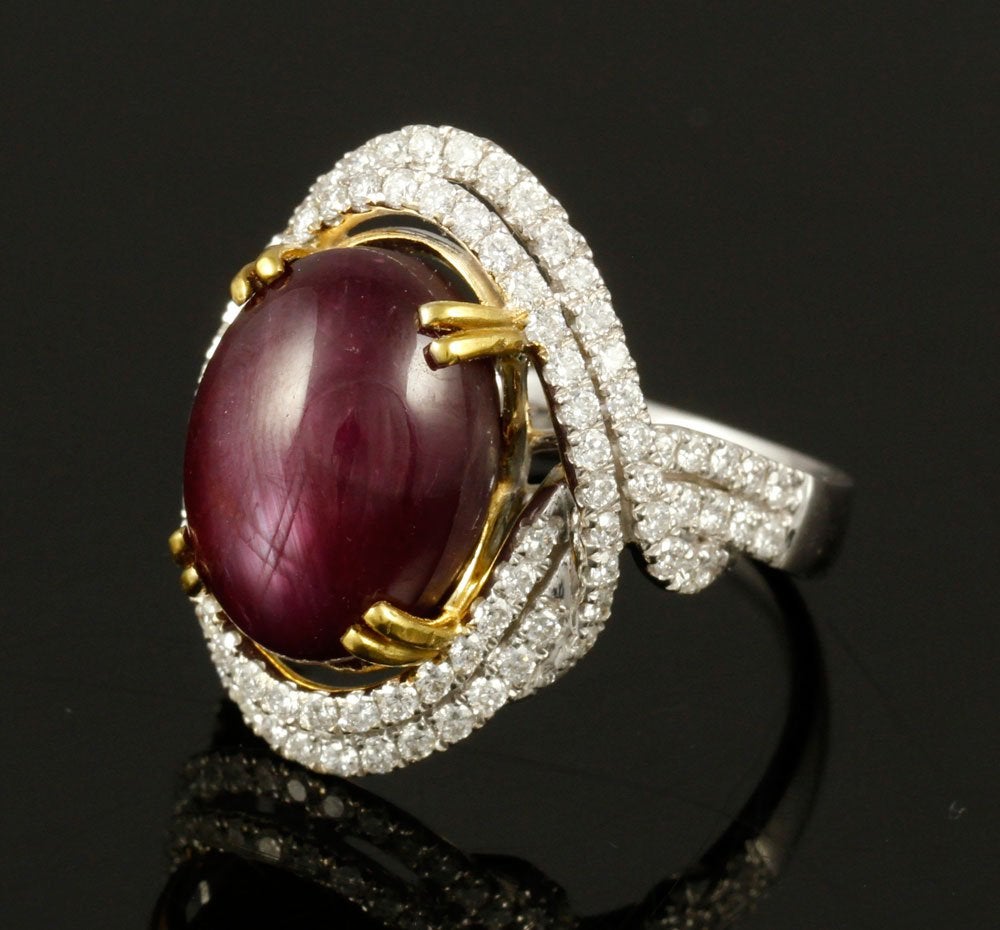
Remember, one of the foremost factors in gem value is rarity. That means you can't easily replace a lost, stolen, or heavily damaged valuable gem.
Yes, though the parameters for insurance will depend on your insurer, the gem's exposure, and transportation.
Yes. You can find many commercially available gem displays for individual and groups of gems. In addition, custom-made display houses can provide speciality enclosures.
A number of companies cater to this specific need for the gem trade, museums, and collectors. Brinks is just one of several in the US that provides such a service. (Editor's Note: If you're mailing gemstones, read this article for safety tips).
Certainly safes, safety deposit boxes, and hidden panels would all be good choices. Consult your insurance carrier for the best advice and specifically address your own security and exposure needs. Most insurance companies will want advance notification if you're transporting a valuable item to and from a bank. A home security system may need a thorough vetting from the insurance carrier as well.
(Editor's Note: Keep in mind that some gemstones, like opals and pearls, have special environmental requirements. Rarer gemstones may also have special requirements. See the "Care" section for individual gems in the IGS Gem Listings for additional information).
This gets tricky.
You need a really good appraiser that doesn't "over appraise" the value. (You're paying a premium on each thousand insured). Yet, you want the stone valued sufficiently so you can replace it if lost. Insurance carriers generally accept the American Society of Appraisers. Some carriers may also require a Graduate Gemologist (GG) degree from the appraiser. Do your homework and interview several people to learn about their backgrounds and skill sets. Not all appraisers have what it takes to work in the elevated "collectors" arena.
As to "how often," allow a three-year span for updates. If you have a good relationship with an appraiser, they'll simply have to update a value and current date, rather than write a new appraisal. Most insurance companies notify their clients for periodic updates. However, watch the market for your gems as well. If you see a spike in the selling price, a simple call to your appraiser will ensure you're always current.


When you join the IGS community, you get trusted diamond & gemstone information when you need it.
All those described in the following system are considered to be reputable wholesalers. This system doesn't include hobbyists, internet vendors to the public, or the "Home Sales" community.
Sellers of rough and first generation cut materials (gems) to the tiers that follow.
This article is also a part of our Buying Gems for Profit Mini Course, in the unit Gemstones as Investment Vehicles.
Buyers for cartels and corporate entities (Bulgari, Graff, Tiffany, etc). Large (7 figure +) buys generally consume a great portion of Tier 1's holdings. These buyers buy all available material, often selling what isn't needed or wanted to return capital (at loss/cost/small profit). They save the best material for sale at premium (+) profit.
Buyers for collectors. Sales to other dealers constitute the bulk of Tier 3's business. These buyers also sell to "Guild Level" retail stores. This tier buys the best quality and, generally, the rarest gem materials. While these gems may be too esoteric for Tier 1, they prove quite viable in the collector/dealer network. Often, museums prefer Tier 3 as suppliers for fine collections and exhibitions.
Although these dealers will have some fine goods to support their credibility in the "Gem Trade Industry," they focus on "commercial gems." These stones are more likely to be price point stones for manufacturers and small retailers. This tier will often have heated and/or otherwise enhanced gems to keep the "look" but still be able to sell at lower costs. Also, these dealers will supply lots (large numbers of unmatched stones) for manufacturing purposes. These dealers will have offices, most likely, and a web presence. They do shows and, generally, have on-the-road sales staff.
Primarily singular entities, these gem dealers focus on road sales and accessing special stones for retailers who need a particular piece for a client's request. This tier will often have quite nice inventories, although generally limited to smaller stones not in the commercial domain. They'll have industry connections to Tier 3 sellers for special needs. Their personal service and hands-on experience are valuable to the gem trade. They create trust between retailers and Tier 3 sellers. Thus, this tier acts as a bridge for those less connected or unable to do the research to find a particular stone.
These retail buyers purchase through dealers, shows, and estate sellers (both commercial and private). They sell exclusively to the retail consumer.
While reviewing the tier system, several things became obvious.
A gem's value ceiling will be dictated by comparable gems of equal color, clarity, size, cut, and availability.
A gem has price ceilings in three domains:
I've based these frequently asked questions (FAQ) about the gem trade on interviews with the following people, none quoted directly. Each party is seasoned with 30 to over 100 years experience (the Kazanjian Family) in the business. These people all operate in the top three tiers, dealing primarily in the broker to broker trade. Some, like Michael Kazanjian and Kim Hurlbut-Sarosi, have direct-to-the-public sales as well.
The answer, based on the above interviews, is no. The gem trade has to take care of many hands. (Read, commissions). Furthermore, the market is volatile for all but a few of the finest gems.
Yes. Historically, a number of gems have proven to hold value. The best publicly accessible resources for this information include auction results for Sotheby's, Christie's, Bonhams, and others of quality.
Some popular examples are:
Many other gems, beyond the so-called "precious" stones, match or even exceed the preceding gems in desirability. These include alexandrite, cat's eye chrysoberyl, red spinel, Brazilian paraíba tourmaline, African ruby (old mine source), and others.
For collectable gems, rarity and size are two primary factors. In addition, color purity and clarity will affect the gem's value. Also, consider a gem's provenance. A ruby from the Czar with documentation will bring more than a stone with equal characteristics but no identifiable history.
With (very) rare exceptions, the gem trade requires a report from either the Gemological Institute of America (GIA), Gübelin Laboratories, or the American Gem Society (AGS). (Under some circumstances, possibly all three). Original sales receipts, photographs of the gem object being worn, and appraisals with verifiable documentation can support provenance. Other vetting methods may also apply.
All those I interviewed recommended a ten-year period. This span allows for changes in currency and general market fluctuations to overcome the initial costs of purchase (brokerage fees, resale brokerage fees, cost of gemological reports, etc).
No. This is why research is so critical before putting money into gems. Again, rarity and size affect gem value. As the world population grows, income and knowledge grow as well. More people are consuming gems of all kinds. However, increased demand diminishes supplies. Some stones simply aren't mined anymore.
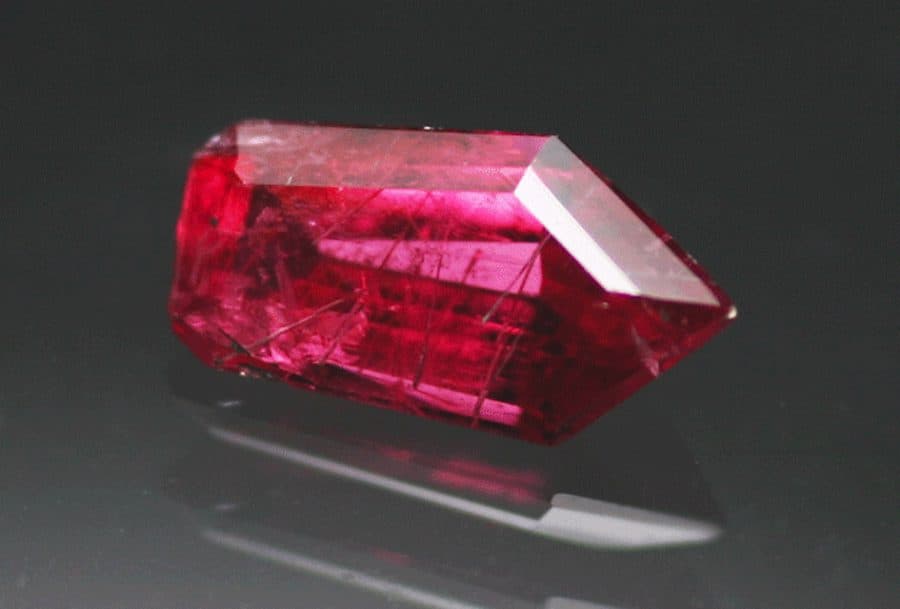
For example, alexandrite of size from Russia is virtually unavailable. The mines were played out a century ago. The same holds true for Maine (USA) tourmaline and, soon, for Brazilian paraíba tourmaline. Some stones occur so rarely they become collectable even before cutting, such as large, natural aquamarine crystals and natural ruby in matrix, to name a few.
You have a number of viable options. Sell it at auction, sell it back to a dealer, or consign it to a dealer/broker for resale. All of these methods are commonly used in the gem trade today. In addition, online sales opportunities can work quite well for an individual seller. Also, take the advice of the seller from whom you purchased the stone. Often, sellers with integrity repurchase stones of this nature simply because they'll only offer what they're inclined to keep for themselves.
Yes, if you're willing to be patient and buy the right types of gems. Understand that this isn't for the poorly capitalized. (See the investment question). As your enthusiasm and knowledge grows, look to the future. However, don't focus solely on resale. Look into collecting and possibly lending or donating to a museum or simply building a legacy for your future generations.
The simple answer to both questions is yes.
Probably not. There are exceptions. However, you'll have to consider a number of different factors.
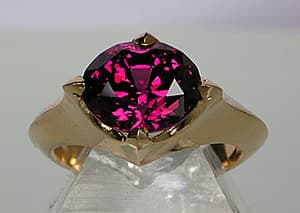
Let's say you have a loose stone and have commissioned a mounting for it. Generally, the labor cost for creating a jewelry piece commensurate to the stone's value will be quite high. Typically, such mountings will be platinum. Based on auction results, the consensus indicates that very simple, 30s styling (read vintage, not necessarily Art Deco) with very high-level workmanship will not diminish the value. However, it probably won't enhance the value, either. To put it simply, the presentation might entice the resale market, but the gemstone remains the purchase focus.
Surprisingly, even commissioning a piece from a major house like Van Cleef or Tiffany won't add much, if anything, to the value. Of course, this assumes a ten-year perspective. The labor and associated markup costs prove difficult to overcome until you're 30+ years out. Naturally, there are exceptions. For example, a commissioned piece that assembles a suite, a "collection," of matched or complementary stones purchased over time. Nevertheless, generally, setting a gem of consequence adds little to no value.
It depends.
If you take good care of the jewelry piece, no. Setting a gem won't affect the value, plus you gain the additional benefit of wearing a rare gem. On the other hand, you must consider the "wear and tear" factor. If you bump the stone against hard objects, don't store it in a separate bag/container, or simply bang the piece around thoughtlessly, small abrasions will occur on the facet junctions or the stone will simply get scratched.
This damage isn't terminal. However, it may necessitate recutting and repolishing the gemstone, which then must be removed from its mounting. (You'll need a new appraisal or gemological grade report as well). Recutting will not only decrease the stone's weight but also change the gem's facet angles, possibly affecting its optical performance. Recutting becomes more critical when the stone is near a "prime weight." For example, if that's 10 carats, even a simple re-polish could decrease the stone's weight to 9.95 cts. Such a stone would be valued somewhat less than a 10+ carat gem.
Remember, one of the foremost factors in gem value is rarity. That means you can't easily replace a lost, stolen, or heavily damaged valuable gem.
Yes, though the parameters for insurance will depend on your insurer, the gem's exposure, and transportation.
Yes. You can find many commercially available gem displays for individual and groups of gems. In addition, custom-made display houses can provide speciality enclosures.
A number of companies cater to this specific need for the gem trade, museums, and collectors. Brinks is just one of several in the US that provides such a service. (Editor's Note: If you're mailing gemstones, read this article for safety tips).
Certainly safes, safety deposit boxes, and hidden panels would all be good choices. Consult your insurance carrier for the best advice and specifically address your own security and exposure needs. Most insurance companies will want advance notification if you're transporting a valuable item to and from a bank. A home security system may need a thorough vetting from the insurance carrier as well.
(Editor's Note: Keep in mind that some gemstones, like opals and pearls, have special environmental requirements. Rarer gemstones may also have special requirements. See the "Care" section for individual gems in the IGS Gem Listings for additional information).
This gets tricky.
You need a really good appraiser that doesn't "over appraise" the value. (You're paying a premium on each thousand insured). Yet, you want the stone valued sufficiently so you can replace it if lost. Insurance carriers generally accept the American Society of Appraisers. Some carriers may also require a Graduate Gemologist (GG) degree from the appraiser. Do your homework and interview several people to learn about their backgrounds and skill sets. Not all appraisers have what it takes to work in the elevated "collectors" arena.
As to "how often," allow a three-year span for updates. If you have a good relationship with an appraiser, they'll simply have to update a value and current date, rather than write a new appraisal. Most insurance companies notify their clients for periodic updates. However, watch the market for your gems as well. If you see a spike in the selling price, a simple call to your appraiser will ensure you're always current.