11 Minute Read
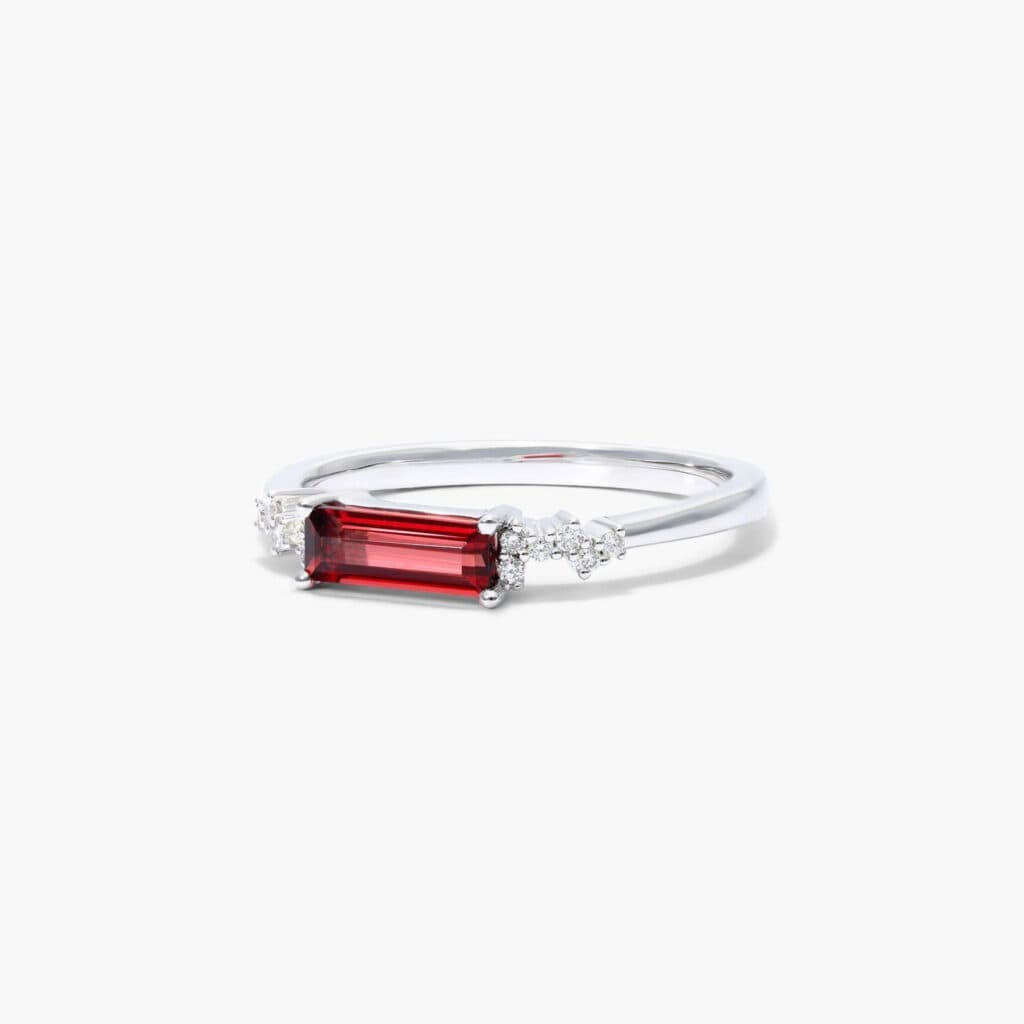
Garnets are the workhorses of the gemstone world. A hardy gem that comes in pretty much any color you can imagine, garnets are often priced more reasonably than similar-looking corundum. Looking through the International Gem Societies Price Guide, you will notice that we have no master list for garnet. Rather, we have separated each variety and given them their own tailored value ranges. We do this because garnet is a ubiquitous gemstone with variants found all over the world. Some species are commonplace while others are exceptionally rare, and each deserve their own independent analysis.
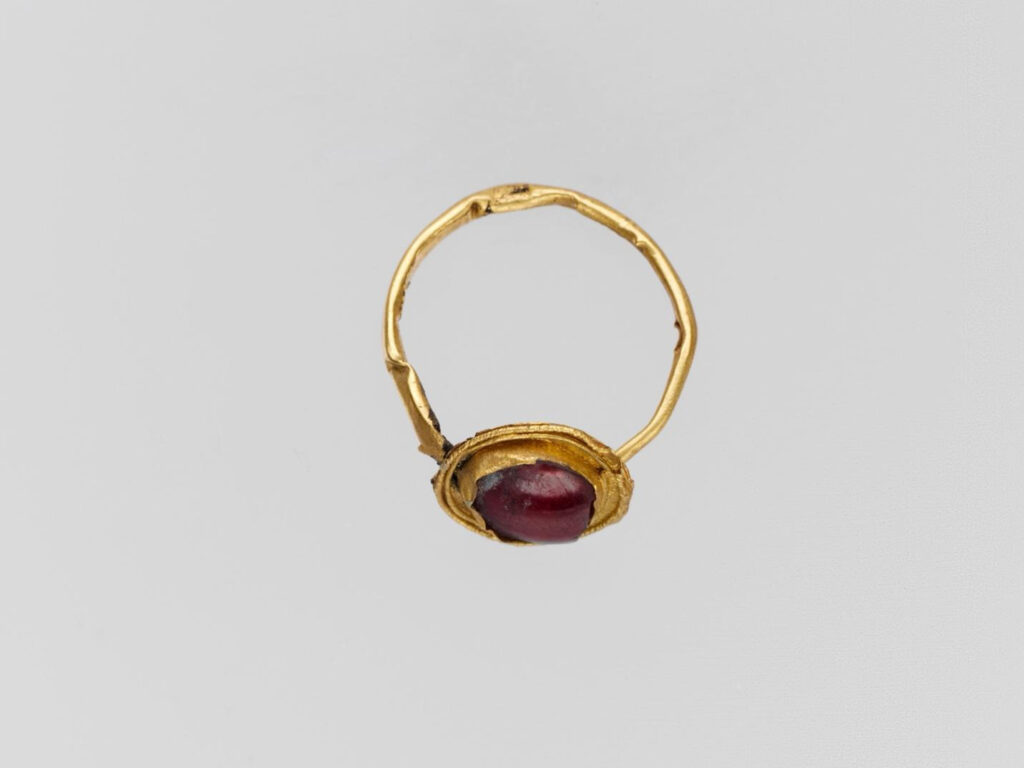
Garnets have been used in jewelry for thousands of years. This Greek or Cypriot golden ring from the late 4th-2nd century BCE features a durable red garnet cabochon that has survived the test of time. Photo The Met.
What Are Garnets and Why Are There So Many Varieties?
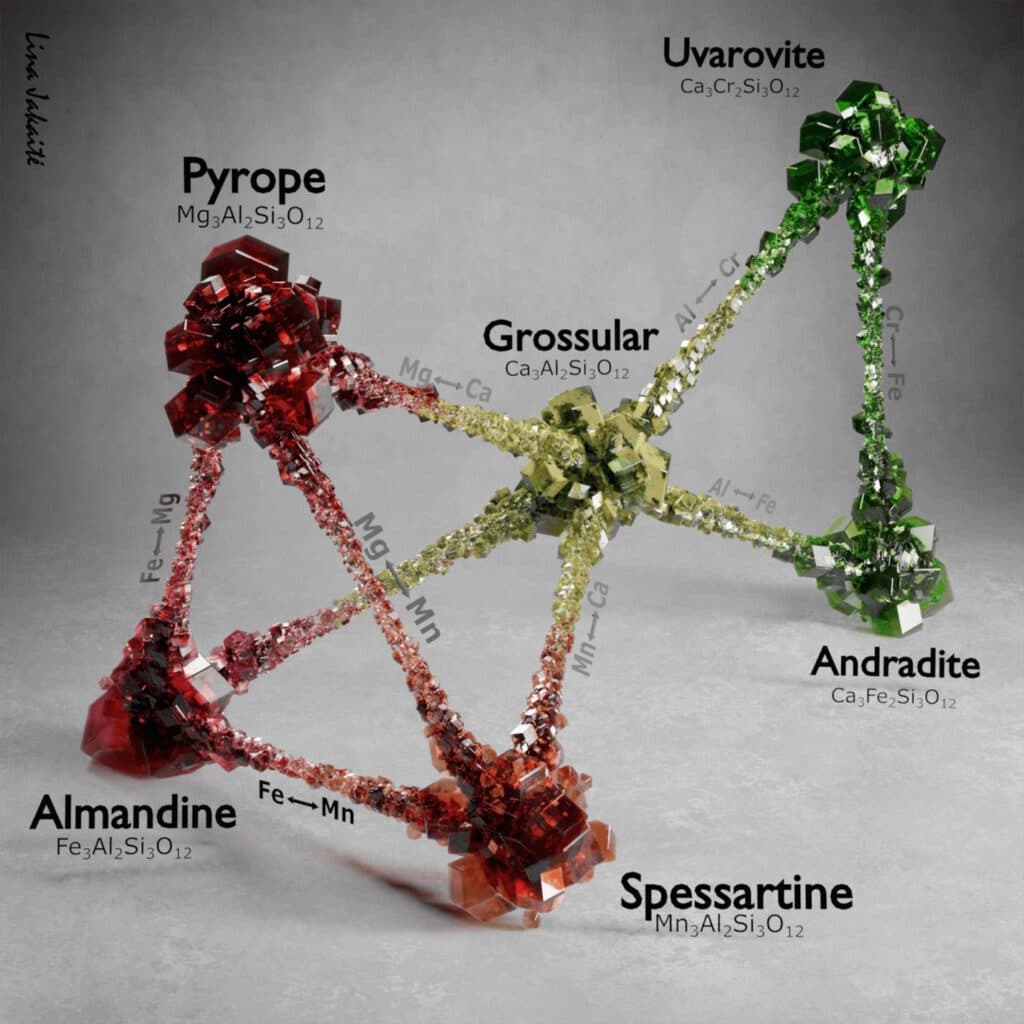
The general chemical formula for garnet is R3R2(SIO4)3 where "R" sits in place of some kind of element like iron, calcium, or magnesium. With so many potential chemical pairings on the table, there are quite a few viable combinations, ultimately yielding more than twenty distinct garnet species. However, only five of those are considered to be gem-quality and large enough to be marketable: almandine, andradite, grossular, pyrope, and spessartine.
But don't get comfortable! This list of five distinct species is deceptively simple. In actuality, the vast majority of garnet crystals are a mix of multiple species. Having so many chemical elements at play is why garnets have a full range of color expression.
Value Characteristics for All Garnet Varieties are the Standard Factors Color, Clarity, Carat Weight, and Cut
Like most gemstones, the value range of any garnet species is based primarily on four characteristics: the quality of its color expression, its clarity, how much it weighs, and how well it is cut. Let's examine each variety individually to see what knowledgeable buyers value the most.
Individual Garnet Species and Their Qualities
Almandine and pyrope garnet species often have eye-clean clarity. As a result, gems with eye-visible characteristics have noticeably lower per-values than clean stones.
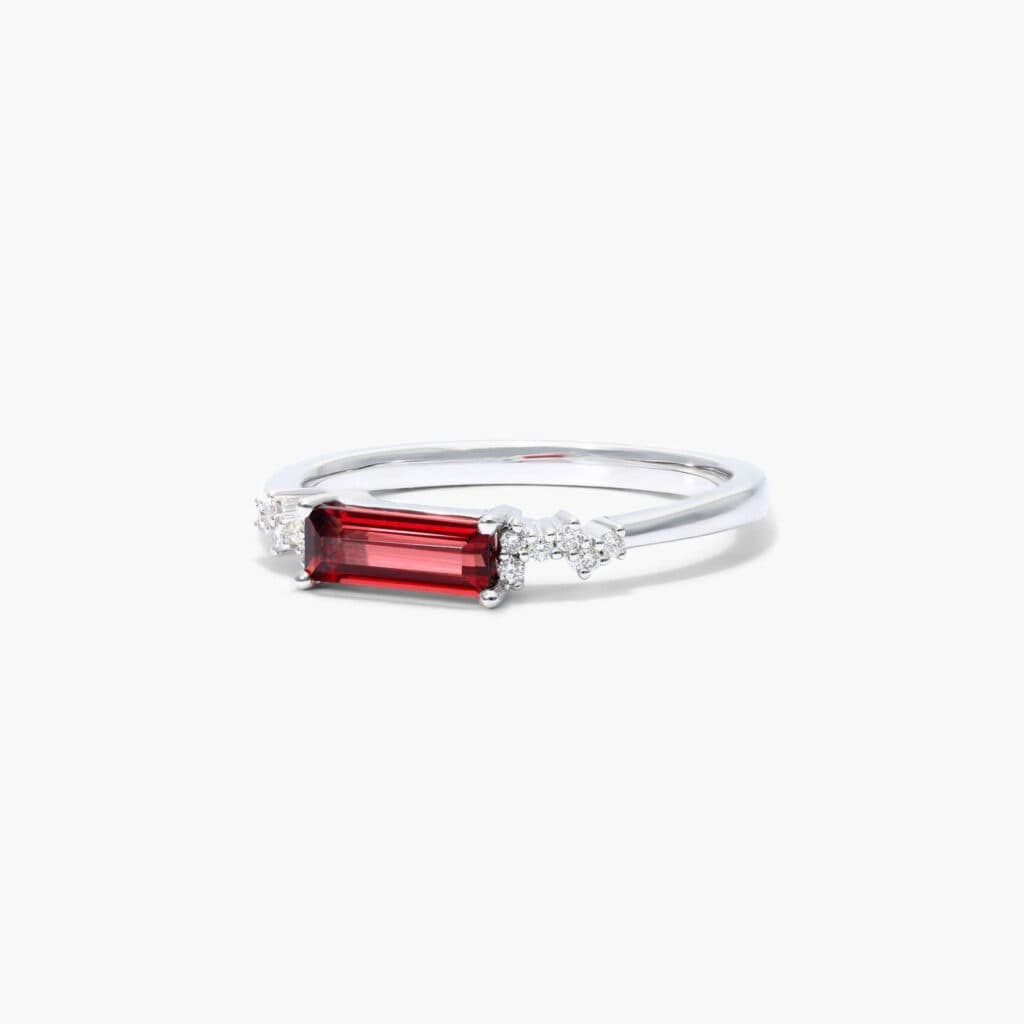
Almandine-pyrope garnets are among the most common of garnet varieties with mines located around the world. This keeps the supply chain well-stocked with affordable stones. It is also important to note that gems with almandine are found in many sizes, so the difference in per-carat values of small stones compared to larger ones is not as dramatic as is the case for some of the other garnet varieties.
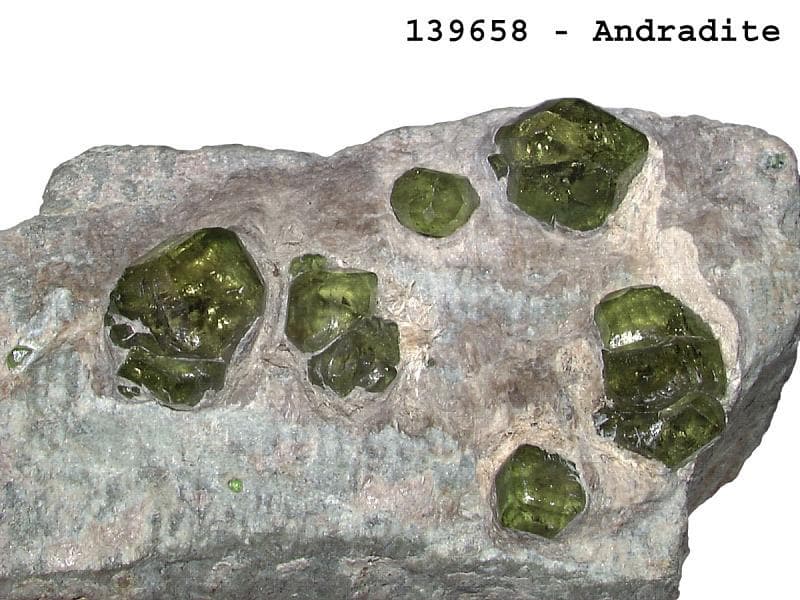
Andradites can have eye-visible inclusions which lowers their value, especially if inclusions are numerous enough to cloud transparency.
Many andradite garnets have African origin with well-known sources in Mali and Namibia. There are other deposits spread around the globe in places like Russia, the United States, and Italy. These multiple sources provide a stable supply with reasonable per-carat values.
In addition to being rare, color change garnets also tend to be quite small, often weighing less than two carats when cut. Larger stones with strong color change effect have significant per-carat values.
Rarity paired with beauty and uniqueness keep per-carat values of color change garnets high.
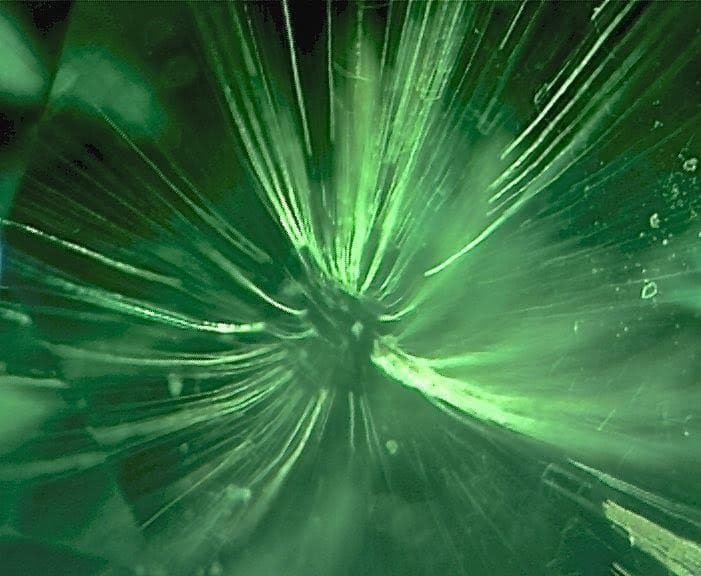
The demantoid garnets from some deposits, including the original Russian mines, can have a distinctive clarity characteristic called "horsetail" inclusions. Horsetail inclusions are eye-visible elongated fibers whose ends are grouped together and spread throughout the stone, appearing like a horse's tail suspended in water. While the value of other garnet varieties is lowered by the presence of inclusions, demantoid value balloons when bold and distinct horsetail inclusions are present. Cutters will abandon standard faceting proportions when presented with such demantoids and instead opt for an orientation and shape that highlights the inclusions best. Sizable demantoids with the top green color and fine horsetail inclusions are among the most valued garnet gems on the market.
A quick note about their cut. Demantoids are the softest of all garnet varieties and cutters will usually opt for a rounded shape rather than a square or rectangle outline whose corners and edges are vulnerable to chipping.
There are hundreds of gem deposits worldwide that have yielded grossular garnets but most faceted stones weigh less than five carats. The value for any gem bigger than that is much higher than the average price.
The clarity of grossular garnets is often more translucent than transparent. Cutters may choose to shape cabochons or beads from cloudy rough that isn't suitable for fine jewelry.
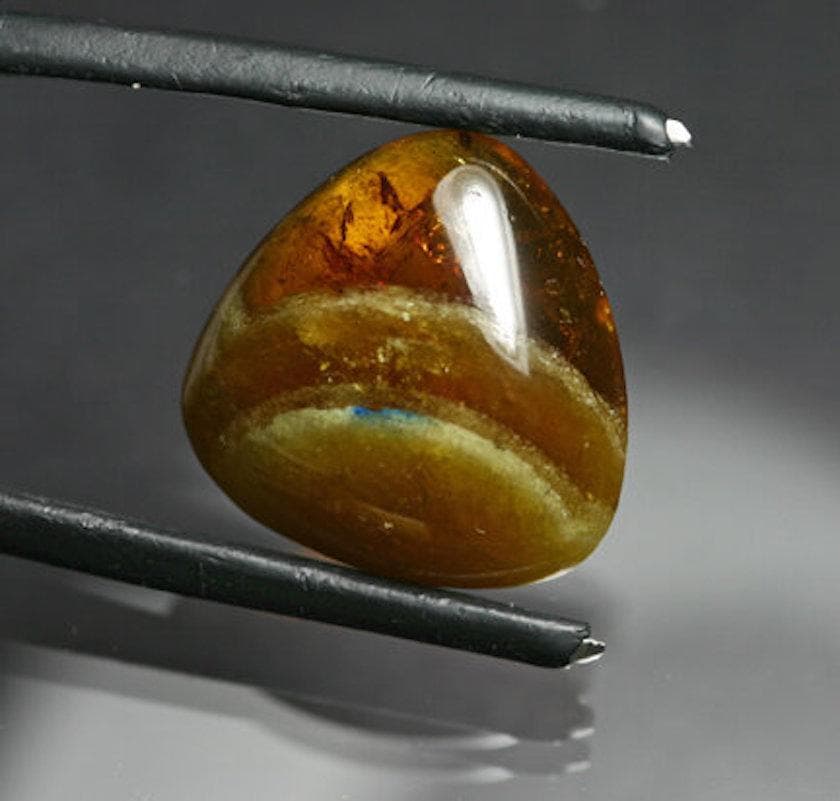

Only a fraction of grossular garnet deposits yield hessonite gems, and stones tend to be quite small. Mexico has gained the distinction of producing a steady supply of fine hessonite garnets with a desirable, well-saturated orange hue.
Speaking about value, hessonites with strong brown color are less valuable than stones with a purer yellow or orange hue. Clarity matters quite a bit with so many stones being unusable due to numerous inclusions. All but the nicest hessonites are an affordable garnet variety.

The original source of Malaia/Malaya garnets was the Umba River Valley in Tanzania where they stood out against the more common and popular purple rhodolite garnets. It took a while for the trade to appreciate the unique beauty of Malaia/Malaya garnets. In fact, the word "Malaya" is derived from a Swahili word that means "outcast" referencing the initially greater demand for the purple garnets they were found alongside. Now, they have gained their own devoted following.
The top-value Malaia/Malaya garnets have a bright color with minimal or complete lack of brown. Again, good clarity and transparency are prized. Also, like many gem-quality garnets, Malaia/Malaya stones weight a few carats or less. High quality stones that weigh in excess of ten carats are very rare and often purchased by collectors.

In addition to their appealing color, rhodolites are known for good clarity. Not only are gems often eye-clean, but the lack of large inclusions means that rhodolites are highly durable. As a result, gem-quality rhodolite is available in sizes that most other garnets varieties can't achieve. Having so many big stones available, cutters can do a lot with rhodolites. In addition to calibrated cuts, it is not uncommon to see freeform designs and carvings.

Thankfully, the supply of this popular garnet is both fed by multiple sources with plentiful reserves which keeps per-carat values relatively inexpensive.
The tone of spessartines doesn't get as strong as almandine garnets which can appear overly dark in large sizes. Cutters take advantage of this by creating faceted stones in high carat weights that are bright and expressive. Of the many sources of spessartine, Brazil has gained a reputation of producing giant raw crystals that can be fashioned into finished gems weighing up to 40 carats which sell for quite a bit of money. But, crystals of this size remain relatively rare. You are more likely to see gems on the market weighing under five carats.
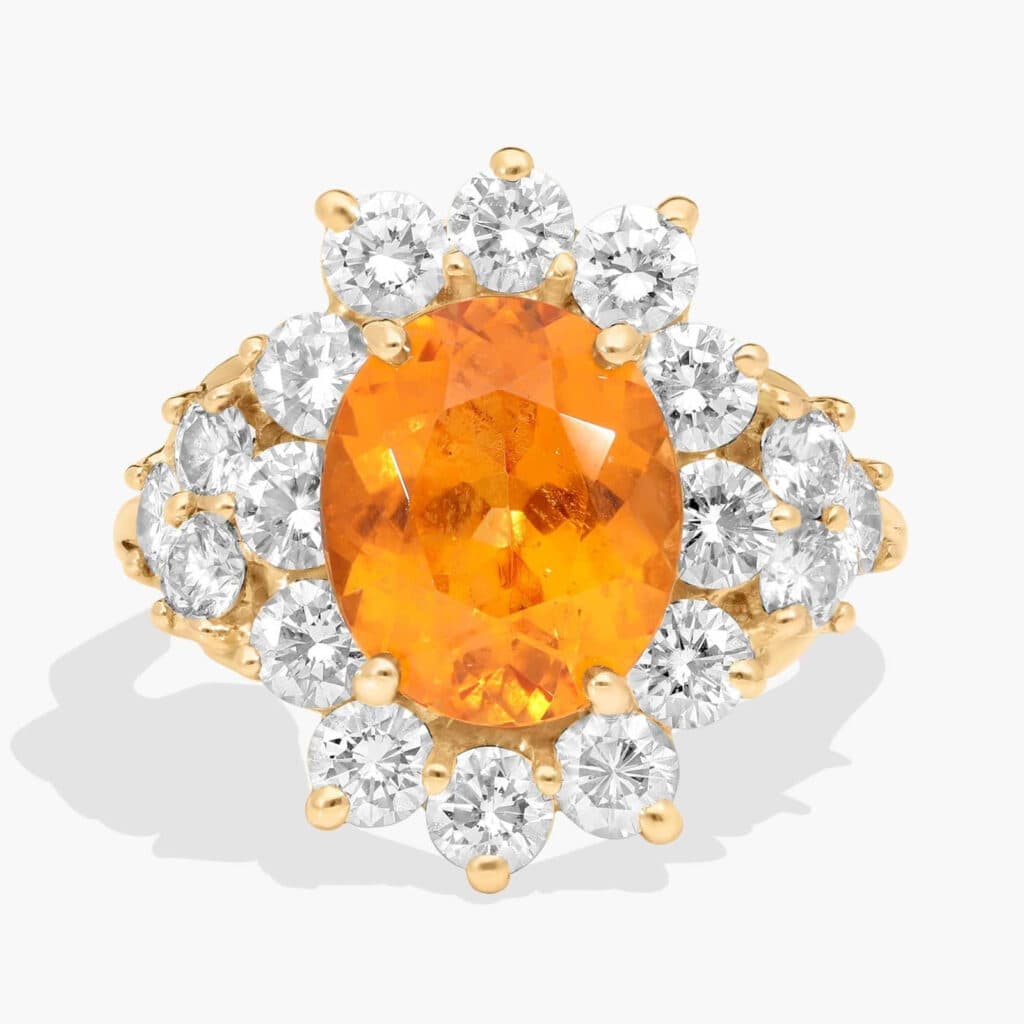
Overall, the value of spessartines varies widely. Pale and dark stones are relatively cheap while finely colored big crystals are amongst the most expensive garnets you can find.

When garnets have asterism that is paired with high transparency, bright color expression, and large size, stones can have sizable per-carat values. The most impressive stones are valued individually.
Like their hessonite cousins, tsavorites tend to be quite small, prompting cutters to sometimes get creative with their faceting choices to preserve carat weight. As a result, the quality of the cut greatly impacts the value of small tsavorites. Alternatively, since bigger stones are so rare, values rise quickly as carat weight grows.

When you join the IGS community, you get trusted diamond & gemstone information when you need it.
Garnets are the workhorses of the gemstone world. A hardy gem that comes in pretty much any color you can imagine, garnets are often priced more reasonably than similar-looking corundum. Looking through the International Gem Societies Price Guide, you will notice that we have no master list for garnet. Rather, we have separated each variety and given them their own tailored value ranges. We do this because garnet is a ubiquitous gemstone with variants found all over the world. Some species are commonplace while others are exceptionally rare, and each deserve their own independent analysis.
Garnets have been used in jewelry for thousands of years. This Greek or Cypriot golden ring from the late 4th-2nd century BCE features a durable red garnet cabochon that has survived the test of time. Photo The Met.
What Are Garnets and Why Are There So Many Varieties?
The general chemical formula for garnet is RR(SIO) where "R" sits in place of some kind of element like iron, calcium, or magnesium. With so many potential chemical pairings on the table, there are quite a few viable combinations, ultimately yielding more than twenty distinct garnet species. However, only five of those are considered to be gem-quality and large enough to be marketable: almandine, andradite, grossular, pyrope, and spessartine.
But don't get comfortable! This list of five distinct species is deceptively simple. In actuality, the vast majority of garnet crystals are a mix of multiple species. Having so many chemical elements at play is why garnets have a full range of color expression.
Value Characteristics for All Garnet Varieties are the Standard Factors Color, Clarity, Carat Weight, and Cut
Like most gemstones, the value range of any garnet species is based primarily on four characteristics: the quality of its color expression, its clarity, how much it weighs, and how well it is cut. Let's examine each variety individually to see what knowledgeable buyers value the most.
Individual Garnet Species and Their Qualities
Almandine and pyrope garnet species often have eye-clean clarity. As a result, gems with eye-visible characteristics have noticeably lower per-values than clean stones.
Almandine-pyrope garnets are among the most common of garnet varieties with mines located around the world. This keeps the supply chain well-stocked with affordable stones. It is also important to note that gems with almandine are found in many sizes, so the difference in per-carat values of small stones compared to larger ones is not as dramatic as is the case for some of the other garnet varieties.
Andradites can have eye-visible inclusions which lowers their value, especially if inclusions are numerous enough to cloud transparency.
Many andradite garnets have African origin with well-known sources in Mali and Namibia. There are other deposits spread around the globe in places like Russia, the United States, and Italy. These multiple sources provide a stable supply with reasonable per-carat values.
In addition to being rare, color change garnets also tend to be quite small, often weighing less than two carats when cut. Larger stones with strong color change effect have significant per-carat values.
Rarity paired with beauty and uniqueness keep per-carat values of color change garnets high.
The demantoid garnets from some deposits, including the original Russian mines, can have a distinctive clarity characteristic called "horsetail" inclusions. Horsetail inclusions are eye-visible elongated fibers whose ends are grouped together and spread throughout the stone, appearing like a horse's tail suspended in water. While the value of other garnet varieties is lowered by the presence of inclusions, demantoid value balloons when bold and distinct horsetail inclusions are present. Cutters will abandon standard faceting proportions when presented with such demantoids and instead opt for an orientation and shape that highlights the inclusions best. Sizable demantoids with the top green color and fine horsetail inclusions are among the most valued garnet gems on the market.
A quick note about their cut. Demantoids are the softest of all garnet varieties and cutters will usually opt for a rounded shape rather than a square or rectangle outline whose corners and edges are vulnerable to chipping.
There are hundreds of gem deposits worldwide that have yielded grossular garnets but most faceted stones weigh less than five carats. The value for any gem bigger than that is much higher than the average price.
The clarity of grossular garnets is often more translucent than transparent. Cutters may choose to shape cabochons or beads from cloudy rough that isn't suitable for fine jewelry.
Only a fraction of grossular garnet deposits yield hessonite gems, and stones tend to be quite small. Mexico has gained the distinction of producing a steady supply of fine hessonite garnets with a desirable, well-saturated orange hue.
Speaking about value, hessonites with strong brown color are less valuable than stones with a purer yellow or orange hue. Clarity matters quite a bit with so many stones being unusable due to numerous inclusions. All but the nicest hessonites are an affordable garnet variety.
The original source of Malaia/Malaya garnets was the Umba River Valley in Tanzania where they stood out against the more common and popular purple rhodolite garnets. It took a while for the trade to appreciate the unique beauty of Malaia/Malaya garnets. In fact, the word "Malaya" is derived from a Swahili word that means "outcast" referencing the initially greater demand for the purple garnets they were found alongside. Now, they have gained their own devoted following.
The top-value Malaia/Malaya garnets have a bright color with minimal or complete lack of brown. Again, good clarity and transparency are prized. Also, like many gem-quality garnets, Malaia/Malaya stones weight a few carats or less. High quality stones that weigh in excess of ten carats are very rare and often purchased by collectors.
In addition to their appealing color, rhodolites are known for good clarity. Not only are gems often eye-clean, but the lack of large inclusions means that rhodolites are highly durable. As a result, gem-quality rhodolite is available in sizes that most other garnets varieties can't achieve. Having so many big stones available, cutters can do a lot with rhodolites. In addition to calibrated cuts, it is not uncommon to see freeform designs and carvings.
Thankfully, the supply of this popular garnet is both fed by multiple sources with plentiful reserves which keeps per-carat values relatively inexpensive.
The tone of spessartines doesn't get as strong as almandine garnets which can appear overly dark in large sizes. Cutters take advantage of this by creating faceted stones in high carat weights that are bright and expressive. Of the many sources of spessartine, Brazil has gained a reputation of producing giant raw crystals that can be fashioned into finished gems weighing up to 40 carats which sell for quite a bit of money. But, crystals of this size remain relatively rare. You are more likely to see gems on the market weighing under five carats.
Overall, the value of spessartines varies widely. Pale and dark stones are relatively cheap while finely colored big crystals are amongst the most expensive garnets you can find.
When garnets have asterism that is paired with high transparency, bright color expression, and large size, stones can have sizable per-carat values. The most impressive stones are valued individually.
Like their hessonite cousins, tsavorites tend to be quite small, prompting cutters to sometimes get creative with their faceting choices to preserve carat weight. As a result, the quality of the cut greatly impacts the value of small tsavorites. Alternatively, since bigger stones are so rare, values rise quickly as carat weight grows.