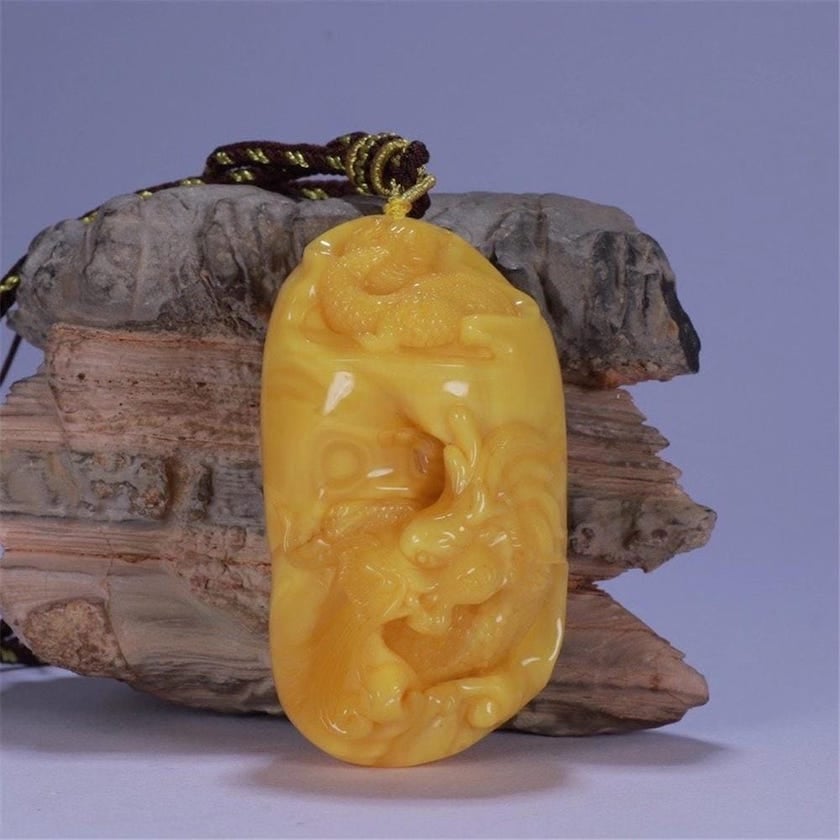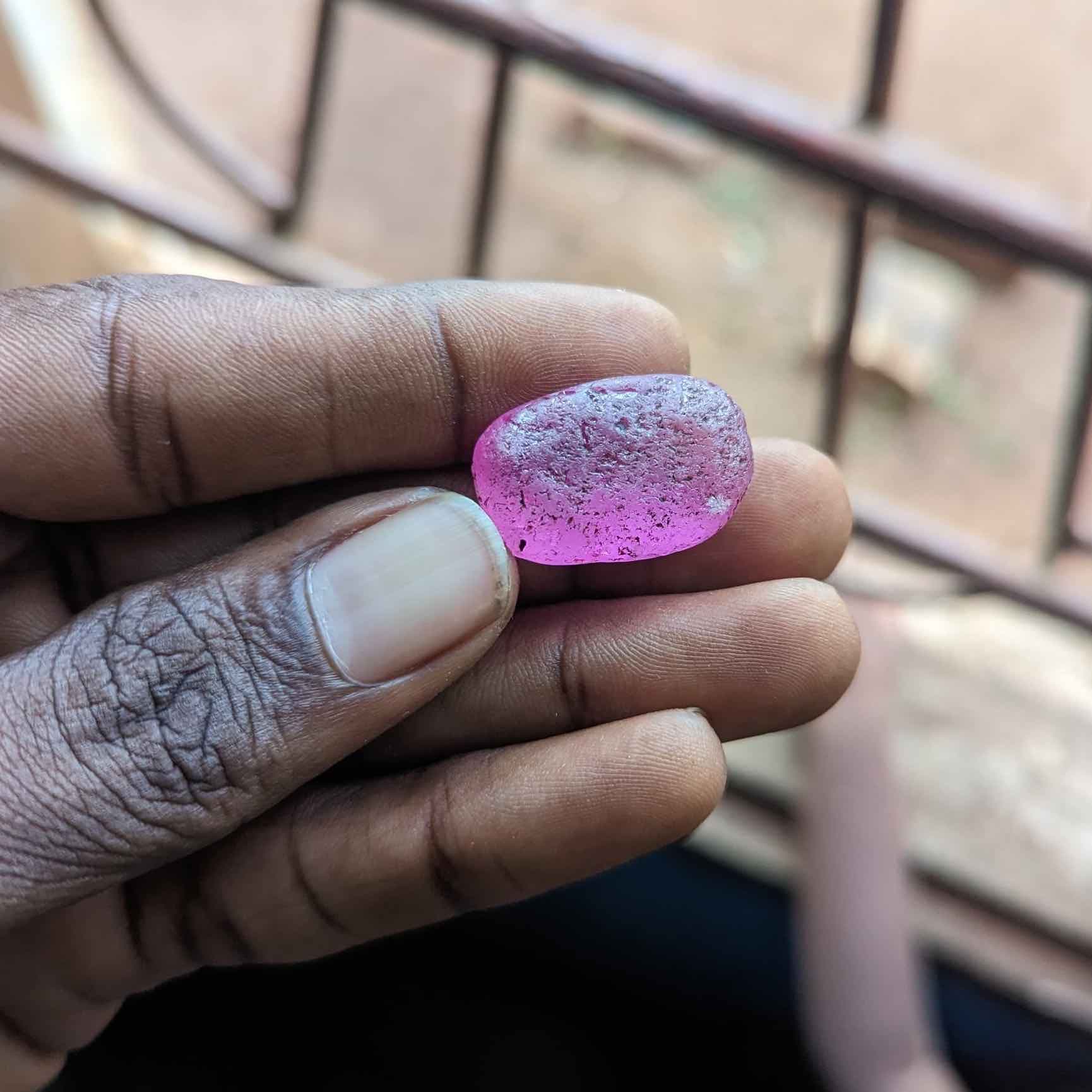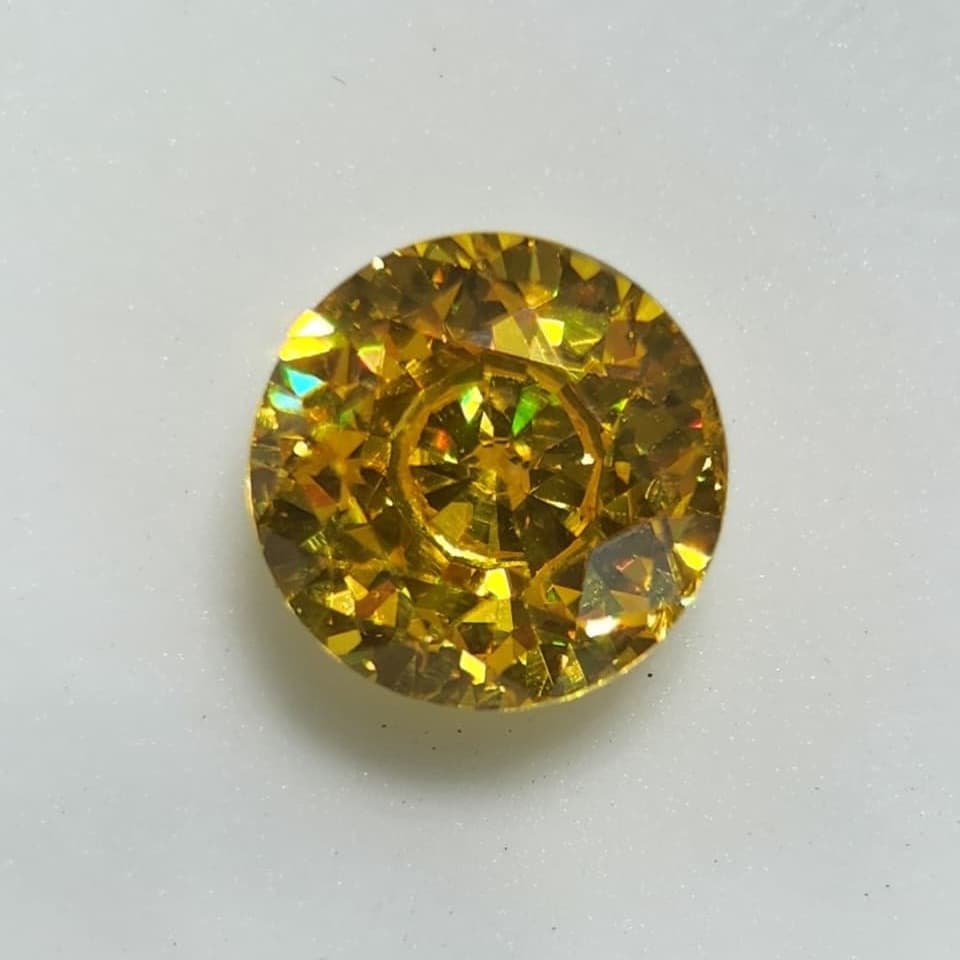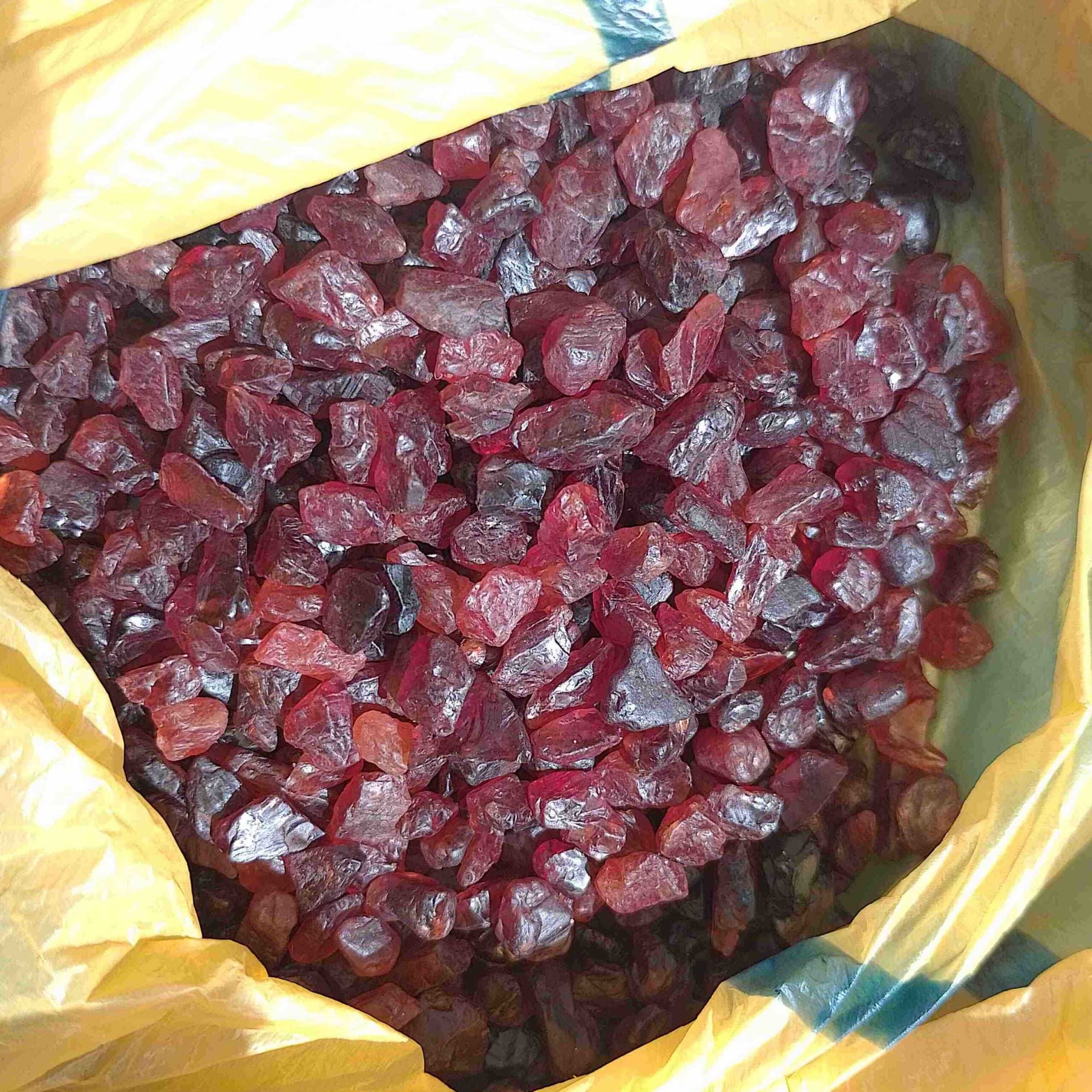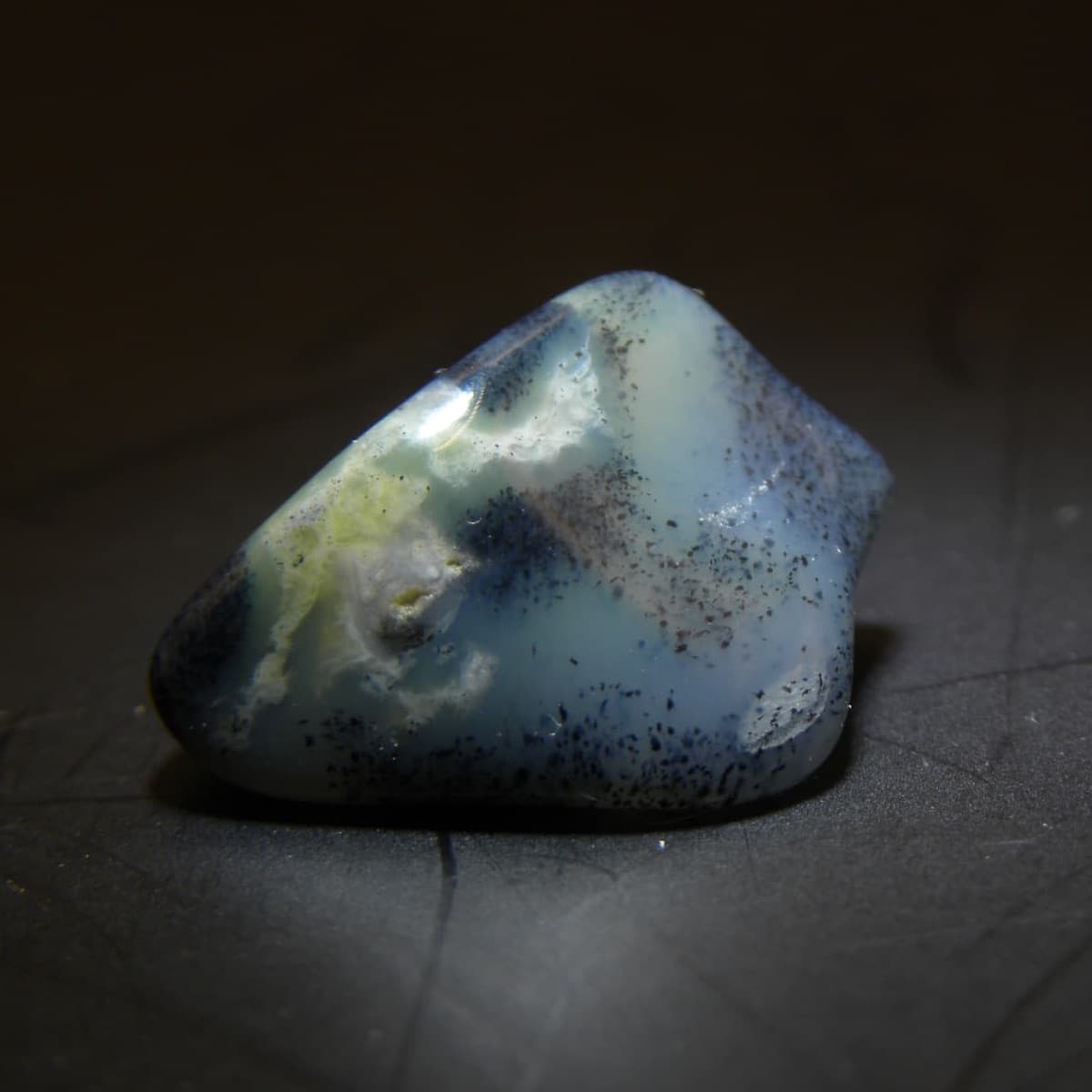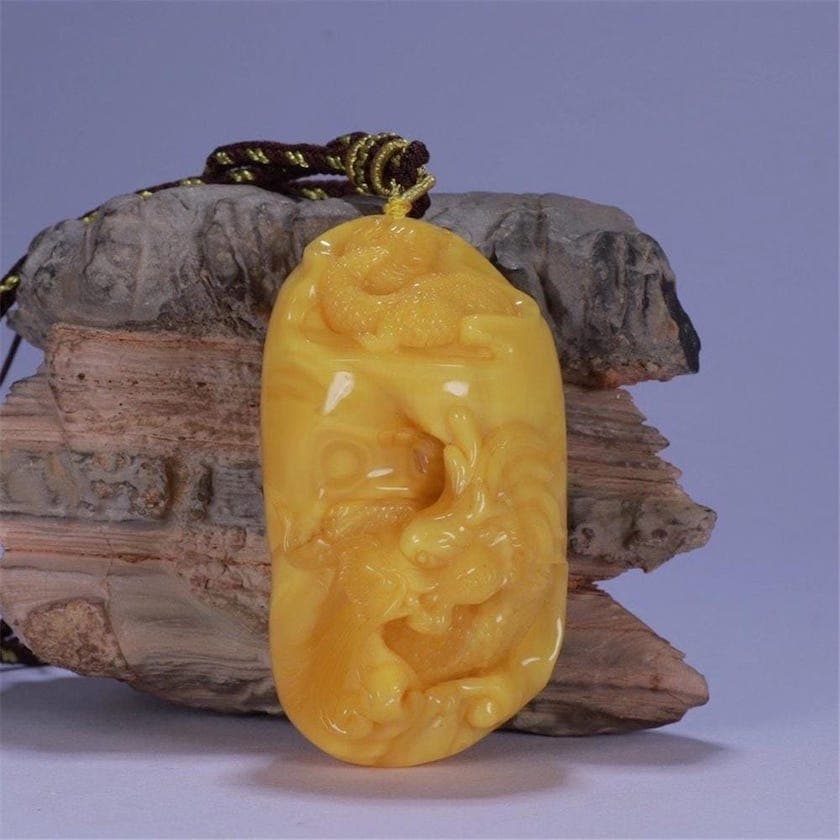
Mellite is a rare and unusual organic gemstone. Although soft and fragile, the “honey stone” is quite beautiful when cut.
2 Minute Read
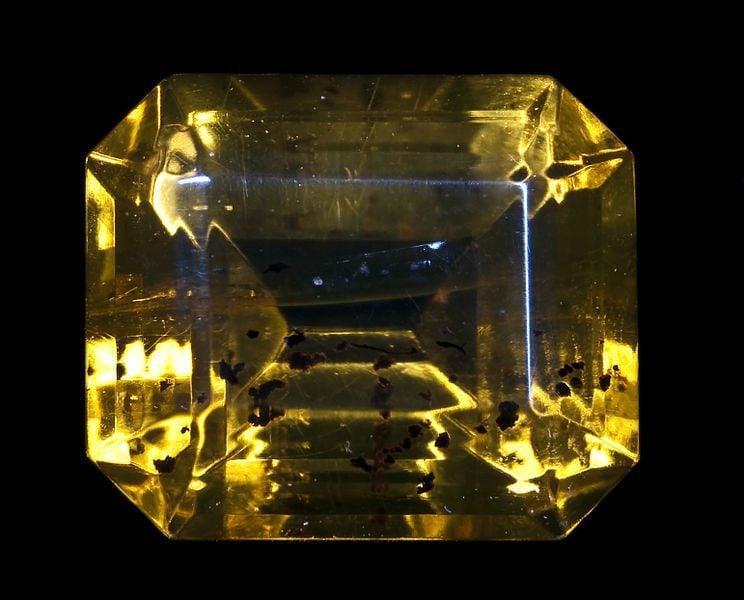
Like its namesake, mellite occurs in attractive yellow, reddish, and brownish colors. Occasionally, white specimens also emerge. Some cut specimens can show a high degree of transparency.
Like pearls and coral, mellites are organic gemstones. However, mellite's formation doesn't involve living organisms. It forms via an inorganic process, in association with lignite (brown coal), from compressed decayed plant matter and aluminum.
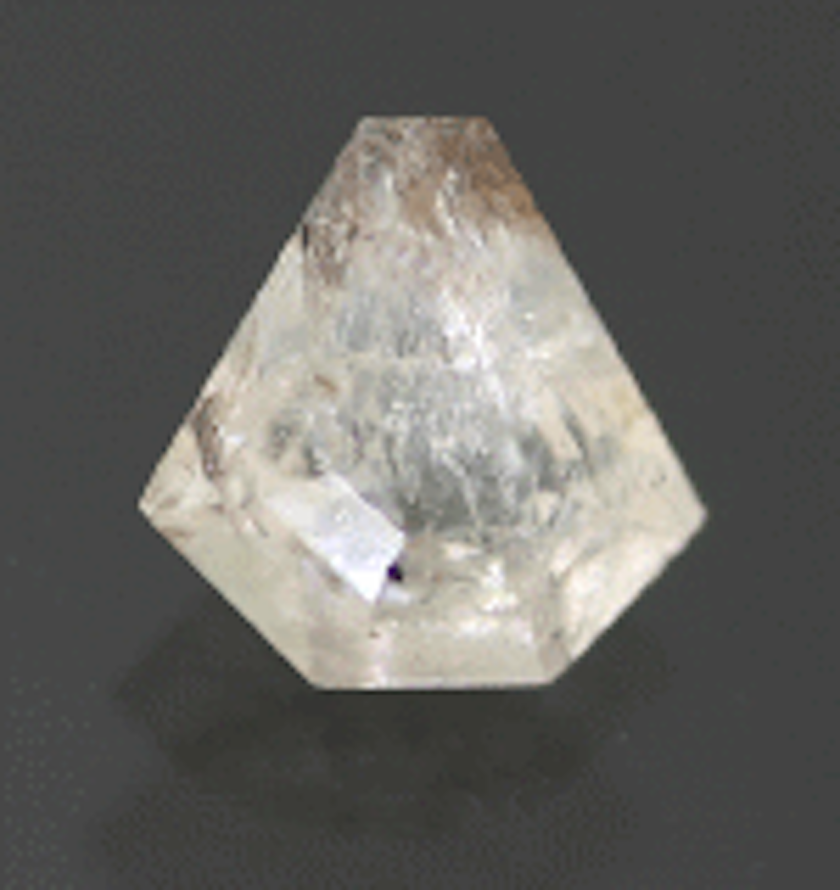
In addition to its unusual origins, mellites have a number of interesting properties.
With a very low hardness of 2 to 2.5, mellites can be scratched by a copper coin. These gems are also sectile, which means you could cut them with a knife. Of course, conduct a scratch test only as a last resort for identification and never on a finished gem.
Mellite crystals also exhibit the pyroelectric effect. They generate an electric current when heated.
Although mellites have a uniaxial optic character, anomalously biaxial specimens may occur.
Few well-known gems with mellite's color range and hardness are likely to be confused with it.
Cinnabar has a similar hardness but a far higher specific gravity (SG).
Amber and ulexite have hardness and SG values close to mellite. However, these gems differ optically. Amorphous amber has no birefringence. While fibrous ulexite is birefringent, cut specimens usually showcase a cat's eye or the unusual "TV effect." Mellites don't display these effects.
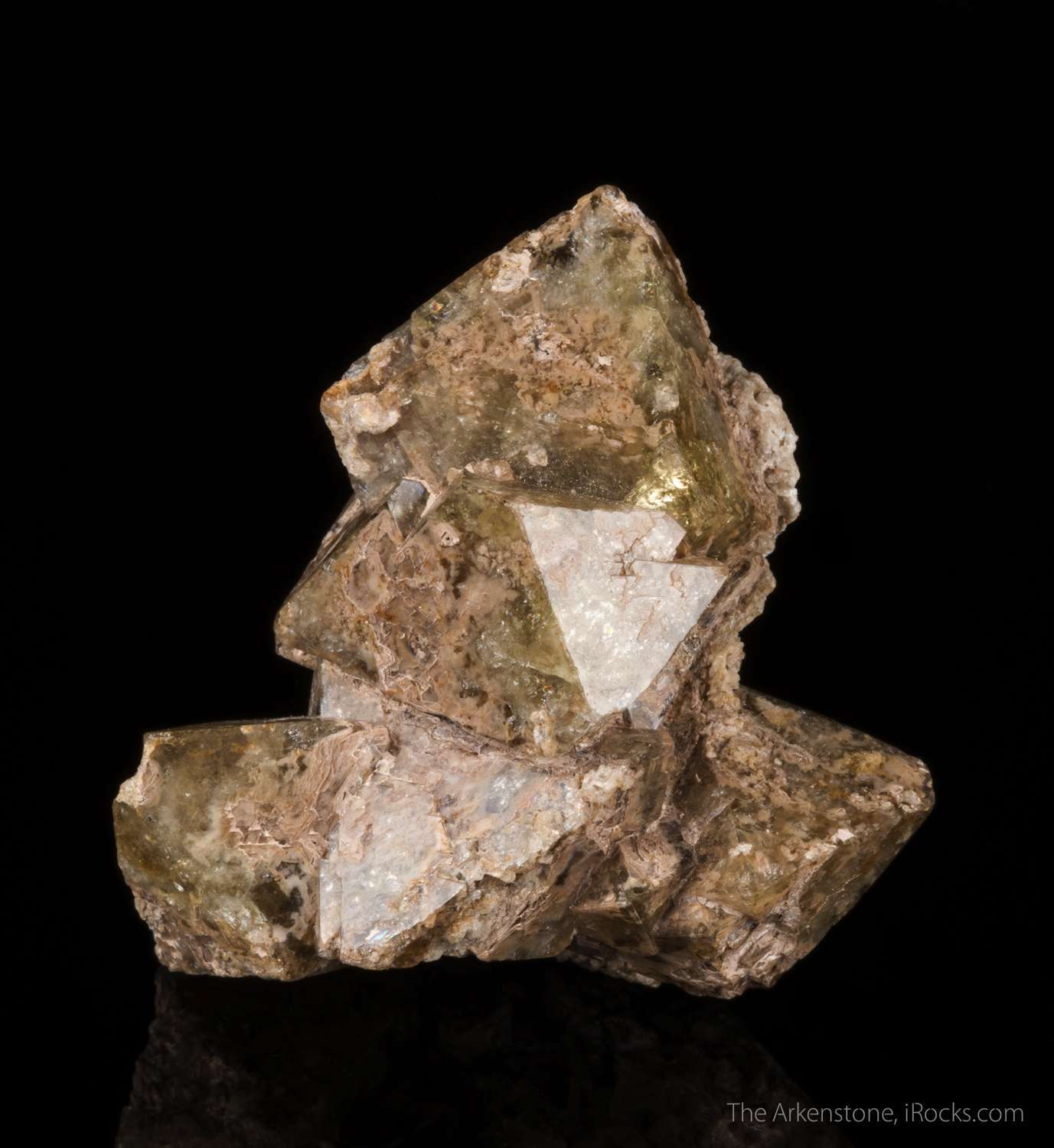
Scientists have synthesized mellite for research into geochemistry. However, there is no known use of this material for jewelry purposes.
Although you might find "synthetic" mellites for sale online, these materials are, strictly speaking, simulants or imitations, most likely glass. While gemologists distinguish between synthetics and simulants, these words both carry strong connotations of "fakeness" in everyday usage. Thus, people often use the terms synonymously.
No known gem treatments.
Only a few locations produce mellites, and most gem-quality material comes from the Csordakúti mine in the Bicske-Zsámbéki Basin, Hungary. Other notable sources include the following:
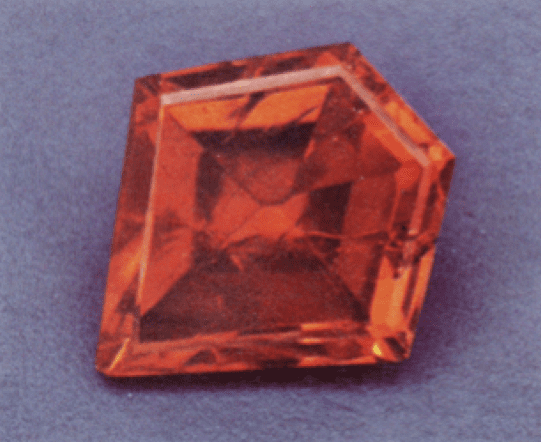
Mellites almost always weigh in on the small side, from 1 to 3 carats.
Mellite would make a challenging jewelry stone. Reserve any pieces for occasional wear, use protective settings, and avoid impacts. Store them separately from other harder jewelry stones to prevent contact scratches.
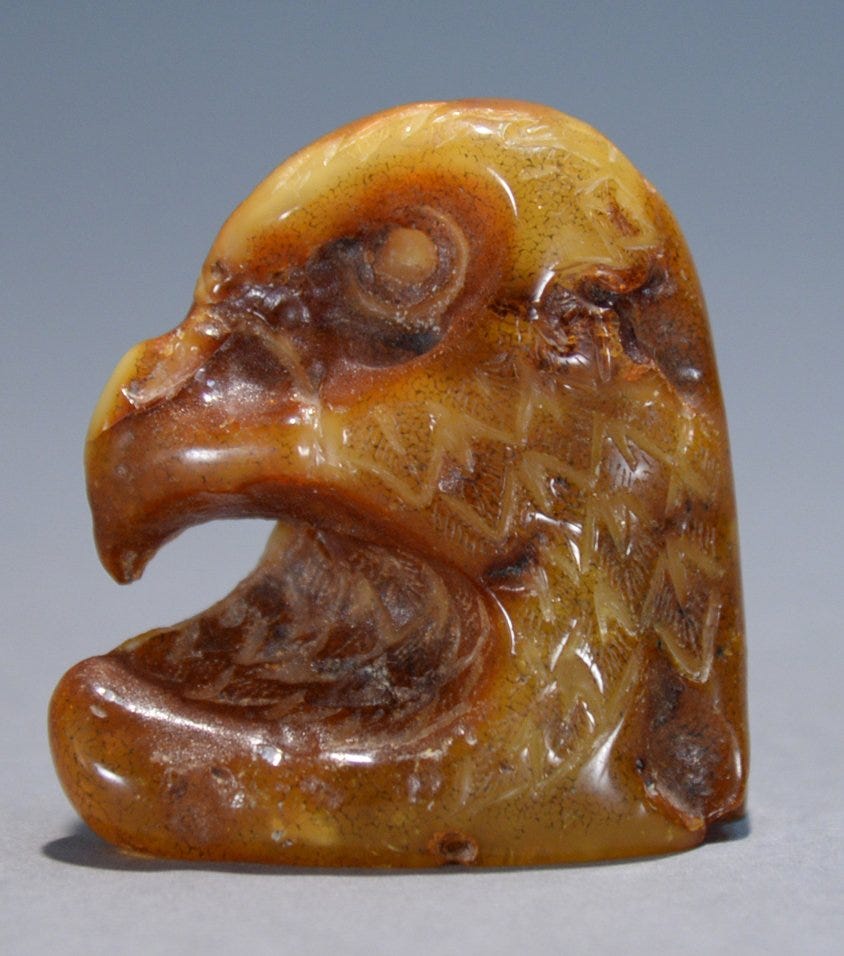
Carvings and other decorative objects are less likely to suffer contact damage. However, resist the urge to just wipe dust off any pieces made from mellites. With a hardness of 7, household dust will easily scratch this material. Clean mellites only with a soft brush, mild detergent, and warm water. Consult our gemstone jewelry cleaning guide for more recommendations.

When you join the IGS community, you get trusted diamond & gemstone information when you need it.
Like its namesake, mellite occurs in attractive yellow, reddish, and brownish colors. Occasionally, white specimens also emerge. Some cut specimens can show a high degree of transparency.
Like pearls and coral, mellites are organic gemstones. However, mellite's doesn't involve living organisms. It forms via an inorganic process, in association with (brown coal), from compressed decayed plant matter and aluminum.
In addition to its unusual origins, mellites have a number of interesting properties.
With a very low hardness of 2 to 2.5, mellites can be scratched by a copper coin. These gems are also sectile, which means you could cut them with a knife. Of course, conduct a scratch test only as a last resort for identification and never on a finished gem.
Mellite crystals also exhibit the pyroelectric effect. They generate an electric current when heated.
Although mellites have a uniaxial optic character, anomalously biaxial specimens may occur.
Few well-known gems with mellite's color range and hardness are likely to be confused with it.
Cinnabar has a similar hardness but a far higher specific gravity (SG).
Amber and ulexite have hardness and SG values close to mellite. However, these gems differ optically. Amorphous amber has no birefringence. While fibrous ulexite is birefringent, cut specimens usually showcase a cat's eye or the unusual "TV effect." Mellites don't display these effects.
Scientists have synthesized mellite for research into geochemistry. However, there is no known use of this material for jewelry purposes.
Although you might find "synthetic" mellites for sale online, these materials are, strictly speaking, simulants or imitations, most likely glass. While gemologists distinguish between synthetics and simulants, these words both carry strong connotations of "fakeness" in everyday usage. Thus, people often use the terms synonymously.
No known gem treatments.
Only a few locations produce mellites, and most gem-quality material comes from the Csordakúti mine in the Bicske-Zsámbéki Basin, Hungary. Other notable sources include the following:
Mellites almost always weigh in on the small side, from 1 to 3 carats.
Mellite would make a challenging jewelry stone. Reserve any pieces for occasional wear, use protective settings, and avoid impacts. Store them separately from other harder jewelry stones to prevent contact scratches.
Carvings and other decorative objects are less likely to suffer contact damage. However, resist the urge to just wipe dust off any pieces made from mellites. With a hardness of 7, household dust will easily scratch this material. Clean mellites only with a soft brush, mild detergent, and warm water. Consult our gemstone jewelry cleaning guide for more recommendations.


Mellite is a rare and unusual organic gemstone. Although soft and fragile, the “honey stone” is quite beautiful when cut.