Discover nephrite jade's value factors, origins, and care guidelines in this comprehensive guide to one of history's most durable gemstones with significant cultural importance.
8 Minute Read
In this guide, you'll learn:
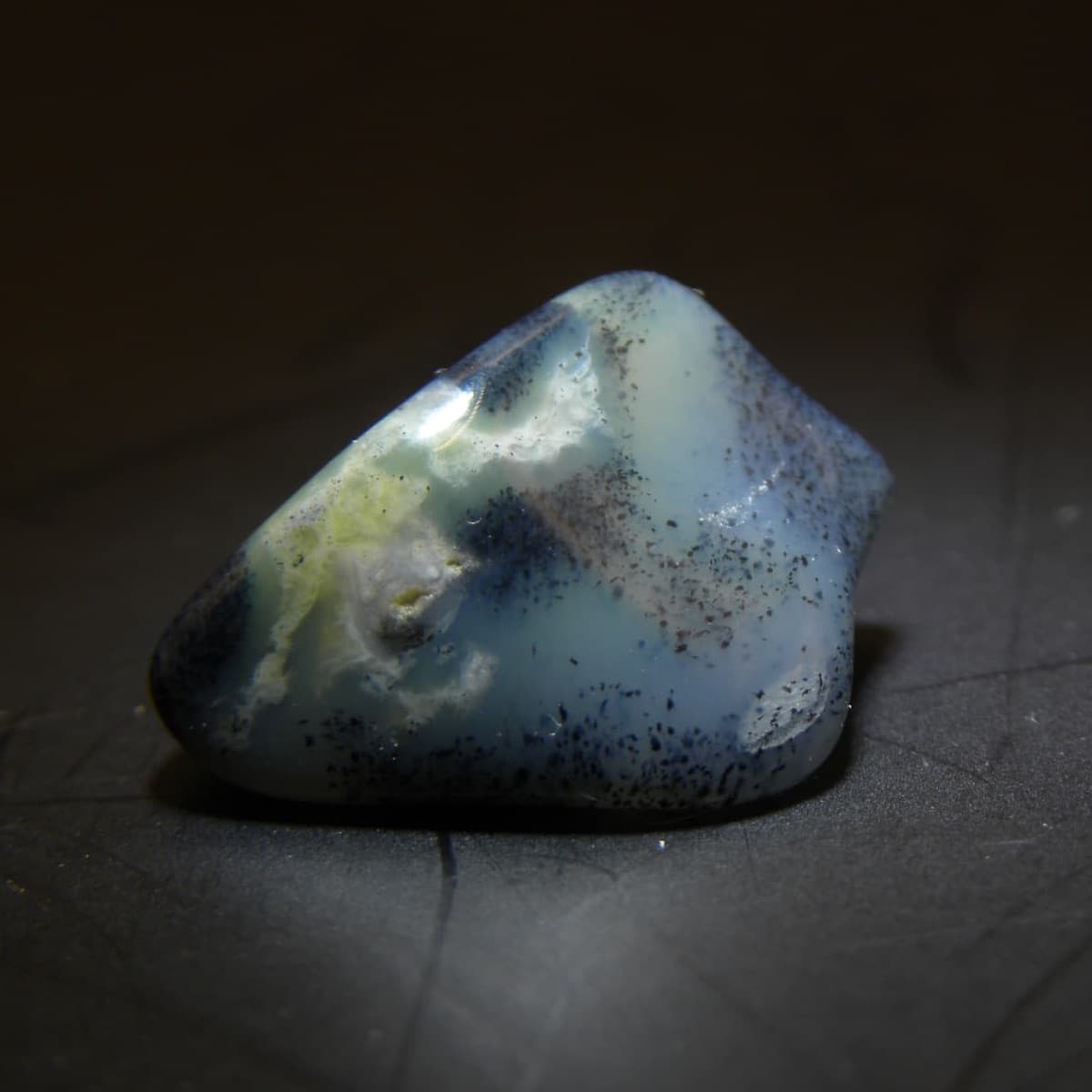
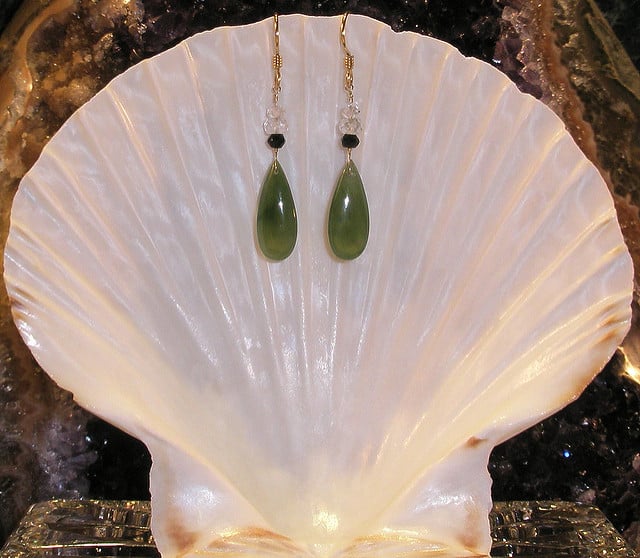
Nephrite belongs to the tremolite-actinolite mineral series. Stones closer to tremolite contain higher magnesium content and display lighter colors, such as the celebrated, creamy white "mutton fat" jade. Higher iron content pushes nephrites closer to actinolite and produces darker colors, particularly green varieties. Combinations of these elements plus traces of other elements and inclusions create yellowish varieties with distinctive warm tones, grey varieties with subtle color variations, and brown varieties with attractive earthy appearances. Master gem carvers often utilize brownish skin or surface areas on green stones to create stunning cameo-like effects with dramatic contrast.
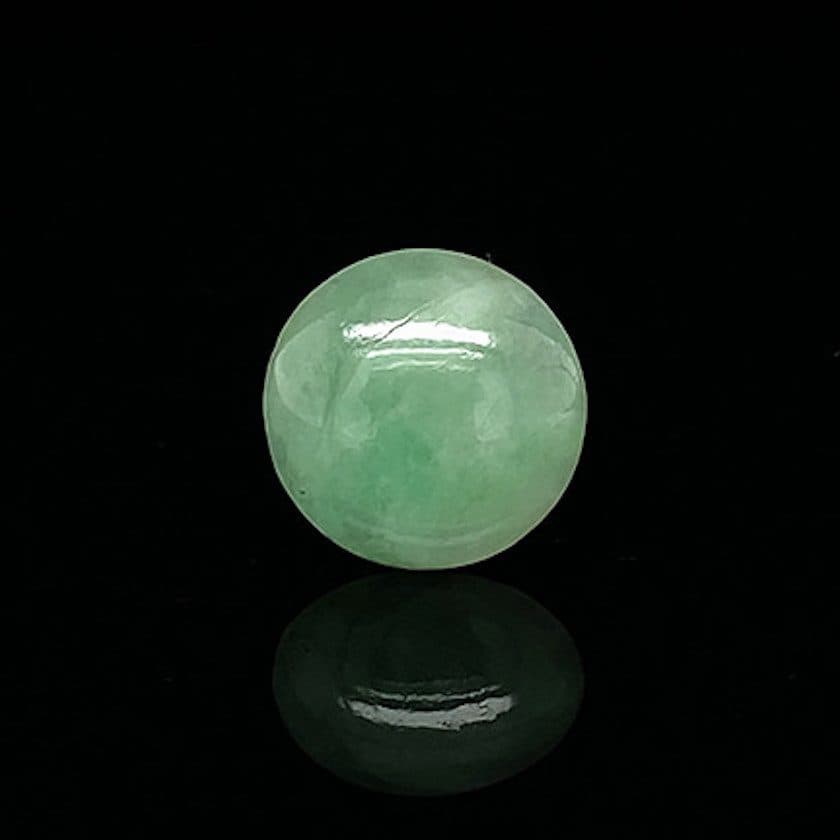
Generally, green nephrites appear less vibrant and intense than green jadeites. With few exceptions, nephrite shades typically display darker and more somber appearances compared to their jadeite counterparts.
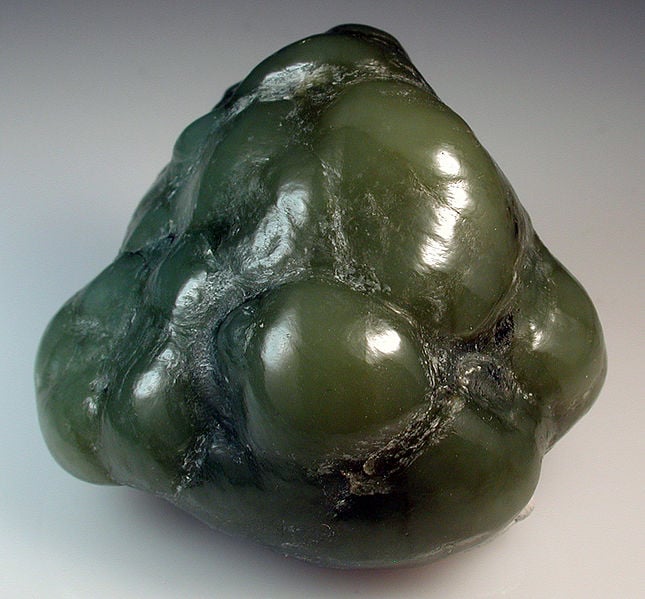
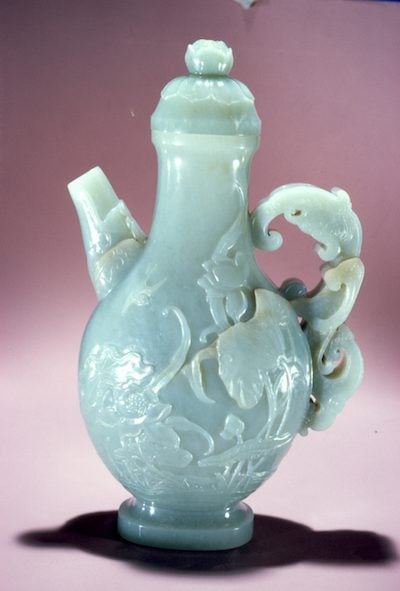
Nephrite and jadeite both qualify as jade, but they constitute completely different minerals with different properties and natural formation processes.
As gemologist Jill Hobbs writes, Chinese artisans crafted extraordinary jewelry and artistic works from a stone called yu for thousands of years. However, in the mid-18th century, fei-ts'ui, a stone displaying intense green coloration, entered China from Burma (Myanmar). Both materials subsequently became known collectively as one mineral in Western markets—jade—due to their similar external appearance.
In 1863, mineralogist Alexis Damour distinguished jade as two distinct minerals. This scientific discovery effectively reaffirmed the distinction Chinese artisans had recognized originally. What the Chinese called yu, scientists identified as nephrite. They categorized fei-ts'ui as jadeite.
The term "jade" continues enjoying widespread use both in gem trade circles and everyday conversation. However, gemologists should properly distinguish between nephrite jade and jadeite jade for scientific accuracy.
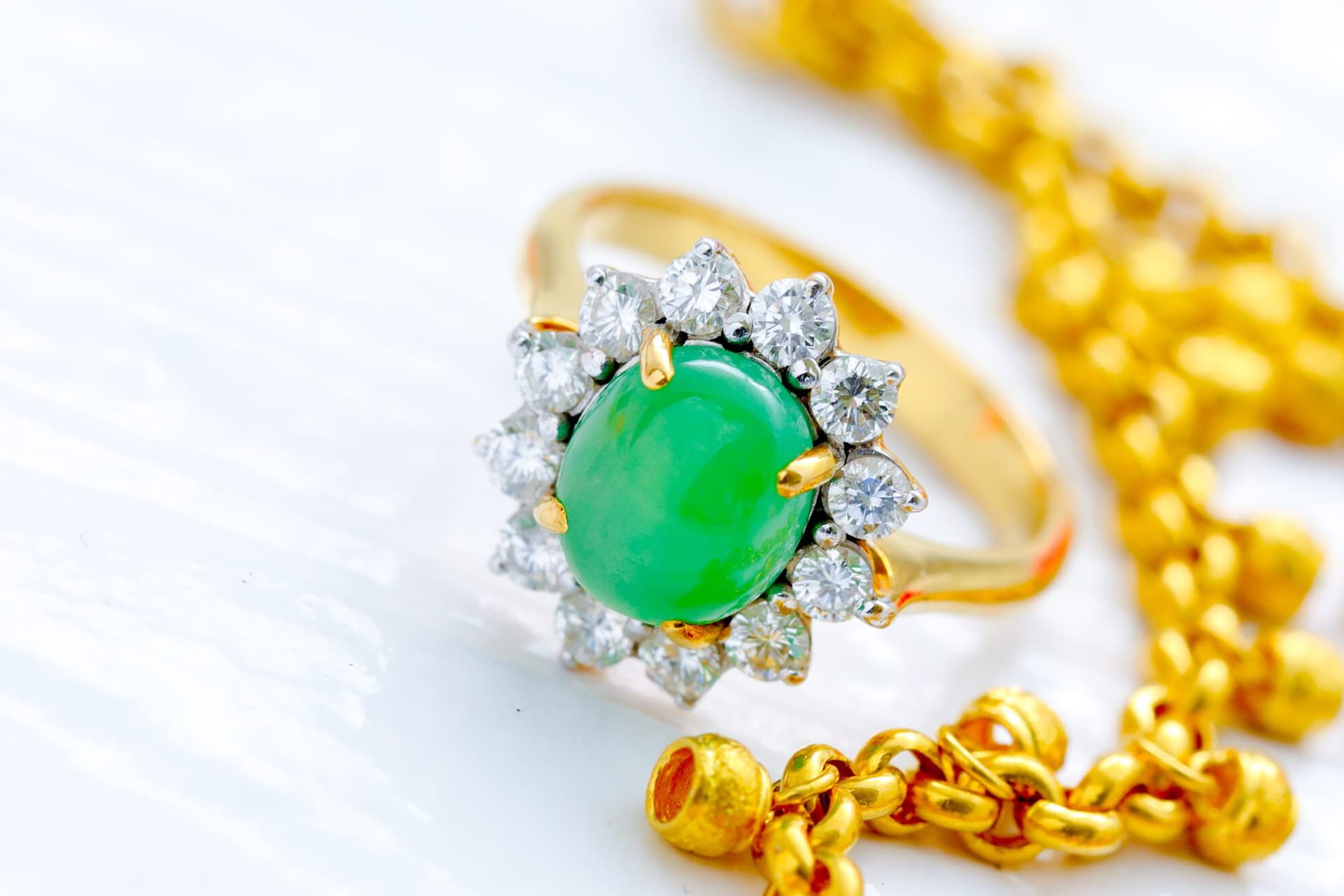
Although less hard than jadeite, nephrite is exceptionally dense, fibrous structure makes it tougher for carving purposes. With hardness measuring 6 to 6.5 on the Mohs scale, nephrites do exhibit some vulnerability to scratching, so protective jewelry settings should be used, especially for ring applications. However, for practical purposes, both nephrite and jadeite make superb jewelry stones due to their remarkable durability and resistance to breakage.
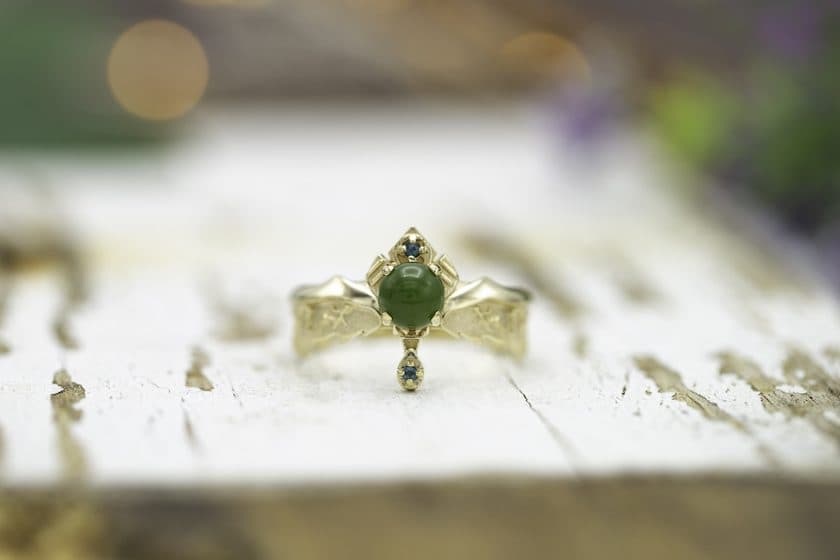
Both actinolite and tremolite, the end members of the mineral series that includes nephrite, qualify as asbestos minerals. However, nephrite itself does not classify as an asbestiform mineral, despite having a fibrous structure. Wearing nephrite jewelry and handling rough or finished pieces pose no known health risks.
Nevertheless, lapidaries should exercise caution when cutting nephrites. Lapidary Dick Friesen points out that working with nephrites might pose a risk of silicosis and recommends wearing a respirator during cutting operations, wet-grinding to minimize airborne particles, and wet-mopping the work area to control dust.
For more information, consult our article on lapidary health hazards and safety tips.
The Maori people of New Zealand maintain a rich historical tradition of working jade for beautiful artistic pieces as well as practical utilitarian objects. The Maori utilized nephrite, which they call pounamu or greenstone. They also classified bowenite, a green variety of serpentine, as pounamu. Although bowenite and nephrite represent distinct minerals, both demonstrate exceptional durability properties ideally suited for carving.
For the Maori people, pounamu objects hold profound spiritual significance. Hei-tiki, pendants carefully carved from pounamu, traditionally passed down through generations as treasured heirlooms. The Maori also maintained a deeply meaningful tradition of gifting pounamu to others and used it to seal bonds and express gratitude. The cultural importance of this material manifested in the Maori language itself. The Maori concept of tatau-pounamu, a "greenstone door," symbolized a peace agreement between formerly warring parties. Each side chose a specific hill to represent a door that would remain permanently closed to those seeking violence.
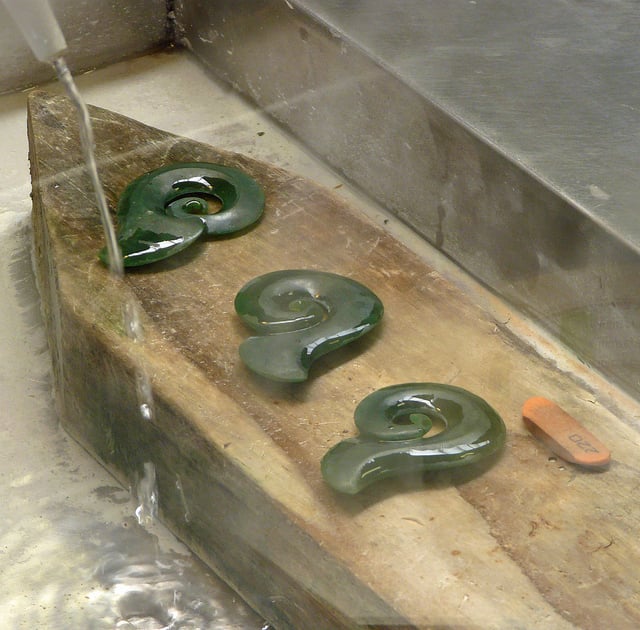
Taiwan has produced remarkable chatoyant nephrites displaying the cat's eye effect. However, there exists some dispute over what to call this material. Although these stones also belong to the tremolite-actinolite mineral series, their internal structure differs from typical nephrite. Parallel fiber arrangements create their chatoyancy effect. These cat's eyes more closely match tremolite and, more commonly, actinolite in composition. (Ferroactinolite content = approximately 10%).
The cat's eyes colors include:
Their physical properties include:
Nephrite represents one of the two distinct minerals collectively known as jade. While it doesn't display the variety or fine green "imperial jade" colors found in jadeite, it occurs in many attractive colors, including green, and demonstrates superior durability as a gem material for jewelry and carved art objects.
Several factors significantly influence nephrite jade value:
Experts grade both jadeite and nephrite based on their treatments:
We strongly recommend purchasing only Type A jade. Other treatments can compromise the gem's physical stability and substantially diminish its value. However, identifying whether jade has undergone treatment often requires professional gemological testing.
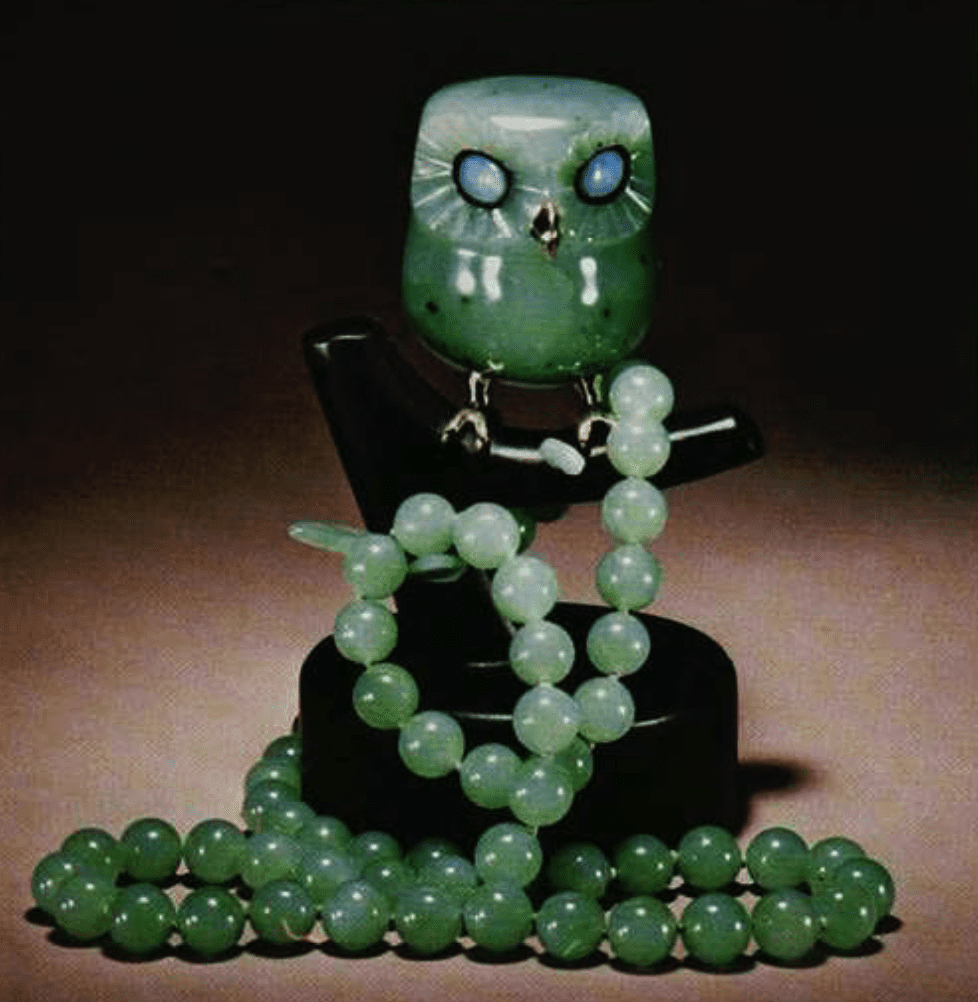
Unlike many gemstones valued by carat weight, carved jade pieces receive valuation by the piece. Artistry and provenance constitute the major value factors for carved items.
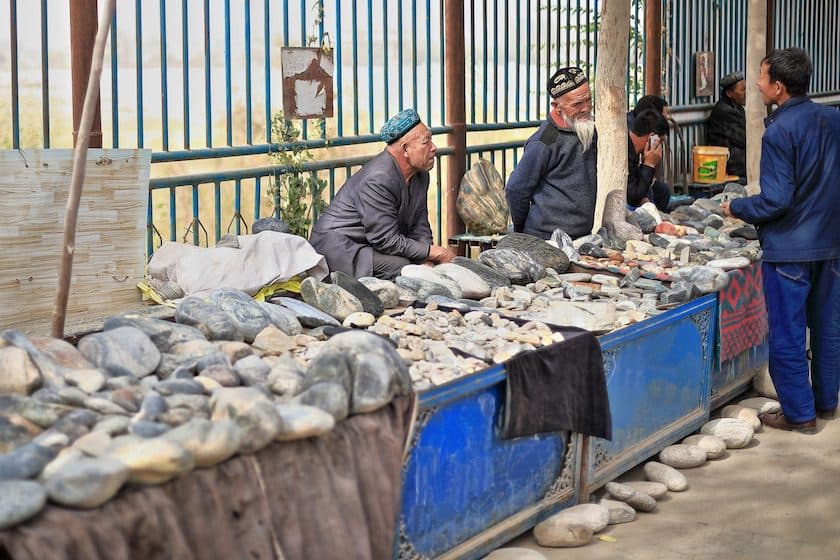
China dominates as the principal consumer market for both jadeite and nephrite jade. In other regions, collectors primarily drive the market. Although jadeite commands higher prices as the more coveted jade variety, nephrite occurs more abundantly worldwide. Consequently, green nephrite approximating jadeite's color enjoys premium status as an accessible alternative. White nephrite or "mutton fat" jade maintains its position as a traditional favorite and the most popular nephrite variety in Chinese markets. Siberian nephrite, displaying dark "spinach green" color with distinctive black graphite inclusions, represents the most valuable green nephrite variety for Western consumers.
For additional information regarding jade value factors, consult our comprehensive jade buying guide and engagement ring guide.
Although General Electric has successfully synthesized jadeites in laboratory settings, scientists have not yet synthesized nephrite jade through artificial processes.
However, numerous natural gems and synthetic materials can simulate nephrite's external appearance. Common natural lookalikes (or candidates for misidentification) include amazonite with its distinctive blue-green color, chrysoprase displaying apple-green coloration, pectolite with similar structural properties, and serpentine gemstones such as bowenite and verd antique exhibiting green coloration.
Artificial glass materials like "Imori Stones" can convincingly approximate nephrites in appearance. However, they possess a lower specific gravity that helps gemologists distinguish them from genuine nephrite jade.
Due to its exceptionally dense structure, nephrites rarely receive dye treatments. They may occasionally undergo impregnation, bleaching, and heat treatments to enhance color. However, these enhancement procedures occur far more commonly in jadeite than in nephrite jade. The dense crystalline structure of nephrite makes penetration of dyes and polymers extremely difficult compared to jadeite.
The principal sources of gem-quality nephrite are Canada, China, and Russia.
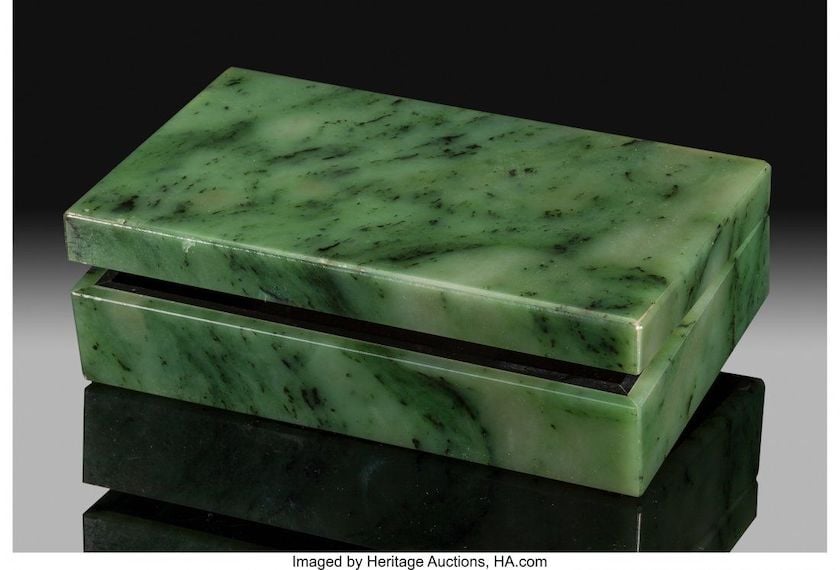
Other notable sources include the following:
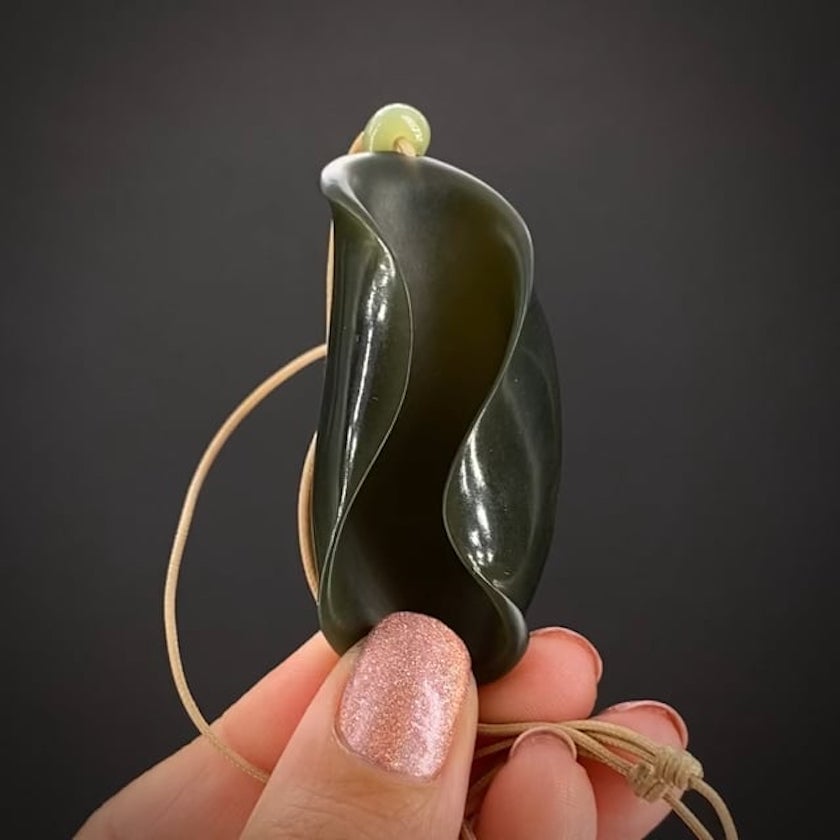
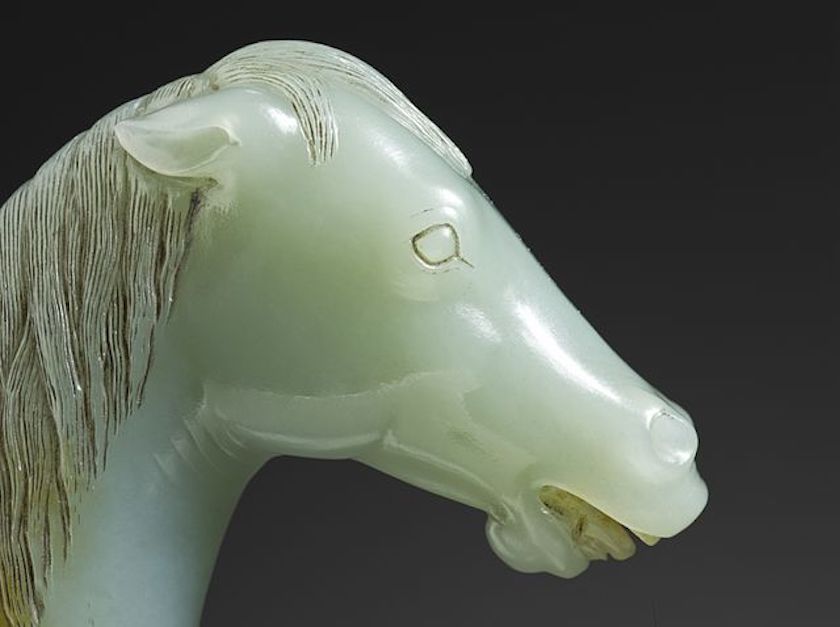
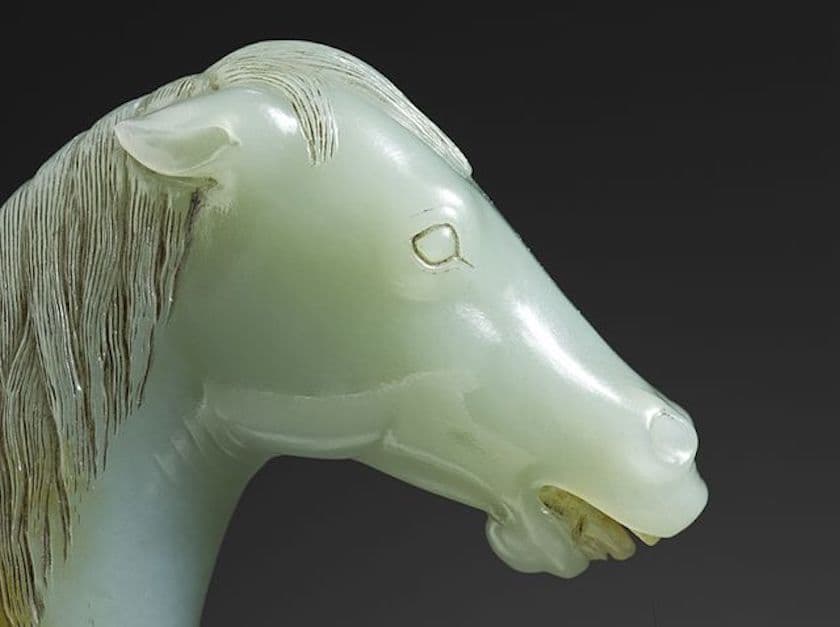
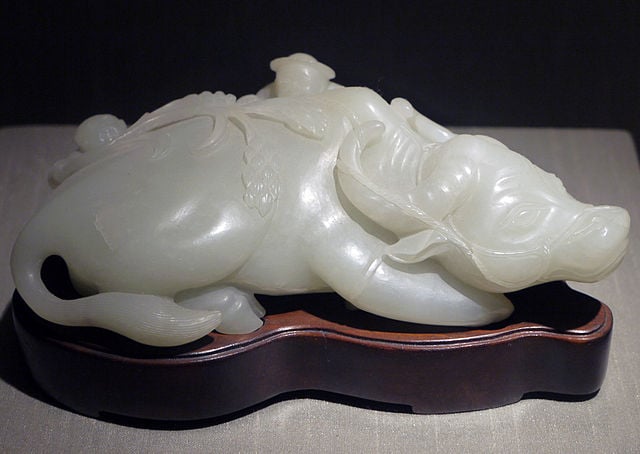
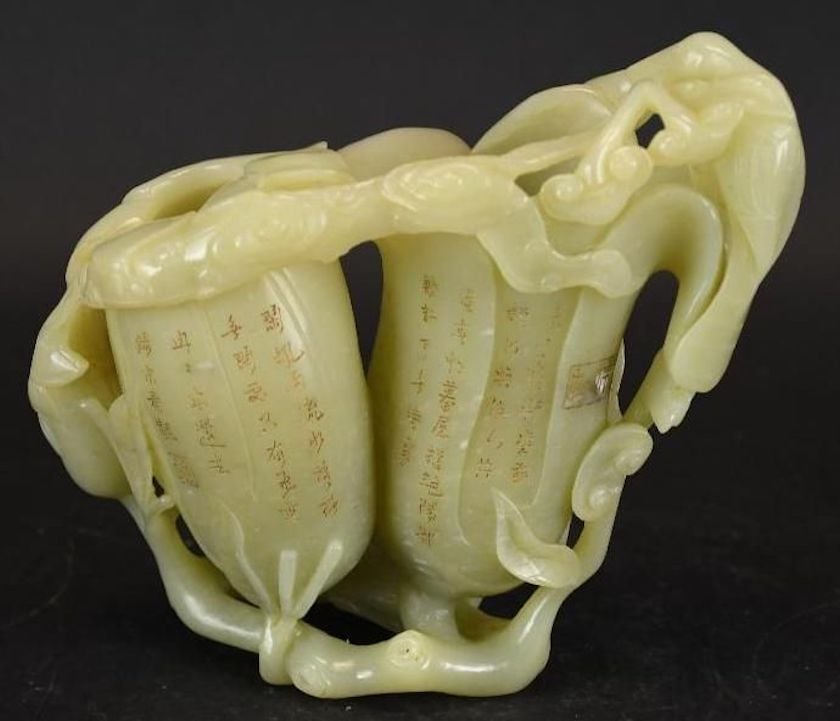
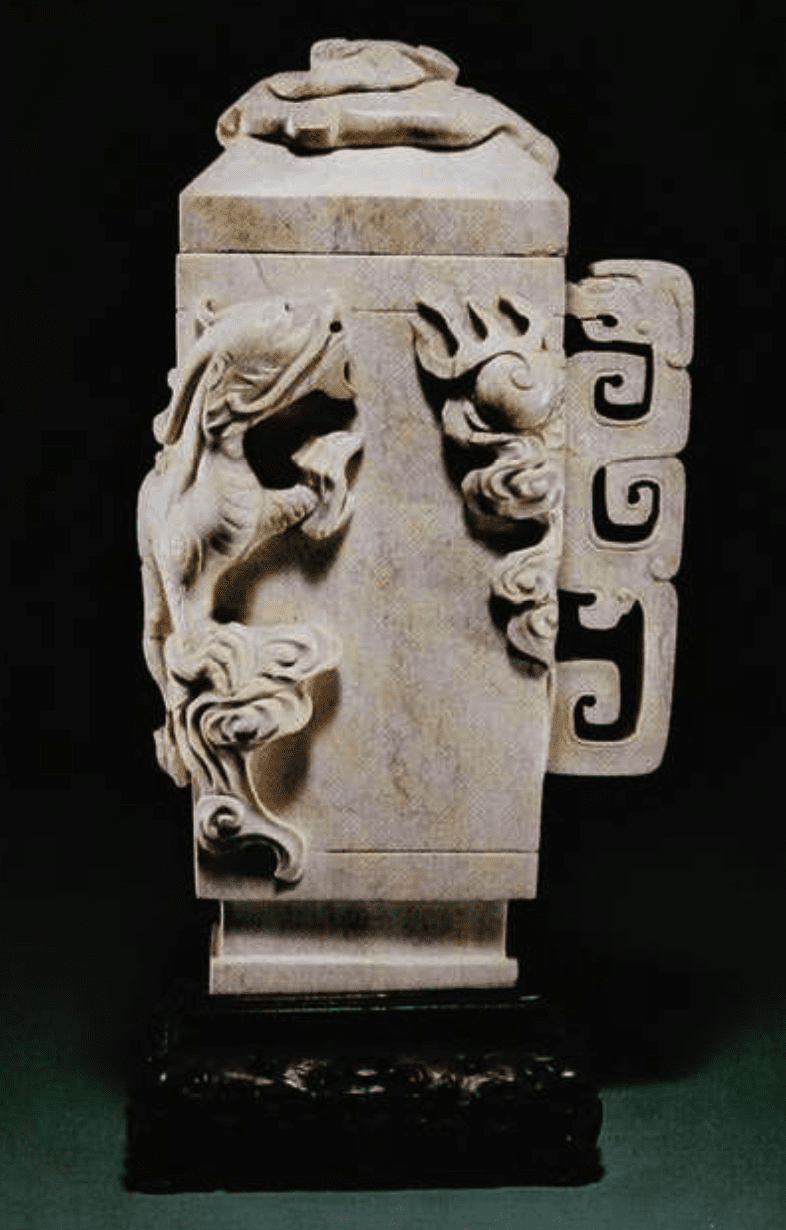
Alluvial boulders weighing several tons occur relatively commonly in certain localities. Chinese master artisans have perfected the art of carving this material over centuries of tradition. Some sophisticated carvings utilize only one side of a boulder, creatively leaving the rough natural shape as an artistic background element. Impressive nephrite brush pots and statues occupy prominent positions in many prestigious museums worldwide.
Particularly noteworthy examples include:
Untreated nephrite jewelry requires no special care, allowing safe use of mechanical cleaning systems such as steam and ultrasonic cleaners. However, always use a soft brush, mild detergent, and warm water for treated material or if you remain uncertain about potential treatments.
Professional gemology labs can definitively confirm what treatments, if any, your jade jewelry has received. Review our comprehensive gemstone jewelry cleaning guide for additional care recommendations to maintain your nephrite jade's natural beauty and integrity for generations.


When you join the IGS community, you get trusted diamond & gemstone information when you need it.
In this guide, you'll learn:
Nephrite belongs to the tremolite-actinolite mineral series. Stones closer to tremolite contain higher magnesium content and display lighter colors, such as the celebrated, creamy white "mutton fat" jade. Higher iron content pushes nephrites closer to actinolite and produces darker colors, particularly green varieties. Combinations of these elements plus traces of other elements and inclusions create yellowish varieties with distinctive warm tones, grey varieties with subtle color variations, and brown varieties with attractive earthy appearances. Master gem carvers often utilize brownish skin or surface areas on green stones to create stunning cameo-like effects with dramatic contrast.
Generally, green nephrites appear less vibrant and intense than green jadeites. With few exceptions, nephrite shades typically display darker and more somber appearances compared to their jadeite counterparts.
Nephrite and jadeite both qualify as jade, but they constitute completely different minerals with different properties and natural formation processes.
As gemologist Jill Hobbs writes, Chinese artisans crafted extraordinary jewelry and artistic works from a stone called yu for thousands of years. However, in the mid-18th century, fei-ts'ui, a stone displaying intense green coloration, entered China from Burma (Myanmar). Both materials subsequently became known collectively as one mineral in Western markets—jade—due to their similar external appearance.
In 1863, mineralogist Alexis Damour distinguished jade as two distinct minerals. This scientific discovery effectively reaffirmed the distinction Chinese artisans had recognized originally. What the Chinese called yu, scientists identified as nephrite. They categorized fei-ts'ui as jadeite.
The term "jade" continues enjoying widespread use both in gem trade circles and everyday conversation. However, gemologists should properly distinguish between nephrite jade and jadeite jade for scientific accuracy.
Although less hard than jadeite, nephrite is exceptionally dense, fibrous structure makes it tougher for carving purposes. With hardness measuring 6 to 6.5 on the Mohs scale, nephrites do exhibit some vulnerability to scratching, so protective jewelry settings should be used, especially for ring applications. However, for practical purposes, both nephrite and jadeite make superb jewelry stones due to their remarkable durability and resistance to breakage.
Both actinolite and tremolite, the end members of the mineral series that includes nephrite, qualify as asbestos minerals. However, nephrite itself does not classify as an asbestiform mineral, despite having a fibrous structure. Wearing nephrite jewelry and handling rough or finished pieces pose no known health risks.
Nevertheless, lapidaries should exercise caution when cutting nephrites. Lapidary Dick Friesen points out that working with nephrites might pose a risk of silicosis and recommends wearing a respirator during cutting operations, wet-grinding to minimize airborne particles, and wet-mopping the work area to control dust.
For more information, consult our article on lapidary health hazards and safety tips.
The Maori people of New Zealand maintain a rich historical tradition of working jade for beautiful artistic pieces as well as practical utilitarian objects. The Maori utilized nephrite, which they call pounamu or greenstone. They also classified bowenite, a green variety of serpentine, as pounamu. Although bowenite and nephrite represent distinct minerals, both demonstrate exceptional durability properties ideally suited for carving.
For the Maori people, pounamu objects hold profound spiritual significance. Hei-tiki, pendants carefully carved from pounamu, traditionally passed down through generations as treasured heirlooms. The Maori also maintained a deeply meaningful tradition of gifting pounamu to others and used it to seal bonds and express gratitude. The cultural importance of this material manifested in the Maori language itself. The Maori concept of tatau-pounamu, a "greenstone door," symbolized a peace agreement between formerly warring parties. Each side chose a specific hill to represent a door that would remain permanently closed to those seeking violence.
Taiwan has produced remarkable chatoyant nephrites displaying the cat's eye effect. However, there exists some dispute over what to call this material. Although these stones also belong to the tremolite-actinolite mineral series, their internal structure differs from typical nephrite. Parallel fiber arrangements create their chatoyancy effect. These cat's eyes more closely match tremolite and, more commonly, actinolite in composition. (Ferroactinolite content = approximately 10%).
The cat's eyes colors include:
Their physical properties include:
Nephrite represents one of the two distinct minerals collectively known as jade. While it doesn't display the variety or fine green "imperial jade" colors found in jadeite, it occurs in many attractive colors, including green, and demonstrates superior durability as a gem material for jewelry and carved art objects.
Several factors significantly influence nephrite jade value:
Experts grade both jadeite and nephrite based on their treatments:
We strongly recommend purchasing only Type A jade. Other treatments can compromise the gem's physical stability and substantially diminish its value. However, identifying whether jade has undergone treatment often requires professional gemological testing.
Unlike many gemstones valued by carat weight, carved jade pieces receive valuation by the piece. Artistry and provenance constitute the major value factors for carved items.
China dominates as the principal consumer market for both jadeite and nephrite jade. In other regions, collectors primarily drive the market. Although jadeite commands higher prices as the more coveted jade variety, nephrite occurs more abundantly worldwide. Consequently, green nephrite approximating jadeite's color enjoys premium status as an accessible alternative. White nephrite or "mutton fat" jade maintains its position as a traditional favorite and the most popular nephrite variety in Chinese markets. Siberian nephrite, displaying dark "spinach green" color with distinctive black graphite inclusions, represents the most valuable green nephrite variety for Western consumers.
For additional information regarding jade value factors, consult our comprehensive jade buying guide and engagement ring guide.
Although General Electric has successfully synthesized jadeites in laboratory settings, scientists have not yet synthesized nephrite jade through artificial processes.
However, numerous natural gems and synthetic materials can simulate nephrite's external appearance. Common natural lookalikes (or candidates for misidentification) include amazonite with its distinctive blue-green color, chrysoprase displaying apple-green coloration, pectolite with similar structural properties, and serpentine gemstones such as bowenite and verd antique exhibiting green coloration.
Artificial glass materials like "Imori Stones" can convincingly approximate nephrites in appearance. However, they possess a lower specific gravity that helps gemologists distinguish them from genuine nephrite jade.
Due to its exceptionally dense structure, nephrites rarely receive dye treatments. They may occasionally undergo impregnation, bleaching, and heat treatments to enhance color. However, these enhancement procedures occur far more commonly in jadeite than in nephrite jade. The dense crystalline structure of nephrite makes penetration of dyes and polymers extremely difficult compared to jadeite.
The principal sources of gem-quality nephrite are Canada, China, and Russia.
Other notable sources include the following:
Alluvial boulders weighing several tons occur relatively commonly in certain localities. Chinese master artisans have perfected the art of carving this material over centuries of tradition. Some sophisticated carvings utilize only one side of a boulder, creatively leaving the rough natural shape as an artistic background element. Impressive nephrite brush pots and statues occupy prominent positions in many prestigious museums worldwide.
Particularly noteworthy examples include:
Untreated nephrite jewelry requires no special care, allowing safe use of mechanical cleaning systems such as steam and ultrasonic cleaners. However, always use a soft brush, mild detergent, and warm water for treated material or if you remain uncertain about potential treatments.
Professional gemology labs can definitively confirm what treatments, if any, your jade jewelry has received. Review our comprehensive gemstone jewelry cleaning guide for additional care recommendations to maintain your nephrite jade's natural beauty and integrity for generations.


Nephrite is one of the two distinct minerals commonly known as jade. While nephrite doesn’t match the variety or the fine green “imperial jade” colors found in jadeite, it does occur in attractive colors, including green, and is even more durable as a gem material for jewelry and carved art objects.
Both jadeite and nephrite are graded based on their treatments:
We recommend buying Type A jade only. Other treatments can weaken the gem’s physical stability and lower its value. However, determining whether a jade has been treated can be difficult.
Carved jade pieces are valued by piece, not carat. Artistry and provenance are the major value factors.