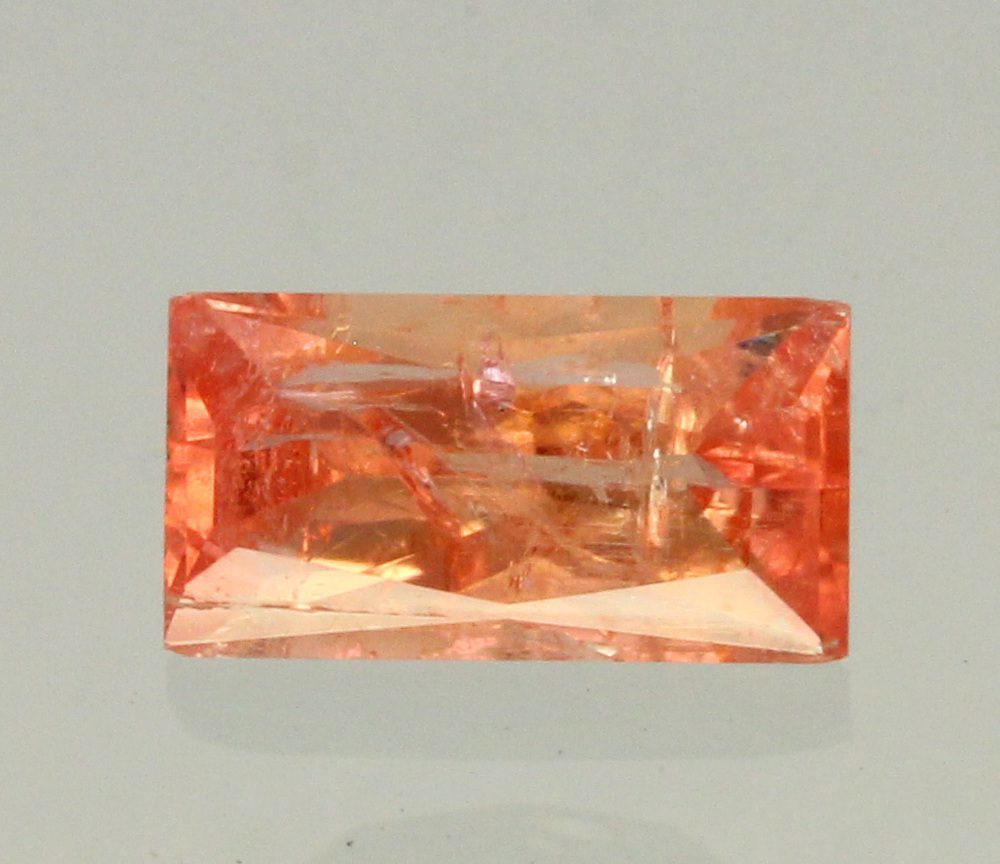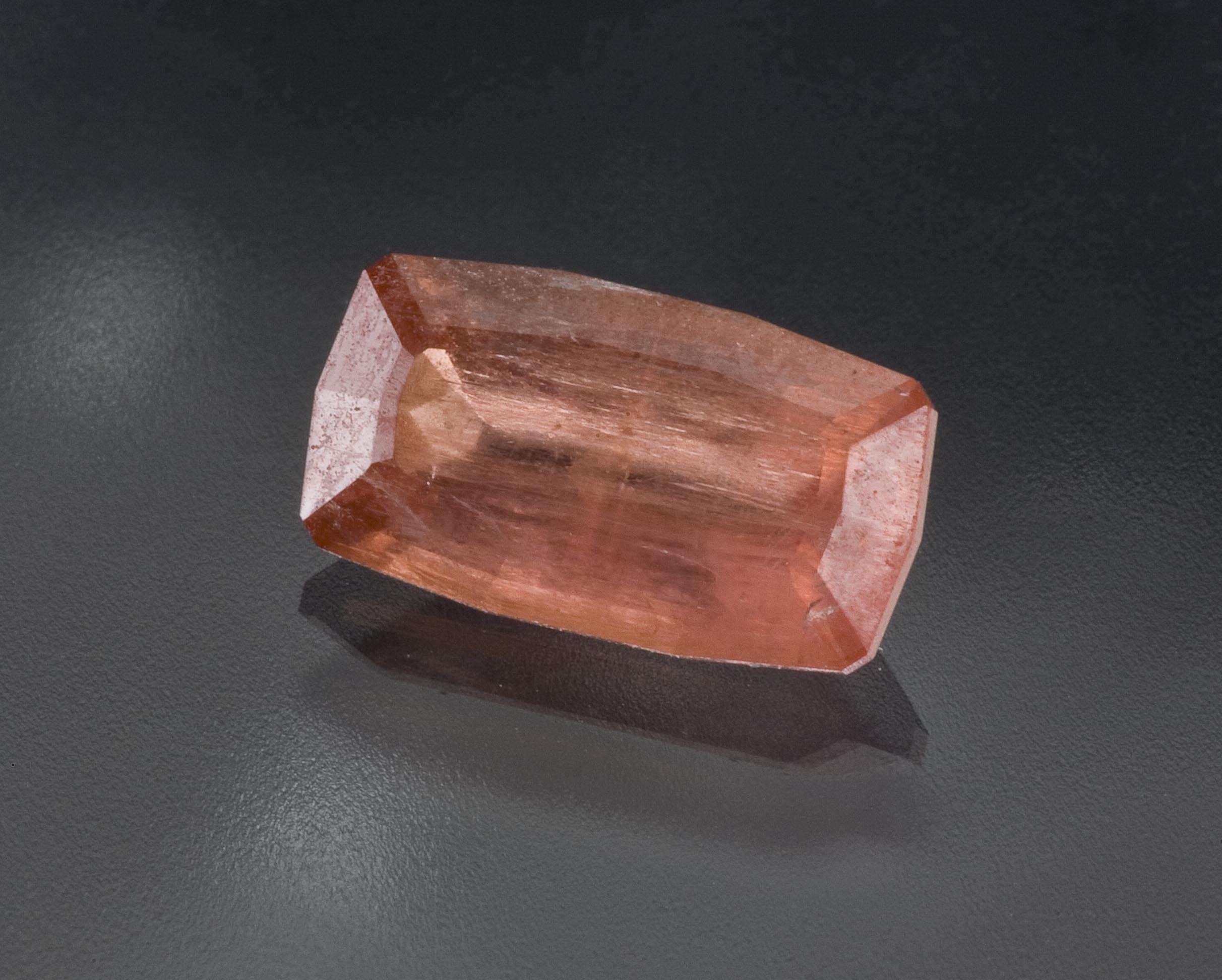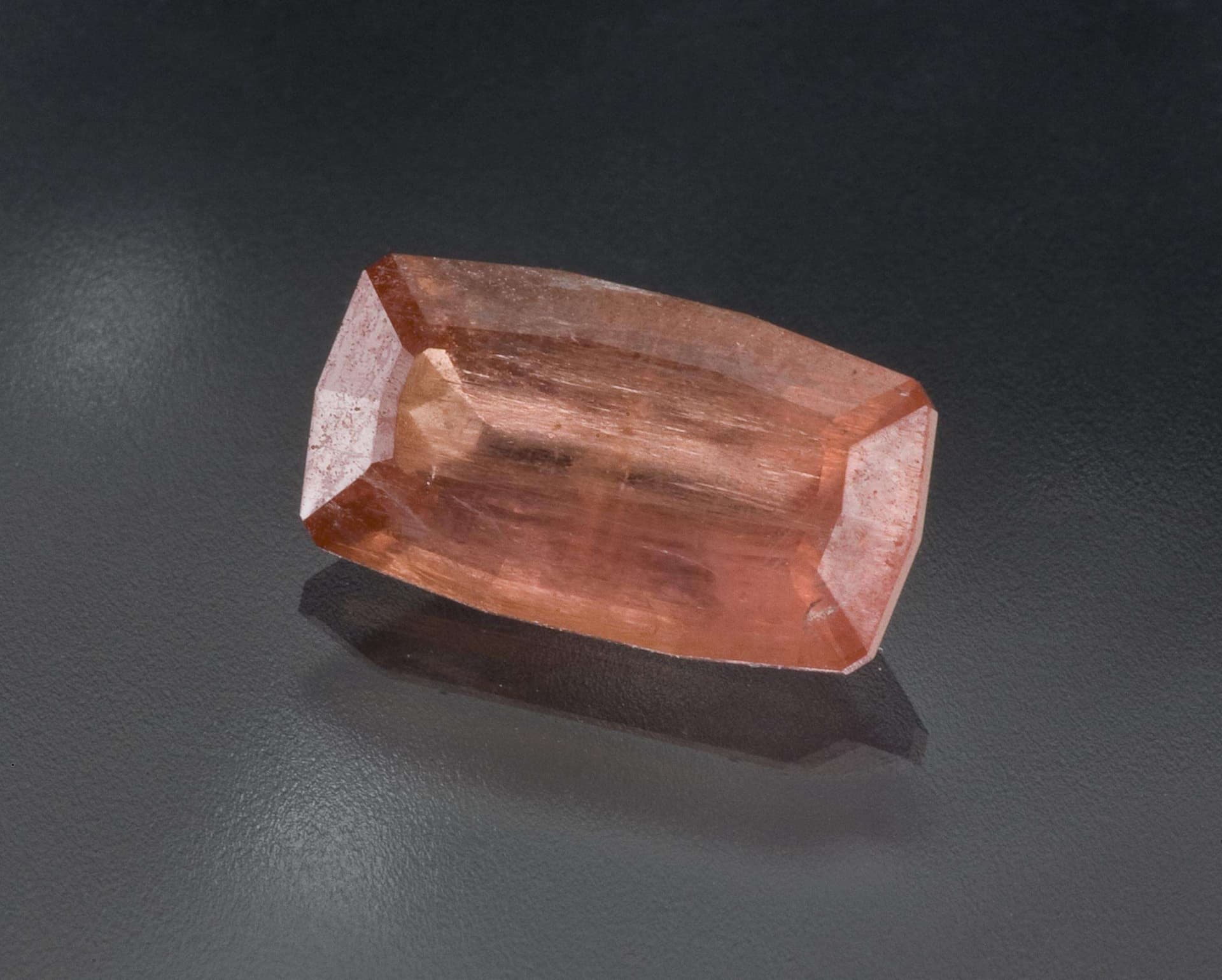
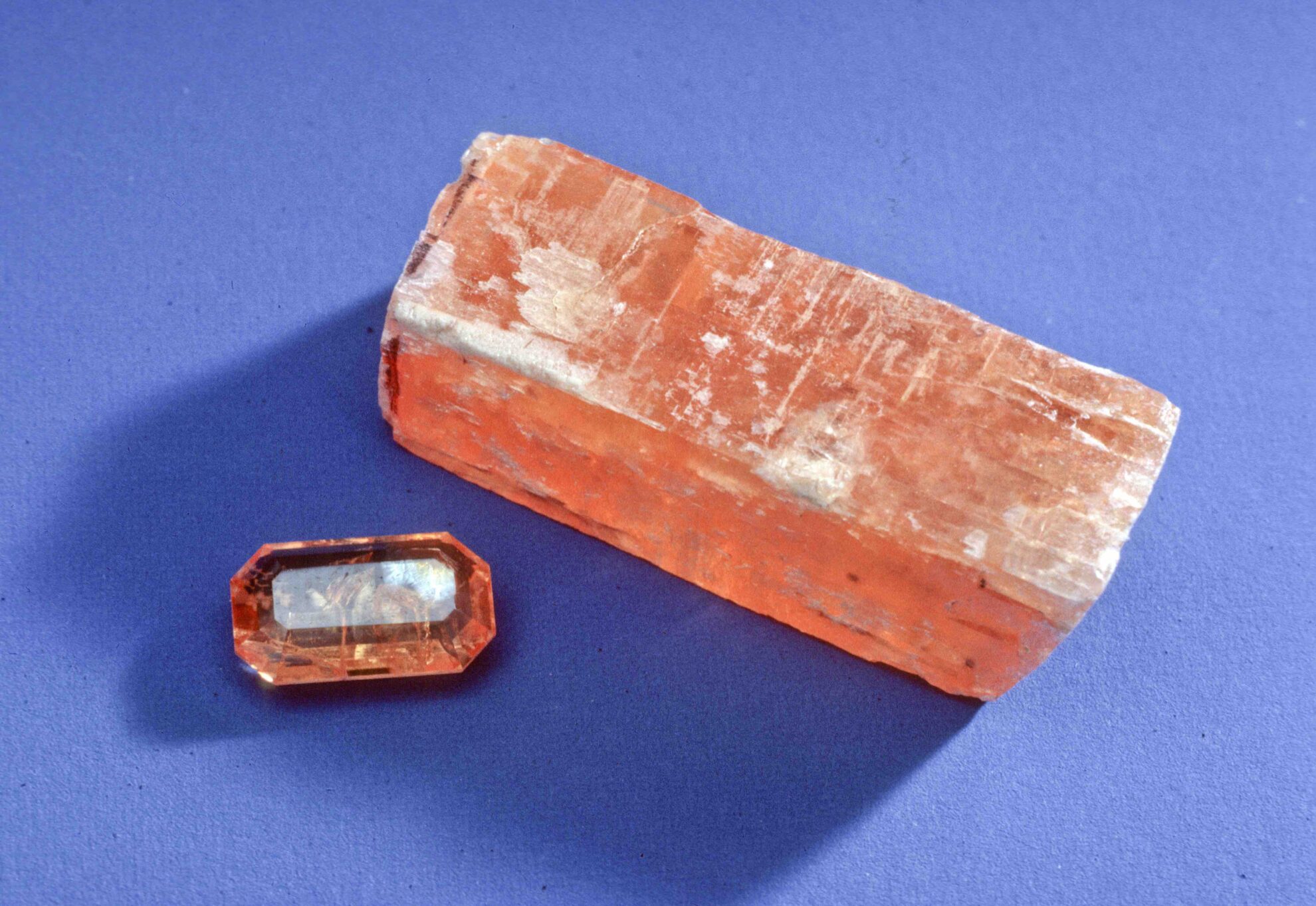
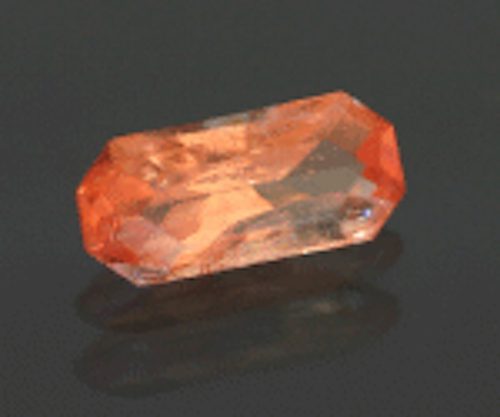
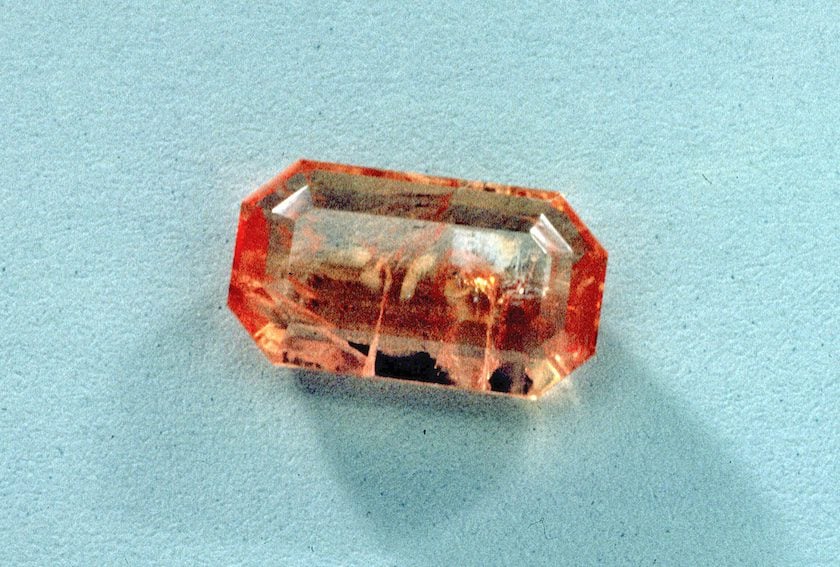
To date, only one locality — Mont St. Hilaire, Quebec, Canada — has produced facetable serandite. These extremely rare gems are very small and usually cut from less than transparent crystal fragments.
1 Minute Read
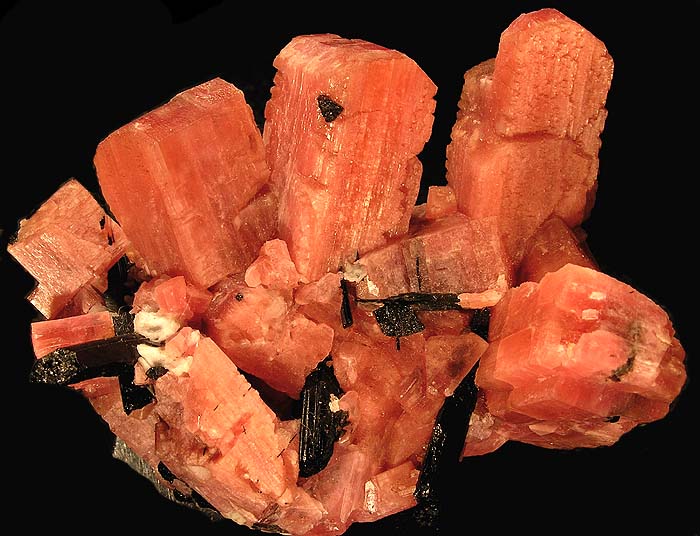
Serandite (formerly spelled "sérandite") forms a mineral series with pectolite. Serandite is the manganese (Mn) end member, while pectolite is the calcium (Ca) end member. Of the two, serandite is the rarest by far.
You're more likely to find serandites, if at all, in mineral collections than jewelry collections. With a hardness of 4.5 to 5.5 and perfect cleavage, this gem would require protective jewelry settings to reduce the risk of scratches and blows. Reserve this rare gem for occasional wear in rings or for earrings, brooches, or other pieces less subject to impacts.
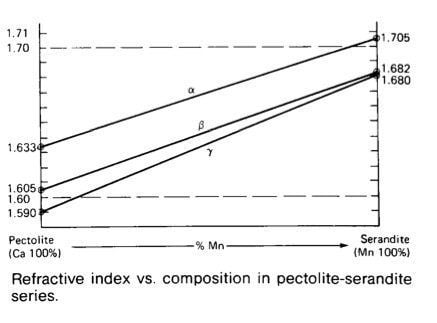
The refractive indices (RI) of the pectolite-serandite series vary with the presence of Ca and Mn.
Schizolite (formerly "marshallsussmanite") is an intermediate member of this series.
Scientists have synthesized serandites for research purposes. However, there's no known jewelry use for this material.
There are no known gemstone treatments or enhancements for serandites.
Although serandite occurs in numerous locales across the globe, it remains a rare mineral. Only Mont St. Hilaire in Quebec, Canada has produced cuttable material, but even large crystals found here seldom have transparent, facetable areas.
Rouma Isle, Los Islands, Guinea is the type locality for this mineral.
Other sources include the following locations:
Cut serandites very rarely weigh more than 2-3 carats. In fact, faceted gems of any size are very rare.
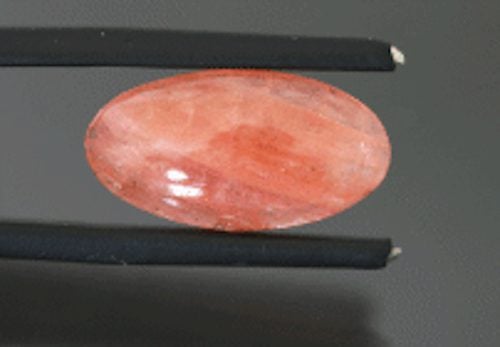
Clean serandites only with a soft brush, mild detergent, and warm water. Consult our gemstone jewelry cleaning guide for more care recommendations.

When you join the IGS community, you get trusted diamond & gemstone information when you need it.
Serandite (formerly spelled "sérandite") forms a mineral series with pectolite. Serandite is the manganese (Mn) end member, while pectolite is the calcium (Ca) end member. Of the two, serandite is the rarest by far.
You're more likely to find serandites, if at all, in mineral collections than jewelry collections. With a hardness of 4.5 to 5.5 and perfect cleavage, this gem would require to reduce the risk of scratches and blows. Reserve this rare gem for occasional wear in rings or for earrings, brooches, or other pieces less subject to impacts.
The refractive indices (RI) of the pectolite-serandite series vary with the presence of Ca and Mn.
Schizolite (formerly "marshallsussmanite") is an intermediate member of this series.
Scientists have synthesized serandites for research purposes. However, there's no known jewelry use for this material.
There are no known gemstone treatments or enhancements for serandites.
Although serandite occurs in numerous locales across the globe, it remains a rare mineral. Only Mont St. Hilaire in Quebec, Canada has produced cuttable material, but even large crystals found here seldom have transparent, facetable areas.
Rouma Isle, Los Islands, Guinea is the type locality for this mineral.
Other sources include the following locations:
Cut serandites very rarely weigh more than 2-3 carats. In fact, faceted gems of any size are very rare.
Clean serandites only with a soft brush, mild detergent, and warm water. Consult our gemstone jewelry cleaning guide for more care recommendations.


To date, only one locality — Mont St. Hilaire, Quebec, Canada — has produced facetable serandite. These extremely rare gems are very small and usually cut from less than transparent crystal fragments.