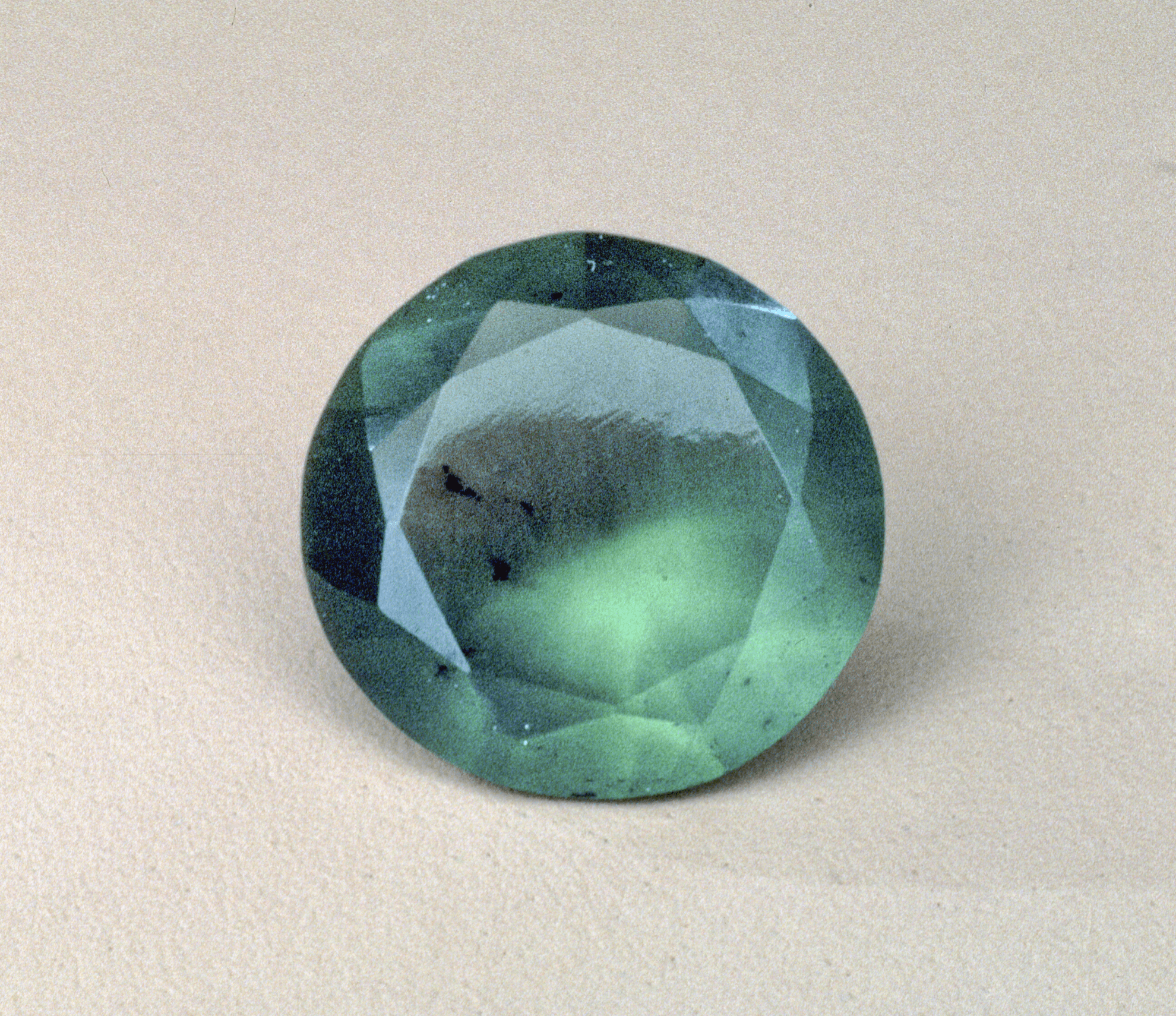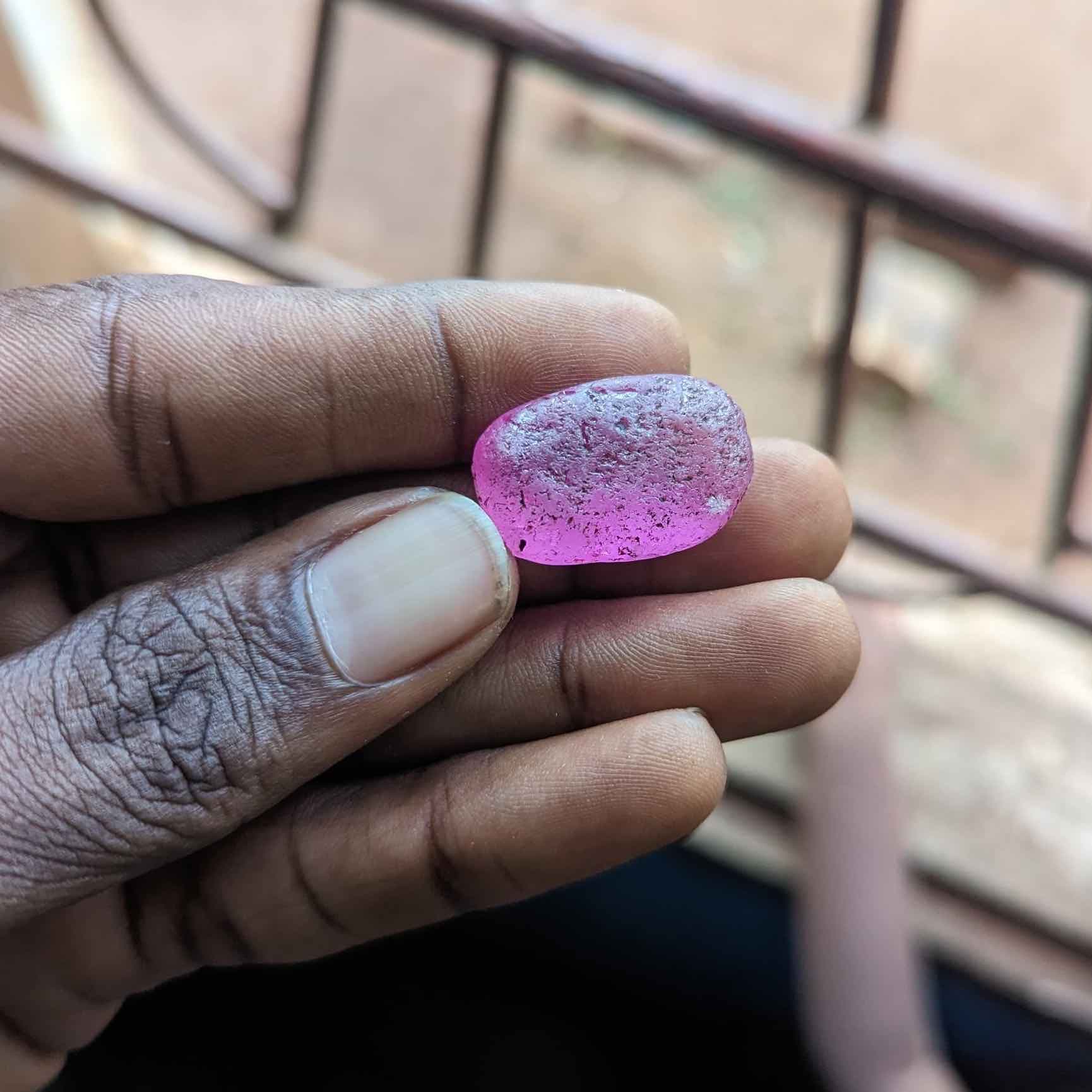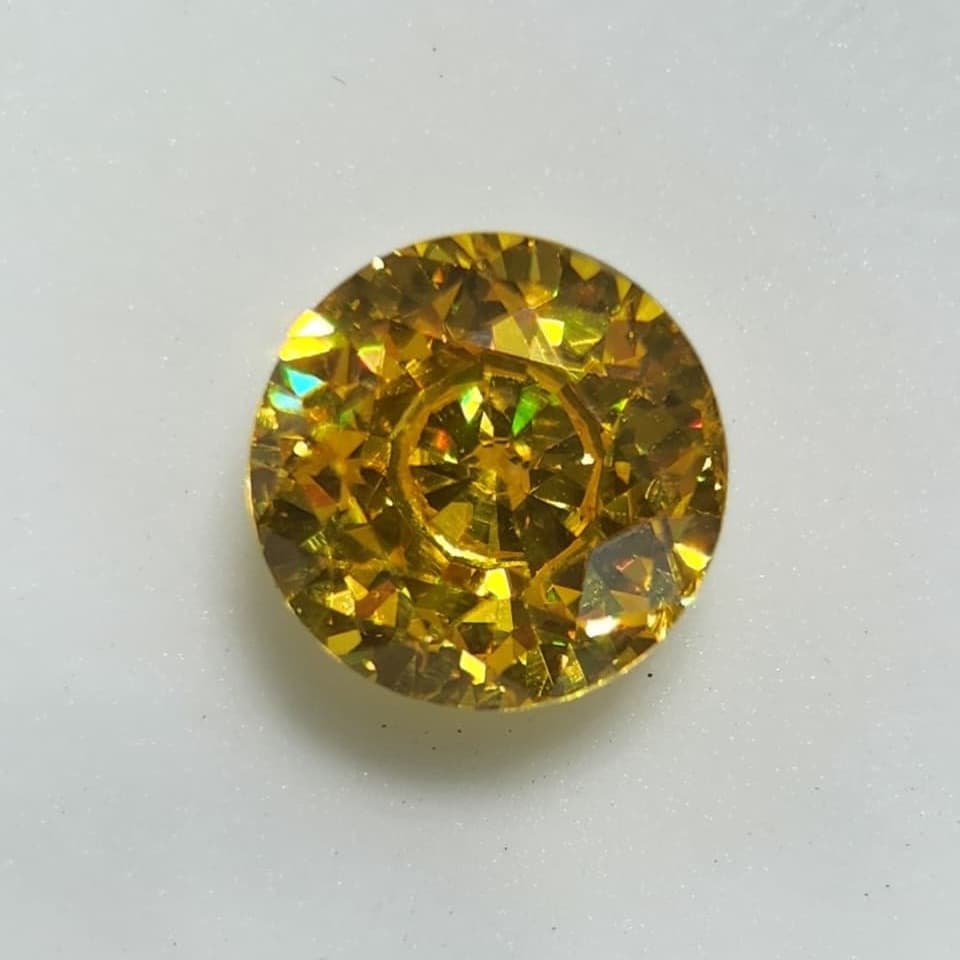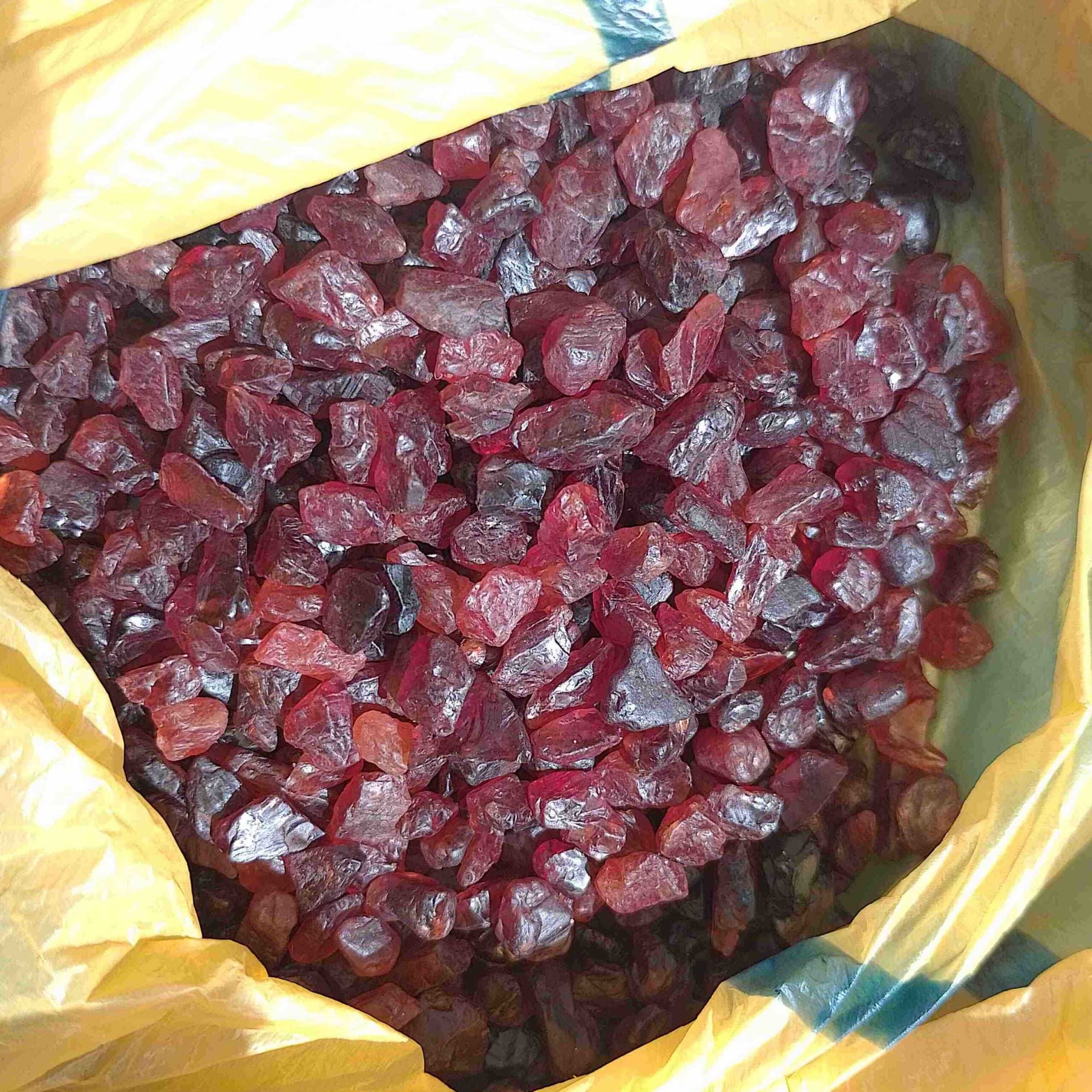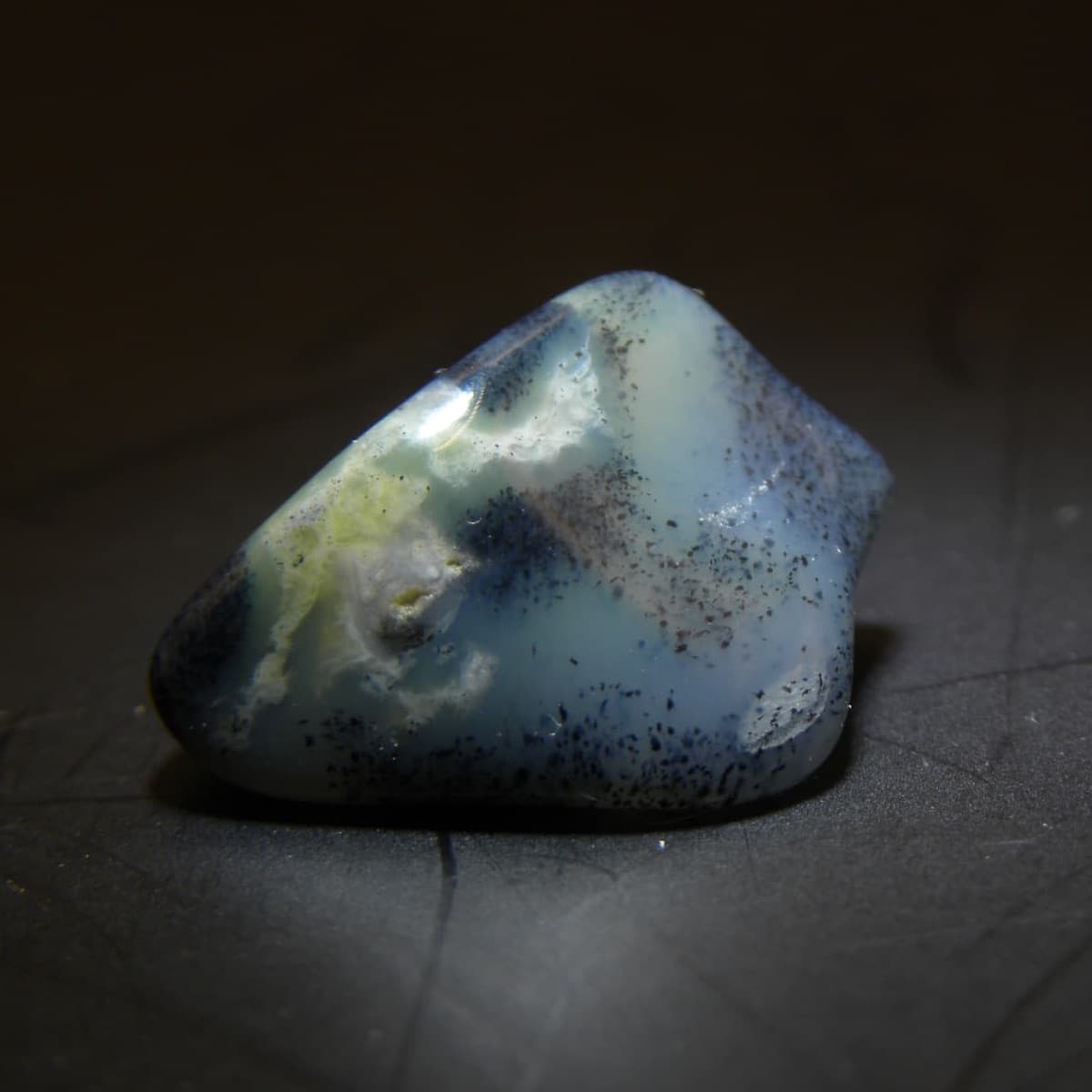
The gem material known as serpentine actually encompasses several related mineral species. For millennia, people have cut serpentines into beautiful gems and decorative objects.
5 Minute Read
Mineralogically, the gem material known as serpentine is a subgroup within the kaolinite-serpentine group. Within this subgroup, antigorite (with bowenite and williamsite varieties), chrysotile, and lizardite are the most commonly cut and polished.
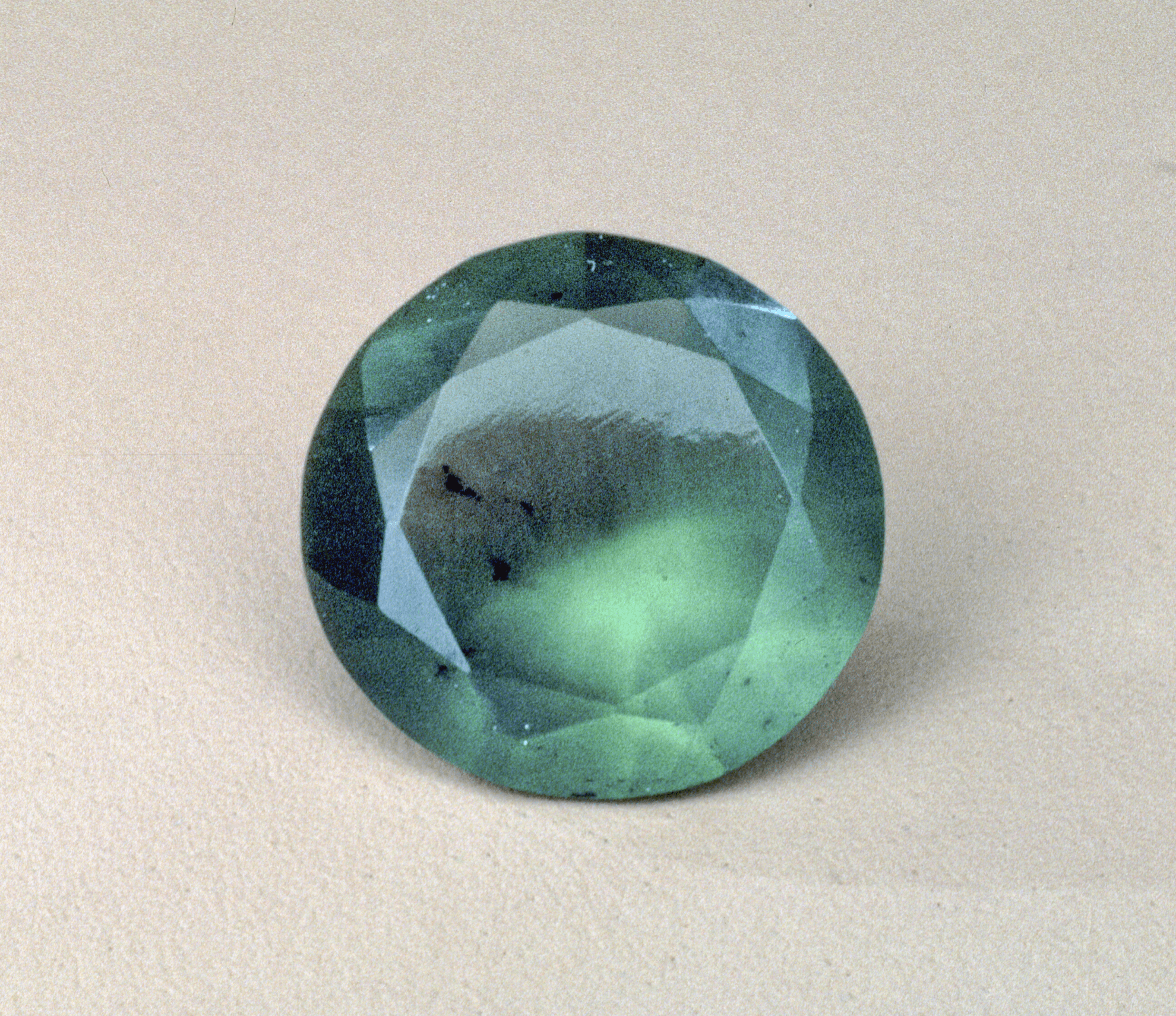
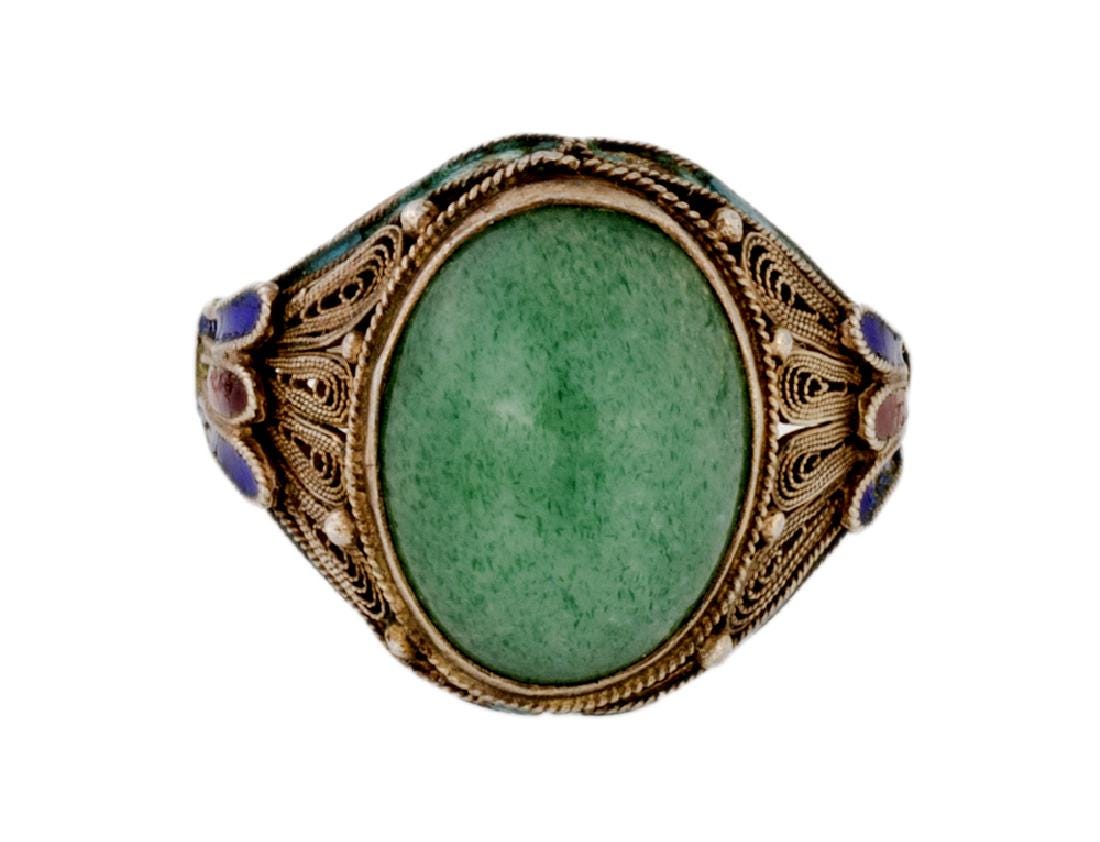
Serpentine always occurs in massive formations. Lapidaries usually cut it into beads, cabochons, or various useful and decorative carvings. Occasionally, some stones are translucent enough to be faceted (especially williamsite). Such gems make very lovely and inexpensive jewelry pieces.
All varieties of serpentine have very low hardness, which means they can be scratched very easily. Even bowenite, which can reach a hardness of 6, can still be scratched by household dust. However, these gems will make good stones for earrings, pendants, and brooches. As ring stones, they will need protective settings. Reserve serpentines for occasional wear only.
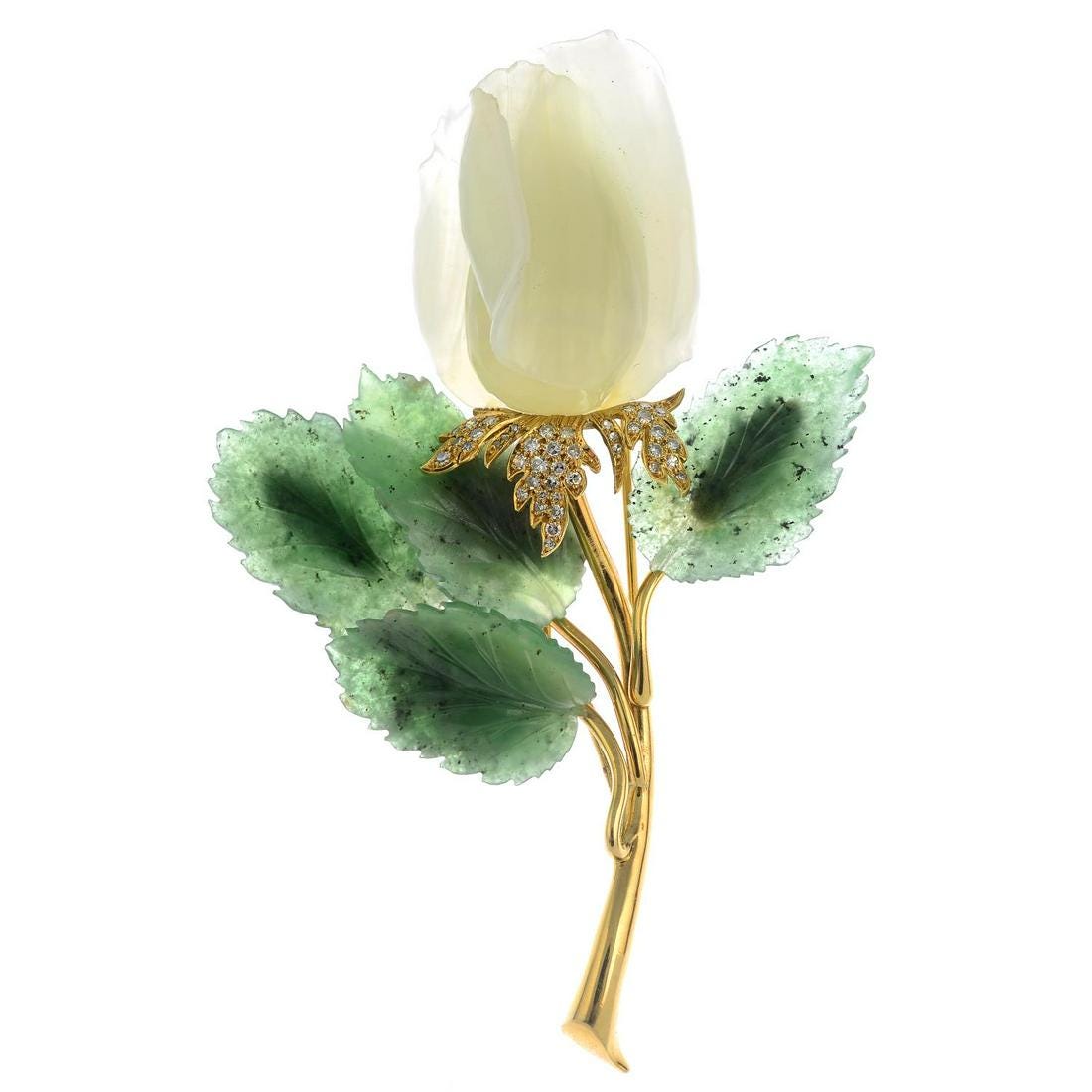
Enthusiasts of state-themed jewelry will appreciate that serpentine is the state rock of California. Bowenite is also the state mineral of Rhode Island.
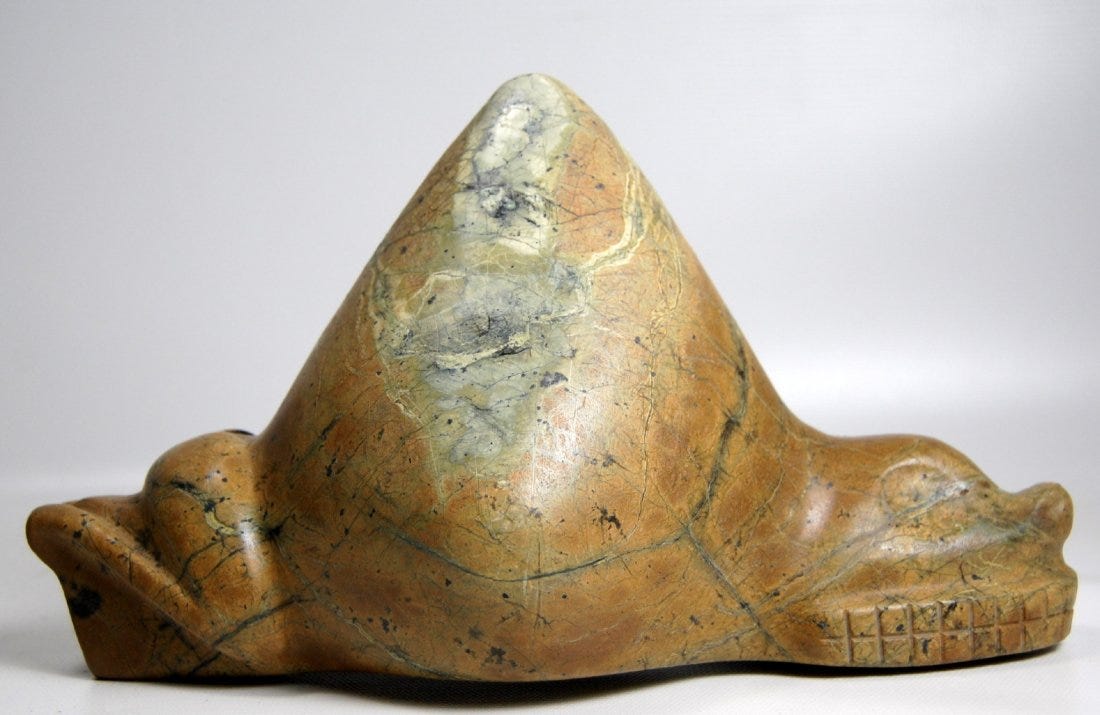
The species of the serpentine subgroup have the same composition but different properties. They usually occur mixed together as rocks. Objects cut from this material are frequently described simply as serpentines. Nevertheless, the different properties of some these varieties lend themselves to different lapidary uses.
| Antigorite* | Chrysotile | Lizardite | |
| Optics | |||
| α | 1.560 | 1.532-1.549 | 1.538-1.554 |
| β | 1.566 | - | - |
| γ | 1.571 | 1.545-1.556 | 1.546-1.560 |
| Birefringence | 0.014 | 0.013 | 0.008 |
| Specific Gravity | 2.61 | 2.55 | 2.55 |
| Hardness | 2.5-3.5 | 2.5 | 2.5 |
* Bowenite, a variety of antigorite, has a specific gravity (SG) of 2.58-2.62 and a hardness of 4-6. Williamsite, another variety of antigorite, has an SG 2.6-2.62 and a hardness of 4.5.
The most commonly faceted serpentine, antigorite occurs in many localities on every continent, even Antarctica.
Gem material from Pakistan has a yellowish green color, near transparency, refractive index (RI) 1.559-1.561, and birefringence of 0.001-0.002
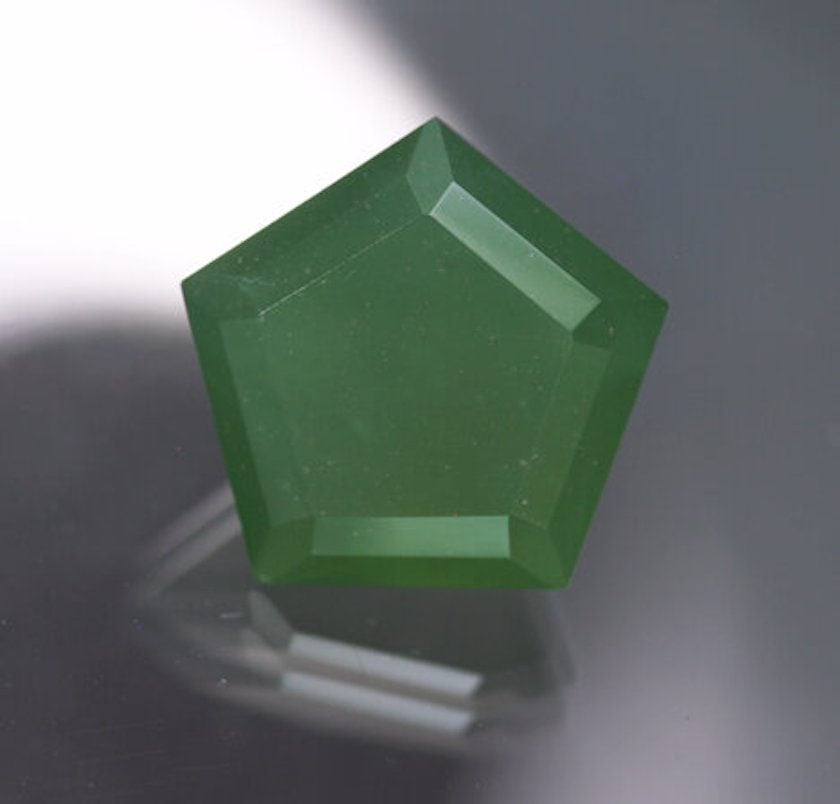
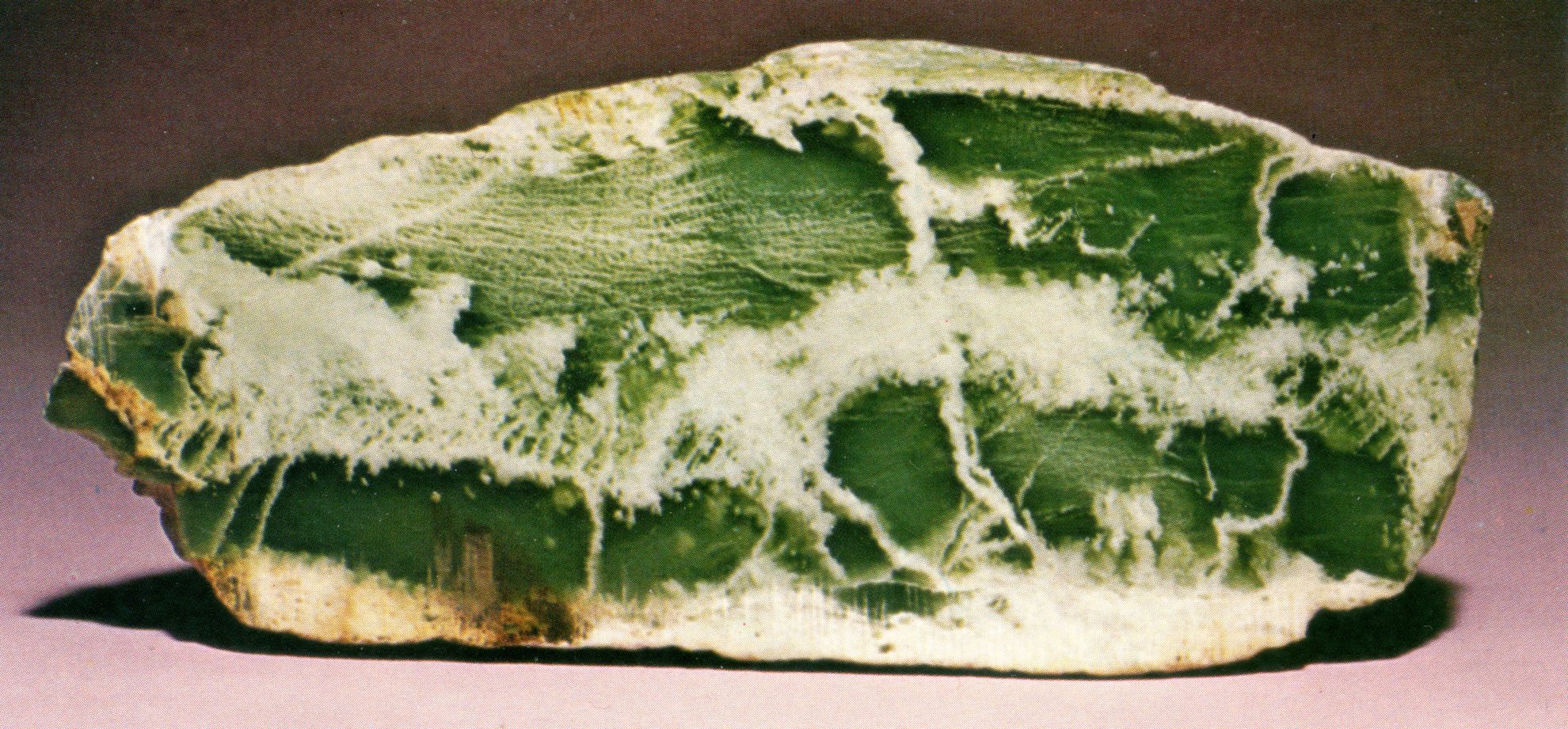
This translucent variety of antigorite usually has blue-green, yellow-green, or dark green colors. With the highest hardness of the serpentines, bowenites have been carved into objects like knife handles as well as cut into jewelry stones.
Notable sources include the following:
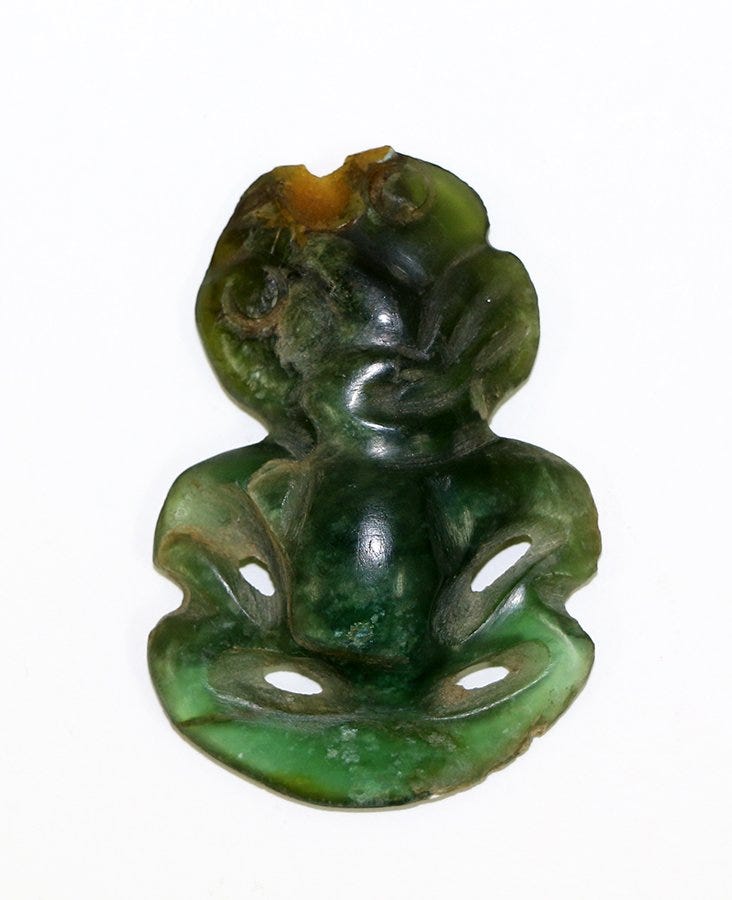
A very translucent variety of antigorite, typically with an apple-green color, williamsite contains dark octahedral crystals of chromite and patches of white brucite (magnesium hydroxide). Williamsite from Rock Springs, Maryland, the best-known locality, may contain chromium and have deep green colors and RI (mean) of 1.560.
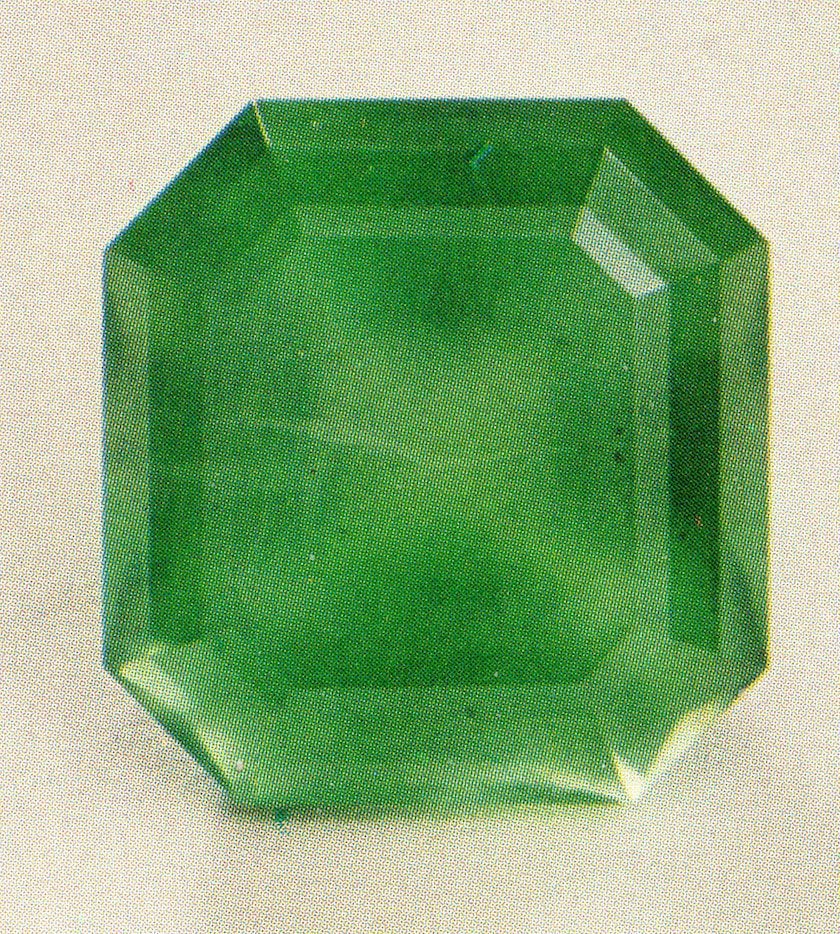
Although antigorite occurs all over the world and is the most commonly faceted serpentine, the most common serpentine variety is actually lizardite.
Notable sources include the following:
Gem rocks composed of calcite and serpentine.
A green gem rock veined with serpentine, calcite, and other minerals. Found in Egypt, Greece, Italy, and Vermont.
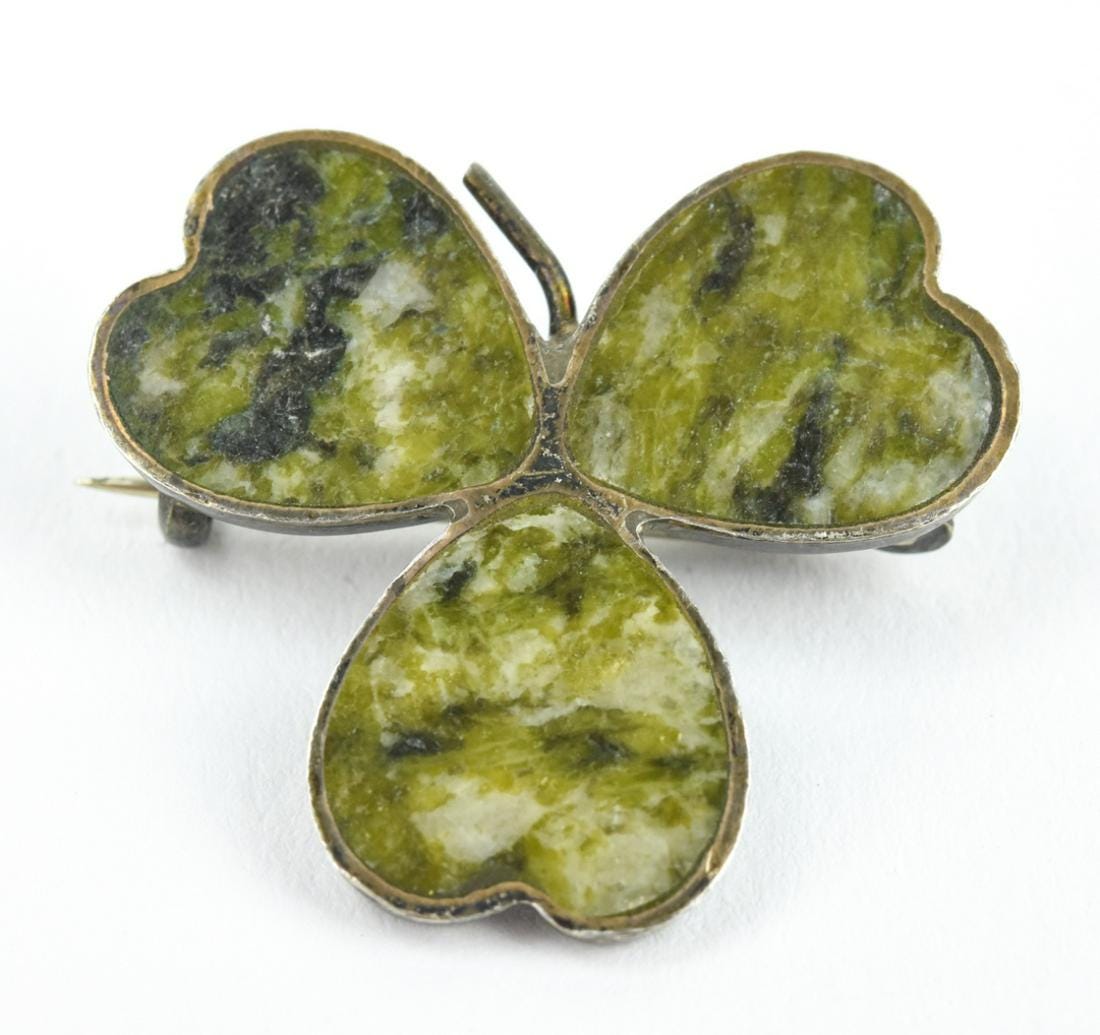
Ireland produces a mottled green gem rock, a mixture of serpentine and carbonates, known locally as Connemara marble. Mean RI 1.56, SG 2.48-2.77, absorption line at 4650.
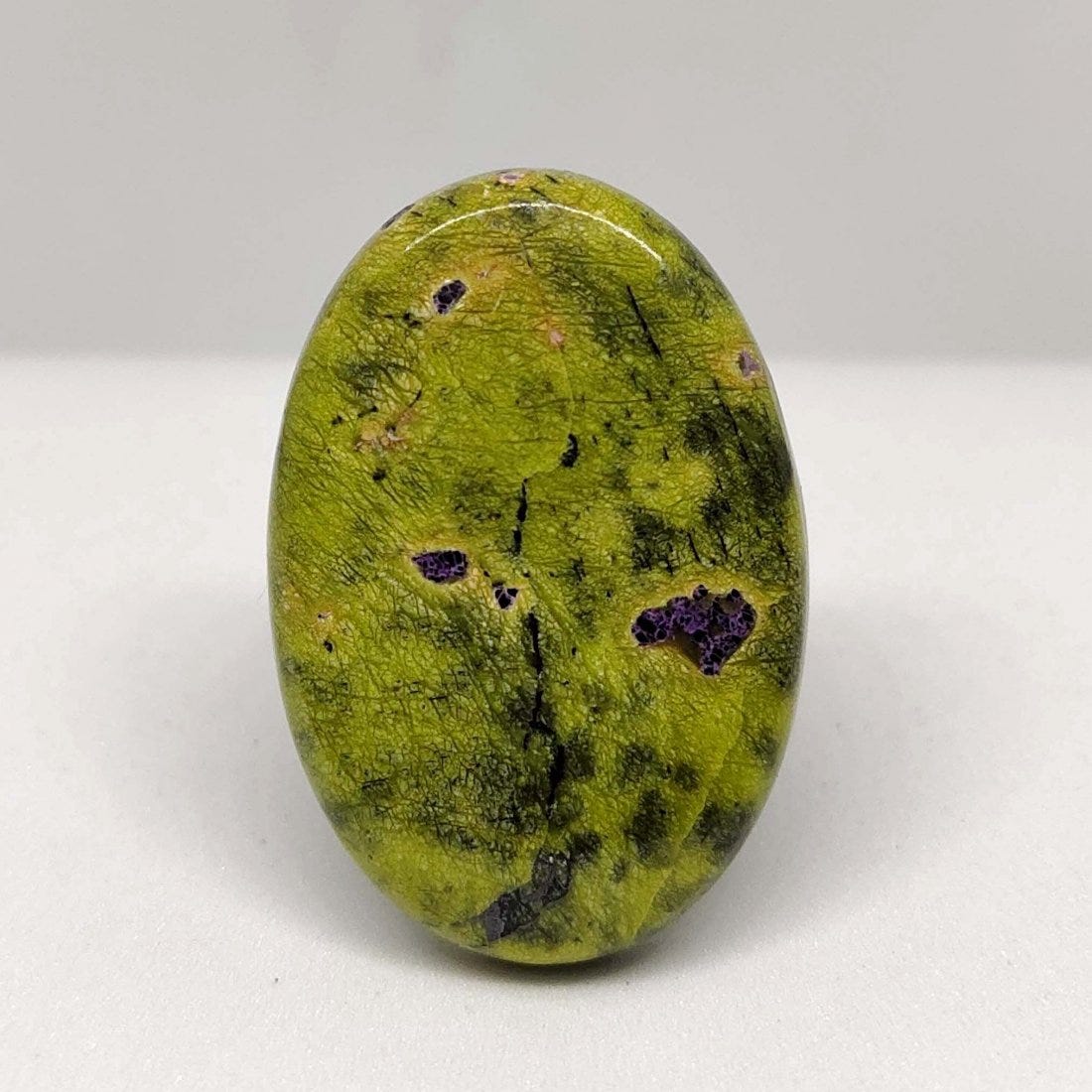
A trade name for a serpentine mixed with purple stichtite.
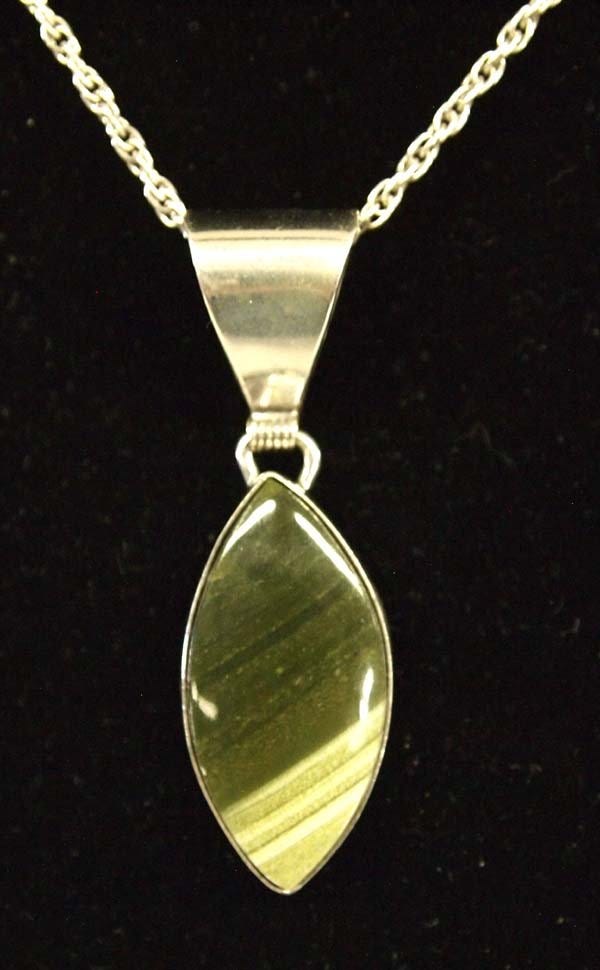
A serpentine banded with talc, found in Grant County, New Mexico.
Sometimes called pseudophite, an aluminous serpentine from Austria, with hardness 2.5, RI 1.57, and SG 2.69. Of course, this material isn't jade. This is just a popular name that alludes to its apparent similarity to that gemstone.
A grayish to greenish blue serpentine pseudomorph after asbestiform tremolite from Maryland and California. Some specimens may show a slight cat's eye effect.
A serpentine pseudomorph after enstatite.
In fibrous form, chrysotile is best known as asbestos and widely used in industry for its physical properties. However, non-fibrous material can be cut into gemstones.
Since serpentines (especially chrysotile) have many practical applications, scientists have synthesized this material in laboratory settings for research purposes.
The ready availability of natural serpentines means there's little demand for synthetics as jewelry stones. Nevertheless, you may find small pieces, such as beads, sold online as "synthetic serpentines." However, it's not clear if these are actually lab-created serpentines or just other lookalike or imitation materials, like glass. These may be instances of the term "synthetic" being used in the popular sense of "not real."
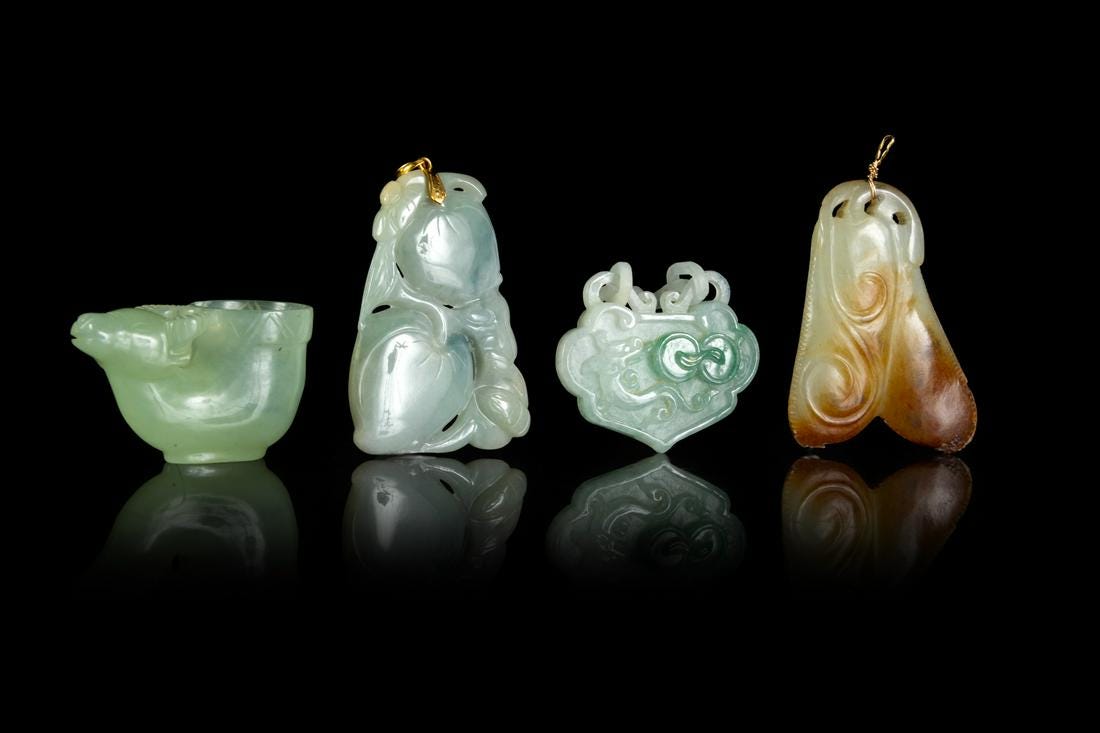
You're far more likely to encounter natural serpentines for sale as jade simulants than actual synthetic serpentines. Natural serpentines can make convincing imitations, but real jadeite and nephrite both have higher SG and RI values than serpentines. They're also much tougher than any serpentines (and have a greater resistance to blows than most other gemstones, including diamonds). Usually, gemologists can easily distinguish jade from serpentine.
Serpentines may also be used in assembled stones, as a backing for a jadeite doublet, for example. If mounted in jewelry, such pieces may prove harder to identify.
Be aware that some vendors may sell serpentines under the misleading name "Korean jade."
Serpentines can make wonderful and inexpensive jade lookalikes… as long as buyers are aware of what they're actually purchasing.
Serpentines may receive treatments, such as impregnation with resin (to improve stability) and dye (to improve color). Green dyes may enhance their "jade-like" appearance, but serpentines may also receive dyes for colors beyond their natural range, such as orange and purple. These dyed serpentines may simulate other gemstones besides jade, such as sugilites.
A so-called "night glowing pearl," of the type that have appeared in Asian markets (typically fluorite or calcite spheres with phosphorescent coatings) proved to be a serpentine-talc rock with a similar coating.
Chrysotile is asbestos, which can damage lungs as well as cause lung cancer and mesothelioma if particles are inhaled. However, the normal wear and handling of finished chrysotile pieces will pose no health risks. Non-fibrous chrysolite gems and objects won't release breathable, hazardous particles. Other finished serpentine varieties are also safe to wear.
On the other hand, lapidaries working with chrysolite should take precautions, since cutting this material will release fine, airborne particles. Faceters should always use dust masks and ensure their workspace has proper ventilation. Consult our article on lapidary health hazards and safety tips for more information.
Avoid cleaning serpentine jewelry with mechanical cleaning systems, like steam and ultrasound. Clean these gemstones only with a soft brush, mild detergent, and warm water. Consult our gemstone jewelry cleaning guide for more care recommendations.

When you join the IGS community, you get trusted diamond & gemstone information when you need it.
Mineralogically, the gem material known as serpentine is a subgroup within the kaolinite-serpentine group. Within this subgroup, antigorite (with bowenite and williamsite varieties), chrysotile, and lizardite are the most commonly cut and polished.
Serpentine always occurs in massive formations. Lapidaries usually cut it into beads, cabochons, or various useful and decorative carvings. Occasionally, some stones are translucent enough to be faceted (especially williamsite). Such gems make very lovely and inexpensive jewelry pieces.
All varieties of serpentine have very low hardness, which means they can be scratched very easily. Even bowenite, which can reach a hardness of 6, can still be scratched by household dust. However, these gems will make good stones for earrings, pendants, and brooches. As ring stones, they will need protective settings. Reserve serpentines for occasional wear only.
Enthusiasts of state-themed jewelry will appreciate that serpentine is the state rock of California. Bowenite is also the state mineral of Rhode Island.
The species of the serpentine subgroup have the same composition but different properties. They usually occur mixed together as rocks. Objects cut from this material are frequently described simply as serpentines. Nevertheless, the different properties of some these varieties lend themselves to different lapidary uses.
| Antigorite* | Chrysotile | Lizardite | |
| Optics | |||
| α | 1.560 | 1.532-1.549 | 1.538-1.554 |
| β | 1.566 | - | - |
| γ | 1.571 | 1.545-1.556 | 1.546-1.560 |
| Birefringence | 0.014 | 0.013 | 0.008 |
| Specific Gravity | 2.61 | 2.55 | 2.55 |
| Hardness | 2.5-3.5 | 2.5 | 2.5 |
* Bowenite, a variety of antigorite, has a specific gravity (SG) of 2.58-2.62 and a hardness of 4-6. Williamsite, another variety of antigorite, has an SG 2.6-2.62 and a hardness of 4.5.
The most commonly faceted serpentine, antigorite occurs in many localities on every continent, even Antarctica.
Gem material from Pakistan has a yellowish green color, near transparency, refractive index (RI) 1.559-1.561, and birefringence of 0.001-0.002
This translucent variety of antigorite usually has blue-green, yellow-green, or dark green colors. With the highest hardness of the serpentines, bowenites have been carved into objects like knife handles as well as cut into jewelry stones.
Notable sources include the following:
A very translucent variety of antigorite, typically with an apple-green color, williamsite contains dark octahedral crystals of chromite and patches of white brucite (magnesium hydroxide). Williamsite from Rock Springs, Maryland, the best-known locality, may contain chromium and have deep green colors and RI (mean) of 1.560.
Although antigorite occurs all over the world and is the most commonly faceted serpentine, the most common serpentine variety is actually lizardite.
Notable sources include the following:
Gem rocks composed of calcite and serpentine.
A green gem rock veined with serpentine, calcite, and other minerals. Found in Egypt, Greece, Italy, and Vermont.
Ireland produces a mottled green gem rock, a mixture of serpentine and carbonates, known locally as Connemara marble. Mean RI 1.56, SG 2.48-2.77, absorption line at 4650.
A trade name for a serpentine mixed with purple stichtite.
A serpentine banded with talc, found in Grant County, New Mexico.
Sometimes called pseudophite, an aluminous serpentine from Austria, with hardness 2.5, RI 1.57, and SG 2.69. Of course, this material isn't jade. This is just a popular name that alludes to its apparent similarity to that gemstone.
A grayish to greenish blue serpentine pseudomorph after asbestiform tremolite from Maryland and California. Some specimens may show a slight cat's eye effect.
A serpentine pseudomorph after enstatite.
In fibrous form, chrysotile is best known as asbestos and widely used in industry for its physical properties. However, non-fibrous material can be cut into gemstones.
Since serpentines (especially chrysotile) have many practical applications, scientists have synthesized this material in laboratory settings for research purposes.
The ready availability of natural serpentines means there's little demand for synthetics as jewelry stones. Nevertheless, you may find small pieces, such as beads, sold online as "synthetic serpentines." However, it's not clear if these are actually lab-created serpentines or just other lookalike or imitation materials, like glass. These may be instances of the term "synthetic" being used in the popular sense of "not real."
You're far more likely to encounter natural serpentines for sale as jade simulants than actual synthetic serpentines. Natural serpentines can make convincing imitations, but real jadeite and nephrite both have higher SG and RI values than serpentines. They're also much tougher than any serpentines (and have a greater resistance to blows than most other gemstones, including diamonds). Usually, gemologists can easily distinguish jade from serpentine.
Serpentines may also be used in assembled stones, as a backing for a jadeite doublet, for example. If mounted in jewelry, such pieces may prove harder to identify.
Be aware that some vendors may sell serpentines under the misleading name "Korean jade."
Serpentines can make wonderful and inexpensive jade lookalikes… as long as buyers are aware of what they're actually purchasing.
Serpentines may receive treatments, such as impregnation with resin (to improve stability) and dye (to improve color). Green dyes may enhance their "jade-like" appearance, but serpentines may also receive dyes for colors beyond their natural range, such as orange and purple. These dyed serpentines may simulate other gemstones besides jade, such as sugilites.
A so-called "night glowing pearl," of the type that have appeared in Asian markets (typically fluorite or calcite spheres with phosphorescent coatings) proved to be a serpentine-talc rock with a similar coating.
Chrysotile is asbestos, which can damage lungs as well as cause lung cancer and mesothelioma if particles are inhaled. However, the normal wear and handling of finished chrysotile pieces will pose no health risks. Non-fibrous chrysolite gems and objects won't release breathable, hazardous particles. Other finished serpentine varieties are also safe to wear.
On the other hand, lapidaries working with chrysolite should take precautions, since cutting this material will release fine, airborne particles. Faceters should always use dust masks and ensure their workspace has proper ventilation. Consult our article on lapidary health hazards and safety tips for more information.
Avoid cleaning serpentine jewelry with mechanical cleaning systems, like steam and ultrasound. Clean these gemstones only with a soft brush, mild detergent, and warm water. Consult our gemstone jewelry cleaning guide for more care recommendations.


The gem material known as serpentine actually encompasses several related mineral species. For millennia, people have cut serpentines into beautiful gems and decorative objects.