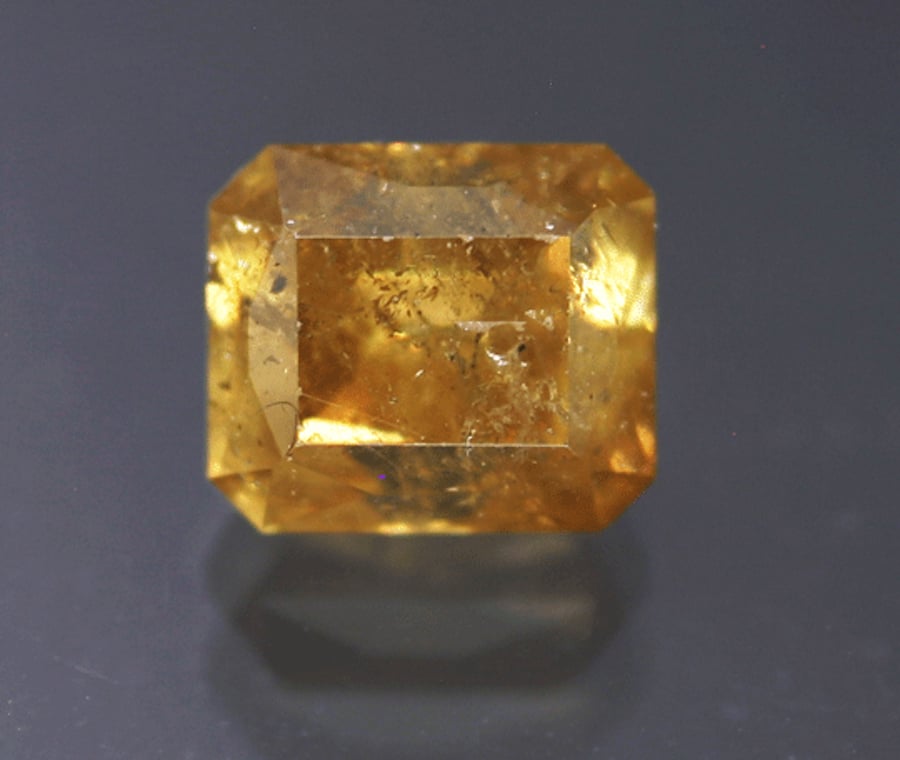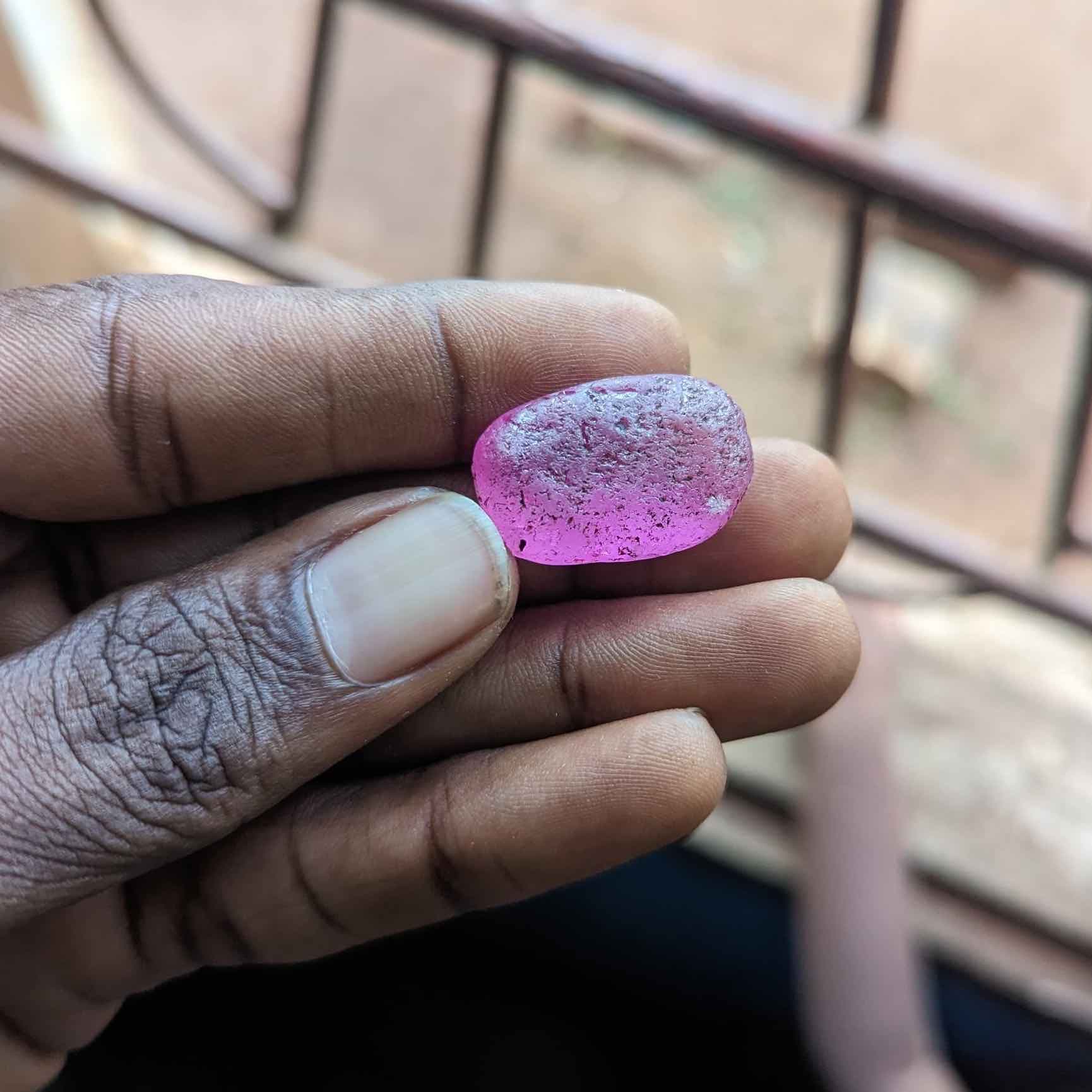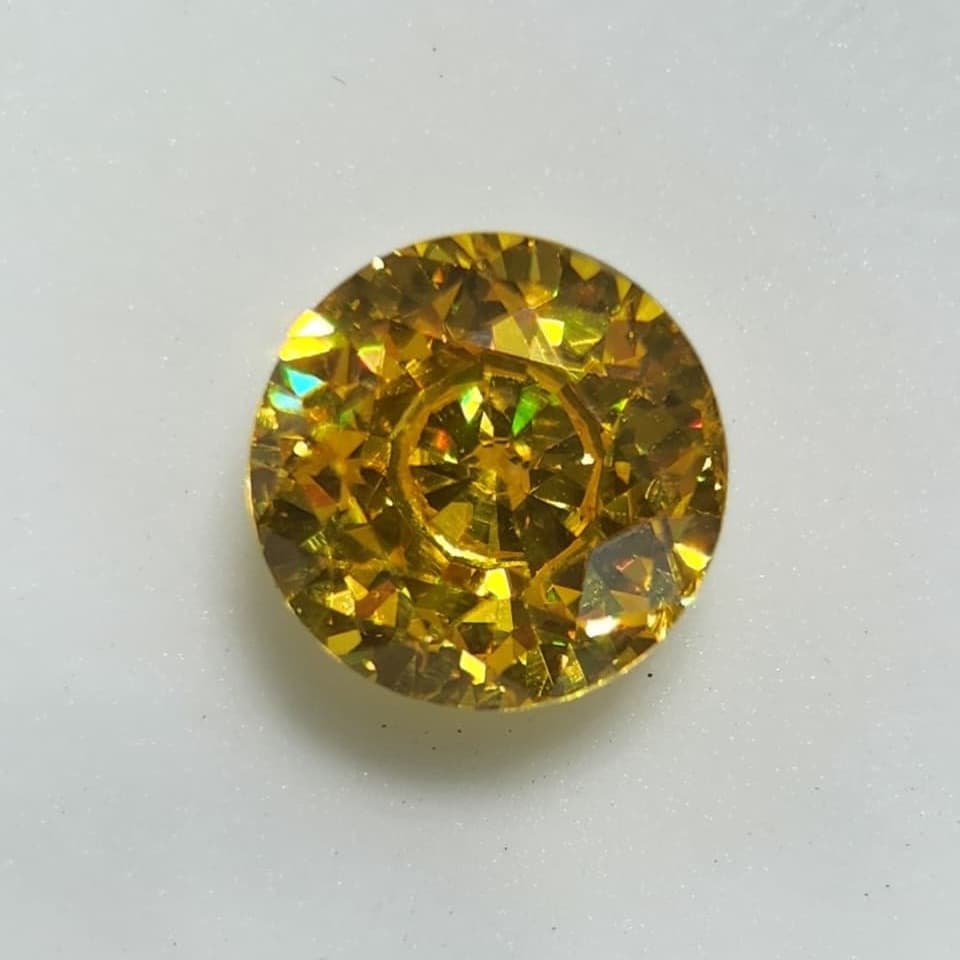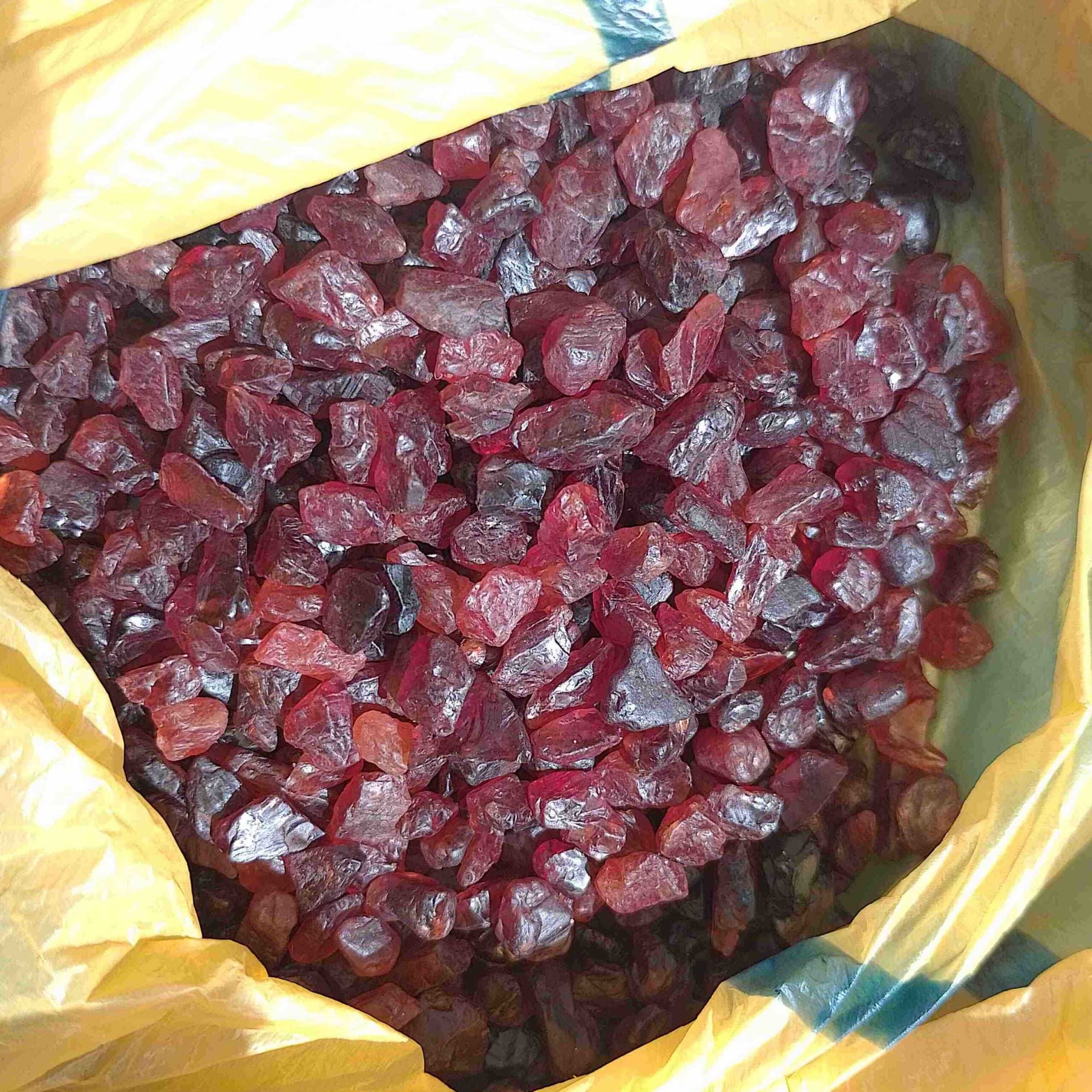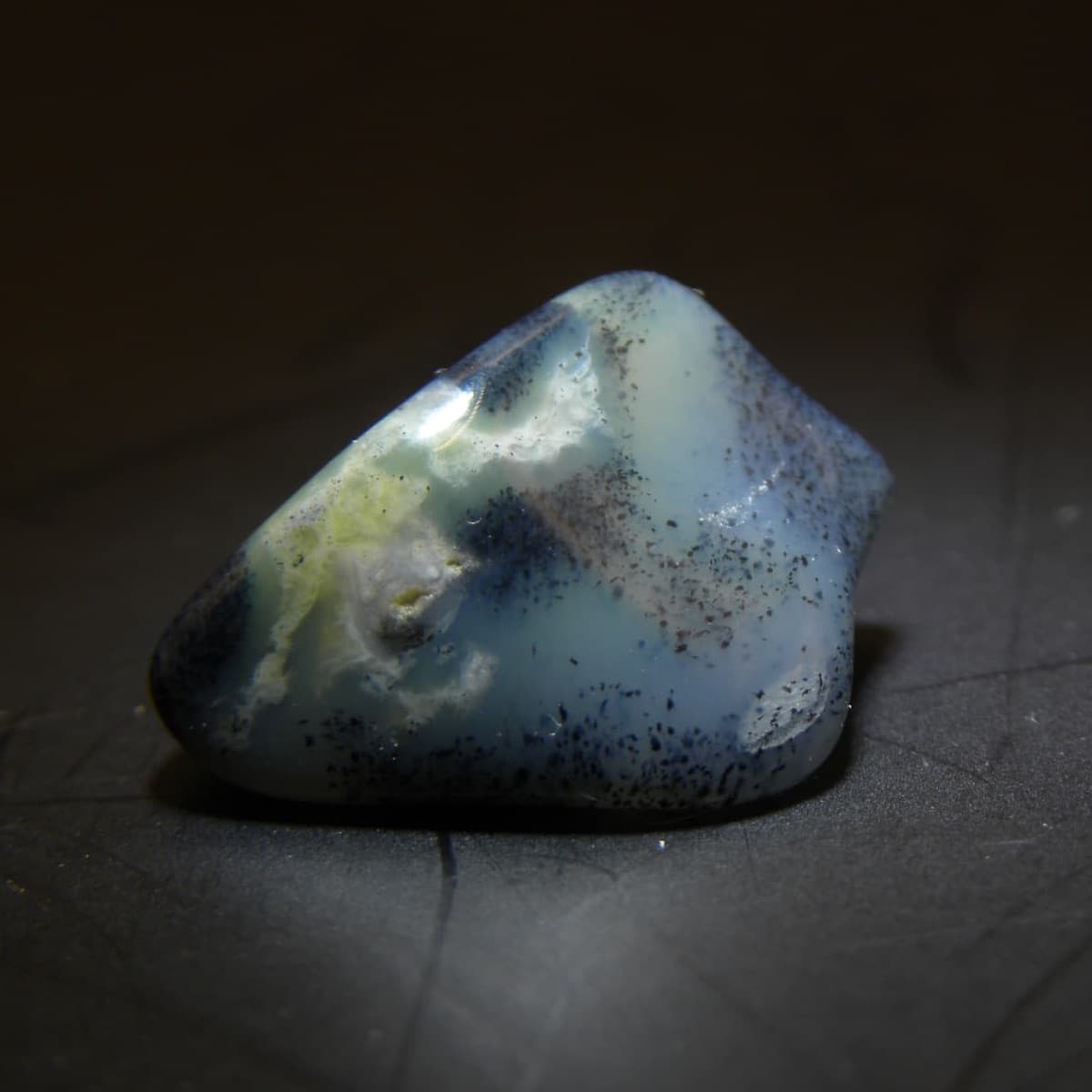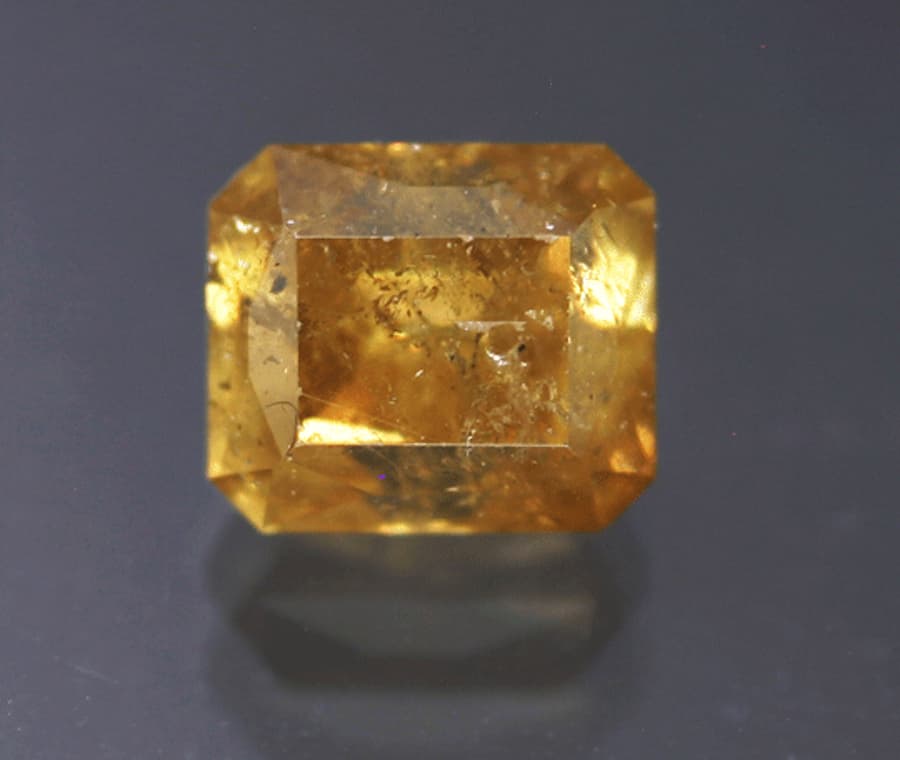
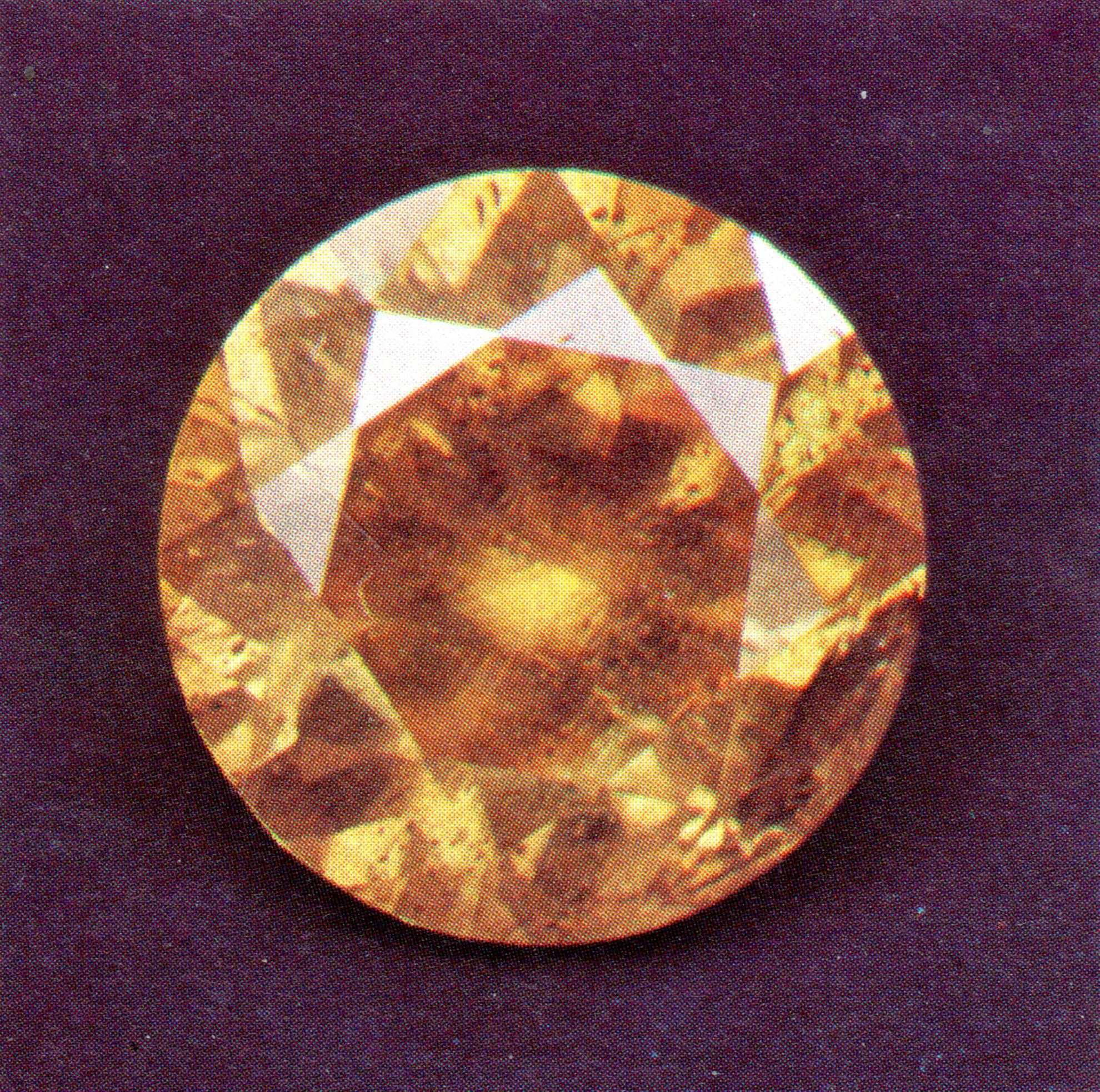
Rare stibiotantalite possesses an interesting mix of physical and optical properties that help distinguish it from other earth-toned gemstones. However, cut pieces over 2-3 carats rank among the rarest collector’s gems.
2 Minute Read
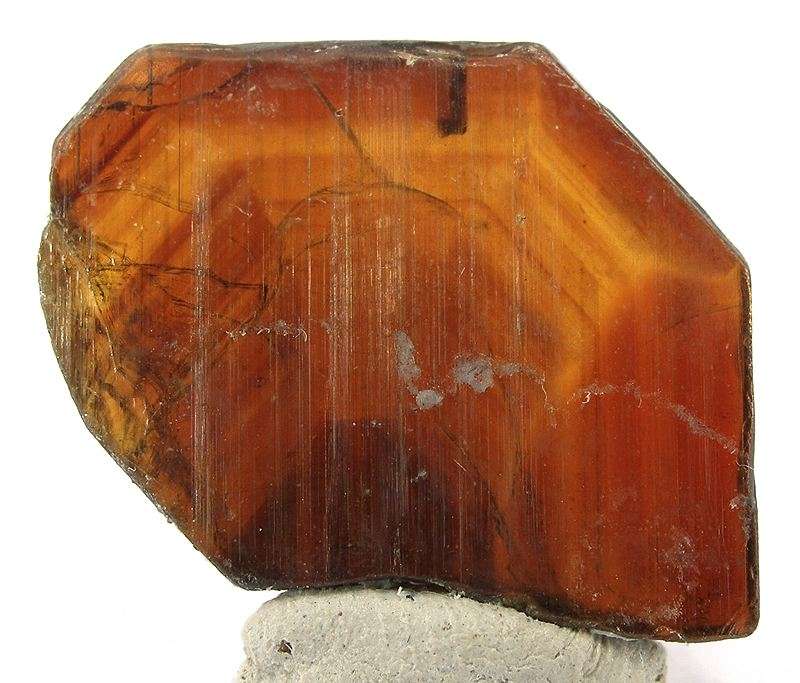
Stibiotantalite belongs to the cervantite mineral group and forms a series with stibiocolumbite. If niobium (Nb) exceeds tantalum (Ta) in the mineral's composition, the result is stibiocolumbite. Stibiotantalite occurs when Ta exceeds Nb.
Stibiotantalites might be readily distinguished from other comparable gems. However, cut specimens strongly resemble more commonly encountered sphalerites. These gems share a range of earth-tone colors, including browns, yellows, reds, and even greens. Both can be transparent. Both have dispersion that exceeds the "fire" of diamond and very high, over the limit (OTL) refractive index (RI) ranges. They even share pyroelectric properties and can leave yellow streaks.
Nevertheless, some notable differences exist. Stibiotantalites have greater hardness. Polished sphalerites can have a higher, adamantine luster compared to stibiotantalite's resinous to vitreous appearance. More exceptionally, stibiotantalite has very strong birefringence, while sphalerites have none. This birefringence gives cut stibiotantalites a sleepy look due to the doubling of back facets as seen through the table.
Most exceptionally, stibiotantalites have far higher specific gravity (SG) values, 7.34 to 7.46, than sphalerites (and most other gemstones, for that matter).
So, if you find a very dense, pyroelectric, transparent, highly birefringent, and fiery earth-toned faceted gem, you might have a very rare stibiotantalite in hand.
Stibiotantalites have been synthesized. However, there is no known jewelry use for this material.
No known enhancements.
Mozambique has produced most of the facetable stibiotantalite material. However, this source may be exhausted.
Other notable sources of gemmy crystals include Brazil and the United States, particularly San Diego County, California and Topsham, Maine.
The Wodgina district in Western Australia produces gem material as rolled pebbles.
Other gem sources include the following:
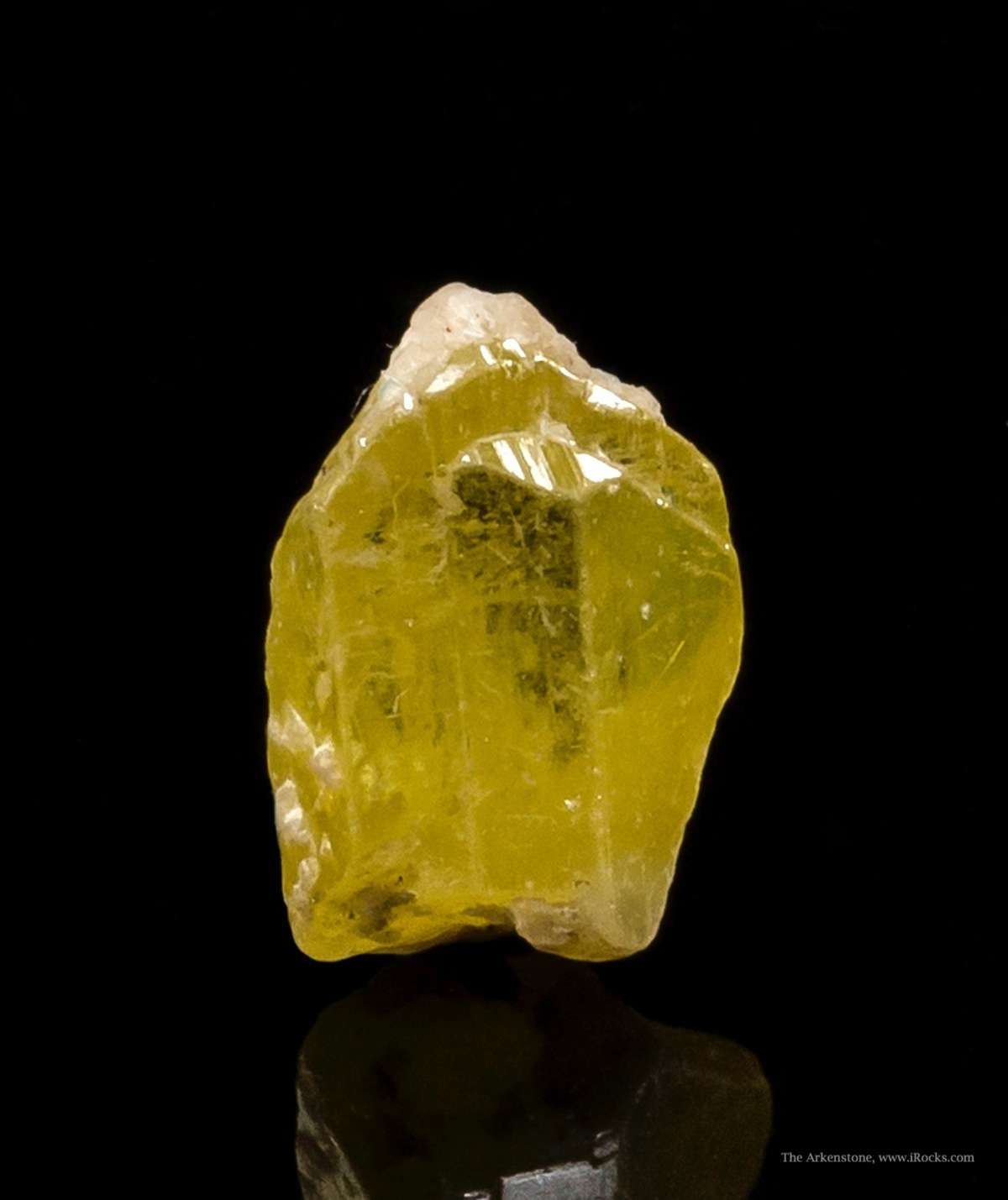
Stibiotantalites are fairly rare, and cut stones over 10 carats are virtually unknown. Transparent, facetable specimens are also extremely rare.
You're more likely to find faceted stibiotantalites in gem collections than jewelry collections, if at all. Their hardness (5 to 5.5) makes them susceptible to scratches from everyday wear and other, more common jewelry stones. Therefore, reserve them for occasional wear and protective settings and store them separately from other pieces.
Due to their inclusions, avoid cleaning them in mechanical systems. Use a soft brush, mild detergent, and warm water, instead. See our jewelry cleaning guide for more recommendations.


When you join the IGS community, you get trusted diamond & gemstone information when you need it.
Stibiotantalite belongs to the cervantite mineral group and forms a series with stibiocolumbite. If niobium (Nb) exceeds tantalum (Ta) in the mineral's composition, the result is stibiocolumbite. Stibiotantalite occurs when Ta exceeds Nb.
Stibiotantalites might be readily distinguished from other comparable gems. However, cut specimens strongly resemble more commonly encountered . These gems share a range of earth-tone colors, including browns, yellows, reds, and even greens. Both can be . Both have that exceeds the "fire" of diamond and very high, (OTL) (RI) ranges. They even share properties and can leave yellow .
Nevertheless, some notable differences exist. Stibiotantalites have greater hardness. Polished sphalerites can have a higher, adamantine luster compared to stibiotantalite's resinous to vitreous appearance. More exceptionally, stibiotantalite has very strong birefringence, while sphalerites have none. This birefringence gives cut stibiotantalites a sleepy look due to the doubling of back facets as seen through the table.
Most exceptionally, stibiotantalites have far higher specific gravity (SG) values, 7.34 to 7.46, than sphalerites (and most other gemstones, for that matter).
So, if you find a very dense, pyroelectric, transparent, highly birefringent, and fiery earth-toned faceted gem, you might have a very rare stibiotantalite in hand.
Stibiotantalites have been synthesized. However, there is no known jewelry use for this material.
No known enhancements.
Mozambique has produced most of the facetable stibiotantalite material. However, this source may be exhausted.
Other notable sources of gemmy crystals include Brazil and the United States, particularly San Diego County, California and Topsham, Maine.
The Wodgina district in Western Australia produces gem material as rolled pebbles.
Other gem sources include the following:
Stibiotantalites are fairly rare, and cut stones over 10 carats are virtually unknown. Transparent, facetable specimens are also extremely rare.
You're more likely to find faceted stibiotantalites in gem collections than jewelry collections, if at all. Their hardness (5 to 5.5) makes them susceptible to scratches from everyday wear and other, more common jewelry stones. Therefore, reserve them for occasional wear and protective settings and store them separately from other pieces.
Due to their inclusions, avoid cleaning them in mechanical systems. Use a soft brush, mild detergent, and warm water, instead. See our jewelry cleaning guide for more recommendations.


Rare stibiotantalite possesses an interesting mix of physical and optical properties that help distinguish it from other earth-toned gemstones. However, cut pieces over 2-3 carats rank among the rarest collector’s gems.