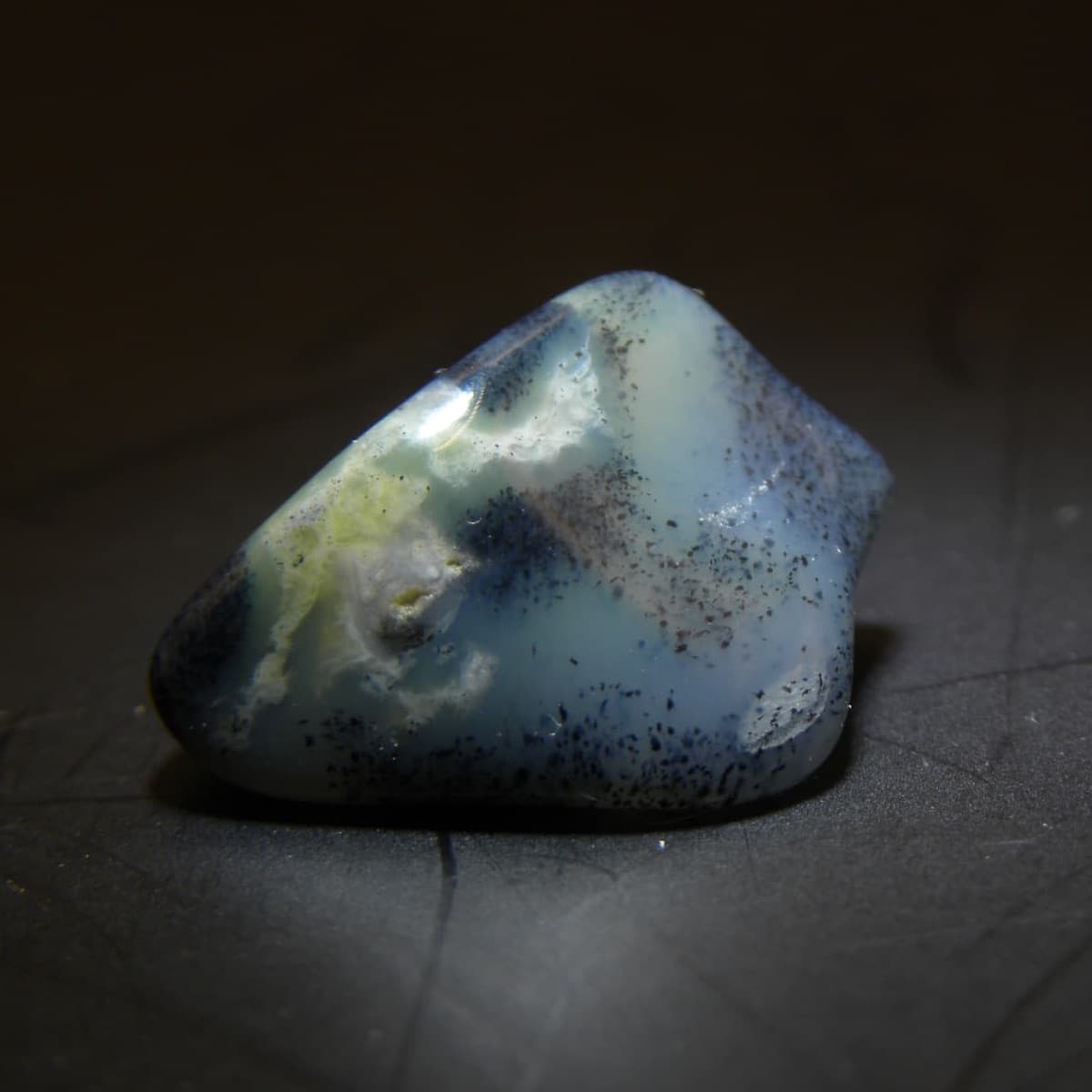
Triphylite is one of the world's rarest gems. The IGS had the extraordinary privilege of examining a discovery of facetable material from Brazil that showed previously unknown characteristics.
3 Minute Read
As any long-term student of gemology knows, the reported properties of gems expand over time. Textbooks written in the 1950s show a narrower range of properties than those written in the 1990s and 2000s. The simple reason is that gemologists have examined more gems. Thus, more information becomes available.
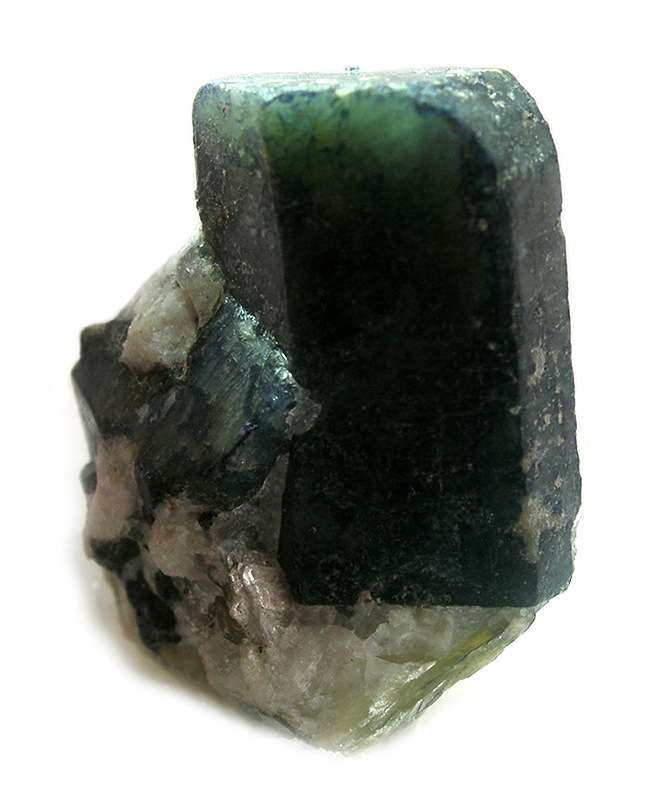
With gems as rare as triphylite (sometimes spelled tryphylite or triphyllite), gemologists have examined very few specimens ever. In addition, this phosphate mineral forms a solid solution series with lithiophilite. As a result, previously unobserved blends can appear. Lithiophilite has a chemical formula nearly identical to triphylite: Li(Mn+2, Fe+2)PO4. It differs by being rich in manganese (Mn) instead of iron (Fe). Due to this lower iron content, lithiophilite is slightly less dense. Its colors run from pinkish to greenish brown, while triphylite's color is usually a gray shade of blue or green.
Triphylite is a primary phosphate mineral. It alters easily into other phosphate minerals, especially manganese phosphates. Secondary phosphate minerals include: dickinsonite, eosphorite, fairfieldite, fillowite, heterosite, hureaulite, phosphoferrite, purpurite, reddingite, salmonsite, sicklerite, stewartite, strengite, triploidite, vivianite, and wolfeite.
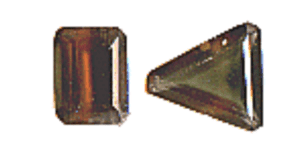
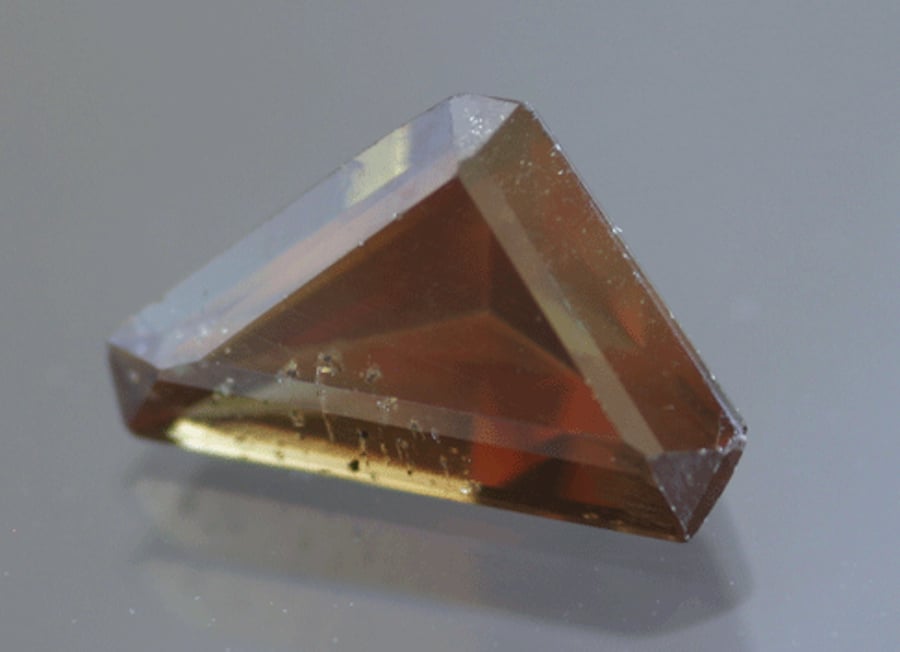
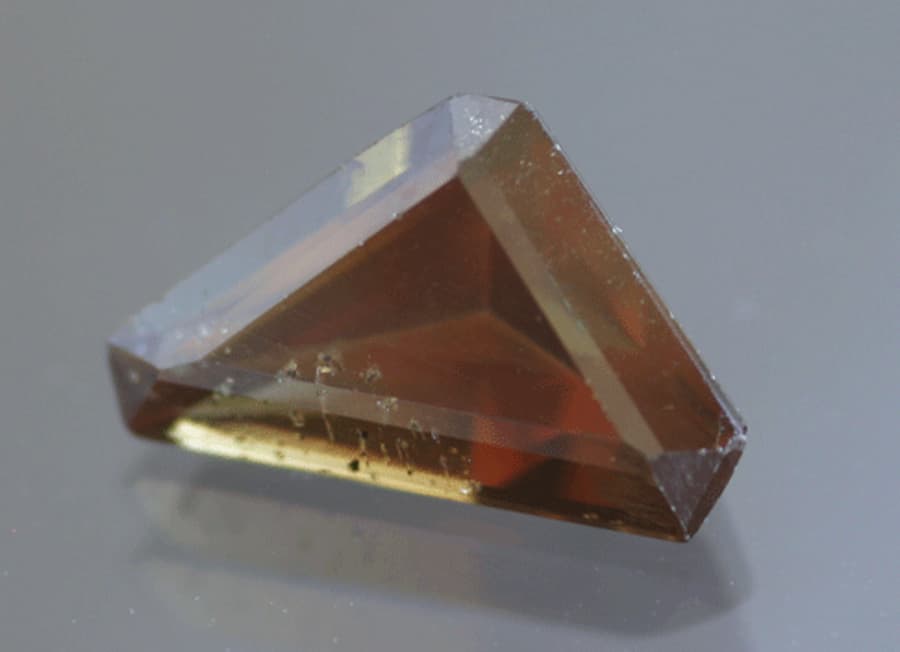
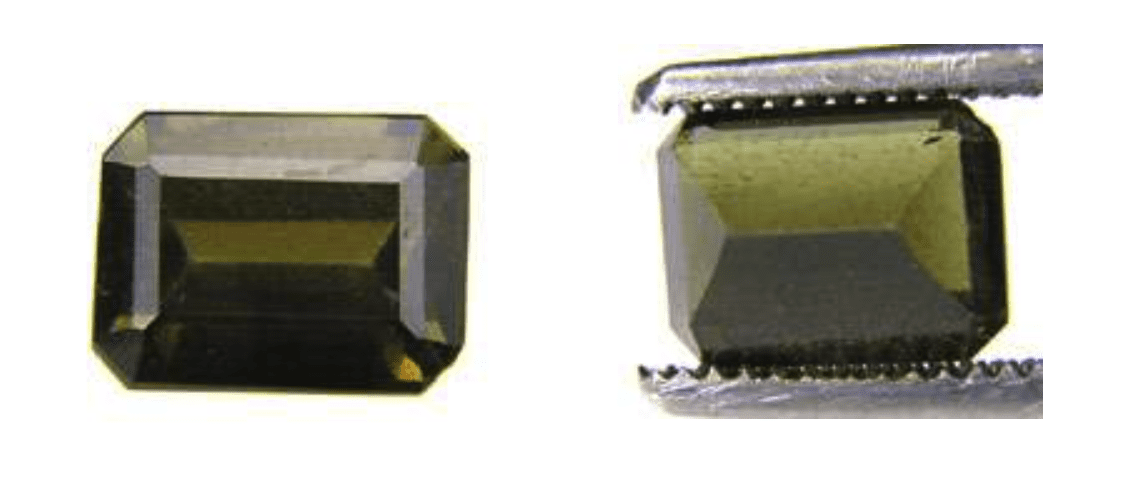
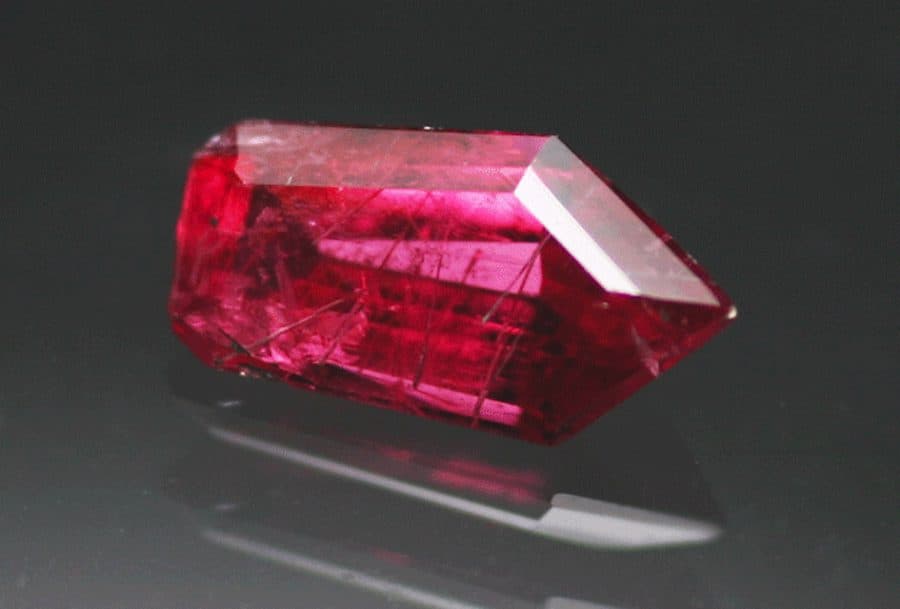
The new discovery clearly shows the blend, being clove brown and grayish green. Previously studied examples of this gem were just melee size and had very little pleochroism. The newly discovered gems go up to two carats and show beautiful orangish/brown and green pleochroism, similar to andalusite.
Below is a summary of their properties.
Additional Brazilian material has also demonstrated color change. Some gems have shown slight color change, from greenish brown in daylight to brownish pink or purple in incandescent light.


This 0.99-ct triangle-cut triphylite gem from Minas Gerais, Brazil shows color change, from a dominant green in daylight to flashes of brownish copper red in incandescent light. © The Gem Trader. Used with permission.
You may sometimes observe triphylites with optic character biaxial (-). Depending on the Fe: Mn ratio, you may observe uniaxial interference figures. Refractive indices increase with Fe content but may substantially decrease if magnesium (Mg) substitutes for (Fe, Mn).
Scientists have explored using this mineral, in both natural and synthetic forms, in lithium batteries. However, no commercial jewelry use for lab-created triphylite is known.
None known.
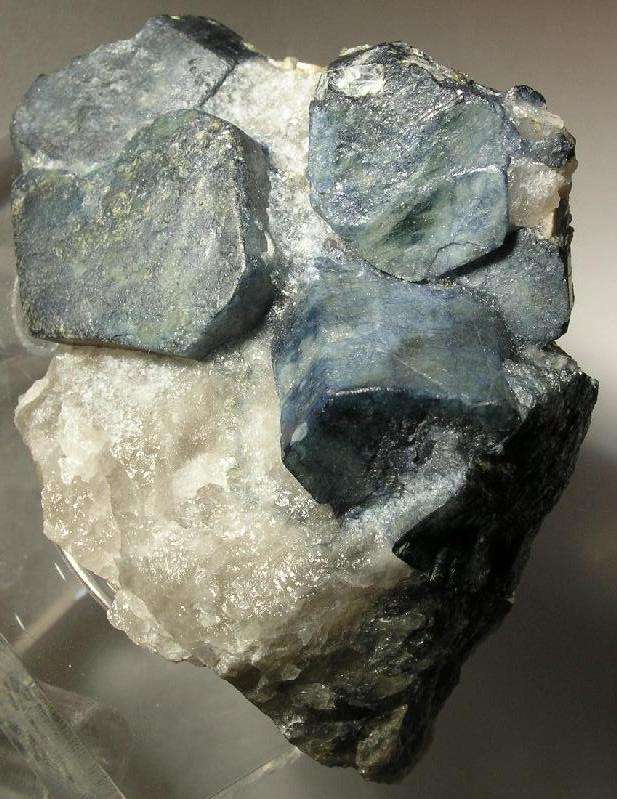
Minas Gerais, Brazil has produced facetable material. Other notable gem-quality sources include the following:
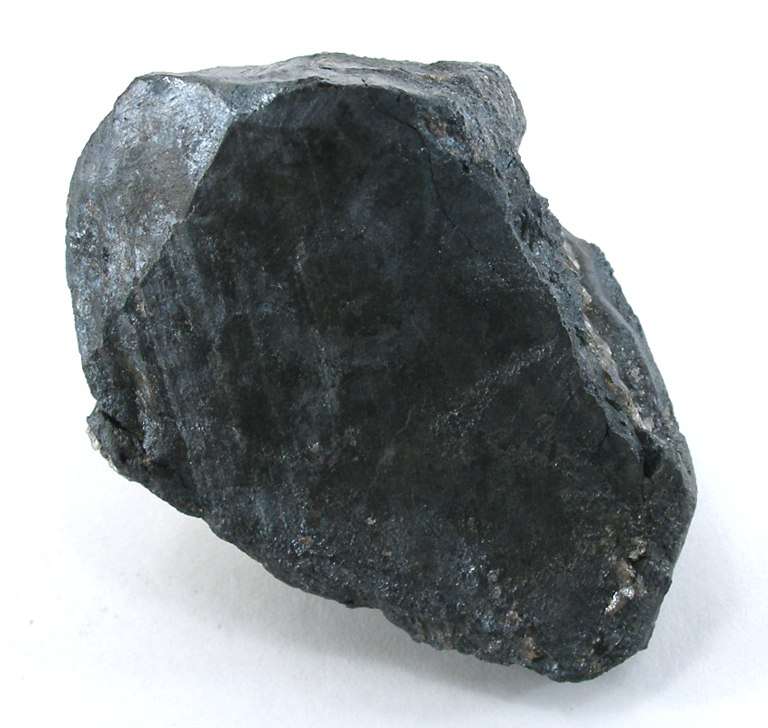
Triphylites don't usually form in distinct crystals. Most crystals appear as compact masses, embedded in other stones, or as inter-grown crystal clumps. Facetable material is very rare. Most gem-quality material is best suited for cabbing.
Conceivably, lapidaries could cut large stones from some of the immense crystals found in South Dakota. However, this material is usually opaque or altered. The Brazilian material has yielded tiny, brown, cut stones.
Triphylites could have more surprises in store for gem collectors. New sources could yield cuttable crystals at any time.
With perfect cleavage and mid-range hardness (4-5), these gems would require great care as jewelry stones. Make sure they have protective settings and avoid ring use. You're more likely to encounter these rare gems, if at all, in gem collections than jewelry collections.
Store these gems separately from other harder stones to avoid contact scratches. For cleaning, use a soft brush, mild detergent, and warm water. Consult our Gemstone Jewelry Cleaning Guide for more recommendations.


When you join the IGS community, you get trusted diamond & gemstone information when you need it.
As any long-term student of gemology knows, the reported properties of gems expand over time. Textbooks written in the 1950s show a narrower range of properties than those written in the 1990s and 2000s. The simple reason is that gemologists have examined more gems. Thus, more information becomes available.
With gems as rare as triphylite (sometimes spelled tryphylite or triphyllite), gemologists have examined very few specimens ever. In addition, this phosphate mineral forms a solid solution series with lithiophilite. As a result, previously unobserved blends can appear. Lithiophilite has a chemical formula nearly identical to triphylite: Li(Mn+2, Fe+2)PO4. It differs by being rich in manganese (Mn) instead of iron (Fe). Due to this lower iron content, lithiophilite is slightly less dense. Its colors run from pinkish to greenish brown, while triphylite's color is usually a gray shade of blue or green.
Triphylite is a primary phosphate mineral. It alters easily into other phosphate minerals, especially manganese phosphates. Secondary phosphate minerals include: dickinsonite, eosphorite, fairfieldite, fillowite, heterosite, hureaulite, phosphoferrite, purpurite, reddingite, salmonsite, sicklerite, stewartite, strengite, triploidite, vivianite, and wolfeite.
The new discovery clearly shows the blend, being clove brown and grayish green. Previously studied examples of this gem were just melee size and had very little pleochroism. The newly discovered gems go up to two carats and show beautiful orangish/brown and green pleochroism, similar to andalusite.
Below is a summary of their properties.
Additional Brazilian material has also demonstrated color change. Some gems have shown slight color change, from greenish brown in daylight to brownish pink or purple in incandescent light.
This 0.99-ct triangle-cut triphylite gem from Minas Gerais, Brazil shows color change, from a dominant green in daylight to flashes of brownish copper red in incandescent light. © The Gem Trader. Used with permission.
You may sometimes observe triphylites with optic character biaxial (-). Depending on the Fe: Mn ratio, you may observe uniaxial interference figures. Refractive indices increase with Fe content but may substantially decrease if magnesium (Mg) substitutes for (Fe, Mn).
Scientists have explored using this mineral, in both natural and synthetic forms, in lithium batteries. However, no commercial jewelry use for lab-created triphylite is known.
None known.
Minas Gerais, Brazil has produced facetable material. Other notable gem-quality sources include the following:
Triphylites don't usually form in distinct crystals. Most crystals appear as compact masses, embedded in other stones, or as inter-grown crystal clumps. Facetable material is very rare. Most gem-quality material is best suited for cabbing.
Conceivably, lapidaries could cut large stones from some of the immense crystals found in South Dakota. However, this material is usually opaque or altered. The Brazilian material has yielded tiny, brown, cut stones.
Triphylites could have more surprises in store for gem collectors. New sources could yield cuttable crystals at any time.
With perfect cleavage and mid-range hardness (4-5), these gems would require great care as jewelry stones. Make sure they have protective settings and avoid ring use. You're more likely to encounter these rare gems, if at all, in gem collections than jewelry collections.
Store these gems separately from other harder stones to avoid contact scratches. For cleaning, use a soft brush, mild detergent, and warm water. Consult our Gemstone Jewelry Cleaning Guide for more recommendations.


Triphylite is one of the world’s rarest gems. The IGS had the extraordinary privilege of examining a discovery of facetable material from Brazil that showed previously unknown characteristics.
Triphylite values vary considerably, due to rarity and demand. Some have sold for $250 per carat. At auction, demand has driven prices as high as $4,500 per carat.