Discover ideal diamond sizes for rings, earrings, and necklaces with our comprehensive guide exploring carat weights, visual impact, and price points for every budget and style preference.
15 Minute Read
Choosing the right diamond carat weight requires balancing your budget, personal style preferences, and expectations. This comprehensive guide will help you find the ideal diamond size for engagement rings, earrings, and pendants across various price points.
In this article, you'll learn:
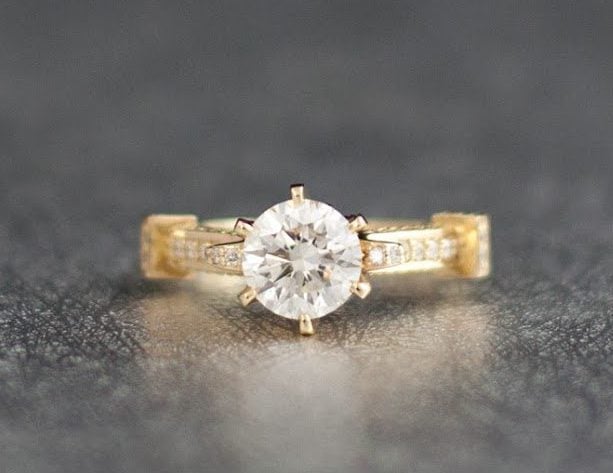
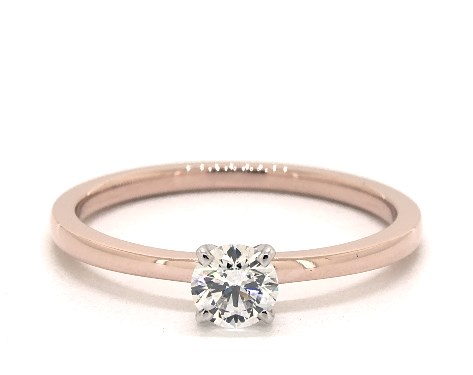
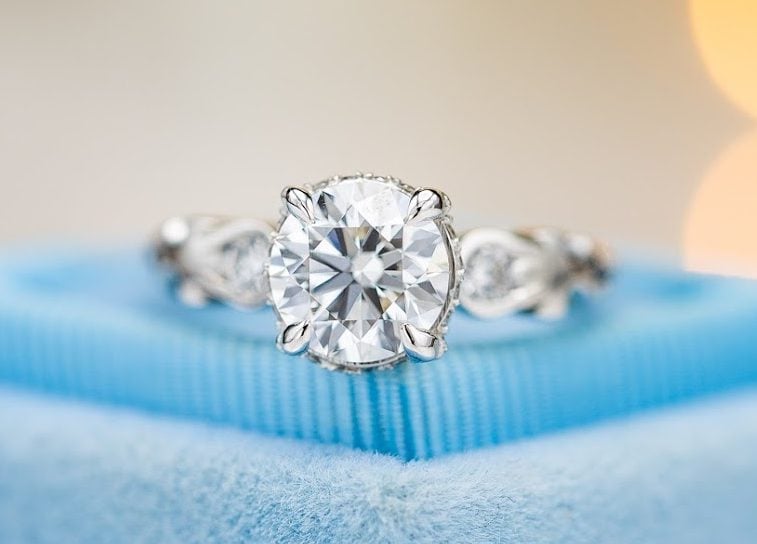
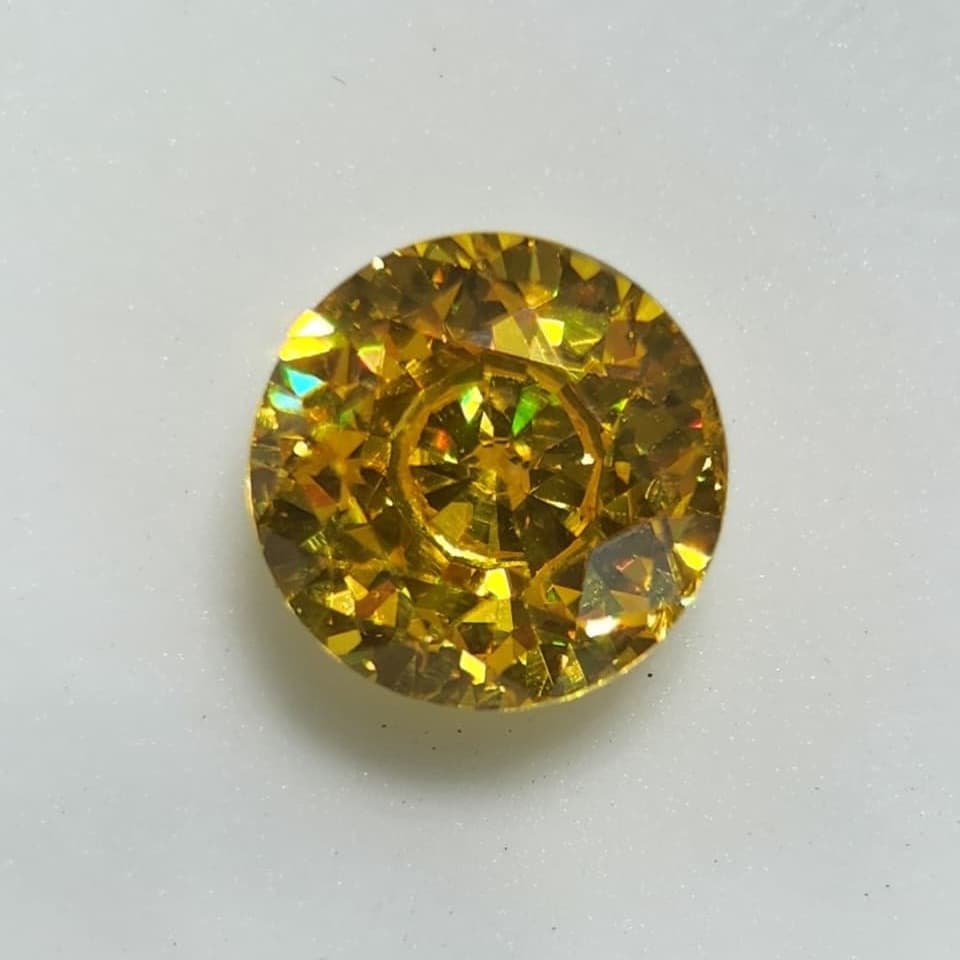
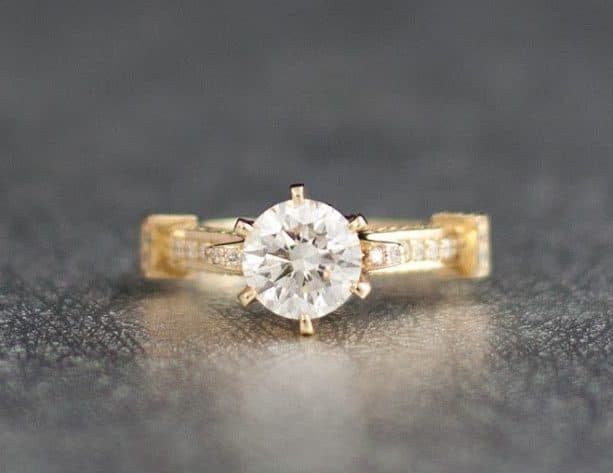
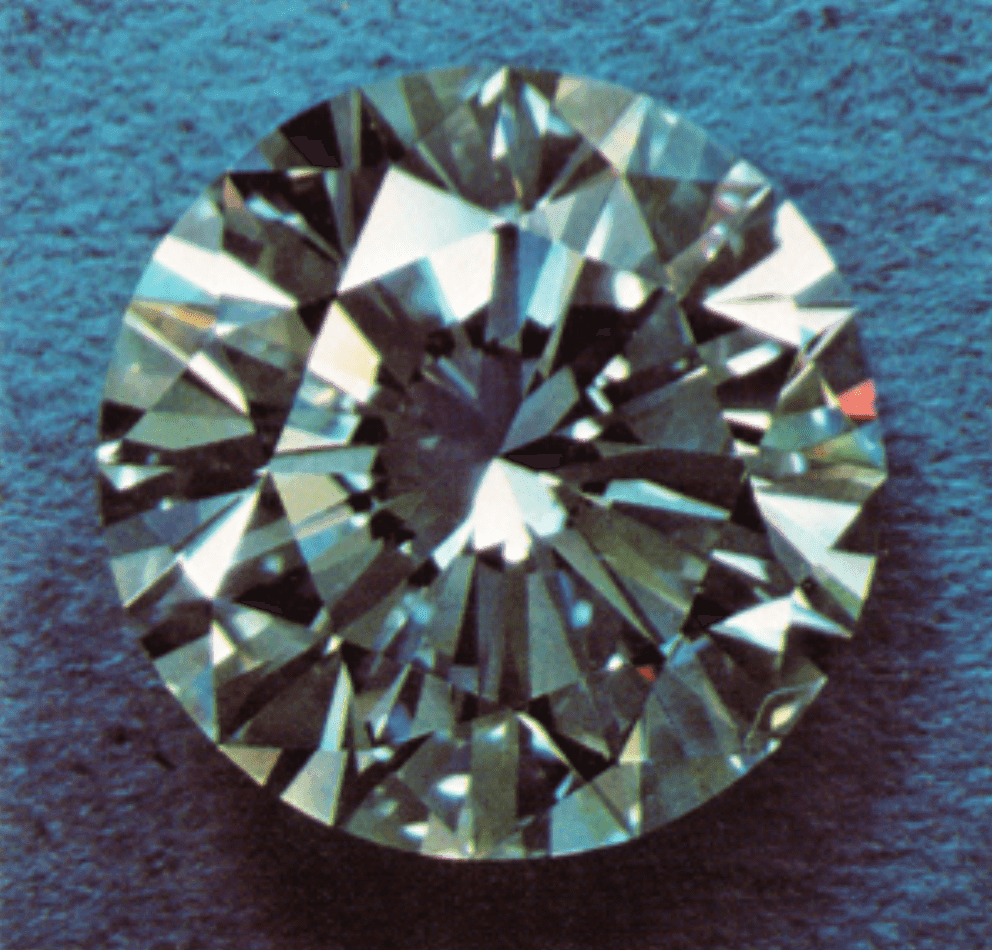
When shopping for engagement rings, expectations about carat weight often conflict with the reality of diamond prices. Consider your options carefully and remember that even smaller diamonds can create elegant, sparkly rings. Additionally, detecting subtle differences in weight can be challenging. For example, the diamond pictured above measures an impressive 1.50 carats, yet certain engagement ring settings can make smaller stones appear even larger.
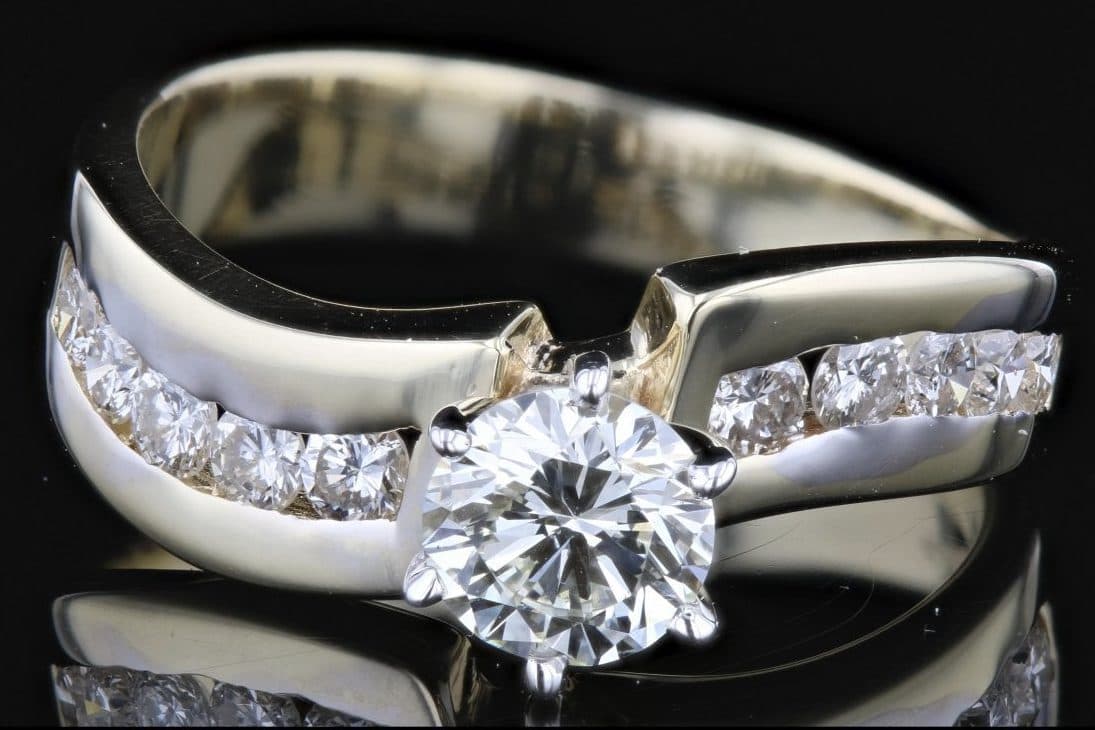
Remember that the ring setting itself adds to your total cost:
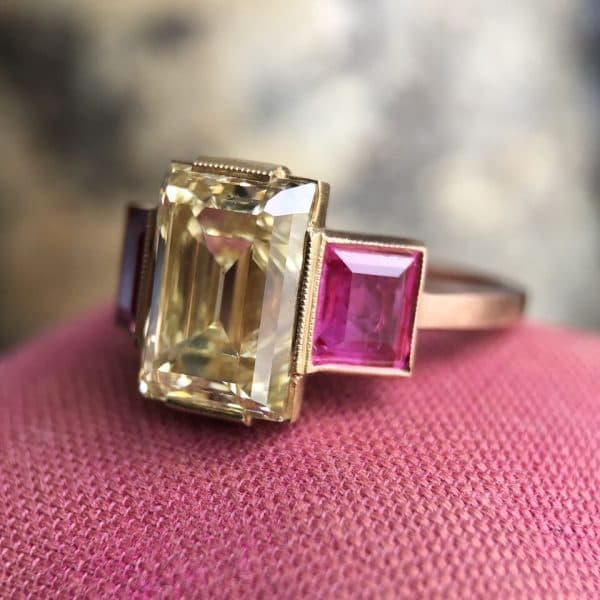
It's advisable to select your engagement ring setting before choosing your diamond. If you're uncertain about design options, explore Blue Nile's inspiration gallery to see what others have created within similar budgets.Also consider exploring different diamond shapes. Though round brilliants remain the most popular and sparkly option, fancy shapes are gaining popularity and still offer impressive brilliance. As an added benefit, fancy-shaped diamonds typically cost 20-40% less than round diamonds of equivalent carat weight.
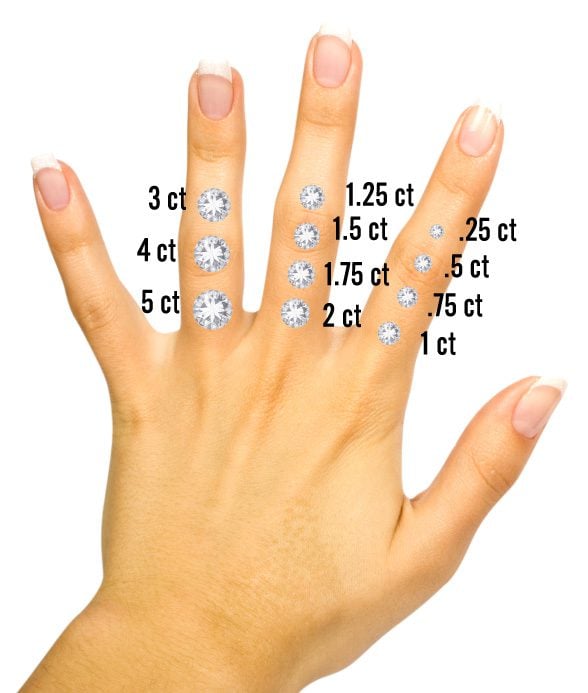
Keep in mind that carats measure a diamond's weight, not its dimensions or apparent size. However, you can get an idea of the size of a round diamond by its carat weight. You can also find estimates of dimensions for diamonds of different carat weights cut to other popular shapes here.
Video diamond size engagement ring comparison on hand by ZCOVA.
When shopping for engagement rings, expectations about carat weight often conflict with the reality of diamond prices. Consider your options carefully and remember that even smaller diamonds can create elegant, sparkly rings. Additionally, detecting subtle differences in weight can be challenging. For example, the diamond pictured above measures an impressive 1.50 carats, yet certain engagement ring settings can make smaller stones appear even larger.
For a diamond budget under $1,000, diamonds under 0.50 carats will likely be your focus. Although round diamonds in this range measure less than 5 mm across, they can still deliver impressive sparkle. Selecting lower clarity and color grades allows you to maximize size, and at these smaller dimensions, clarity and color have minimal impact on visual appeal.
The benefits of smaller carat diamonds include:
Half-carat diamonds represent a popular choice for engagement rings. With a diamond budget of approximately $1,000, you can acquire a half-carat round diamond with excellent performance. At this weight:
Diamonds around 0.70 carats represent an ideal compromise between impressive size and reasonable pricing. A diamond budget of approximately $2,000 can secure a beautiful diamond at this weight. These diamonds offer:
The 0.90-carat weight has become a popular choice for those seeking near one-carat appearance with significant savings. Unless someone specifically measures your diamond, few will notice it's slightly below the one-carat mark. The jump in pricing at the one-carat mark makes this weight particularly appealing for budget-conscious shoppers.
However, since many consumers now opt for 0.90-carat diamonds, this has created a small price increase in this range. Expect to invest approximately $3,000 to $4,000 for a well-cut round 0.90-carat diamond.
As the most popular weight, diamonds experience a significant price increase at 1.00 carats. This price jump is especially pronounced for round diamonds, making fancy shapes a more economical option at this weight. With a budget of $4,500, you can find an excellent one-carat diamond. However, if you're willing to compromise on clarity and color, you might find a one-carat diamond starting around $3,000.
Read more in our one-carat diamond guide.
Sizes slightly exceeding one carat are often overlooked by shoppers. First-time diamond buyers targeting one-carat diamonds typically upgrade color or clarity when they discover additional room in their budget. However, increasing carat weight could be a better option. At 1.25 carats, a diamond appears noticeably larger than one carat and creates a truly stunning impression.
With a diamond budget of approximately $6,500, you can acquire a round 1.25-carat diamond with excellent performance. At $4,000, you could still find a beautiful diamond with a lower color grade.
At 1.50 carats, diamonds appear quite substantial, and their sparkle will certainly attract attention. This impressive size comes with a corresponding price tag. For a well-cut round diamond in the near-colorless range, a 1.50-carat diamond typically costs around $9,000. If you're willing to compromise on color, a budget of $5,500 might suffice.
If you seek something large and eye-catching, a 2 carat diamond ring will definitely make a statement. At this weight, a round diamond measures slightly over 8 mm in diameter (for reference, 10 mm equals 1 cm). However, finding well-cut diamonds becomes increasingly challenging at this size.
For a 2 carat diamond ring with exceptional sparkle, prepare for a budget of at least $16,000. Compromising on color can provide substantial savings, with budgets of $9,000 to $10,000 potentially securing a beautiful diamond for a colored gold setting.
"Impeccable Symmetry In a 2.54 c Diamond Ring - 16614," video from The Three Graces. Licensed under CC By-ND 3.0.
For a genuinely impressive ring, a 3 carat diamond ring may fulfill your desires. At this weight, you'll unquestionably possess a substantial stone. However, a ring of this caliber carries a significant price. For a three-carat diamond with excellent cut and color, budget approximately $35,000. Lower color grades can reduce costs to around $23,000.
If only a celebrity-sized diamond will satisfy your requirements, then a 5 carat diamond ring represents your ideal choice. At this remarkable weight, diamonds are not only attention-grabbing and substantial but also exceptionally rare. Finding one with outstanding performance becomes even more challenging at this size.
For a 5 carat diamond ring, prepare to budget between $60,000 and $100,000 for a well-cut specimen.Read more in our five-carat diamond guide.
Diamond earrings are sold by total carat weight (ctw). This means you'll need to divide the stated weight in half to determine the approximate weight of each individual diamond. Finding the right balance between visibility, comfort, and budget is essential for selecting diamond studs that enhance your appearance without overwhelming your features.
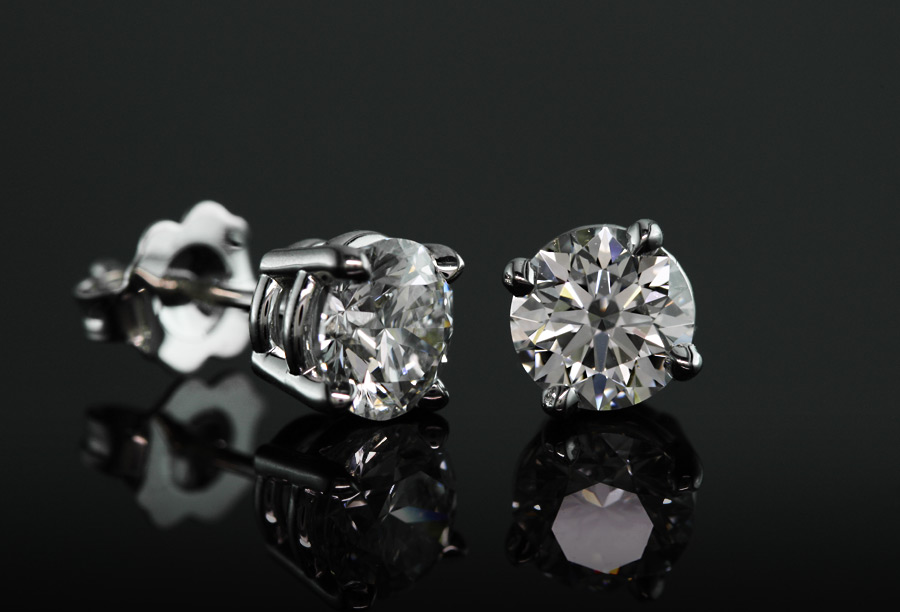
At this weight range, the diamonds appear quite small. This size works well for:
At these sizes, gold pre-set earrings with well-cut, sparkly round diamonds typically cost between $100 and $400.
Moving up in carat weight, the diamonds become more noticeable but may still appear relatively small. This range makes an ideal choice for a first pair of diamond stud earrings. Expect to spend $300 to $800 for earrings of this size.
At this size, each diamond exceeds 4 mm in diameter and creates a definite visual impact. However, prices increase accordingly. Budget between $1,000 and $2,000 for diamond studs of this size.
When reaching the 1.00-ctw mark, each diamond measures over 5 mm in diameter—an excellent size for diamond earrings. However, this weight also comes with a substantial price increase. Pre-made earrings with well-cut diamonds can cost anywhere from $1,500 to $4,000.
From this weight upward, have a jeweler create your earrings using diamonds you personally select. The price of these diamonds makes reviewing their grade report and performance videos worthwhile before purchasing.
At 1.50 ctw, each earring appears notably large and can display tremendous sparkle. Nearly 6 mm in diameter, these diamonds might seem oversized on petite ears but provide perfect earlobe coverage for larger ears. In this weight range, always build earrings with laboratory-graded diamonds. Budget at least $4,000 for 1.50-ctw diamond earrings.
At the 2.00-ctw mark, each diamond weighs approximately 1 carat, making them substantial and exceptionally sparkly. When considering 2.00-ctw diamond earrings, ensure your diamonds include grade reports from reputable laboratories. At this size, well-cut round diamonds will cost a minimum of $7,000.
Choosing necklace size presents challenges since individuals have different preferences and neck proportions. If purchasing a necklace for yourself, try various sizes in-store to determine your preference. However, if you fall in love with a larger diamond, you might save money by shopping online.
When buying a diamond solitaire necklace as a gift, examine other necklaces to understand what carat weight looks best, and consider whether this represents an everyday or special occasion gift.For necklace length terminology and sizing guidance, consult this article.
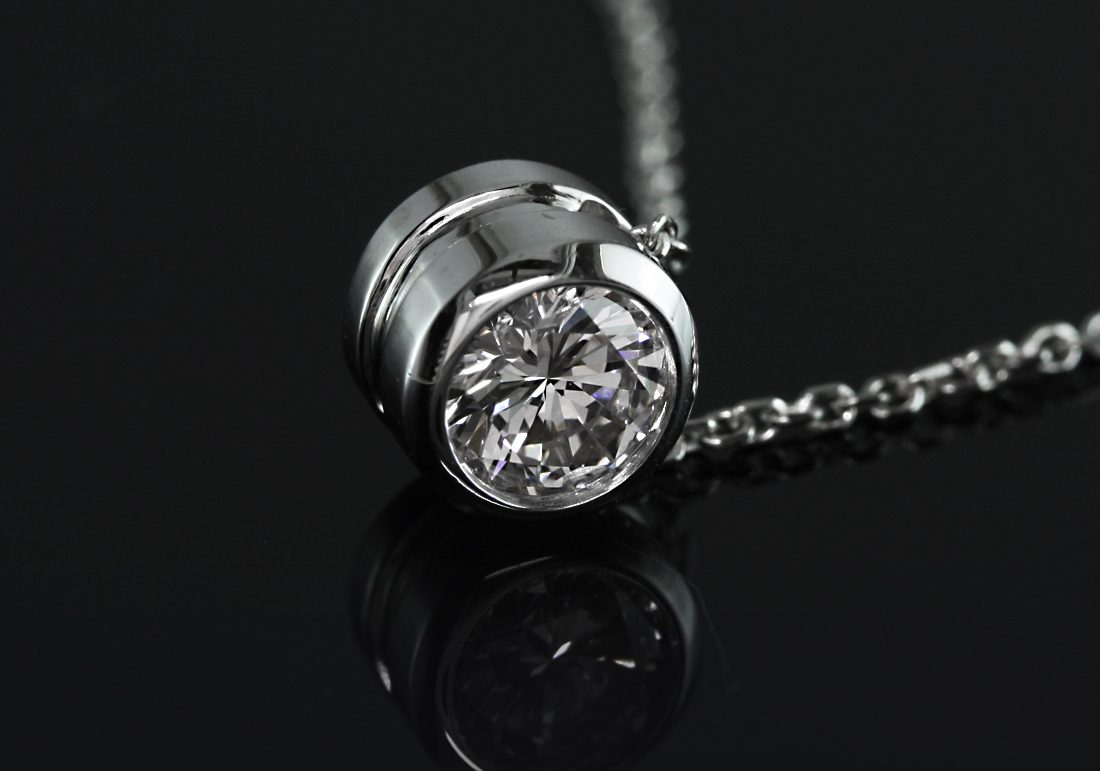
Very small diamonds at the throat base add subtle sparkle and elegance to any outfit. This weight works perfectly for those preferring understated or delicate jewelry. With a gold chain, a solitaire diamond in this range might cost between $150 and $500.
At 0.25 carats, a round diamond measures approximately 4 mm in diameter—an ideal size for a noticeable but not ostentatious necklace. For some petite frames, this might represent the perfect size for versatile jewelry suitable for both casual and formal occasions. At this weight, expect to pay about $450 to $700 for a necklace.
A half-carat round diamond will be clearly visible and perfect for both everyday wear and special occasions. Measuring about 5 mm across, a diamond this size will certainly display plenty of sparkle. With a budget of $1,500, you can find a beautiful half-carat necklace. At this weight, however, consider having a jeweler create your necklace using a diamond you personally select.
With a diameter of approximately 5.7 mm, a necklace of this size will certainly attract compliments. Still versatile enough to dress up or down, a 0.75-carat diamond necklace will display substantial sparkle. It might even appear excessive for some styles. At this weight, select your own diamond to ensure optimal sparkle. A necklace this size typically costs around $2,000.
For those desiring maximum sparkle, a one-carat diamond necklace might represent the ideal size. At approximately 6.5 mm across, this likely represents the upper limit of what pairs effectively with casual attire. Prices increase substantially at this weight, with one-carat diamond necklaces starting at approximately $4,000.
At larger sizes, diamonds become extremely sparkly and might overwhelm casual outfits. Nevertheless, some prefer the appearance of 1.50-carat diamond necklaces for formal workplaces.
With necklaces, no practical limit exists regarding diamond size. Unlike fingers and ears, the neck accommodates heavier jewels more comfortably.
If you prefer a larger appearance than your budget allows, several alternatives to mined diamonds offer comparable beauty.
Lab-created diamonds are genuine diamonds, simply manufactured in controlled environments rather than mined. With identical appearance to mined diamonds but significantly lower prices, these make excellent alternatives. Check out our lab-created diamond guide for more information.
Synthetic moissanite represents another excellent option. With prices even lower than lab-created diamonds, many consumers now choose moissanite engagement rings. Read more about moissanite vs diamond comparisons.
If you prefer a natural gemstone rather than synthetic alternatives, consider white sapphire. Although its appearance differs somewhat from diamond, a well-cut white sapphire can still display impressive sparkle.
Regardless of what carat diamond you purchase, always view the diamond before buying. Diamond value derives primarily from the quality of its cut and performance, making it essential to evaluate how the diamond sparkles during your shopping process.
When purchasing diamonds online for engagement rings, necklaces, or earrings, ensure you can view detailed videos of the diamonds. Both Blue Nile and Blue Nile offer hundreds of thousands of diamonds, each with 360° video allowing you to assess performance. They also provide options for custom engagement rings, earrings, and necklaces, plus reliable return policies, making them top choices for online diamond shopping. Currently, James Allen offers a wider selection of engagement ring styles.
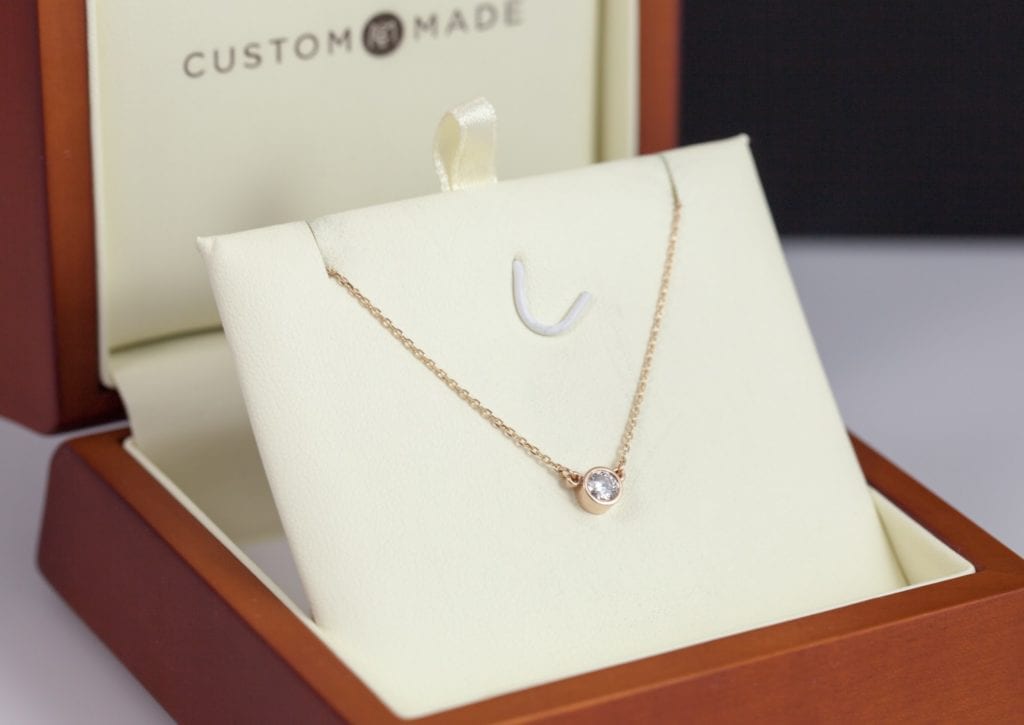
Alternatively, CustomMade provides design services for completely customized jewelry, allowing you to create unique pieces tailored to your personal style. With their expert guidance, you'll discover the perfect stone matching both your personality and budget constraints.
Carats measure a diamond's weight, not its dimensions or apparent size. While weight correlates with size, two 1-carat diamonds can appear differently sized depending on their cut proportions. For round diamonds, you can estimate visible size based on carat weight, but remember that different diamond shapes distribute weight differently. A well-cut diamond may appear larger than a poorly cut diamond of the same weight.
Yes, lab-created diamonds make excellent alternatives. They possess identical physical, chemical, and optical properties to mined diamonds but typically cost significantly less. Lab diamonds are genuine diamonds that are simply manufactured in controlled environments rather than formed naturally. If you want a larger stone within your budget, lab-created diamonds offer comparable beauty at more accessible price points.
Significant price jumps occur at benchmark weights (like 0.50, 0.75, 1.00, 1.50 carats) because these are psychologically important thresholds for buyers. Additionally, larger diamonds are exponentially rarer in nature. For example, the price difference between a 0.90-carat and 1.00-carat diamond is disproportionately large because of market demand for "full carat" stones, despite the minimal difference in actual size.
The ideal diamond size for earrings depends on personal preference, ear size, and budget. For everyday wear, 0.30-0.50 ctw (0.15-0.25 carats per ear) provides noticeable sparkle without being overwhelming. For a balanced appearance, 1.00 ctw (0.50 carats per ear) offers excellent visibility with diamonds measuring over 5mm in diameter. Larger earlobes may better support 1.50-2.00 ctw for proportional coverage.
Several strategies can enhance the perceived size of a smaller diamond:
Not at all. A 0.70-carat diamond represents an excellent compromise between impressive size and reasonable pricing. At this weight, diamonds have substantial visual presence on the finger and are large enough to showcase excellent cut quality. Many consider this the "sweet spot" for balancing size, quality, and cost. With a budget of approximately $2,000, you can secure a beautiful diamond at this weight that creates a stunning engagement ring.
Total carat weight (ctw) refers to the combined weight of all diamonds in a piece of jewelry. For example, 1.00 ctw diamond earrings contain approximately 0.50 carats per earring. When shopping for multi-stone jewelry like earrings or three-stone rings, always divide the total carat weight to understand the size of individual stones.
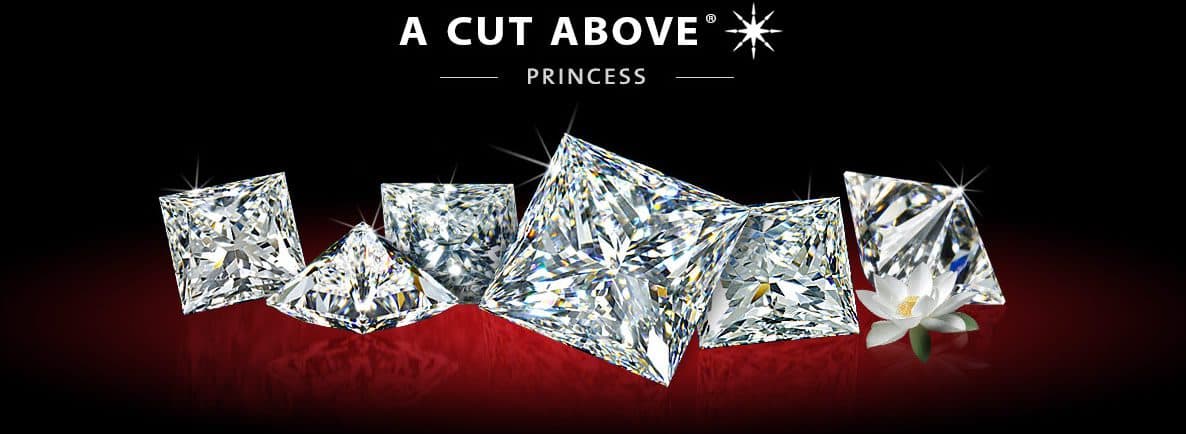
Yes, fancy-shaped diamonds (like oval, princess, cushion, and emerald cuts) typically cost 20-40% less than round diamonds of equivalent carat weight. This means you can get a noticeably larger fancy-shaped diamond for the same budget. While round brilliant diamonds remain the most popular for their superior sparkle, fancy shapes are gaining popularity and still offer impressive brilliance with the advantage of appearing larger per carat.

When you join the IGS community, you get trusted diamond & gemstone information when you need it.
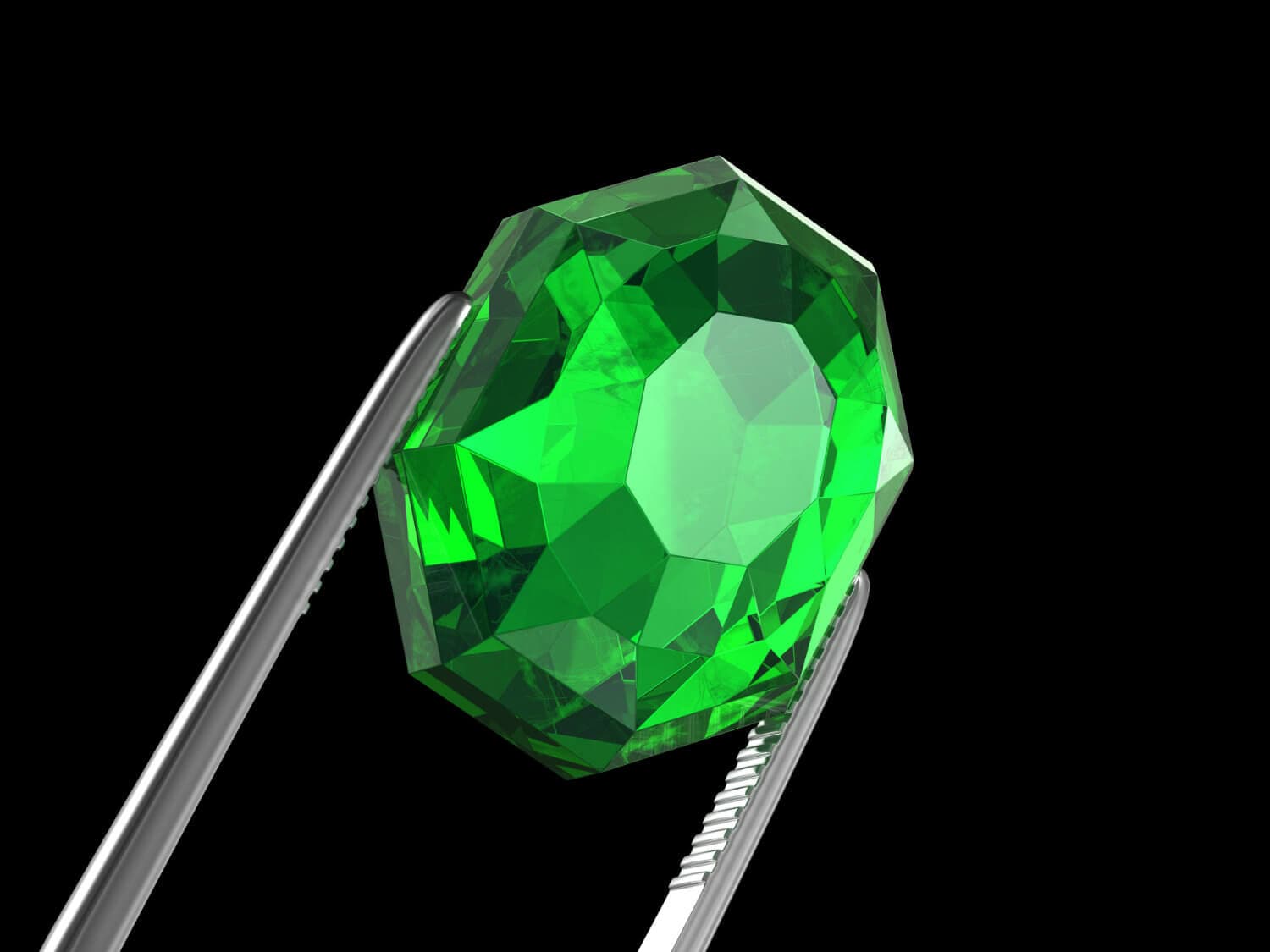
Choosing the right diamond carat weight requires balancing your budget, personal style preferences, and expectations. This comprehensive guide will help you find the ideal diamond size for engagement rings, earrings, and pendants across various price points.
In this article, you'll learn:
When shopping for engagement rings, expectations about carat weight often conflict with the reality of diamond prices. Consider your options carefully and remember that even smaller diamonds can create elegant, sparkly rings. Additionally, detecting subtle differences in weight can be challenging. For example, the diamond pictured above measures an impressive 1.50 carats, yet certain engagement ring settings can make smaller stones appear even larger.
Remember that the ring setting itself adds to your total cost:
It's advisable to select your engagement ring setting before choosing your diamond. If you're uncertain about design options, explore Blue Nile's inspiration gallery to see what others have created within similar budgets.Also consider exploring different diamond shapes. Though round brilliants remain the most popular and sparkly option, fancy shapes are gaining popularity and still offer impressive brilliance. As an added benefit, fancy-shaped diamonds typically cost 20-40% less than round diamonds of equivalent carat weight.
Keep in mind that carats measure a diamond's weight, not its dimensions or apparent size. However, you can get an idea of the size of a round diamond by its carat weight. You can also find estimates of dimensions for diamonds of different carat weights cut to other popular shapes here.
Video diamond size engagement ring comparison on hand by ZCOVA.
When shopping for engagement rings, expectations about carat weight often conflict with the reality of diamond prices. Consider your options carefully and remember that even smaller diamonds can create elegant, sparkly rings. Additionally, detecting subtle differences in weight can be challenging. For example, the diamond pictured above measures an impressive 1.50 carats, yet certain engagement ring settings can make smaller stones appear even larger.
For a diamond budget under $1,000, diamonds under 0.50 carats will likely be your focus. Although round diamonds in this range measure less than 5 mm across, they can still deliver impressive sparkle. Selecting lower clarity and color grades allows you to maximize size, and at these smaller dimensions, clarity and color have minimal impact on visual appeal.
The benefits of smaller carat diamonds include:
Half-carat diamonds represent a popular choice for engagement rings. With a diamond budget of approximately $1,000, you can acquire a half-carat round diamond with excellent performance. At this weight:
Diamonds around 0.70 carats represent an ideal compromise between impressive size and reasonable pricing. A diamond budget of approximately $2,000 can secure a beautiful diamond at this weight. These diamonds offer:
The 0.90-carat weight has become a popular choice for those seeking near one-carat appearance with significant savings. Unless someone specifically measures your diamond, few will notice it's slightly below the one-carat mark. The jump in pricing at the one-carat mark makes this weight particularly appealing for budget-conscious shoppers.
However, since many consumers now opt for 0.90-carat diamonds, this has created a small price increase in this range. Expect to invest approximately $3,000 to $4,000 for a well-cut round 0.90-carat diamond.
As the most popular weight, diamonds experience a significant price increase at 1.00 carats. This price jump is especially pronounced for round diamonds, making fancy shapes a more economical option at this weight. With a budget of $4,500, you can find an excellent one-carat diamond. However, if you're willing to compromise on clarity and color, you might find a one-carat diamond starting around $3,000.
Read more in our one-carat diamond guide.
Sizes slightly exceeding one carat are often overlooked by shoppers. First-time diamond buyers targeting one-carat diamonds typically upgrade color or clarity when they discover additional room in their budget. However, increasing carat weight could be a better option. At 1.25 carats, a diamond appears noticeably larger than one carat and creates a truly stunning impression.
With a diamond budget of approximately $6,500, you can acquire a round 1.25-carat diamond with excellent performance. At $4,000, you could still find a beautiful diamond with a lower color grade.
At 1.50 carats, diamonds appear quite substantial, and their sparkle will certainly attract attention. This impressive size comes with a corresponding price tag. For a well-cut round diamond in the near-colorless range, a 1.50-carat diamond typically costs around $9,000. If you're willing to compromise on color, a budget of $5,500 might suffice.
If you seek something large and eye-catching, a 2 carat diamond ring will definitely make a statement. At this weight, a round diamond measures slightly over 8 mm in diameter (for reference, 10 mm equals 1 cm). However, finding well-cut diamonds becomes increasingly challenging at this size.
For a 2 carat diamond ring with exceptional sparkle, prepare for a budget of at least $16,000. Compromising on color can provide substantial savings, with budgets of $9,000 to $10,000 potentially securing a beautiful diamond for a colored gold setting.
"Impeccable Symmetry In a 2.54 c Diamond Ring - 16614," video from The Three Graces. Licensed under CC By-ND 3.0.
For a genuinely impressive ring, a 3 carat diamond ring may fulfill your desires. At this weight, you'll unquestionably possess a substantial stone. However, a ring of this caliber carries a significant price. For a three-carat diamond with excellent cut and color, budget approximately $35,000. Lower color grades can reduce costs to around $23,000.
If only a celebrity-sized diamond will satisfy your requirements, then a 5 carat diamond ring represents your ideal choice. At this remarkable weight, diamonds are not only attention-grabbing and substantial but also exceptionally rare. Finding one with outstanding performance becomes even more challenging at this size.
For a 5 carat diamond ring, prepare to budget between $60,000 and $100,000 for a well-cut specimen.Read more in our five-carat diamond guide.
Diamond earrings are sold by total carat weight (ctw). This means you'll need to divide the stated weight in half to determine the approximate weight of each individual diamond. Finding the right balance between visibility, comfort, and budget is essential for selecting diamond studs that enhance your appearance without overwhelming your features.
At this weight range, the diamonds appear quite small. This size works well for:
At these sizes, gold pre-set earrings with well-cut, sparkly round diamonds typically cost between $100 and $400.
Moving up in carat weight, the diamonds become more noticeable but may still appear relatively small. This range makes an ideal choice for a first pair of diamond stud earrings. Expect to spend $300 to $800 for earrings of this size.
At this size, each diamond exceeds 4 mm in diameter and creates a definite visual impact. However, prices increase accordingly. Budget between $1,000 and $2,000 for diamond studs of this size.
When reaching the 1.00-ctw mark, each diamond measures over 5 mm in diameter—an excellent size for diamond earrings. However, this weight also comes with a substantial price increase. Pre-made earrings with well-cut diamonds can cost anywhere from $1,500 to $4,000.
From this weight upward, have a jeweler create your earrings using diamonds you personally select. The price of these diamonds makes reviewing their grade report and performance videos worthwhile before purchasing.
At 1.50 ctw, each earring appears notably large and can display tremendous sparkle. Nearly 6 mm in diameter, these diamonds might seem oversized on petite ears but provide perfect earlobe coverage for larger ears. In this weight range, always build earrings with laboratory-graded diamonds. Budget at least $4,000 for 1.50-ctw diamond earrings.
At the 2.00-ctw mark, each diamond weighs approximately 1 carat, making them substantial and exceptionally sparkly. When considering 2.00-ctw diamond earrings, ensure your diamonds include grade reports from reputable laboratories. At this size, well-cut round diamonds will cost a minimum of $7,000.
Choosing necklace size presents challenges since individuals have different preferences and neck proportions. If purchasing a necklace for yourself, try various sizes in-store to determine your preference. However, if you fall in love with a larger diamond, you might save money by shopping online.
When buying a diamond solitaire necklace as a gift, examine other necklaces to understand what carat weight looks best, and consider whether this represents an everyday or special occasion gift.For necklace length terminology and sizing guidance, consult this article.
Very small diamonds at the throat base add subtle sparkle and elegance to any outfit. This weight works perfectly for those preferring understated or delicate jewelry. With a gold chain, a solitaire diamond in this range might cost between $150 and $500.
At 0.25 carats, a round diamond measures approximately 4 mm in diameter—an ideal size for a noticeable but not ostentatious necklace. For some petite frames, this might represent the perfect size for versatile jewelry suitable for both casual and formal occasions. At this weight, expect to pay about $450 to $700 for a necklace.
A half-carat round diamond will be clearly visible and perfect for both everyday wear and special occasions. Measuring about 5 mm across, a diamond this size will certainly display plenty of sparkle. With a budget of $1,500, you can find a beautiful half-carat necklace. At this weight, however, consider having a jeweler create your necklace using a diamond you personally select.
With a diameter of approximately 5.7 mm, a necklace of this size will certainly attract compliments. Still versatile enough to dress up or down, a 0.75-carat diamond necklace will display substantial sparkle. It might even appear excessive for some styles. At this weight, select your own diamond to ensure optimal sparkle. A necklace this size typically costs around $2,000.
For those desiring maximum sparkle, a one-carat diamond necklace might represent the ideal size. At approximately 6.5 mm across, this likely represents the upper limit of what pairs effectively with casual attire. Prices increase substantially at this weight, with one-carat diamond necklaces starting at approximately $4,000.
At larger sizes, diamonds become extremely sparkly and might overwhelm casual outfits. Nevertheless, some prefer the appearance of 1.50-carat diamond necklaces for formal workplaces.
With necklaces, no practical limit exists regarding diamond size. Unlike fingers and ears, the neck accommodates heavier jewels more comfortably.
If you prefer a larger appearance than your budget allows, several alternatives to mined diamonds offer comparable beauty.
Lab-created diamonds are genuine diamonds, simply manufactured in controlled environments rather than mined. With identical appearance to mined diamonds but significantly lower prices, these make excellent alternatives. Check out our lab-created diamond guide for more information.
Synthetic moissanite represents another excellent option. With prices even lower than lab-created diamonds, many consumers now choose moissanite engagement rings. Read more about moissanite vs diamond comparisons.
If you prefer a natural gemstone rather than synthetic alternatives, consider white sapphire. Although its appearance differs somewhat from diamond, a well-cut white sapphire can still display impressive sparkle.
Regardless of what carat diamond you purchase, always view the diamond before buying. Diamond value derives primarily from the quality of its cut and performance, making it essential to evaluate how the diamond sparkles during your shopping process.
When purchasing diamonds online for engagement rings, necklaces, or earrings, ensure you can view detailed videos of the diamonds. Both Blue Nile and Blue Nile offer hundreds of thousands of diamonds, each with 360° video allowing you to assess performance. They also provide options for custom engagement rings, earrings, and necklaces, plus reliable return policies, making them top choices for online diamond shopping. Currently, James Allen offers a wider selection of engagement ring styles.
Alternatively, CustomMade provides design services for completely customized jewelry, allowing you to create unique pieces tailored to your personal style. With their expert guidance, you'll discover the perfect stone matching both your personality and budget constraints.
Carats measure a diamond's weight, not its dimensions or apparent size. While weight correlates with size, two 1-carat diamonds can appear differently sized depending on their cut proportions. For round diamonds, you can estimate visible size based on carat weight, but remember that different diamond shapes distribute weight differently. A well-cut diamond may appear larger than a poorly cut diamond of the same weight.
Yes, lab-created diamonds make excellent alternatives. They possess identical physical, chemical, and optical properties to mined diamonds but typically cost significantly less. Lab diamonds are genuine diamonds that are simply manufactured in controlled environments rather than formed naturally. If you want a larger stone within your budget, lab-created diamonds offer comparable beauty at more accessible price points.
Significant price jumps occur at benchmark weights (like 0.50, 0.75, 1.00, 1.50 carats) because these are psychologically important thresholds for buyers. Additionally, larger diamonds are exponentially rarer in nature. For example, the price difference between a 0.90-carat and 1.00-carat diamond is disproportionately large because of market demand for "full carat" stones, despite the minimal difference in actual size.
The ideal diamond size for earrings depends on personal preference, ear size, and budget. For everyday wear, 0.30-0.50 ctw (0.15-0.25 carats per ear) provides noticeable sparkle without being overwhelming. For a balanced appearance, 1.00 ctw (0.50 carats per ear) offers excellent visibility with diamonds measuring over 5mm in diameter. Larger earlobes may better support 1.50-2.00 ctw for proportional coverage.
Several strategies can enhance the perceived size of a smaller diamond:
Not at all. A 0.70-carat diamond represents an excellent compromise between impressive size and reasonable pricing. At this weight, diamonds have substantial visual presence on the finger and are large enough to showcase excellent cut quality. Many consider this the "sweet spot" for balancing size, quality, and cost. With a budget of approximately $2,000, you can secure a beautiful diamond at this weight that creates a stunning engagement ring.
Total carat weight (ctw) refers to the combined weight of all diamonds in a piece of jewelry. For example, 1.00 ctw diamond earrings contain approximately 0.50 carats per earring. When shopping for multi-stone jewelry like earrings or three-stone rings, always divide the total carat weight to understand the size of individual stones.
Yes, fancy-shaped diamonds (like oval, princess, cushion, and emerald cuts) typically cost 20-40% less than round diamonds of equivalent carat weight. This means you can get a noticeably larger fancy-shaped diamond for the same budget. While round brilliant diamonds remain the most popular for their superior sparkle, fancy shapes are gaining popularity and still offer impressive brilliance with the advantage of appearing larger per carat.

Click On The Coupons Below to Save Money on Your Jewelry!
*See website for exclusions and restrictions.