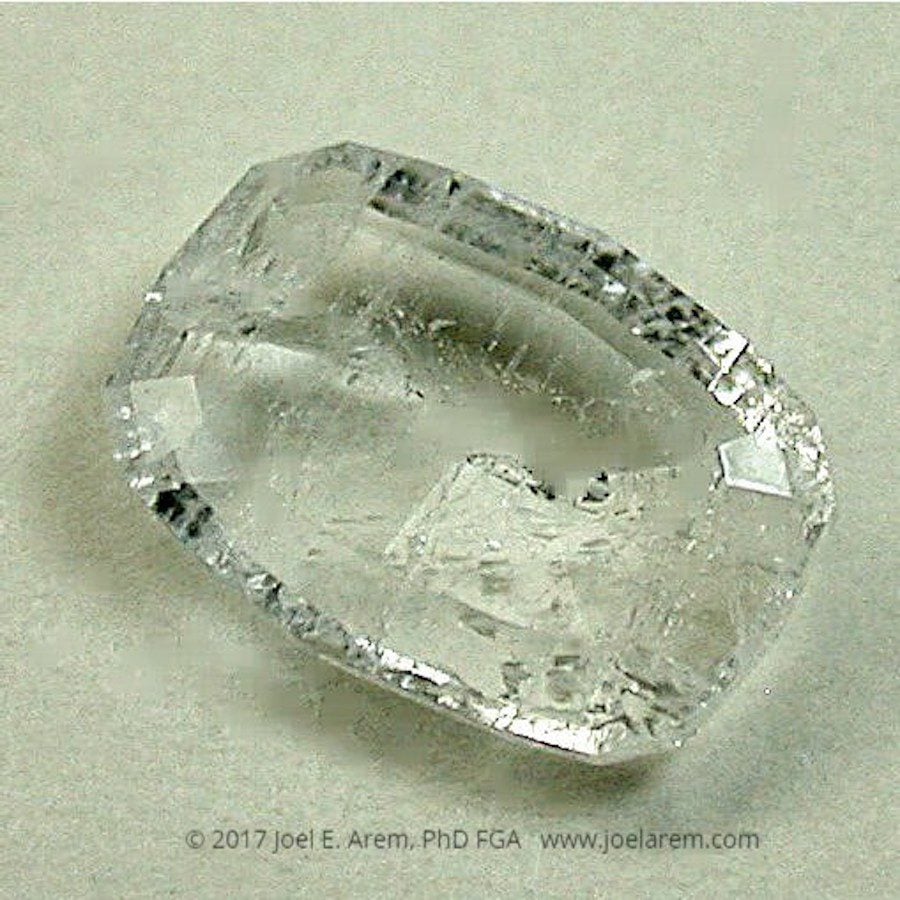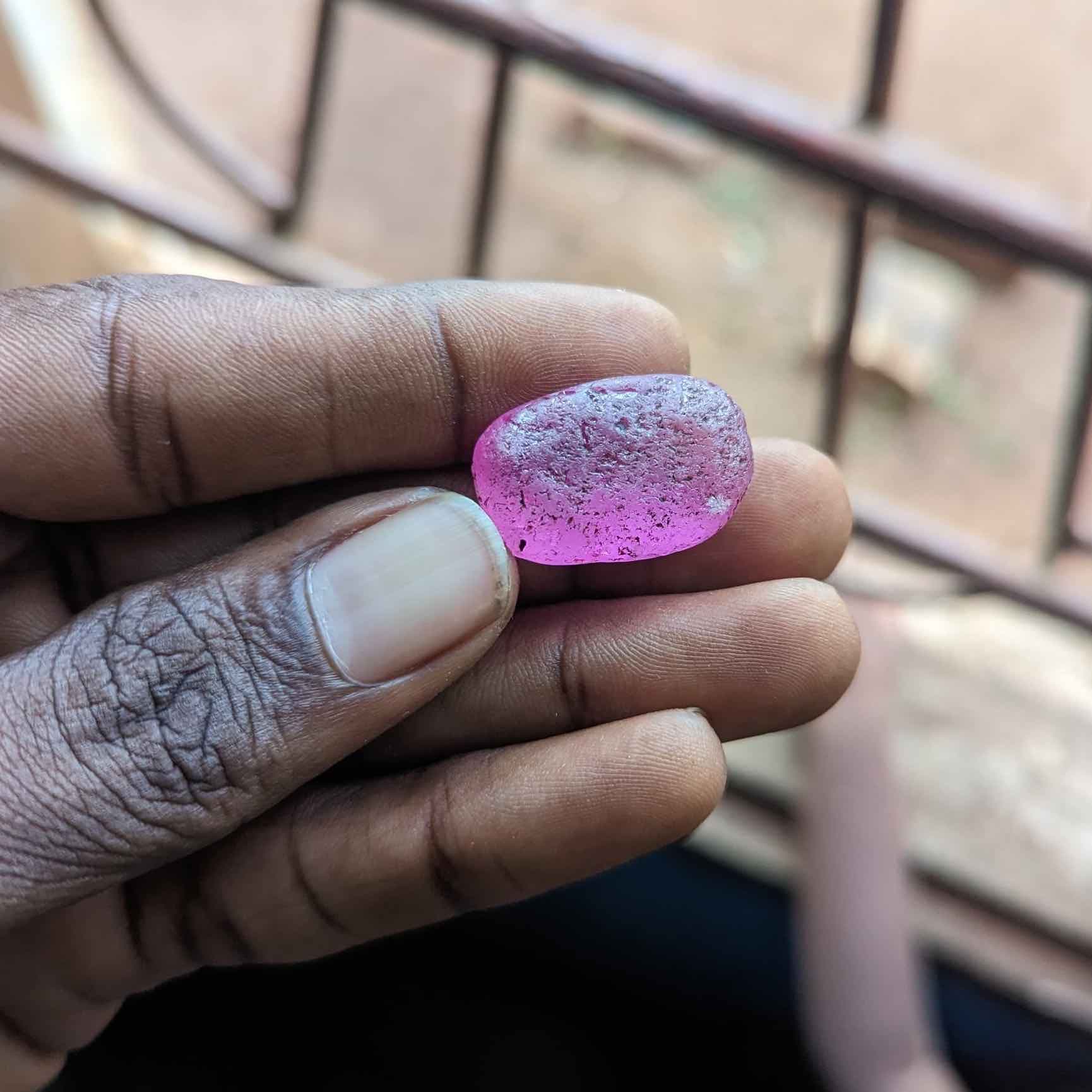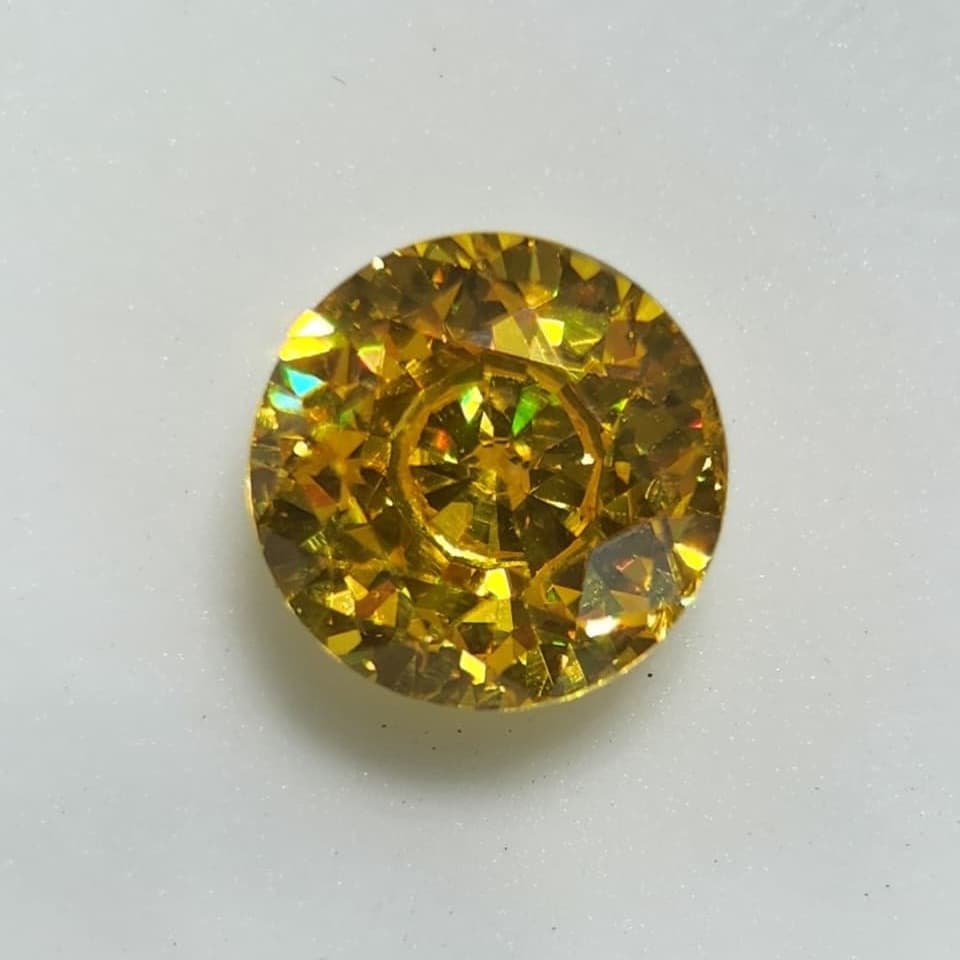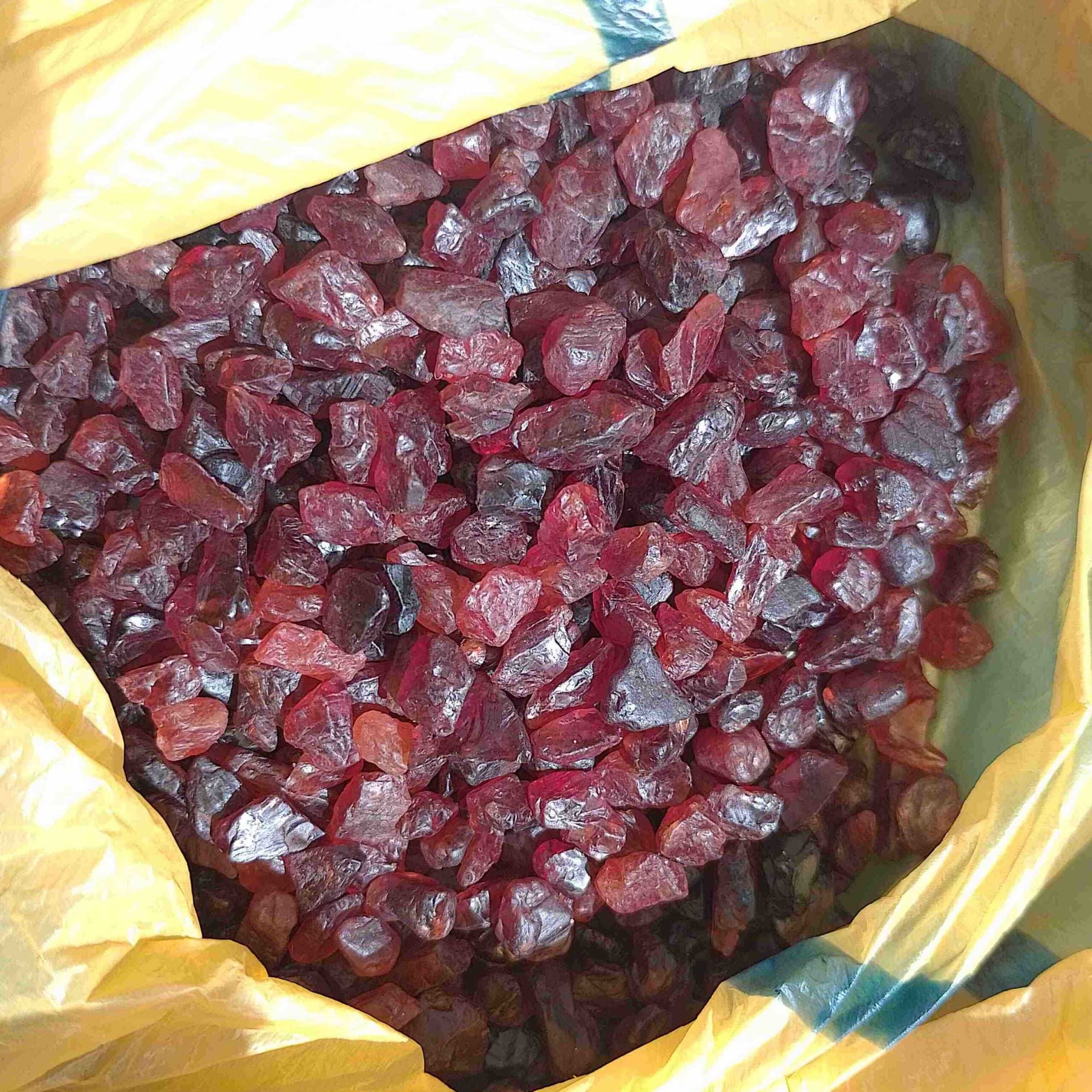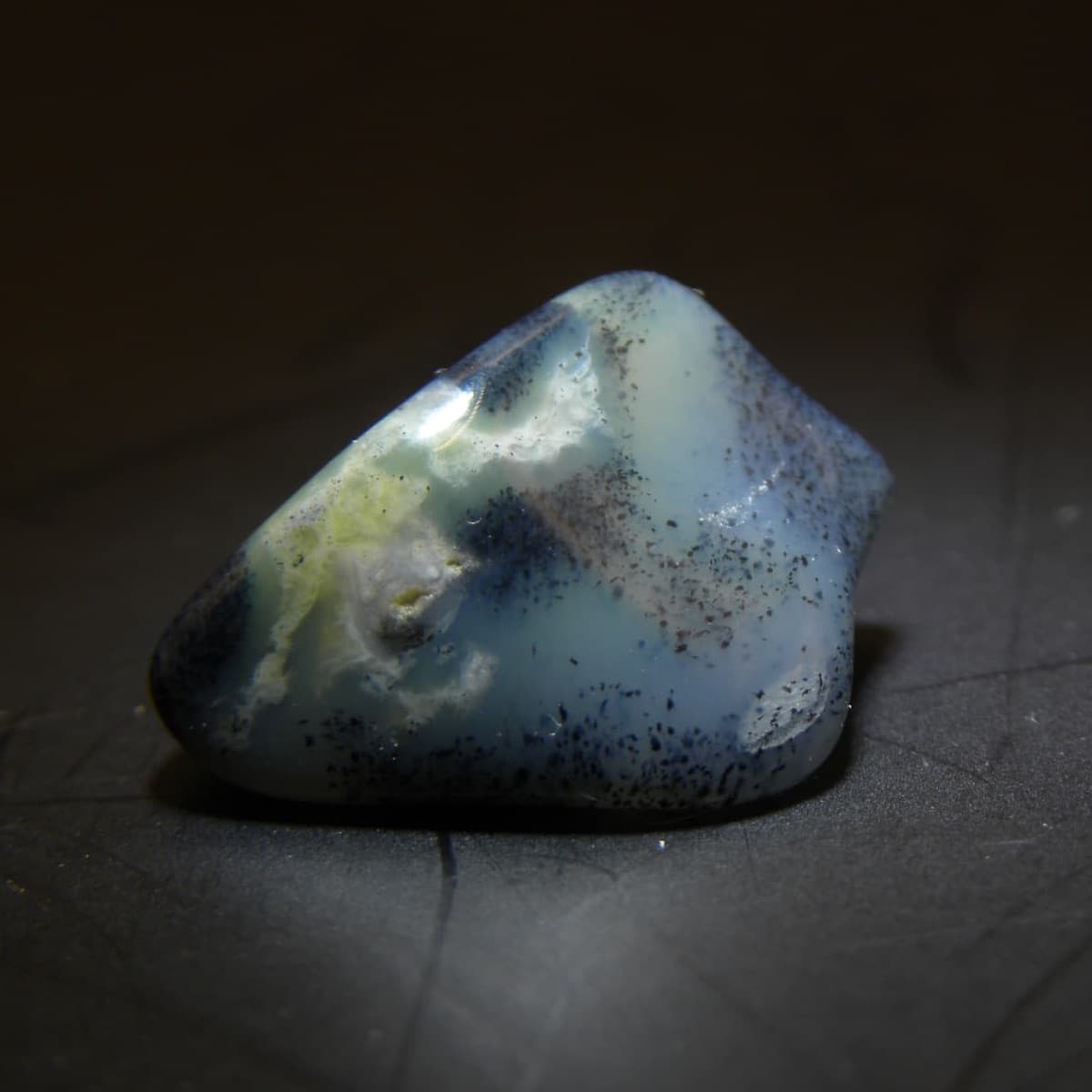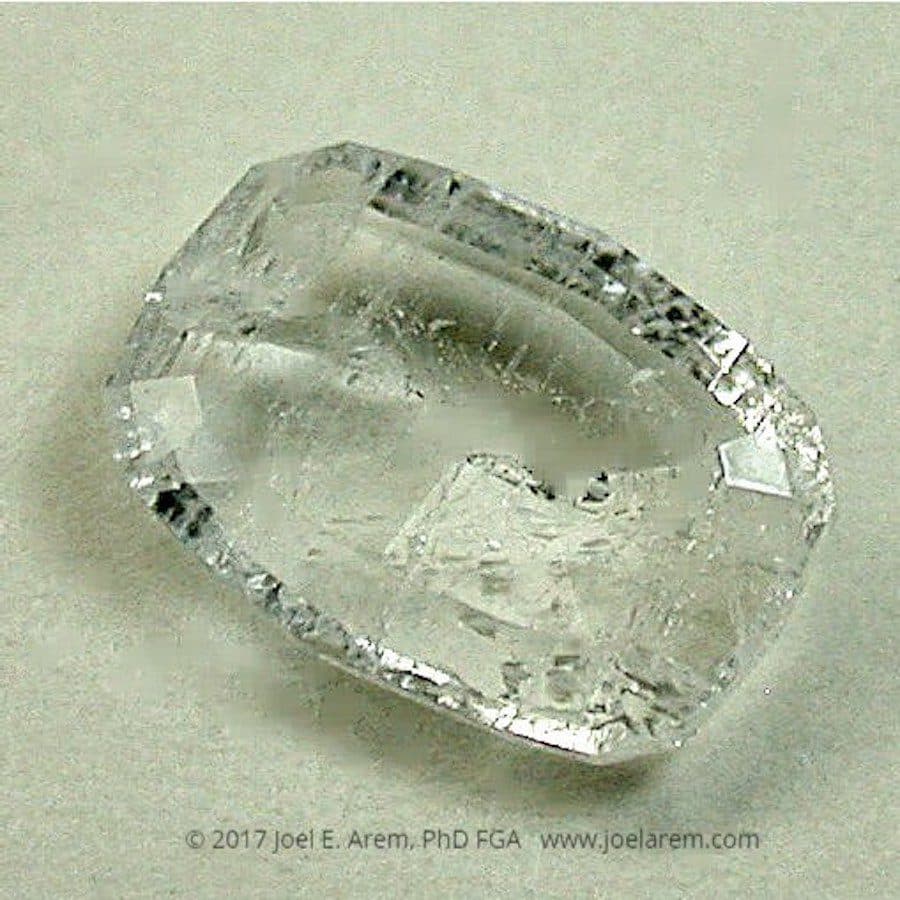
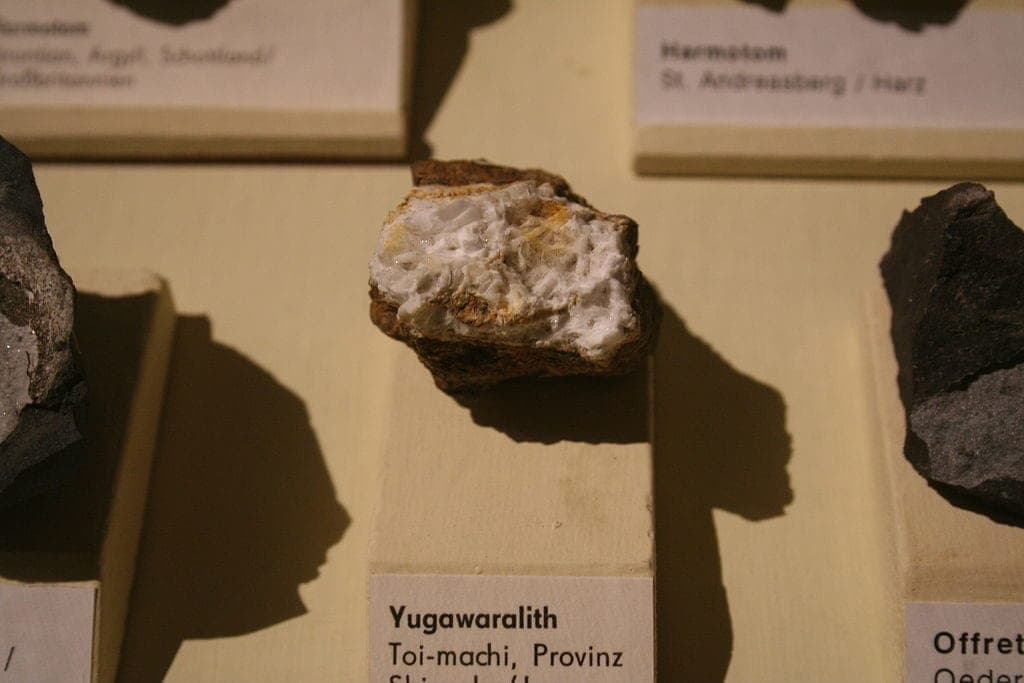
Yugawaralite is a very rare colorless to pinkish zeolite mineral. Little facetable material exists, so a cut yugawaralite would be a prized addition to a gem collection.
1 Minute Read
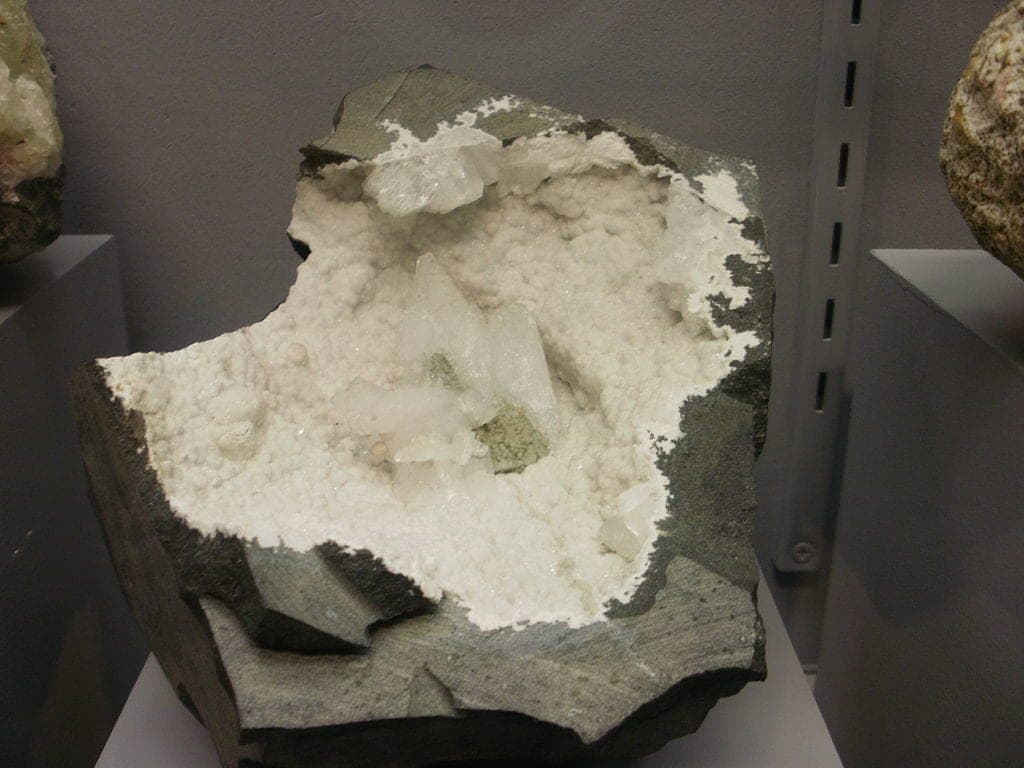
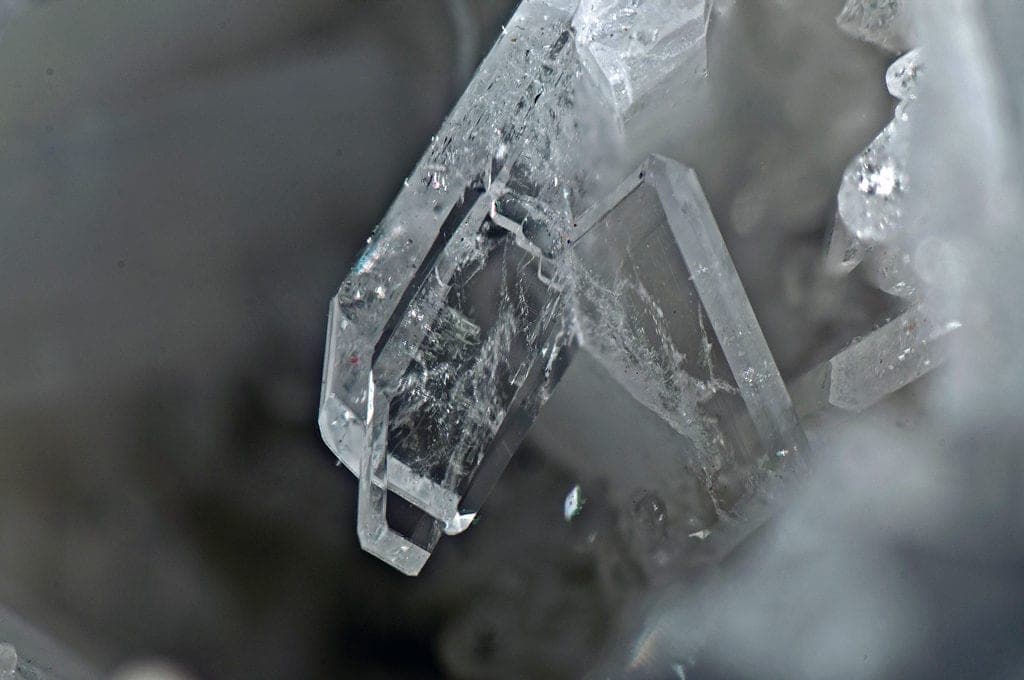
The Kandivali Quarry near Mumbai, India has produced superb, well-formed colorless and transparent crystals close to the literature values for yugawaralite. A few faceted gems have been cut from this exceptional and extremely rare material.
Yugawaralites have both pyroelectric and piezoelectric properties. This means they generate electricity when heated and placed under pressure, respectively.
Scientists have synthesized yugawaralites as well as other zeolites for chemical and mineralogical research. However, there is no known jewelry use for this synthetic material.
None known.
Japan, notably Honshu Island, produces gemmy material. Yugawara Hot Spring, Kanagawa Prefecture is the type locality for yugawaralite.
India, most notably the Kandivali Quarry, produces small amounts of facetable material.
Other notable crystal sources include the following:
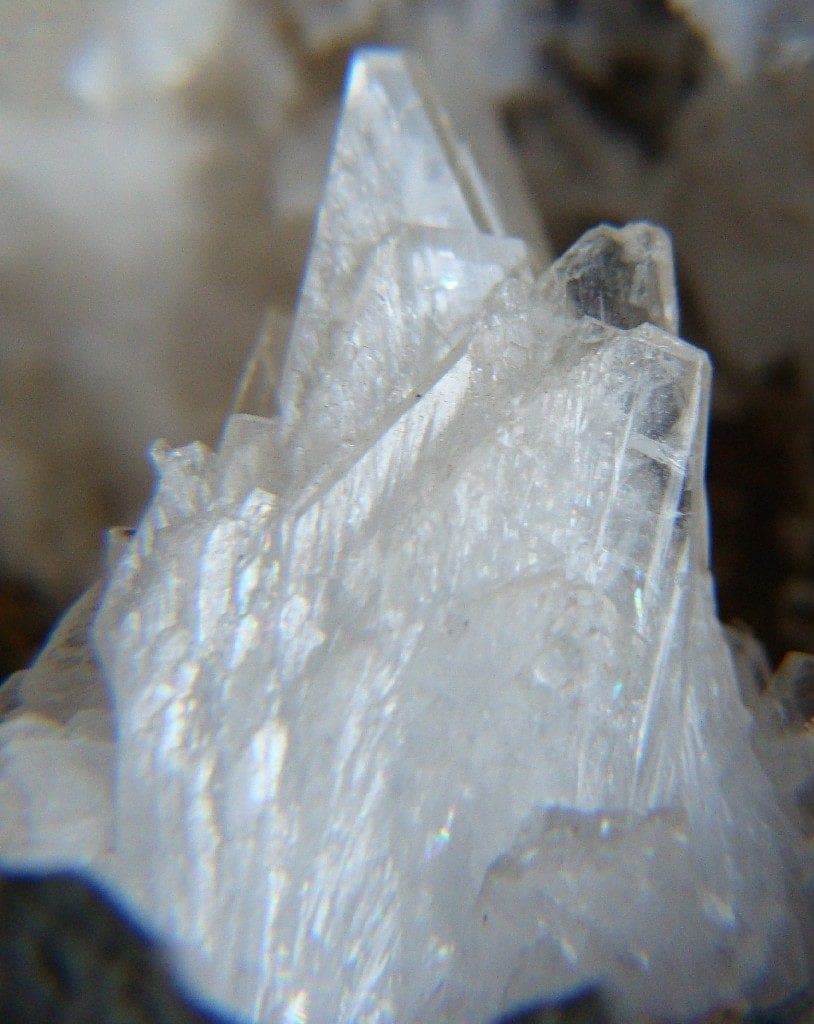
The Kandivali Quarry can produce gem-quality crystals up to 3 cm long.
You're more likely to find yugawaralites, if at all, in gem collections than jewelry collections. If used in jewelry, these stones would require protective settings and occasional wear only. Their hardness of 4.5 means they can be scratched very easily, and their very brittle tenacity means they're more likely than most gems to fracture from impact. Clean these gemstones only with a warm damp cloth, mild detergent, and soft brush. For more care recommendations, consult our gemstone jewelry cleaning guide.

When you join the IGS community, you get trusted diamond & gemstone information when you need it.
The Kandivali Quarry near Mumbai, India has produced superb, well-formed colorless and transparent crystals close to the literature values for yugawaralite. A few faceted gems have been cut from this exceptional and extremely rare material.
Yugawaralites have both pyroelectric and piezoelectric properties. This means they generate electricity when heated and placed under pressure, respectively.
Scientists have synthesized yugawaralites as well as other zeolites for chemical and mineralogical research. However, there is no known jewelry use for this synthetic material.
None known.
Japan, notably Honshu Island, produces gemmy material. Yugawara Hot Spring, Kanagawa Prefecture is the type locality for yugawaralite.
India, most notably the Kandivali Quarry, produces small amounts of facetable material.
Other notable crystal sources include the following:
The Kandivali Quarry can produce gem-quality crystals up to 3 cm long.
You're more likely to find yugawaralites, if at all, in gem collections than jewelry collections. If used in jewelry, these stones would require protective settings and occasional wear only. Their hardness of 4.5 means they can be scratched very easily, and their very brittle tenacity means they're more likely than most gems to fracture from impact. Clean these gemstones only with a warm damp cloth, mild detergent, and soft brush. For more care recommendations, consult our gemstone jewelry cleaning guide.


Yugawaralite is a very rare colorless to pinkish zeolite mineral. Little facetable material exists, so a cut yugawaralite would be a prized addition to a gem collection.